

Most boiler cleaning services stop at the mechanical unit they clean the burner, check a few settings, and leave. What they don’t touch is the flue, the liner, and the exhaust pathway connecting your boiler to the top of your chimney. In an older Orient home, that pathway might be a masonry flue that’s been doing its job for 50, 80, or even 100 years. When it’s partially blocked or corroding from the inside, no amount of burner maintenance makes your system fully safe or efficient.
Orient’s coastal environment accelerates the kind of damage that’s easy to miss. Salt air coming off Long Island Sound to the north and Gardiners Bay to the south doesn’t take a season off. It works on metal chimney components, mortar joints, and flue liners year-round. The result is deterioration that builds quietly invisible from the outside until it becomes a real problem.
Annual boiler cleaning and flue inspection is how you catch it before it turns into a carbon monoxide risk or a system failure on a January night. We’ve found cracked liners, corroded caps, and nesting blockages in Orient properties that would have caused serious problems if left unchecked through another heating season.
There’s also the efficiency side of it. A thin layer of soot on your boiler’s heat transfer surfaces just 1mm can reduce efficiency by 3 to 4 percent and raise flue gas temperatures measurably. On the North Fork, where oil heat is the norm and fuel costs reflect it, that inefficiency shows up directly in your heating bills every winter. A clean system burns less oil to produce the same heat. Over a full heating season, that adds up.
We’ve earned an “A” rating and award recognition from both the BBB and Angie’s List for six consecutive years. That’s not a single good season it’s a sustained track record across hundreds of Long Island homeowners, verified by two independent platforms. When you’re in a community as small and remote as Orient, you can’t rely on a dense network of local referrals to vet a service company. That kind of documented, multi-year recognition matters more here than almost anywhere else.
We’re licensed for Suffolk County the specific license that covers work in Orient and the Town of Southold. We carry full liability insurance and workers’ compensation, and every material we install is UL listed. For homeowners in the Orient Historic District with older properties they care about protecting, those credentials aren’t just paperwork. They’re the difference between a company you can trust in your home and one you’re taking a chance on.
What also sets us apart is the scope of what we actually do. We’re chimney specialists who also clean boilers not HVAC technicians who occasionally look at a flue. That distinction matters when your home has an aging masonry chimney connected to an oil boiler that’s been running for decades.

When we come out to your Orient property, the work starts with a full visual inspection the boiler itself, the piping and connections, and the chimney and flue system that exhausts combustion gases out of your home. In older homes along Main Road and throughout the hamlet, that flue inspection often turns up things a standard HVAC call would never catch: cracked mortar, deteriorated liner sections, or moisture intrusion from the coastal environment that’s been quietly doing damage for years.
From there, the cleaning covers the heat exchanger, burners, and ignition system removing the soot and carbon deposits that reduce efficiency and increase fuel consumption. A combustion analysis follows, measuring and adjusting the air-to-fuel ratio so your boiler is burning cleanly and efficiently.
The flue is cleaned of soot, debris, and any blockages, including nesting material if animals have moved in during warmer months. That’s a real consideration for Orient properties that sit vacant through summer chimneys that go unused for months in a humid, salt-air environment are exactly where birds and small animals tend to set up.
The visit wraps up with safety control testing pressure valves, seals, thermostats, and safety shutoffs and a clear explanation of anything that needs attention. If structural work like liner replacement or a chimney cap requires a permit through the Town of Southold Building Department, we handle that as part of the job. Most routine cleaning visits take about one to two hours for a standard residential system.

Ready to get started?
Boiler cleaning in Orient isn’t the same job it is in a Nassau County suburb with a 1990s gas boiler and a newer liner. The homes here are older, the fuel is oil, and the environment is more aggressive. Our boiler cleaning service is designed around the full exhaust system not just the mechanical unit in the basement because that’s what older oil-heat homes on the North Fork actually need.
The service covers the boiler heat exchanger, burner assembly, and ignition system, along with the flue and chimney from the connection point all the way to the top. That includes checking for salt-air corrosion on metal components, inspecting mortar and liner condition for freeze-thaw damage, and clearing any blockages or nesting material that accumulated during warmer months.
For seasonal homeowners returning to Orient in the fall, this pre-season inspection is especially important a boiler that sat through a humid Long Island summer in a coastal environment needs to be verified before it’s pressed into service for the heating season.
We also handle the repair work if something is found. Chimney cap installation, liner replacement, flashing repair, waterproofing, and crown work are all within our scope. If your oil company flagged a chimney or exhaust issue during a delivery which is how many Orient homeowners first learn about a problem we’re the follow-up call that actually resolves it. We cover the part of the system your oil company doesn’t touch.
For oil boilers, annual cleaning is the standard recommendation and in Orient, the case for sticking to that schedule is stronger than in most places. Oil combustion produces more soot and carbon deposits than gas, so buildup happens faster. Combine that with the North Fork’s coastal environment, where salt air and moisture from Long Island Sound and Gardiners Bay accelerate corrosion of flue components year-round, and you have a system that genuinely benefits from a professional eye every single year.
Skipping a year doesn’t just mean double the buildup the following season. It means a full year of undetected corrosion, potential moisture intrusion in the flue liner, and efficiency loss that shows up in your oil bills all winter. For second-home owners who leave their Orient properties vacant through the warmer months, annual fall cleaning before the heating season starts is especially important the system needs to be verified before it’s relied on for heat.
Most boiler warranties also require annual professional maintenance to remain valid. If something goes wrong and you haven’t kept up with service, that coverage may not apply. Annual cleaning is the simplest way to stay protected on every front.
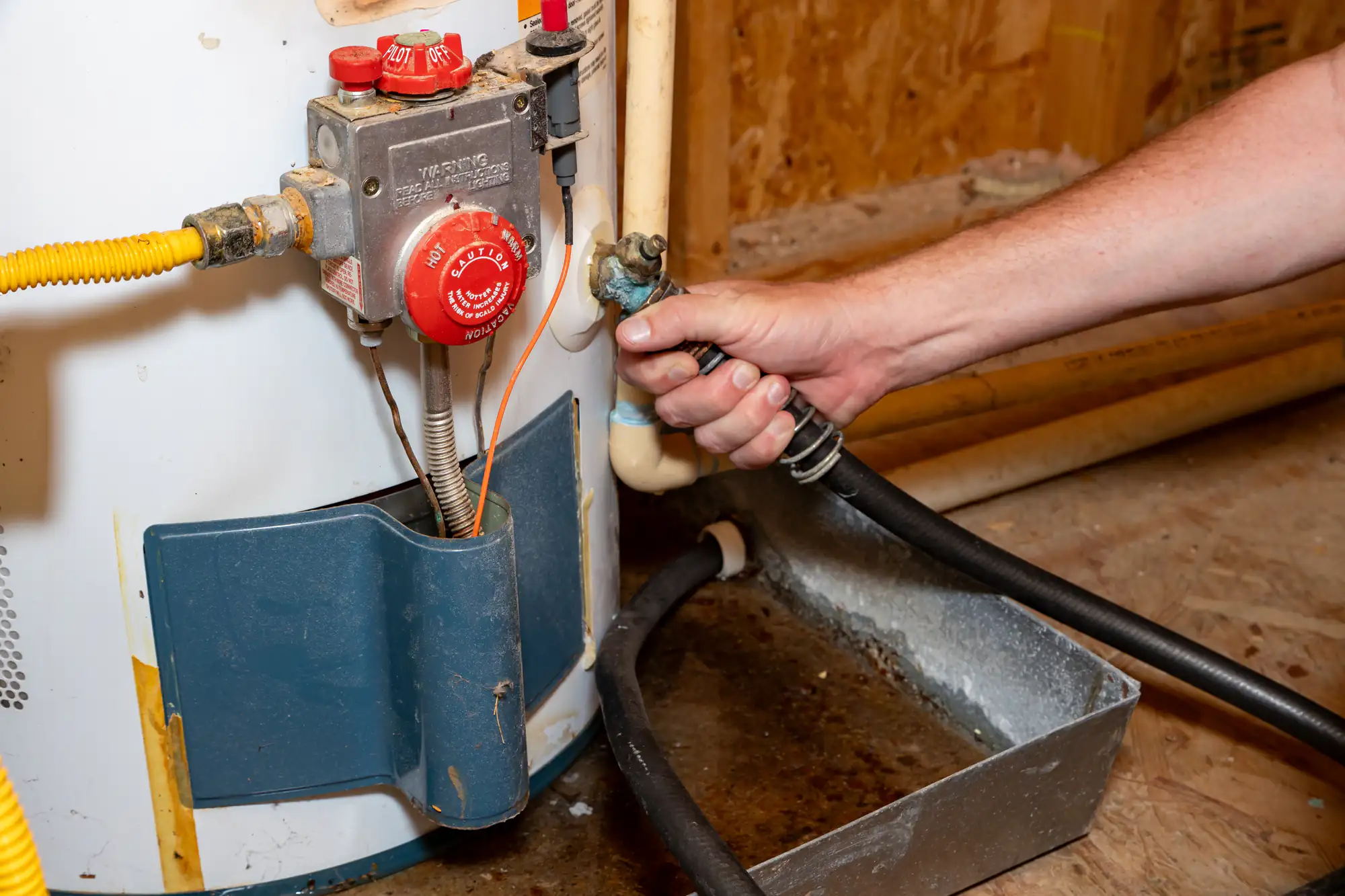
This is one of the most common points of confusion for Long Island homeowners, and it’s worth being direct about. When your oil delivery company services your boiler, they’re focused on the burner unit the mechanical components that handle fuel delivery and ignition. That’s their specialty, and it’s genuinely useful. But it’s not the same as a full boiler cleaning and flue inspection.
The chimney flue, liner, and exhaust pathway that carry combustion gases out of your home are a separate system, and they require chimney expertise to properly inspect and clean. Soot buildup in the flue, a cracked liner, a corroded chimney cap, or a blockage from nesting animals none of those are things your oil company is equipped to find or fix. In older Orient homes with masonry chimneys that may have been in service for decades, that flue system is often where the real issues are hiding.
We cover both sides of the equation. We clean the boiler and the full exhaust system it connects to. If your oil company flagged a chimney or venting issue during their last visit, that’s exactly what we’re there to follow up on.
Yes, and it’s worth understanding why. Carbon monoxide is produced during combustion it’s a normal byproduct of burning oil or gas. Under normal conditions, your boiler’s flue system carries those gases safely out of your home. When that system is compromised whether by soot buildup restricting airflow, a cracked liner leaking combustion gases into living spaces, or a blockage preventing proper exhaust CO can accumulate indoors instead of venting out.
In Orient’s older homes, where masonry chimneys may have hairline cracks from years of freeze-thaw cycling or salt-air deterioration, this isn’t a theoretical risk. It’s a realistic outcome of deferred maintenance on an aging system. The flue doesn’t have to be completely blocked to create a problem partial restriction or a small liner breach can be enough to allow CO to back-draft into the home.
Annual boiler cleaning and flue inspection is the most reliable way to catch these issues before they become dangerous. A professional inspection includes checking the liner condition, testing for proper draft, and identifying any obstructions exactly the kind of assessment that keeps the system working the way it’s supposed to.
Orient has some of the oldest residential structures on Long Island homes that span three centuries of construction, including properties built in the 1700s that are still in active use. If your home falls into that category, the boiler cleaning visit may involve a more thorough inspection than a newer home would require, simply because older systems have had more time to develop issues.
Masonry flues in older homes are more likely to have cracked mortar, deteriorated clay tile liner sections, or original construction details that don’t meet current safety standards. The inspection will cover all of that not just a quick visual check, but a real assessment of what the flue system looks like and whether it’s safe to operate as-is. If repairs are needed, we’ll walk you through what’s required and why before any additional work is scheduled.
For homes in the Orient Historic District, it’s also worth knowing that chimney repair work on older masonry structures requires care. We work with older systems regularly and understand the difference between what needs to be replaced and what can be preserved. You won’t get a blanket recommendation to tear out original masonry when targeted repair is the right call.
Summer is actually the recommended time to schedule boiler service and for Orient homeowners, there are a few specific reasons why it makes sense here. When the boiler isn’t in active use, the work can be done without disrupting your heat supply, and any issues found can be repaired before cold weather arrives. That’s true everywhere, but in Orient, the stakes of a fall or winter discovery are higher because emergency service options are more limited at the end of the North Fork.
There’s also the seasonal vacancy factor. Many Orient properties sit unused through the summer, which means chimneys go dormant for months in a high-humidity, salt-air environment. That’s exactly the kind of condition that encourages nesting animals, promotes moisture buildup in the flue, and accelerates corrosion of metal components. Scheduling a cleaning and inspection when you return to the property or before you leave for the season means you’re not firing up a system in October that hasn’t been looked at in over a year.
Booking in summer also means you’re ahead of the fall rush. September and October are peak demand months for boiler service across Long Island, and appointment slots fill up quickly. Scheduling earlier gives you more flexibility and avoids the scramble.
Yes we service all of Suffolk County, and Orient is in Suffolk County. We hold the county-specific Suffolk County license that covers work in Orient and the Town of Southold, so there’s no licensing gap when it comes to work this far east on the North Fork.
The distance is real Orient is about 35 miles from the Long Island Expressway’s eastern terminus near Riverhead, and Route 25 is the only road in. We make that drive. For a community where no Orient-specific boiler or chimney cleaning specialist currently operates, having a licensed, insured, award-winning company willing to come out to the end of the peninsula is genuinely useful not just a convenience, but a meaningful option that most Orient homeowners don’t have locally.
What also matters in a community this small and this remote is that the company you call is one you can trust to give you an honest assessment. We’ve had technicians tell customers they didn’t need a service they called about. When you’re at the end of the road with limited options and a heating system your household depends on, that kind of straightforward honesty is exactly what you want from the company showing up at your door.
Other Services we provide in Orient