

Most homeowners in Oyster Bay Cove don’t notice how much a dirty boiler is costing them until something goes wrong. Soot builds up quietly on the heat exchanger surfaces, the flue gets partially restricted, and the system works harder every month to deliver the same output. By the time your fuel bill reflects the problem, you’ve already been losing efficiency for a season or two.
Here’s something worth knowing: just one millimeter of soot on a boiler’s heat transfer surfaces can reduce efficiency by 3 to 4 percent and raise flue gas temperatures noticeably. In a large estate-scale home consuming significant quantities of heating oil—and roughly 42 percent of homes in ZIP code 11771 use heating oil as their primary heat source—that efficiency loss adds up fast.
For homes near Oyster Bay Harbor, there’s a second layer to this. Salt air accelerates corrosion on metal chimney components, flue liners, and boiler exhaust connections at a rate that inland communities simply don’t experience. Annual cleaning isn’t just about soot removal here—it’s also your best opportunity to catch corrosion-driven deterioration before it compromises the exhaust pathway and creates a carbon monoxide risk. A clean, properly inspected system means your home stays warm, your fuel goes further, and you’re not caught off guard when January temperatures drop into the twenties.
We’ve earned “A” ratings and award recognition from both Angie’s List and the BBB for six consecutive years. That kind of sustained track record isn’t built on one good season—it’s built on showing up on time, doing honest work, and leaving properties exactly as clean as they were found. Those aren’t promises. They’re things actual customers have written about, repeatedly.
We’ve already built an established presence throughout Oyster Bay Cove and the surrounding North Shore villages—from Cove Neck to Mill Neck to Laurel Hollow. This isn’t us extending into unfamiliar territory. We understand the older home stock here, and we know what decades-old chimney and boiler systems in Nassau County actually look like up close.
We’re fully licensed for Nassau County, we carry both liability insurance and workers’ compensation, and we use only UL-listed materials on every installation. If you’ve ever had a contractor give you a vague answer when you asked about credentials, you’ll appreciate how straightforward we are about ours.
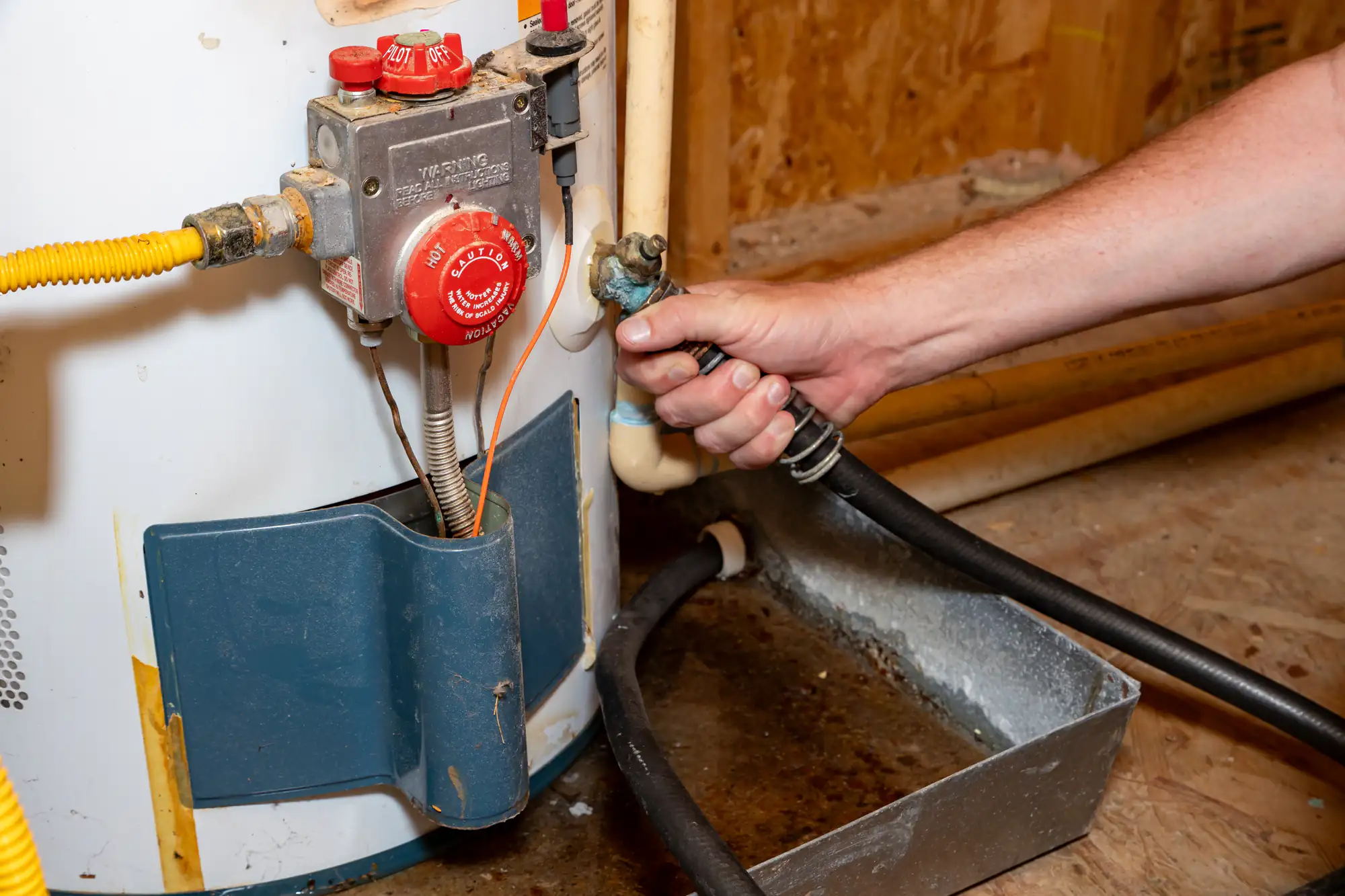
When we come out to an Oyster Bay Cove property, the work starts with a full visual inspection—not just of the boiler unit itself, but of the entire exhaust pathway. That means checking the heat exchanger, burners, and ignition system, as well as the flue connections and chimney liner that carry combustion gases out of your home. In older colonial homes with original clay tile liners or aging masonry chimneys, this inspection step matters more than most people realize.
From there, we clean the heat exchanger and burner components, remove soot and debris that have built up on heat transfer surfaces, and perform a combustion analysis to verify that the air-to-fuel ratio is dialed in correctly. Burner adjustments are made as needed. The flue is cleaned from the fireside, and if rooftop access is required to clear the exhaust pathway fully, that’s part of the job. Safety controls—pressure valves, seals, thermostats, electrical connections—are all tested before we leave.
One thing worth noting for Oyster Bay Cove homeowners: the Town of Oyster Bay requires permits for any structural chimney work, including liner installations and chimney rebuilding. Routine boiler cleaning doesn’t trigger that requirement, but if the inspection turns up a liner that needs replacement or structural repairs, we’ll walk you through what that process involves before any additional work begins. No surprises.

Ready to get started?
What separates us from the HVAC companies that also offer boiler service is scope. Most heating contractors clean the mechanical unit—the burner, the heat exchanger, the ignition components. That’s useful, but it’s half the job. The chimney flue connected to your boiler is part of the same system, and if it’s partially blocked, corroded, or carrying years of accumulated soot, your boiler can’t perform the way it should regardless of how clean the burner is.
For Oyster Bay Cove’s predominantly oil-heat homes, this distinction matters even more. Oil combustion produces more soot than gas, which means the flue and exhaust pathway accumulate buildup faster and need more thorough attention. We clean the boiler and the chimney flue as a connected system—burner to chimney top—which is the only way to genuinely restore efficiency and verify that combustion gases are venting safely out of your home.
Our service covers heat exchanger and burner cleaning, combustion analysis and adjustment, flue cleaning and inspection, safety control testing, and a written assessment of anything that needs attention. If there’s a nest or obstruction in the flue—which does happen in the wooded, heavily treed lots throughout Oyster Bay Cove—that gets addressed as part of the visit. We also offer emergency boiler cleaning around the clock, because a boiler failure in a large home on a January night in Nassau County is not a situation that can wait until morning.

For oil-heated homes, annual boiler cleaning is the standard recommendation—and in Oyster Bay Cove specifically, there are a few reasons to take that schedule seriously. Oil combustion produces significantly more soot than gas, so buildup in the flue and on heat exchanger surfaces happens faster. A system that goes two or three years without cleaning isn’t just less efficient—it’s working against itself, and the fuel bills will reflect that.
The timing of when you schedule also matters. Summer is actually the best window for boiler service—the system isn’t running, so the work is easier to perform and any issues that turn up can be addressed before cold weather arrives. Fall scheduling before the heating season kicks in is the next best option. What you want to avoid is waiting until December, when appointment availability tightens and any problem found during the cleaning becomes an urgent repair rather than a planned one.
This is one of the most common misconceptions in the Long Island oil heat market, and it’s worth clearing up directly. When your oil delivery company sends a technician to service your burner, they’re checking and adjusting the mechanical unit—the burner head, nozzle, fuel filter, and ignition components. That’s their scope. The chimney flue, the liner, and the exhaust pathway that carries combustion gases out of your home are not part of what they inspect or clean.
For a home in Oyster Bay Cove—especially one built before 1960 with an original masonry chimney or an older clay tile liner—the flue is a separate system that requires separate attention. Soot and debris accumulate in the flue regardless of how well-maintained the burner unit is. A partially blocked or deteriorating flue doesn’t just hurt efficiency; it affects how safely combustion gases are venting. Getting the burner serviced and leaving the flue uncleaned is like changing your oil and ignoring the exhaust system—they’re connected, and both need to be in good shape.
Yes, and it’s something that affects Oyster Bay Cove properties more directly than most homeowners realize. Salt-laden air from the harbor doesn’t just affect outdoor furniture and landscaping—it works on metal chimney caps, flue liners, stainless steel components, and boiler exhaust connections year-round. The corrosion process is slow and invisible until it isn’t, and by the time you can see rust or deterioration on a component, it’s usually been compromised for a while.
The practical implication is that annual cleaning and inspection for waterfront and near-waterfront properties in Oyster Bay Cove isn’t optional—it’s how you stay ahead of what the harbor air is doing to your system. During a professional boiler cleaning visit, our technician inspects the full exhaust pathway and flags any corrosion-related deterioration that needs attention. Catching a corroded flue liner connection or a failing chimney cap early means a straightforward repair. Missing it for a few seasons can mean a compromised exhaust pathway, which is a carbon monoxide risk that no amount of home value insulates you from.
The short answer is that the consequences are cumulative, not linear. Skipping one year doesn’t just mean double the soot buildup—it means a year of reduced efficiency, a year of additional wear on components operating under more stress than they should be, and a year of not knowing whether anything in the exhaust pathway has started to deteriorate.
From a practical standpoint, most boiler manufacturers require annual professional maintenance to keep the warranty valid. If you skip service and the boiler develops a problem, the warranty claim may not hold. Beyond that, the efficiency loss from accumulated soot is real money—at current Long Island heating oil prices, a 3 to 4 percent efficiency loss in a high-consumption system in a large Oyster Bay Cove home adds up over a full heating season. Annual cleaning costs a fraction of what a boiler replacement costs, which on Long Island runs anywhere from $5,500 to $15,000 installed depending on the system. The math on preventive maintenance is straightforward.
For most residential boiler systems, a full professional cleaning and inspection takes approximately one to two hours. That includes the burner and heat exchanger cleaning, combustion analysis, flue inspection and cleaning, and safety control testing. The process is contained—our well-equipped technician brings everything needed and doesn’t leave a mess behind. Multiple customers have specifically noted that our crew left the property as clean as they found it, which matters in a home of any size, but especially in a larger estate-scale home.
The one variable that can extend the visit is if the inspection turns up something unexpected—a blocked flue, a corroded component, or a liner issue that warrants further attention. In that case, our technician will explain what was found and what the options are before any additional work begins. You won’t be handed a surprise invoice for work you didn’t agree to. If you want to minimize disruption to your schedule, summer scheduling is the easiest window—the boiler isn’t running, access is straightforward, and there’s no urgency pressure from the heating season.
Licensing for chimney and boiler cleaning work in New York isn’t a single statewide credential—it’s county-specific, and that distinction matters. Nassau County has its own licensing requirements for contractors performing this type of work, and Oyster Bay Cove falls within Nassau County’s jurisdiction. A company that’s licensed in Suffolk County or holds a general contractor’s license isn’t automatically qualified to work here. It’s a reasonable question to ask before anyone sets foot on your property, and a legitimate company will give you a direct answer.
Beyond county licensing, you should also ask about liability insurance and workers’ compensation coverage—and ask to see a certificate, not just a verbal assurance. For any structural chimney work, such as liner installation or masonry repair, the Town of Oyster Bay requires permits, and your contractor should be familiar with that process. We hold Nassau County licensing, we carry both liability insurance and workers’ compensation, and we use only UL-listed materials on every installation. If you want to verify our credentials before booking, that’s not an unusual request—it’s exactly the kind of due diligence that protects a property like yours.
Other Services we provide in Oyster Bay Cove