

The whole point of annual boiler cleaning is that you stop reacting and start staying ahead. A properly cleaned and inspected boiler runs more efficiently, burns less fuel, and gives you a clear picture of what’s actually going on inside the system before something forces your hand. On the North Fork, that matters more than most homeowners realize.
Peconic sits between Peconic Bay to the south and Long Island Sound to the north. That dual coastal exposure means salt air is a constant presence, and salt air does real damage to the metal components inside a boiler’s exhaust system flue connectors, chimney liners, heat exchanger surfaces. It accelerates corrosion in ways that don’t show up until the damage is already done. Annual cleaning catches those early signs before they turn into failures.
The housing stock here adds another layer. With a median construction year of 1977 and a meaningful share of homes that predate 1940, a lot of Peconic properties are running older boiler systems connected to aging chimney liners. Those systems need more attention, not less. A clean system going into winter is the difference between a heating season that runs smoothly and one that doesn’t run at all.
We’ve been cleaning boilers and chimneys across Long Island for years, and the Town of Southold including Peconic is part of the territory we know well. We already have customers in this area, we understand what coastal conditions do to chimney systems, and we show up with that context built in.
What sets us apart isn’t a tagline. It’s six consecutive years of Angie’s List and BBB awards sustained recognition from two independent platforms that both require consistent customer satisfaction to maintain. That kind of track record is hard to fake over time.
We’re licensed for Suffolk County, carry full liability insurance and workers’ compensation, and use only UL-listed materials on every installation. For a Peconic second-home owner arranging service when they’re not on-site, those aren’t minor details they’re the foundation of trust. And when a technician tells you that you don’t actually need a service you called about, that’s the kind of honesty that keeps people coming back.
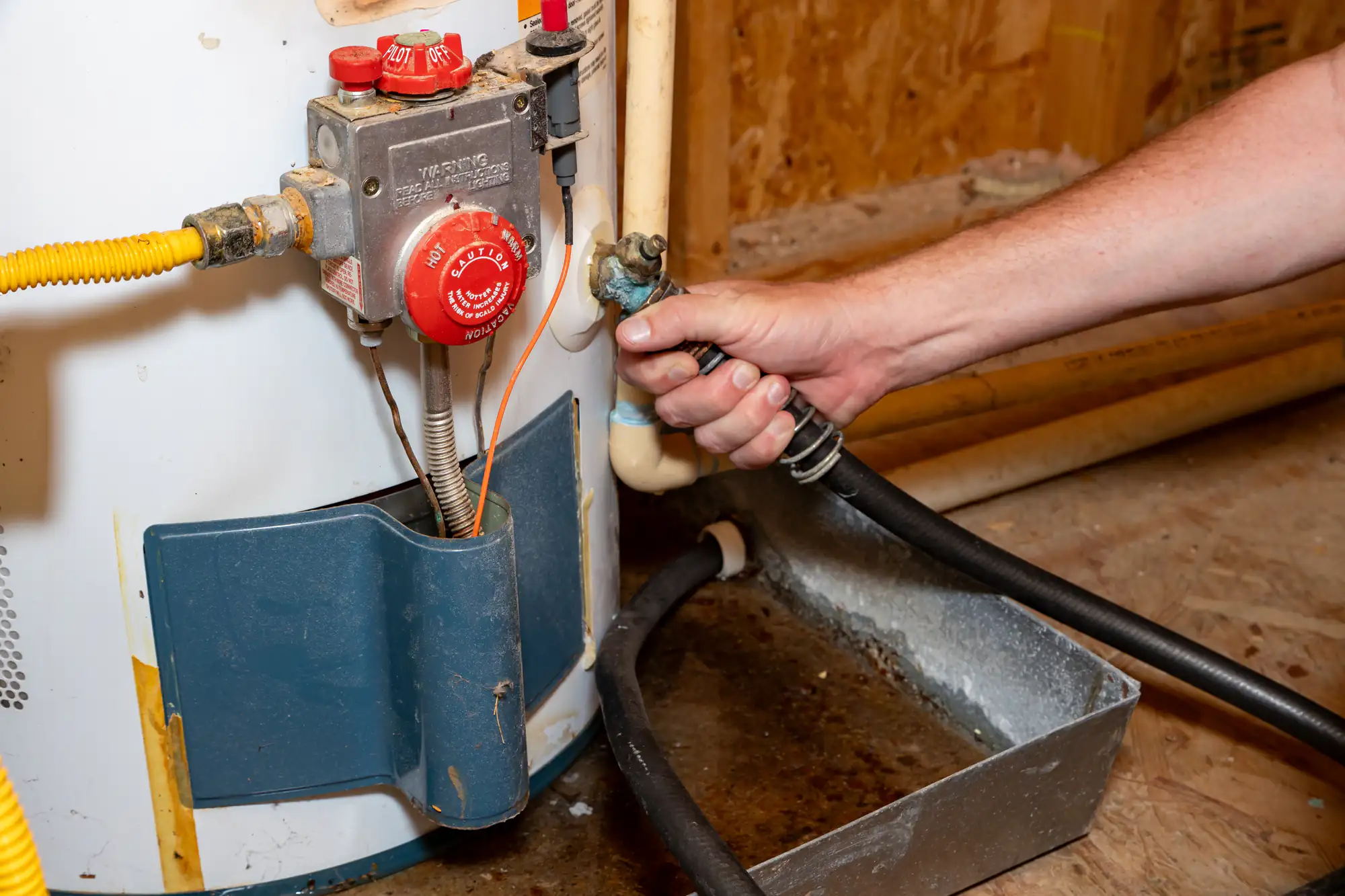
The visit starts with a full visual inspection of the boiler, its piping, and all connections looking for corrosion, leaks, and anything that’s showing early wear. In a Peconic home with an older system and years of coastal air exposure, that inspection step alone often surfaces things that would have gone unnoticed until they became a problem.
From there, the heat exchanger, burners, and ignition system get cleaned removing the soot and debris that build up over a heating season and drag down efficiency. A combustion analysis follows, which measures the air-to-fuel ratio and adjusts it for optimal performance. Then the flue gets inspected and cleaned: clearing blockages, checking the liner for cracks or deterioration, and making sure combustion gases have a clear, safe path out of the home. Safety controls pressure valves, thermostats, electrical connections, and shutoffs are all tested before the job is considered done.
The timing matters too. Late summer or early fall is the right window to schedule boiler cleaning in Peconic. The system isn’t in use, so the work can be done without disrupting heat, and any issues that turn up can be addressed before the heating season begins. For second-home owners who open their Peconic property in the fall for the harvest season, booking a cleaning in August or September means the boiler is ready when you are.

Ready to get started?
Most heating companies that serve the Peconic area oil delivery providers, general plumbing and heating contractors service the boiler as a standalone mechanical unit. They clean the burner, check the pressure, and call it done. What they don’t do is clean the chimney flue, inspect the liner, or clear the exhaust pathway from the burner all the way through to the chimney cap. That’s a separate, specialized service, and it’s exactly what we cover.
Oil boilers are the dominant heating system on the North Fork, and oil systems accumulate soot more aggressively than gas. In a Peconic home that’s been sitting vacant through part of the heating season, that buildup compounds. A 1mm layer of soot on the heat transfer surfaces is enough to reduce boiler efficiency by 3 to 4 percent which means higher fuel consumption every month the system runs dirty. Over a full heating season, that adds up.
The service we provide covers the complete system: burner and heat exchanger cleaning, combustion analysis and adjustment, flue inspection and cleaning, safety control testing, and a written assessment of anything that needs follow-up attention. All work in Peconic falls under Suffolk County jurisdiction, and we hold the county-specific license required to do this work legally and correctly. Every component installed meets UL listing standards. You get a full picture of your system’s condition not just a cleaned burner and a handshake.

Once a year is the standard recommendation, and for most Peconic homeowners, that’s the right answer but the reasoning matters. Annual boiler cleaning keeps combustion efficiency where it should be, removes soot before it compounds, and gives a professional the chance to catch early signs of corrosion or wear before they become failures. Most boiler manufacturers also require annual professional maintenance to keep the warranty valid, so skipping a year can cost you that coverage.
For Peconic specifically, the case for sticking to that annual schedule is stronger than in most inland communities. The salt air environment between Peconic Bay and Long Island Sound accelerates corrosion on metal components throughout the exhaust system. And if your Peconic property sits vacant for part of the year, a boiler that’s been idle for months without a recent inspection is a system you’re essentially trusting blindly when you turn it back on. Annual cleaning, ideally in late summer or early fall before the heating season, is the cleanest way to avoid that uncertainty.
Yes, and the distinction is important. When your oil delivery company services your boiler whether that’s Burt’s Reliable or any other provider on the North Fork they’re focused on the burner unit itself. They’ll clean the burner, check oil pressure, test ignition, and make sure the mechanical side of the system is running. That’s legitimate and useful work, but it stops at the boiler.
What they don’t do is clean the chimney flue, inspect the liner, or clear the exhaust pathway that runs from your boiler through the chimney system and out of the house. That pathway accumulates soot and debris independently of the burner, and in an older Peconic home with an aging liner, it’s also where salt-air corrosion tends to show up first. A blocked or deteriorating flue is a combustion safety issue, not just an efficiency problem. We cover the full system from burner through flue to chimney cap which is a different scope of work than what an oil company provides. Both services have their place; they’re just not the same service.
The most obvious sign is a heating bill that’s higher than it used to be without a clear explanation. Soot buildup on the heat exchanger reduces how efficiently the system transfers heat, which means the boiler burns more fuel to produce the same output. That shows up in your oil consumption before it shows up anywhere else.
Beyond that, watch for unusual smells when the boiler runs a sooty or smoky odor can indicate that combustion gases aren’t venting cleanly through the flue. Soot marks around the boiler or at the base of the flue connector are another indicator. In older Peconic homes, where chimney liners may be original to the structure and have been exposed to decades of coastal conditions, a cracked or deteriorating liner can cause venting problems that aren’t obvious until they’re serious. If your system is making new noises, cycling more frequently than usual, or struggling to maintain temperature, those are all reasons to schedule an inspection rather than wait for the next annual service date.
For a standard annual boiler cleaning and inspection, no permit is typically required. The work involves cleaning, adjusting, and inspecting existing equipment not installing new systems or making structural changes to the chimney. That said, if the inspection reveals that repairs are needed a liner replacement, for example, or flashing work those repairs may require permits under Town of Southold and Suffolk County building codes depending on the scope.
The more important credential question isn’t about permits for the cleaning itself it’s about whether the company doing the work is properly licensed for Suffolk County. New York requires county-specific licensing for chimney contractors, and Suffolk County has its own requirements separate from Nassau County or Queens. We hold the Suffolk County license that covers work in Peconic, along with full liability insurance and workers’ compensation. If you’re ever arranging service for a property when you won’t be present, asking to see a Certificate of Insurance is a reasonable and standard request any legitimate contractor will have one ready.
It’s actually more important for a seasonal property than for a year-round residence, not less. A boiler that sits idle for months through winter, spring, and into summer isn’t being monitored. Nobody notices if something has corroded, if a nest has blocked the flue, or if the system has developed a problem that would be obvious if someone were running it daily. When a seasonal Peconic homeowner arrives in the fall and turns the heat on for the first time, they’re finding out the hard way what a summer of inattention produced.
Annual boiler cleaning scheduled before the heating season late August or September works well means the system gets a professional set of eyes before you need it. Any issues that surfaced over the off-season get caught and addressed while there’s still time to fix them without urgency. Given that Peconic is 90 to 100 miles from New York City and accessible via Route 25, an emergency boiler failure on a cold October weekend isn’t a minor inconvenience. It’s a ruined trip and a repair call under pressure. The annual cleaning is the version of this story where that doesn’t happen.
We offer 24/7 emergency service, and that’s not a line on a website it’s documented in real customer reviews describing our technicians arriving within hours during sub-freezing temperatures when a homeowner had no heat. For a community at the far eastern end of Long Island’s North Fork, where Route 25 is the only road in and the nearest service competitors may not have emergency availability, that responsiveness carries real weight.
If your boiler fails in Peconic on a January night whether you’re a year-round resident or a second-home owner who drove out from the city the list of companies that will actually show up is short. We have the coverage and the track record to be on that list. The better outcome, of course, is that annual boiler cleaning catches the problems before they become emergencies. But knowing that emergency service is genuinely available if something goes wrong anyway is part of what makes a service provider worth trusting with a property this far out on the North Fork.
Other Services we provide in Peconic