

Plainview was built in a different era. The split-levels, hi-ranches, and colonials that fill neighborhoods like Plainview West and Plainview Northwest went up mostly in the 1950s and early 1960s and a significant number of them are still running the oil-fired boiler systems that came with that era, or first-generation replacements that are themselves 30 to 40 years old.
When a boiler like that hasn’t been professionally cleaned in a while, it isn’t just running less efficiently. It’s working harder than it needs to, burning more fuel than it should, and exhausting through a flue that may not have been inspected in years.
A 1mm layer of soot on your boiler’s heat transfer surfaces can reduce efficiency by 3 to 4 percent and push flue gas temperatures up by 20 to 25 degrees Celsius. For a Plainview household burning 800 to 1,200 gallons of heating oil per season at Long Island’s premium fuel prices that inefficiency adds up fast. A thorough annual cleaning restores that lost efficiency and can pay for itself within the same heating season in reduced fuel costs alone.
There’s also the safety side, which matters more than most people realize. Plainview sits inland, without the ocean buffer that softens temperatures along the South Shore. January lows here reach around 26 degrees Fahrenheit. When a boiler fails in that kind of cold, it isn’t an inconvenience it’s a genuine emergency. Annual professional cleaning is the single most effective way to keep that from happening, and it’s also the mechanism by which a trained technician catches small problems before they become expensive ones.
We’re based in Levittown, about 10 to 15 miles from Plainview via Old Country Road. That proximity isn’t just a convenience it means the technicians who show up at your door have spent years working on the same type of housing stock that defines this part of Nassau County. Older homes, oil-fired systems, aging chimney flues. We’ve seen it before, and we know what to look for.
For six consecutive years, Ageless Chimney has earned award-level recognition from both Angie’s List and the Better Business Bureau. That kind of sustained track record reflects something real: customers who book once tend to come back, and they tend to tell their neighbors. Our crew shows up on time, does the work thoroughly, and leaves your home exactly as we found it no soot on the floor, no mess in the basement, no reason to follow up.
We hold Nassau County licensing, which is the specific county-level credential that covers work performed in Plainview. Every job is backed by liability insurance and workers’ compensation, and all materials we install meet UL safety standards.
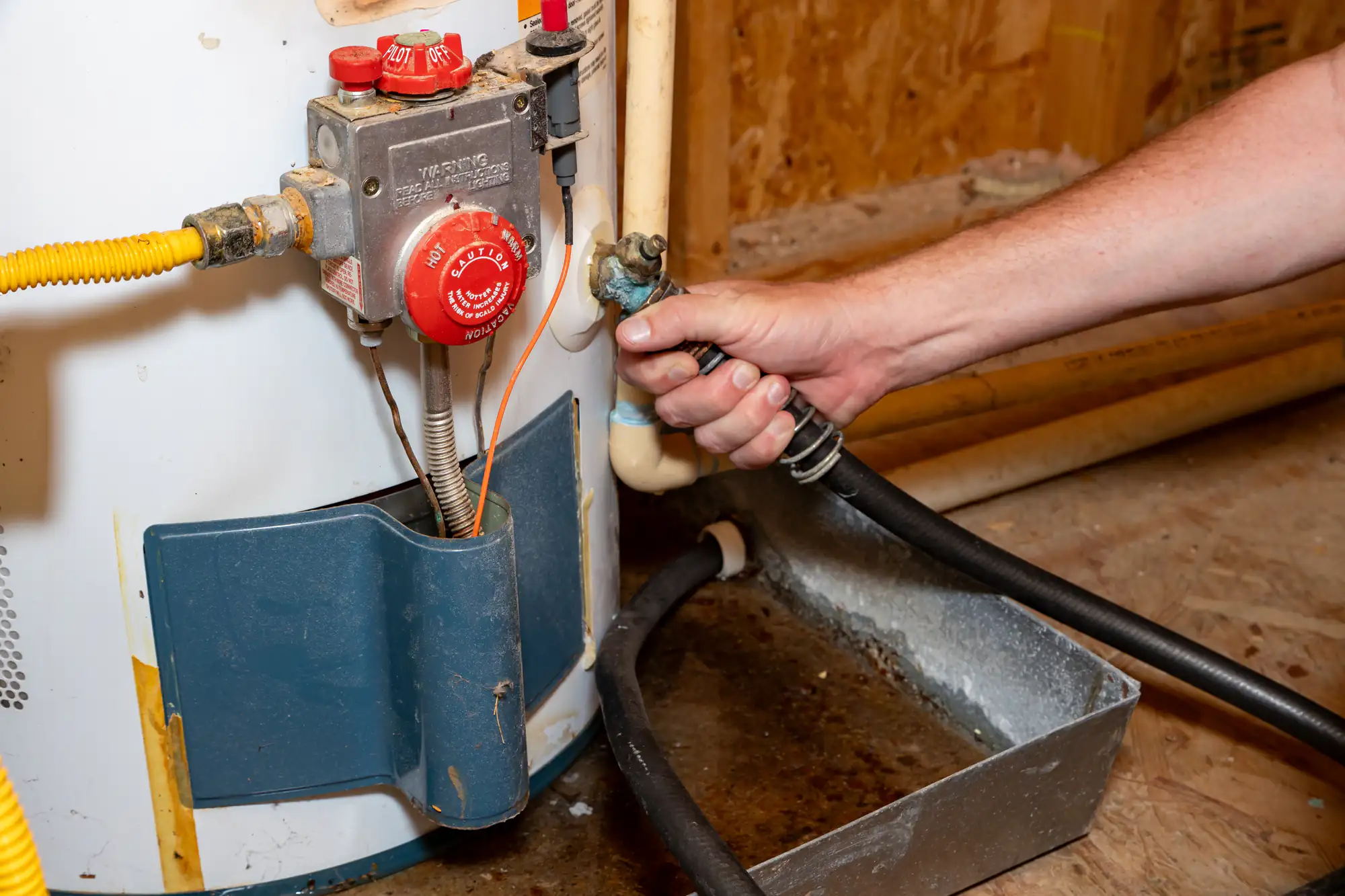
When one of our technicians arrives at your Plainview home, the first thing we do is look at the full picture not just the boiler unit, but the entire exhaust pathway connected to it. In a home built in the 1950s or 1960s, that means paying close attention to the flue liner, the chimney connection, and any components that may have been original to the construction or replaced decades ago. This is where most HVAC-only companies stop short. They clean the burner and call it done. We don’t.
The cleaning itself covers the heat exchanger, burners, and ignition system removing the soot and combustion debris that builds up over a heating season and slows the whole system down. From there, a combustion analysis checks whether the air-to-fuel ratio is dialed in correctly, because even a clean boiler running on a poor mixture wastes fuel and produces more exhaust than it should.
We inspect the flue for blockages, cracks, and proper venting, and test all safety controls before we leave. Timing matters here. Fall is the busiest scheduling window in Plainview because everyone wants their boiler ready before the cold hits. If you can get ahead of that and schedule in late summer, you’ll have more flexibility and any issues we find can be addressed without the pressure of a working heating system.
That said, if something goes wrong mid-winter, we offer 24/7 emergency service so you’re not left searching for someone new at 10 p.m. when it’s 26 degrees outside.

Ready to get started?
What sets boiler cleaning from Ageless Chimney apart from a standard HVAC tune-up is scope. Most companies in the Plainview area whether it’s a local HVAC outfit or a regional home services brand focus on the mechanical boiler unit and stop there. They don’t have the training or the equipment to address the chimney flue, the liner, or the exhaust pathway above the boiler connection. We do, and that distinction matters enormously in a community where many homes are running systems that are decades old.
A full boiler cleaning service from us covers the heat exchanger, burners, and ignition components; a combustion analysis to verify the air-to-fuel ratio; flue inspection and cleaning from the boiler connection through the chimney; safety control testing including pressure valves, seals, thermostats, and shutoffs; and a written assessment of anything that needs attention. Every component we install during the service liners, caps, crowns is UL listed and up to code.
This is also relevant for Plainview homeowners who have converted from oil to gas in recent years. Gas appliances vent at lower temperatures than oil systems, which can cause condensation and moisture damage in a flue that wasn’t properly relined at the time of conversion. If you made that switch and haven’t had the chimney side of the system inspected since, that’s worth addressing. We handle both oil and gas boiler systems and have the chimney expertise to assess whether your flue is set up correctly for whatever system is running today.

Once a year is the standard recommendation, and for good reason. Over the course of a heating season, soot and combustion debris accumulate on the boiler’s heat transfer surfaces and inside the flue. That buildup reduces efficiency, increases fuel consumption, and can create safety risks if it’s left unchecked for multiple seasons.
For Plainview specifically, the case for annual cleaning is even more straightforward. The majority of homes here were built in the 1950s and 1960s, and many are still running oil-fired systems that produce more combustion byproduct than gas. Annual cleaning keeps those systems running efficiently and gives our technicians the chance to spot corrosion, liner deterioration, or other issues that are common in older systems before they turn into something more serious. Most boiler manufacturers also require annual professional maintenance to keep the warranty valid skipping a year can void that coverage entirely.
This is one of the most common points of confusion for Nassau County homeowners, and it’s worth clearing up directly. When your oil delivery company sends a technician to service your burner, they’re focused on the mechanical unit the burner head, the nozzle, the igniter, and the fuel delivery components. That’s their area of expertise, and it’s legitimate work.
What they don’t do is clean and inspect the chimney flue, the liner, or the exhaust pathway above the boiler connection. That’s a separate, specialized service that requires chimney expertise and different equipment. In a Plainview home with a 60-year-old chimney system, the flue is often the part of the heating system that’s been most neglected and it’s the part most likely to have soot accumulation, liner cracks, or blockages that affect both efficiency and safety. A complete boiler cleaning from us covers the full system, not just the mechanical unit your oil company services.
Yes, and it’s one of the more serious risks associated with deferred boiler maintenance. Carbon monoxide is produced during combustion, and under normal conditions it’s vented safely out through the flue and chimney. When the flue is blocked, cracked, or heavily coated with soot, that exhaust can back up into the living space instead of exiting the home.
In older Plainview homes particularly those with original or aging chimney liners the risk is higher than most homeowners realize. A liner that was adequate for an oil boiler 40 years ago may have deteriorated to the point where it no longer contains exhaust gases reliably. A blocked flue from a bird nest, debris accumulation, or soot buildup creates the same problem. Annual cleaning and inspection addresses both: it removes the buildup and gives our technicians the opportunity to identify liner damage or blockages before they become a carbon monoxide hazard.
Both types need annual professional cleaning, but there are some differences worth knowing. Oil-fired boilers produce significantly more soot than gas systems, which means the heat exchanger and flue accumulate combustion deposits faster. For Plainview homeowners still running oil and given the community’s 1950s and 1960s housing stock, that’s a large portion of the neighborhood annual cleaning is especially important because the buildup happens more quickly and the consequences of skipping it are more immediate.
Gas boilers burn cleaner, but they’re not maintenance-free. They still accumulate debris, and the flue still needs to be inspected for blockages and deterioration. There’s also a specific issue for Plainview homeowners who converted from oil to gas: gas appliances vent at lower temperatures, which can cause condensation and moisture damage in a flue that was sized and lined for an oil system. If the flue wasn’t relined at the time of conversion, that’s a problem worth having assessed. We work with both oil and gas systems and can evaluate the full exhaust pathway regardless of what’s running today.
A few things can signal that your boiler needs attention outside of the regular annual window. If your heating bills have gone up noticeably without a corresponding change in fuel prices or usage patterns, reduced boiler efficiency from soot buildup is a likely contributor. A boiler that’s running longer cycles to reach the same temperature, or one that’s cycling on and off more frequently than usual, is another indicator that something is off.
Visible soot around the boiler or near the flue connection, a persistent burning smell when the system runs, or unusual sounds during operation are all worth having looked at. In Plainview’s older housing stock, where boiler systems and chimney flues may not have been updated in decades, these symptoms tend to appear more gradually which is part of why annual inspection matters. A trained technician can catch the early signs of a problem before they become visible or audible, rather than waiting until something fails on a January night when temperatures drop to 26 degrees.
Yes. Plainview is a hamlet within the Town of Oyster Bay in Nassau County, and contractor licensing for chimney and boiler work in this area is governed at the county level not by a single statewide license. We hold Nassau County licensing, which is the specific credential required for work performed in Plainview and the surrounding communities.
This distinction matters more than most homeowners realize. A company that’s licensed in Suffolk County but not Nassau County isn’t properly authorized to perform work in Plainview. Beyond licensing, Ageless Chimney carries both liability insurance and workers’ compensation coverage, which protects you as the homeowner in the event of any accident or property damage during the job. Before booking any contractor for chimney or boiler work in Nassau County, it’s worth asking for a certificate of insurance not just verbal assurance and confirming that their licensing covers your specific county.
Other Services we provide in Plainview