

When your boiler is running clean, you feel it in ways that are hard to ignore. Heat comes up faster, fuel burns more efficiently, and you stop holding your breath every time the system kicks on in January. For a home on the Ponquogue peninsula, that peace of mind is worth more than it sounds.
Here’s something most homeowners don’t think about: a layer of soot just 1mm thick on your boiler’s heat transfer surfaces can drop efficiency by 3 to 4 percent and push flue gas temperatures up by 20 to 25 degrees. That’s not a small number. On Long Island, where oil prices are already high, that inefficiency shows up in your fuel bill every single month you let it slide.
For Ponquogue specifically, the stakes are a little higher than they are for inland communities. The salt air off Shinnecock Bay and the Atlantic doesn’t just affect your deck furniture and your car it works on every metal component in your boiler’s exhaust pathway too. Caps corrode. Flue liners degrade. Joints that were sealed tight start to gap. Annual boiler cleaning catches all of that before it becomes a carbon monoxide problem or a full system failure. If your home sits on or near Dune Road and it’s been more than a year since anyone looked at your boiler, that’s the gap worth closing.
We’ve been serving Suffolk County homeowners including those in Hampton Bays and the Ponquogue area with boiler cleaning, chimney cleaning, flue inspection, and repair work for years. We hold an “A” rating with the BBB and have won Angie’s List awards six consecutive years running. That’s not a one-time snapshot. That’s a track record built one job at a time.
What sets us apart in a market full of options isn’t a slogan it’s the way the work gets done. Our technicians carry Suffolk County-specific licensing, all installed materials are UL listed, and we back everything with both liability insurance and workers’ compensation. When you let someone into your home to work on your heating system, those details matter.
One thing that comes up in reviews consistently: our technicians will tell you when you don’t need something. That’s rarer than it should be in this industry, and for Ponquogue homeowners who’ve dealt with contractors who see a Hamptons zip code and add zeros, it’s exactly the kind of honesty that keeps people coming back.
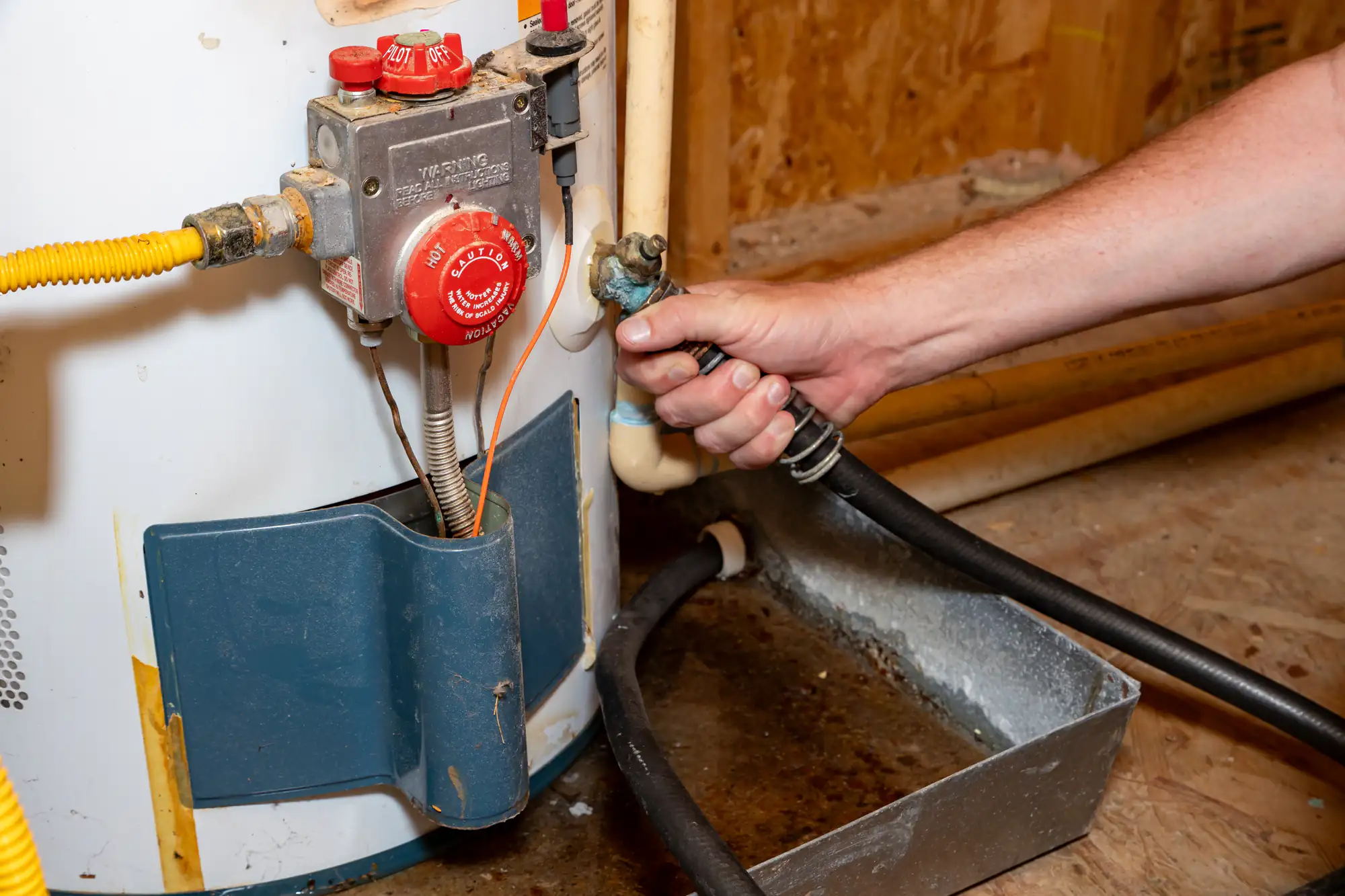
The visit starts with a full visual inspection the boiler itself, the piping, the connections, and any visible signs of corrosion or wear. For homes in Ponquogue, that inspection includes a close look at components that take the most abuse from the coastal environment: the chimney cap, the flue liner, and the flashing around the exhaust exit point. Salt air accelerates corrosion in ways that aren’t always obvious from the outside, so this step isn’t a formality.
From there, the heat exchanger and burners get cleaned removing the soot and combustion deposits that build up over a season of use and drag down efficiency. A combustion analysis follows, which measures and adjusts the air-to-fuel ratio so the system is burning cleanly rather than just burning. The flue gets inspected for blockages, cracks, and proper venting, and the safety controls pressure valves, thermostats, and shutoffs all get tested.
If your Ponquogue home has been vacant over the winter or between rental seasons, the inspection also covers the flue for animal nesting. Birds and squirrels find their way into chimney flues during periods of inactivity, and restarting a boiler with a blocked exhaust is a serious hazard. The whole process typically takes one to two hours for a residential system, and we leave the space as clean as we found it something our customers mention in reviews often enough that it’s clearly not an accident.

Ready to get started?
Most HVAC companies who offer boiler service in the Hampton Bays and Ponquogue area treat the boiler as a standalone mechanical unit. They clean the burner, check the pressure, and call it done. We cover the entire exhaust system from the boiler itself through the flue liner and up to the chimney cap. That distinction matters enormously for homes in a coastal environment where the chimney side of the system takes as much punishment as the mechanical side.
Our service includes heat exchanger and burner cleaning, combustion analysis and adjustment, flue inspection and cleaning, safety control testing, and a written assessment of anything that needs attention. All materials used in any repair or replacement work are UL listed and meet current code requirements. We hold Suffolk County licensing the specific credential required for chimney and boiler work in the Town of Southampton, which covers Ponquogue.
For property owners who rent their homes through the summer and close up for the off-season, the pre-season inspection is especially important. A boiler that sat dormant through a Long Island winter on a barrier beach peninsula exposed to storms, salt air, and temperature swings off the Atlantic should be inspected and cleaned before it’s put back into regular use. That’s not overcaution. It’s the responsible step between closing the house in September and reopening it in May.

Salt air is one of the most aggressive environmental factors a boiler and chimney system can face, and Ponquogue’s location between Shinnecock Bay and the Atlantic Ocean puts homes here in a particularly demanding position. The salt-laden moisture that moves through the air doesn’t stop at your siding it works its way into every metal component of your exhaust system over time. Chimney caps corrode faster. Flue liner joints can degrade and gap. Flashing around the chimney exit point breaks down more quickly than it would in an inland community.
What this means practically is that the inspection component of your annual boiler cleaning becomes even more important in Ponquogue than it would be for a home in, say, Hauppauge or Deer Park. A technician who understands coastal conditions will look specifically for early-stage corrosion and degradation that hasn’t yet caused a visible problem because in a salt-air environment, small issues compound quickly. Catching a corroded cap or a gapped liner joint during a routine cleaning visit is a minor repair. Finding it after combustion gases have been venting incorrectly is a much more serious situation.
Yes, and it’s one of the more commonly overlooked risks for seasonal property owners on the Ponquogue peninsula. When a boiler sits dormant for an extended period especially in a home that isn’t regularly occupied the chimney flue becomes an open invitation for birds and small animals looking for a sheltered nesting spot. Squirrels, starlings, and other wildlife can build nests inside a flue during a winter vacancy without anyone knowing. When the boiler is restarted in spring, a blocked or partially blocked exhaust pathway is a real carbon monoxide hazard.
Beyond nesting, a vacant Ponquogue home that’s been through a Long Island winter has faced storms, temperature swings, and sustained salt-air exposure without anyone around to notice if something changed. A chimney cap that got damaged in a Nor’easter, flashing that shifted, or moisture that worked its way into the flue system these are all things that a pre-season inspection and cleaning will catch before they become dangerous. If you’re opening your Ponquogue property for the season or preparing it for summer rental, scheduling a boiler cleaning and inspection before the system goes back into regular use is the right call.
A proper boiler cleaning covers the full system not just the mechanical unit. The visit starts with a visual inspection of the boiler, piping, and connections, followed by cleaning of the heat exchanger and burners to remove soot and combustion deposits that reduce efficiency. A combustion analysis is performed to measure and adjust the air-to-fuel ratio, which directly affects how cleanly and efficiently the system burns fuel. The flue gets inspected for blockages, cracks, and correct venting, and all safety controls pressure valves, thermostats, and shutoffs are tested.
For homes in Ponquogue and the broader Hampton Bays area, the inspection also includes a close look at the chimney cap, flue liner, and flashing for signs of corrosion or storm damage components that take more wear in a coastal environment than they would inland. If there’s evidence of animal nesting in the flue, that gets addressed as part of the visit. The whole process typically runs one to two hours for a standard residential system, and you receive a written summary of the technician’s findings and any recommended follow-up work.
The standard recommendation across the industry is once a year, and that applies whether you have a gas boiler or an oil boiler. But for a home in Ponquogue’s environment on a barrier beach peninsula with salt air, storm exposure, and potential seasonal vacancy annual cleaning isn’t just a best practice, it’s genuinely necessary maintenance. The conditions that accelerate wear on your chimney cap and flue liner are the same conditions that make it important to have a trained eye on the system every year rather than every other year.
It’s also worth knowing that most boiler manufacturers require annual professional maintenance as a condition of keeping the warranty valid. Skipping a year doesn’t just mean a slightly dirtier system it can mean voiding the warranty coverage on a piece of equipment that costs $5,500 to $15,000 to replace on Long Island. If your oil delivery company has flagged a chimney or boiler issue during a delivery, that’s a separate service from what they provide they service the burner unit, not the chimney flue or exhaust system. That’s where we come in.
Some signs are obvious and some aren’t. On the obvious end: your heating bills went up noticeably last season without a clear reason, the system is taking longer than usual to bring the house up to temperature, or you’re hearing new sounds from the boiler that weren’t there before. These can all point to soot and combustion deposit buildup reducing the system’s efficiency and performance.
Less obvious signs include visible soot around the boiler or flue connections, a faint smell of combustion gases when the system is running, or a pilot light or burner flame that’s a different color than it should be. For Ponquogue homeowners specifically, any visible rust or corrosion on the chimney cap or around the flue exit point is worth taking seriously in a salt-air environment, surface corrosion on the outside often means the degradation process has already started on the inside. If your home has been closed for several months, the absence of any obvious symptoms doesn’t mean the system is clean. A dormant boiler on a coastal property should be inspected before it’s restarted, regardless of how it looks from the outside.
Yes. We serve the Ponquogue area as part of our Suffolk County service territory, which covers the Town of Southampton and the broader Hampton Bays community. We already have an established presence in Hampton Bays and are familiar with the specific conditions that affect homes in this part of the East End the coastal exposure, the seasonal vacancy patterns, the older housing stock mixed with newer Dune Road construction, and the oil heat systems that are common throughout the area.
Suffolk County licensing is required for chimney and boiler work in this jurisdiction, and we hold that credential specifically not just a general contractor license. If you’re a year-round Ponquogue resident, a seasonal property owner, or a landlord preparing a rental for summer occupancy, our service area and expertise both apply to your situation. Scheduling is straightforward, and for homeowners dealing with a boiler that’s stopped working in the middle of a cold stretch, we offer 24/7 emergency service including same-day response when it’s needed most.
Other Services we provide in Ponquogue