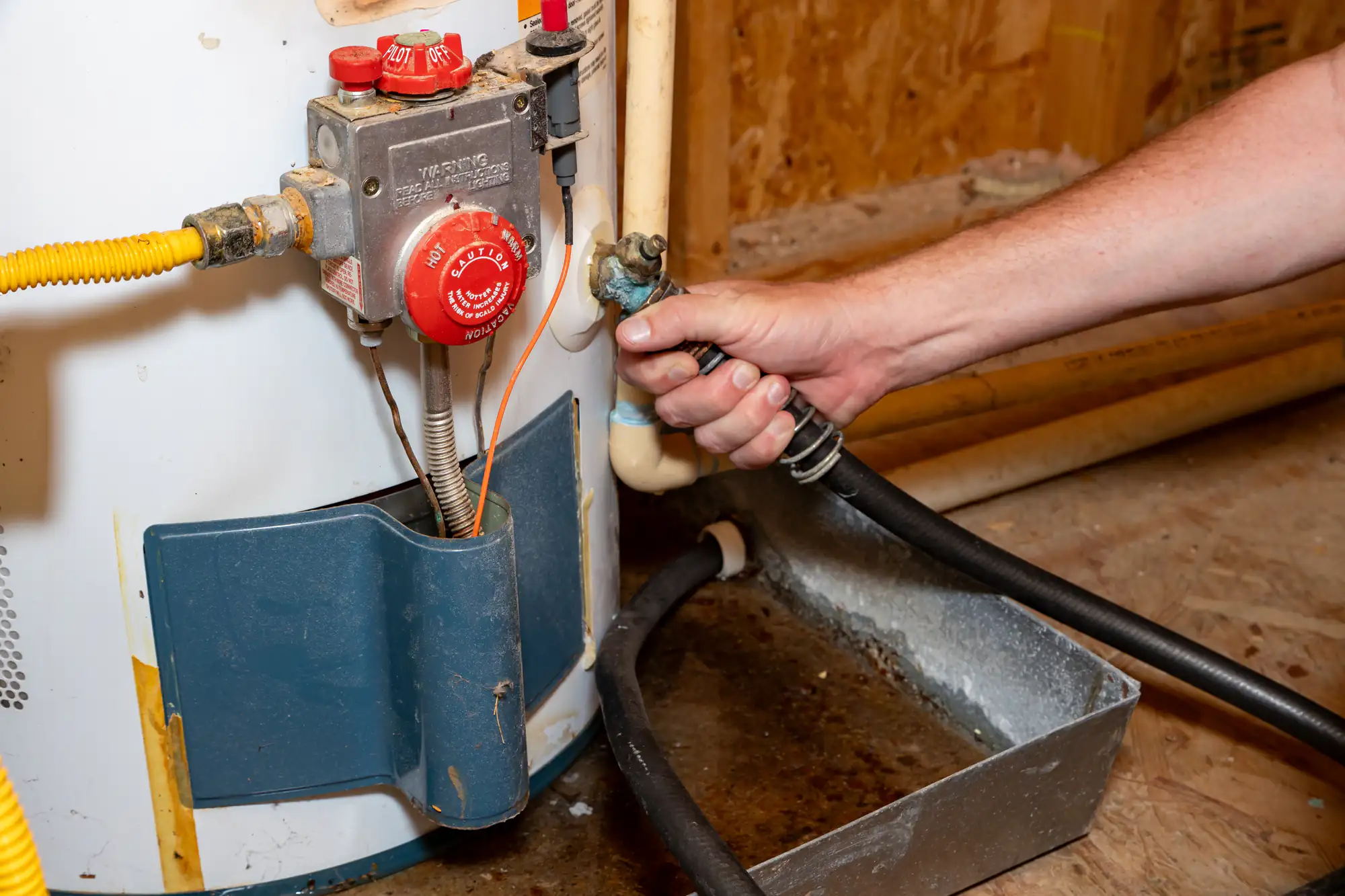


Most Rivers Edge homeowners call about the boiler. What they actually need is a professional who understands that the boiler and the chimney flue are one connected system and that cleaning only half of it leaves the other half working against you. When soot builds up in the exhaust pathway, your boiler works harder than it needs to, burns more fuel than it should, and pushes combustion gases through a system that may not be venting them cleanly. Getting both cleaned means your boiler runs the way it was designed to.
Here’s something specific to Rivers Edge. The area sits on the Mastic Neck Peninsula, surrounded by the Forge River and Moriches Bay. That waterfront exposure brings moisture and salt air into your home’s exhaust system year-round. When that moisture mixes with soot deposits inside the flue, it creates acidic compounds that eat through liner materials faster than most homeowners realize. Annual boiler flue cleaning removes those deposits before they cause structural damage and in a coastal community like Rivers Edge, that’s not optional maintenance. It’s the difference between a flue that lasts and one that quietly deteriorates.
On top of that, the majority of homes in Rivers Edge and the surrounding Mastic area were built in the 1960s. Even if your boiler unit has been replaced, the chimney liner and exhaust pathway may still be original construction meaning decades of buildup that no oil company tune-up has ever touched. A full professional cleaning addresses the whole picture, not just the part that’s easy to reach.
We’ve earned both Angie’s List and BBB awards for six consecutive years. That’s not a one-time rating it’s a track record you can look up and verify before you ever pick up the phone. For a Rivers Edge homeowner who found us through online reviews rather than a personal referral, that sustained recognition matters more than any marketing claim.
We’re fully licensed for Suffolk County, which is exactly the licensing that applies to work done in Rivers Edge and the surrounding Mastic area. We carry liability insurance and workers’ compensation, and every material we use in an installation is UL listed and up to code. When you’re dealing with a 1960s-era home on the South Shore, you want a company that knows what it’s looking at not one that shows up with a checklist and leaves before the hard questions get answered.
Our team has documented same-day service capability, including emergency calls on nights when temperatures dropped to around 30°F. For homeowners along the Forge River corridor, that kind of availability isn’t a nice-to-have. It’s what you need when the heat goes out in January and the wind off Moriches Bay isn’t letting up.

When we come out to your Rivers Edge home, the visit starts with a full visual inspection not just the boiler unit, but the entire exhaust pathway from the heat exchanger through the flue liner to the chimney top. In a community where homes were largely built in the 1960s, that inspection often turns up things that have been overlooked for years: cracked liner sections, soot accumulation that’s reduced the flue opening, or moisture damage from the coastal environment that’s started to compromise the exhaust system.
From there, we clean the heat exchanger, burners, and ignition components removing the soot and debris that reduce heat transfer efficiency. A combustion analysis follows, which checks the air-to-fuel ratio and makes sure the boiler is burning cleanly. This step matters more than most homeowners realize: a boiler that’s running with the wrong combustion mix isn’t just inefficient, it’s producing more carbon monoxide than it should.
The flue itself gets cleaned of soot, creosote, and any blockages including nests or debris that may have entered from the chimney top. We test safety controls, verify pressure levels, and if anything needs attention, you’ll get a straight explanation of what it is and what it would take to fix it. The whole visit typically takes around one to two hours for a standard residential system. When we leave, your home will look exactly as it did when we arrived cleanup is part of the job, not an afterthought.

Ready to get started?
We handle both oil and gas boiler cleaning for residential and commercial properties throughout Rivers Edge and the broader Mastic-Shirley area in Suffolk County. Oil boilers are the dominant heating system in this part of the South Shore, and they produce significantly more soot per combustion cycle than gas systems. For a home that’s been running oil heat since the 1960s, the buildup inside the flue can be substantial and the consequences of leaving it unaddressed go beyond efficiency. Blocked or partially blocked flues are a real carbon monoxide risk, and New York State’s requirement for CO detectors in all residences exists for exactly this reason.
Our service covers the full system: burner and heat exchanger cleaning, combustion analysis, flue and chimney cleaning, safety control testing, and a written assessment of anything that needs follow-up attention. If liner repair or replacement is needed which is not uncommon in older Rivers Edge homes we install stainless steel liner systems using UL-listed materials that meet current code requirements for Suffolk County and the Town of Brookhaven.
One thing worth knowing: most boiler manufacturers require annual professional maintenance to keep the warranty valid. Skipping a year doesn’t just mean a dirtier system it can mean voided coverage at exactly the moment you need it most. Scheduling before the fall rush fills the calendar is the move that keeps your options open and your system ready before the first cold snap comes off the bay.
For most Rivers Edge homes, once a year is the right interval and the reasoning goes beyond just keeping things clean. Annual boiler cleaning is what most manufacturers require to keep warranty coverage in place. Skip a year and you may find that a repair you thought was covered isn’t, because the maintenance record doesn’t show consistent professional service.
The case for annual cleaning is even stronger in Rivers Edge specifically. The coastal environment along the Mastic Neck Peninsula with moisture from the Forge River and Moriches Bay cycling through the air year-round accelerates soot buildup and corrosion inside flue systems in ways that don’t affect inland communities on Long Island. What might be a two-year maintenance window elsewhere can become a one-year necessity in Rivers Edge. If your home was built in the 1960s and the flue has never been fully inspected, the first visit may reveal more than routine buildup and catching that early is far less expensive than dealing with it after something fails.
It’s a fair assumption, but the short answer is no. Your oil company’s annual tune-up covers the burner unit the mechanical components that ignite and regulate the fuel. That’s valuable, but it’s only one part of the system. The chimney flue, the liner, and the exhaust pathway that carry combustion gases out of your home are a separate set of components that require a different kind of expertise to inspect and clean properly.
Chimney flue cleaning is a specialized service. It requires knowledge of liner materials, draft dynamics, and the specific failure patterns that develop in older exhaust systems especially in homes throughout Rivers Edge and the Mastic area, where 1960s construction means the flue may be original to the house. An oil company technician isn’t trained or equipped for that work. If your oil delivery company has ever told you there’s a problem with your chimney or flue and referred you elsewhere, this is exactly why. The boiler and the flue are connected, but they’re not the same job.
A few things tend to show up before a flue becomes a real problem. If your heating bills have gone up without a change in how you’re using the heat, reduced flue efficiency is one likely cause soot buildup on heat transfer surfaces forces the boiler to burn more fuel to produce the same output. A 1mm layer of soot can reduce boiler efficiency by 3 to 4 percent, which adds up fast on Long Island where heating oil prices are among the highest in the country.
Other signs include unusual odors when the boiler is running, visible soot or staining around the boiler or flue connections, or a boiler that cycles on and off more frequently than it used to. If you’ve noticed any of those, it’s worth getting a professional inspection rather than waiting for the scheduled annual visit. In a Rivers Edge home where oil heat is the primary system and the winters bring real cold off the water, a compromised flue isn’t a minor inconvenience it’s a safety issue that warrants a prompt look.
Routine annual boiler cleaning and inspection does not typically require a building permit in Rivers Edge or under Town of Brookhaven codes. You schedule the service, we come out, and the work gets done without any permitting process involved on your end.
Where permits do come into play is when the scope of work goes beyond cleaning specifically, if the inspection reveals that the flue liner needs to be repaired or replaced. Liner installation and significant structural chimney work require a Brookhaven building permit, and any contractor doing that work in Rivers Edge needs to carry the proper Suffolk County licensing to pull it. We hold that licensing, so if the cleaning visit turns up something that needs a permit and a follow-up repair, you’re already working with a company that can handle it without bringing in a second contractor. That’s a practical convenience that matters when you’re dealing with an older home and don’t want the project to drag out.
For a standard residential boiler system, plan on about one to two hours from start to finish. That covers the full inspection, burner and heat exchanger cleaning, combustion analysis, flue cleaning, and safety control testing. If we find something during the inspection that needs additional attention a cracked liner section, a blocked flue cap, a nest that’s been sitting in the chimney the visit may run a bit longer, but you’ll be told upfront what was found and what it involves before any additional work begins.
As for being home, yes someone should be there for the visit. We need access to the boiler and, depending on the home’s layout, may need to access the roof or chimney from outside as well. For homes in Rivers Edge and the Mastic area, where the housing stock tends toward single-family detached homes with accessible rooflines, this is usually straightforward. We’ll walk you through what we found before we leave, so you’re not getting a report in the mail a week later you’ll know exactly where things stand before we pull out of the driveway.
Price differences in this market usually come down to one of two things: scope of work or credentials. A lower quote often means a company is cleaning only the burner unit and calling it a boiler cleaning which leaves the flue, liner, and exhaust pathway untouched. That’s not a full boiler cleaning. It’s a partial service at a partial price, and it doesn’t address the parts of the system that are most affected by the coastal conditions in Rivers Edge.
Credentials also factor in. A CSIA-certified technician with Suffolk County licensing and verified insurance costs more to put in a truck than someone without those qualifications. The difference matters when the technician is inside your home, working on a system connected to your family’s air supply. We’ve come in considerably less than other Long Island chimney companies for comparable full-system work so the gap between a cut-rate partial service and a properly credentialed full-system cleaning isn’t always as wide as it looks on paper. What you want to compare is what’s actually included, not just the number at the bottom of the quote.
Other Services we provide in Rivers Edge