

A lot of Rocky Point homes were never originally built for year-round heating. The cottages that went up in the 1920s were seasonal no insulation, minimal chimneys, no boilers. Over the decades, heating systems were added, modified, and patched by whoever owned the house at the time. That history doesn’t disappear when you move in. It shows up in how your boiler performs, how efficiently it burns, and what’s quietly building up inside the flue right now.
When the boiler flue is clean and the exhaust pathway is clear from the burner all the way to the chimney top, your system runs the way it was designed to. You’re not burning extra oil to compensate for heat transfer surfaces coated in soot. You’re not wondering whether that blocked flue from last spring’s bird activity is still a problem. You’re not gambling on whether the liner inside an older chimney is still doing its job.
Rocky Point sits on the bluffs above Long Island Sound, and homes on the north side of Route 25A face real wind exposure off the water in winter. That means your boiler runs harder and longer than a comparable system in a sheltered inland town and a harder-working boiler accumulates combustion byproduct faster. Getting it cleaned annually isn’t just routine maintenance here. It’s a direct response to where you live.
We’ve been serving Long Island homeowners across Nassau County, Suffolk County, and Queens with boiler and chimney cleaning, inspection, and repair. We hold the specific Suffolk County licensing required to work legally in Rocky Point which falls under the Town of Brookhaven’s jurisdiction, not a local village government. That distinction matters when you’re verifying that a company is actually authorized to be in your home.
For six consecutive years, we’ve been recognized as an award winner with both Angie’s List and the BBB, maintaining an “A” rating throughout. That’s not a one-year snapshot. It reflects what customers consistently report: honest assessments, competitive pricing, meticulous cleanup, and technicians who show up when they say they will.
What sets us apart from the HVAC and plumbing companies that serve Rocky Point is scope. We don’t just service the mechanical boiler unit we clean and inspect the entire exhaust system, from the burner through the flue to the chimney top. In a hamlet where many homes have patchwork heating configurations assembled over decades, that full-system expertise is exactly what the job requires.
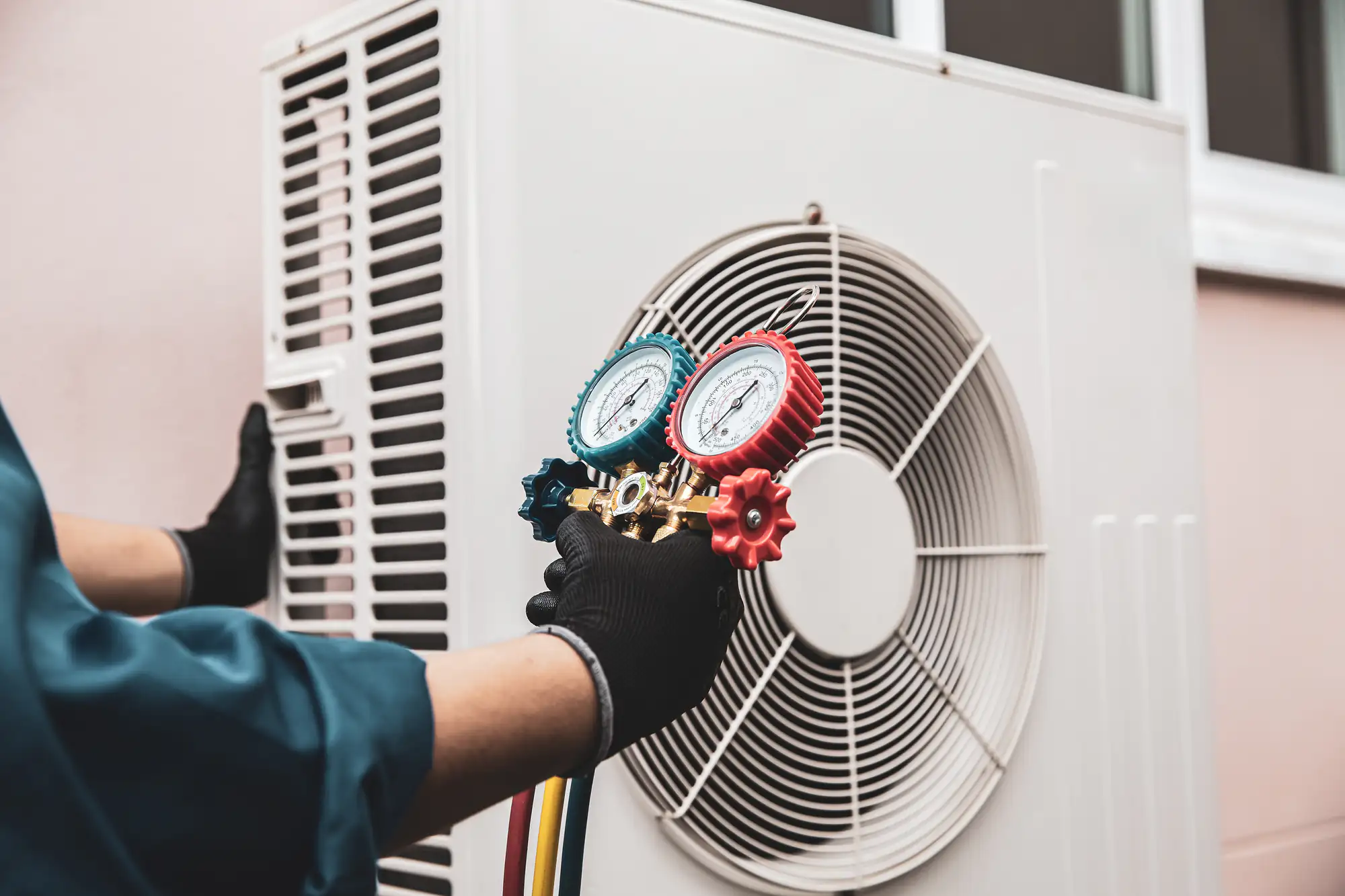
When one of our technicians arrives at your Rocky Point home, the first thing we do is a full visual assessment not just the boiler unit, but the entire exhaust pathway. In older homes, especially those converted from summer cottages, the connection between the boiler and the chimney flue can involve non-standard configurations, aging liners, or masonry that hasn’t been professionally reviewed in years. That context shapes how the job gets done.
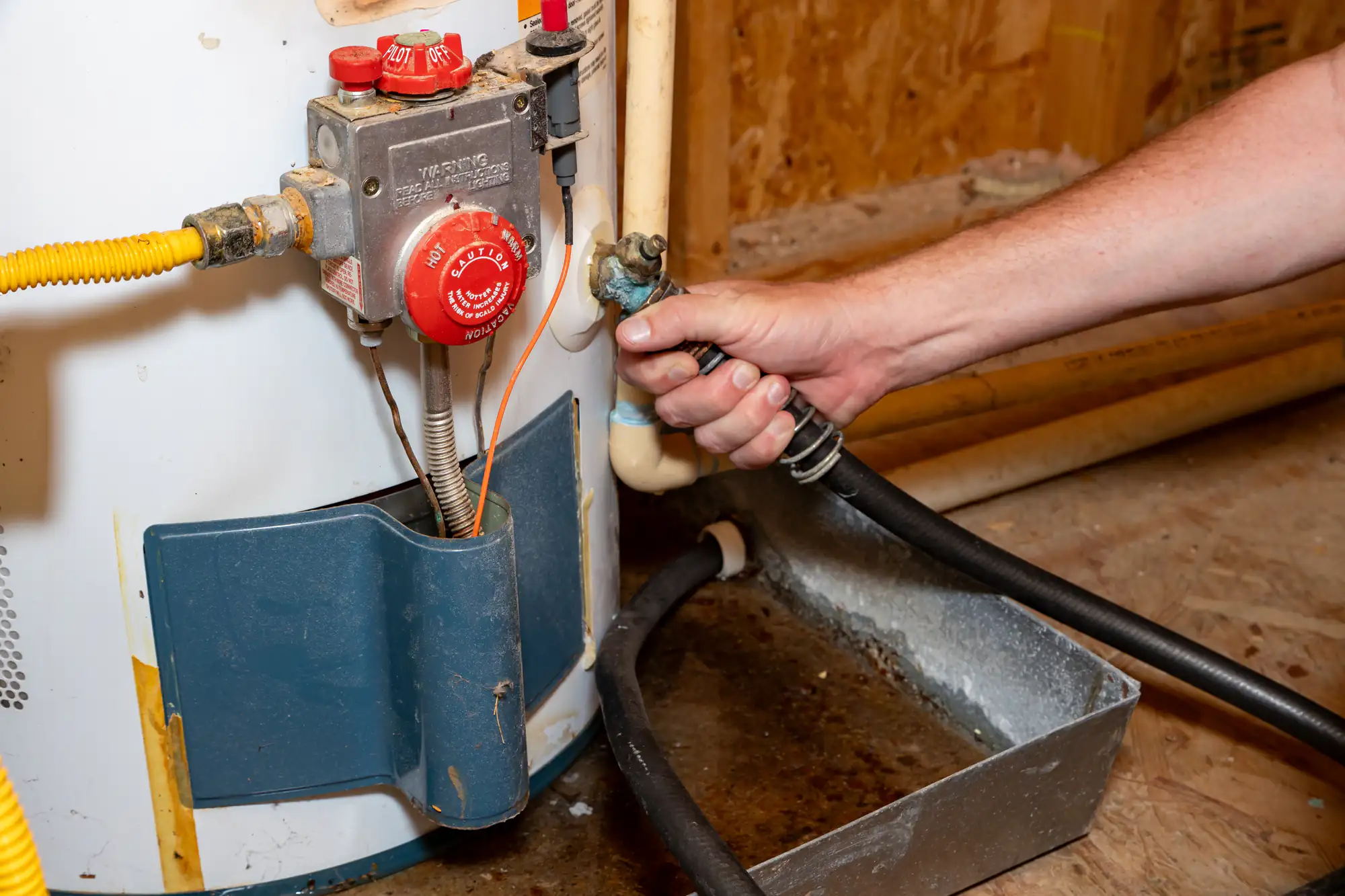
From there, we clean the heat exchanger, burners, and ignition system removing the soot and combustion residue that builds up on heat transfer surfaces and quietly chips away at your boiler’s efficiency. We run a combustion analysis to check the air-to-fuel ratio, inspect the flue for blockages or damage, and test the safety controls including pressure valves and seals. If there’s a nest or debris obstruction something that’s genuinely more common in Rocky Point given the Pine Barrens to the south and the wooded character of the neighborhood we address that too.
Most residential boiler cleanings take approximately one to two hours. Before any work begins, you’ll know what we found and what we recommend. If you don’t actually need a service, we’ll tell you that too. The job wraps up with the space left exactly as it was found no mess, no ambiguity, and a clear picture of where your system stands.
Ready to get started?
Boiler cleaning in Rocky Point means something more specific than it does in a newer-construction suburb. With a housing stock that skews heavily toward mid-century homes many of them originally summer cottages that were winterized over time the boiler and chimney configurations we encounter here are frequently older, more complex, and more in need of expert eyes than a standard HVAC tune-up would catch.
The service covers the full exhaust pathway: burner cleaning, heat exchanger cleaning, flue inspection, combustion analysis, safety control testing, and chimney flue cleaning from the boiler connection through to the chimney cap. All materials we use in any repair or installation work are UL listed and meet New York State code requirements relevant here because any significant chimney or liner work in Rocky Point falls under Town of Brookhaven permitting jurisdiction, and we work within those requirements.
For Rocky Point homeowners on heating oil which is one of the two primary fuels in this hamlet the soot accumulation issue is more pronounced than it is for gas systems. Oil combustion produces more byproduct per BTU, and a boiler running against the added heating load of a wind-exposed North Shore home accumulates that buildup faster. Annual boiler flue cleaning by a chimney specialist, not just an HVAC technician, is the appropriate level of service for this housing stock and this location. We also offer 24/7 emergency boiler cleaning and service for situations that can’t wait because a heating failure in Rocky Point in January is not a problem you want to troubleshoot over a voicemail.

For most Rocky Point homes, once a year is the right interval and ideally, you want to get it done before heating season starts, not after the first cold snap hits. We recommend scheduling in late summer or early fall, when the boiler has been sitting idle and there’s no disruption to your heat while the work gets done.
In Rocky Point specifically, the case for annual cleaning is stronger than it might be in a newer-construction area. Many homes here were originally summer cottages that were progressively winterized, meaning the boiler and chimney configurations are older and more complex. Add in the fact that oil heat which produces more soot per BTU than gas is the dominant fuel in the hamlet, and you have a situation where buildup accumulates faster than average. Skipping a year doesn’t just mean double the soot next time around. It means corrosion, efficiency loss, and potential safety issues that compound over time.
These are two different services, and the confusion between them is common especially in Rocky Point, where a lot of homeowners get their first heads-up about a chimney issue from their oil delivery company or burner technician.
An oil burner service focuses on the mechanical unit: the burner head, nozzle, ignition system, fuel filter, and related components. It’s a tune-up for the part of the system that creates combustion. A boiler chimney cleaning, on the other hand, addresses the exhaust pathway the flue, the liner, the chimney itself that carries combustion gases out of your home. These are separate systems requiring separate expertise. An oil burner technician is not typically equipped or trained to inspect and clean a chimney flue or assess liner condition. If your oil company flagged a chimney issue during a service visit, that’s the referral moment and it’s exactly the kind of situation we handle.
Yes, and the math is direct. Even a thin layer of soot just one millimeter on the heat transfer surfaces inside your boiler can reduce efficiency by three to four percent and raise flue gas temperature by 20 to 25 degrees Celsius. That means your boiler is burning more fuel to produce the same amount of heat, and the excess is going up the flue instead of warming your home.
For Rocky Point homeowners on heating oil, this is a real dollar figure. Long Island heating oil prices are not cheap, and a home on the bluffs above Long Island Sound where winter wind off the water drives up heating demand is already running its boiler harder than a comparable home in a sheltered inland location. Recovering three to four percent efficiency through a professional annual cleaning pays for itself over the course of a heating season, particularly in a home that was never designed for the year-round heating load it’s now carrying.
It’s more common than most homeowners expect, and Rocky Point’s geography makes it a particularly relevant concern. The hamlet is bordered to the south by the Rocky Point Pine Barrens, a DEC-protected natural area, and the wooded, wildlife-rich character of the surrounding neighborhoods means chimney flues in local homes are regularly targeted by birds, squirrels, and other small animals looking for a sheltered nesting spot during the warmer months when the boiler is off.
The problem is that most homeowners don’t know there’s a nest in the flue until they fire up the boiler for the first time in fall. A blocked flue doesn’t just reduce efficiency it can push combustion gases, including carbon monoxide, back into the living space rather than venting them safely outside. A pre-season inspection and cleaning will catch any obstruction before it becomes a hazard. Nest removal is a documented part of our service, and it’s one of the more locally specific reasons to schedule an inspection before October rather than waiting until something goes wrong.
This is worth asking directly, because credentials vary significantly between companies and not all of them are upfront about what they hold. For work in Rocky Point and the broader Suffolk County area, the baseline requirements include a valid Suffolk County contractor license, general liability insurance, and workers’ compensation coverage. You should ask for a Certificate of Insurance not just a verbal assurance before any work begins.
Beyond the licensing basics, the credential that matters most specifically for chimney and boiler flue work is CSIA certification the Chimney Safety Institute of America. This is the industry’s recognized professional standard for chimney sweep and flue inspection work, and it requires passing a rigorous written exam along with ongoing continuing education. Most of the HVAC and plumbing companies that serve Rocky Point are generalists without chimney-specific certification. When the work involves the flue, the liner, and the exhaust pathway connected to your boiler not just the mechanical unit you want a company whose expertise is specifically in that system, not one that handles it as a side service.
The short answer is that the consequences are cumulative, and they’re harder to reverse the longer you wait. Soot and combustion residue don’t just sit inert they accelerate corrosion of the heat exchanger and flue liner, reduce the efficiency of every firing cycle, and in older chimney systems, can contribute to structural deterioration of masonry that was already aging before you moved in.
In Rocky Point, where a significant portion of the housing stock was built in the 1940s through the 1960s and where the original chimney infrastructure in many homes is now 60 to 80 years old this isn’t a theoretical risk. It’s the reality of owning an older home on the North Shore. A chimney liner that was installed 30 years ago and hasn’t been professionally inspected since is not something you want to discover is compromised in the middle of February. Most boiler manufacturers also require annual professional maintenance to keep the warranty valid. Skipping a year doesn’t just defer the cleaning it can void the coverage you’re counting on if something goes wrong with the unit itself.
Other Services we provide in Rocky Point