

Most homeowners think about the boiler itself the burner, the pressure, the heat output. What they don’t think about is the chimney flue connected to it. That flue is where combustion gases travel after leaving the boiler, and if it’s blocked, corroded, or lined with soot buildup, it doesn’t matter how well-tuned the burner is. The whole system underperforms, and in the worst cases, it becomes a safety issue.
For Sag Harbor homeowners, that flue is under more stress than most. The salt air off Gardiners Bay doesn’t just affect your exterior it works on metal chimney components year-round, quietly accelerating corrosion on liners, caps, and flashing in ways that don’t show up until something fails. Annual professional boiler cleaning catches that degradation early, before it turns into a repair bill or a cold weekend with no heat.
There’s also the seasonal home reality. A lot of properties in Sag Harbor sit quiet from May through September. By the time October arrives and you’re ready to fire the boiler back up, an uninspected flue may have a bird’s nest in it, compacted soot from last season, or moisture damage from months of coastal humidity sitting inside the chimney. A pre-season boiler cleaning and inspection by a chimney specialist not just an HVAC tech is the difference between a warm fall weekend and an emergency call on a Friday night.
We’ve earned Angie’s List and BBB awards six consecutive years running. That’s not a single good review cycle it’s a sustained track record that homeowners across Sag Harbor and Suffolk County have built through real experiences with real results. The kind of recognition that only holds up when the work consistently backs it.
What sets us apart from the HVAC and plumbing companies that also show up in local searches is the scope of the work. Most of them service the mechanical boiler unit. We clean and inspect the entire system from the burner through the flue to the chimney top using UL-listed materials on every installation. That distinction matters in a place like Sag Harbor, where homes in the historic district and the SANS waterfront subdivisions have aging chimney systems that a general heating technician simply isn’t equipped to assess.
We hold Suffolk County licensing, carry liability insurance and workers’ compensation, and are available 24 hours a day, seven days a week including real winter emergencies when the heat goes out and the temperature is dropping fast.
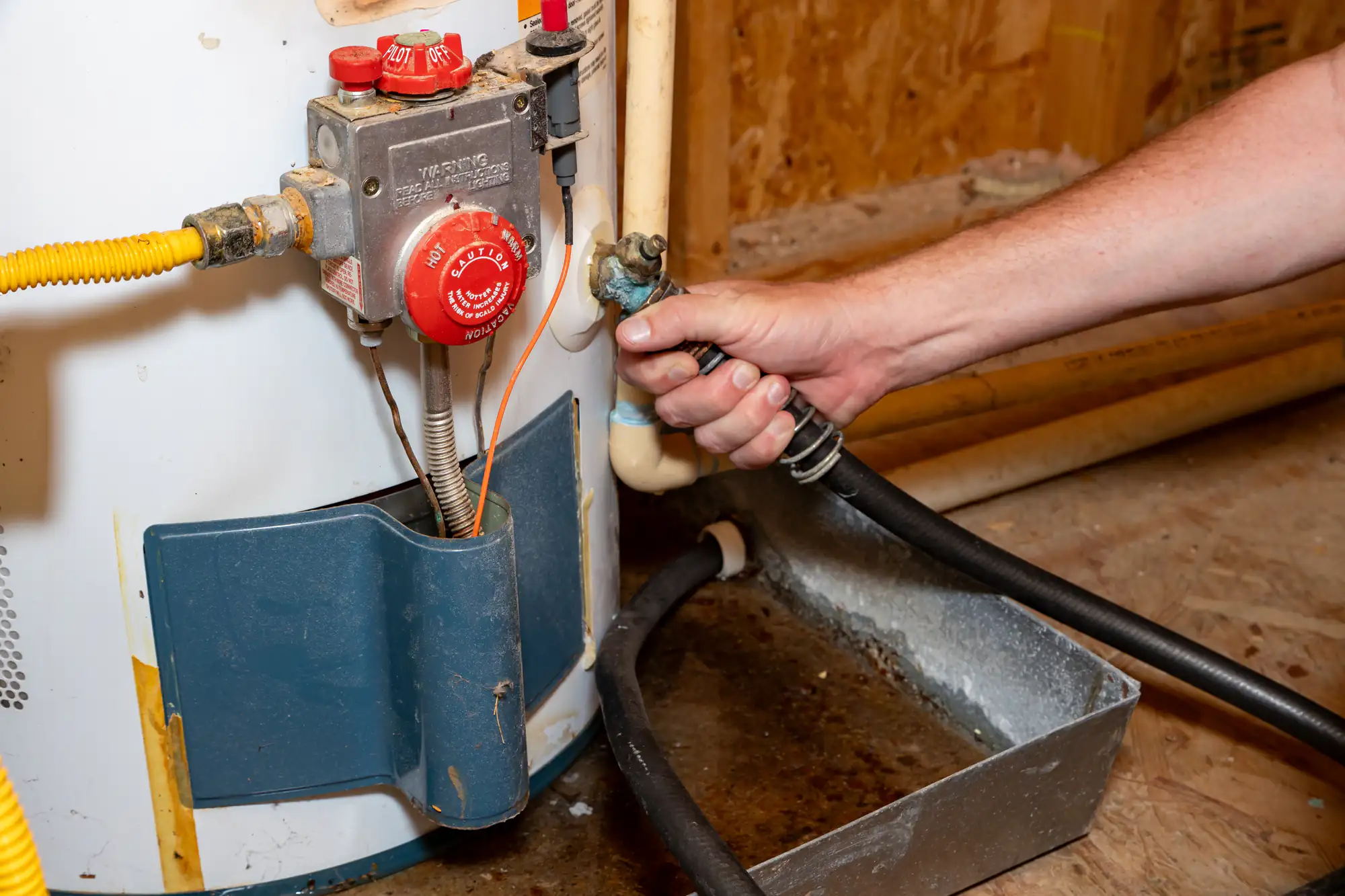
When one of our technicians arrives at your Sag Harbor property, the first thing we do is a full visual inspection the boiler itself, the piping, the connections, and the flue system. We’re looking for corrosion, leaks, blockages, and anything that doesn’t look right before a single tool comes out. For properties near the water in North Haven or the Noyack Road corridor, that inspection often turns up salt-related corrosion on metal components that wouldn’t be visible any other way.
From there, the cleaning covers the heat exchanger, burners, and ignition system removing the soot and debris that reduce heat transfer efficiency and drive up your fuel costs. A combustion analysis follows, measuring and adjusting the air-to-fuel ratio so the boiler is running at its most efficient. Then the flue gets cleaned. That means brushing out the exhaust pathway, checking the liner condition, and clearing any obstructions including nests, which are a documented issue in properties that sit idle over the summer months.
Before the visit wraps up, we test safety controls, verify pressure levels, and give you a straightforward report on what was found and whether anything needs follow-up. The whole process typically takes one to two hours for a residential system. If you’re opening a seasonal property for fall, scheduling this before you turn the heat on for the first time is the right call not after something goes wrong.

Ready to get started?
The boiler cleaning service we provide in Sag Harbor covers everything the mechanical-only HVAC companies leave behind. That includes the heat exchanger, burners, and ignition components but it also includes the chimney flue, the liner condition, the exhaust pathway, and any obstructions from the boiler all the way to the top of the chimney. This is the full-system approach that matters most in a town where the housing stock ranges from early 19th-century Federal and Greek Revival homes in the village core to mid-century properties in the Sag Harbor Hills and Azurest subdivisions.
Older homes in Sag Harbor’s historic district were often built with masonry flues designed for coal or wood, later adapted for oil boilers. Those adapted systems need a chimney specialist to assess them properly someone who understands original flue construction, liner integrity, and the specific wear patterns that come with decades of use in a coastal environment. We install only UL-listed stainless steel components when replacements are needed, which is the appropriate material for both the application and the salt-air conditions along Gardiners Bay.
For Sag Harbor’s commercial properties the restaurants, inns, and businesses along Main Street we also offer boiler cleaning and inspection for commercial systems. Whether it’s a year-round residence, a seasonal home, or a commercial building, the scope of work is the same: clean the full system, inspect every component, and leave you with an honest report on what was found.

Once a year is the standard recommendation, and for most Sag Harbor properties, that timing matters more than it does in other parts of Long Island. If your home is used seasonally closed up from spring through late summer the boiler sits idle for months in a coastal, salt-air environment. That off-season period is when moisture accumulates inside the flue, metal components begin to corrode, and birds or small animals nest in an unused chimney.
Firing the boiler for the first time in October on an uninspected system is the highest-risk moment of the year. The practical answer for most Sag Harbor homeowners is to schedule the cleaning before the heating season begins ideally in September or early October, before the first cold nights arrive. If you’re opening a seasonal property, schedule it as part of the re-opening process, not as an afterthought when the heat isn’t performing. Annual cleaning also protects your boiler’s warranty coverage, since most manufacturers require documented professional maintenance to keep the warranty valid.
This is one of the most common points of confusion for homeowners on the East End. Your oil delivery company and there are nearly 30 of them serving the Sag Harbor area typically services the burner unit itself. They’ll check the nozzle, clean the electrodes, and make sure the mechanical components of the burner are functioning. That’s a valuable service, but it stops at the boiler cabinet.
What we do is pick up where the oil company leaves off. The chimney flue connected to your boiler the exhaust pathway that carries combustion gases out of your home is a separate system that requires chimney expertise to clean and inspect properly. That includes the flue liner, the exhaust pathway, the chimney cap, and any obstructions from the boiler all the way to the rooftop. These are components that an HVAC or oil service technician isn’t trained or equipped to assess. If your oil company flagged a chimney or flue issue during their last visit, that’s a signal to call us not a reason to assume it was handled.
Yes, and it does so more gradually and quietly than most homeowners realize. Salt air is corrosive to metal it works on stainless steel liners, chimney caps, flashing, and dampers continuously, not just during storms. For properties in Sag Harbor, North Haven, and the waterfront sections of the SANS subdivisions along Sag Harbor Cove, this is a year-round condition, not a seasonal one.
The practical effect is that metal components in coastal chimney systems degrade faster than the same components in inland Suffolk County towns. A chimney cap or liner that might last many years in Hauppauge or Commack may show meaningful corrosion in Sag Harbor in a shorter timeframe. Annual inspection by a chimney specialist is the only reliable way to catch that degradation before it progresses to a structural failure or a safety concern. When replacements are needed, we use UL-listed stainless steel components rated for the application materials appropriate for the coastal conditions your system is actually operating in.
It can, depending on the scope of the work. Sag Harbor has a Historic Preservation Commission with oversight of exterior modifications to properties in the historic district. For interior flue cleaning and inspection, there’s typically no preservation review involved that work doesn’t alter the exterior appearance of the building. But if your chimney needs structural repair, a new liner installation, or any work that changes the visible exterior of the chimney, it’s worth confirming with the village whether a review or permit is required before work begins.
The more important point for historic property owners is that the work needs to be done correctly with appropriate materials. Older homes in Sag Harbor’s village core were built with masonry flues that were later adapted for oil boilers sometimes imperfectly. A chimney specialist who understands original flue construction and installs only UL-listed, code-compliant components is the right hire for a historic property. The wrong contractor using the wrong materials in a designated historic district can create both a safety problem and a compliance problem at the same time.
A few things stand out as clear signals. If your heating bills have been creeping up without any obvious explanation, soot buildup on the heat transfer surfaces is a likely contributor even a thin layer of soot measurably reduces the efficiency of the heat exchanger and forces the boiler to burn more fuel to produce the same heat output. If you’re noticing unusual odors when the heat runs, or if the boiler is cycling more frequently than it used to, those are worth having looked at.
For Sag Harbor homeowners specifically, there are a couple of additional signals to watch for. If the property was closed up over the summer and you haven’t had the flue inspected before firing the boiler for the first time, that’s reason enough to schedule a cleaning the off-season is when nests and moisture damage accumulate in unused flues. And if your oil delivery technician mentioned anything about the chimney, the flue, or the exhaust system during their last service visit, don’t let that sit. Those observations are worth following up on with a chimney specialist before the heating season is fully underway.
Absolutely, and seasonal properties are actually some of the most important candidates for annual boiler cleaning in this area. A home that’s used primarily in summer and closed from fall through spring presents a specific set of risks when it comes to the heating system. The boiler sits idle for months, the flue is inactive, and the coastal environment keeps working on the system the entire time moisture, salt air, and opportunistic wildlife don’t pause because the house is empty.
When a seasonal homeowner arrives in October and turns the heat on for the first time, they’re relying on a system that hasn’t been inspected since the previous season. If there’s a nest in the flue, a corroded liner section, or compacted soot from last winter, none of that is visible without a proper inspection. We offer 24/7 emergency service for situations where something goes wrong unexpectedly that responsiveness has been documented in real customer experiences, including same-day service on freezing nights. But the better outcome is scheduling a pre-season cleaning before you arrive for the fall, so the heat is ready when you need it and you’re not making that emergency call from a cold house at 9 PM on a Friday.
Other Services we provide in Sag Harbor