


A boiler that hasn’t been cleaned in a year or two doesn’t fail dramatically it just quietly costs you more. Soot builds up on the heat transfer surfaces, your system works harder to produce the same amount of heat, and your fuel bills climb without any obvious explanation. Just one millimeter of soot on a boiler’s heat exchanger can reduce efficiency by three to four percent. Over a full heating season in Salisbury, that adds up.
For homeowners in this part of Nassau County, the stakes are higher than most people realize. The median home here was built in 1955. That means the boiler system or at least the chimney flue and liner it exhausts through is working with infrastructure that’s anywhere from 50 to 70 years old. Older systems accumulate buildup faster, draft less efficiently, and are more vulnerable to the kind of blockages that push combustion gases back into the living space instead of out through the flue.
After a proper cleaning and tune-up, the difference is straightforward. The system runs at the efficiency it was designed for. The exhaust pathway is clear. You’re not burning extra oil or gas to compensate for soot-clogged surfaces. And you’re heading into a Salisbury winter with the open Hempstead Plains geography that gives this hamlet its name and its wind exposure with a heating system that’s actually ready for it.
We operate out of Levittown about five to seven miles from Salisbury via Hempstead Turnpike and Carman Avenue. That’s not a regional company routing calls through a dispatch center. That’s a neighbor who knows the housing stock on this part of the Hempstead Plains, because we work on it regularly.
For six consecutive years, Ageless Chimney has earned awards from both Angie’s List and the Better Business Bureau. That kind of sustained recognition doesn’t come from one good season it comes from consistently showing up on time, doing the work right, cleaning up completely, and telling customers what they actually need instead of what generates the most revenue. More than one customer has been told by an Ageless Chimney technician that they didn’t need the service they called about. That’s not a common thing in this industry, and it’s worth knowing before you book.
We carry Nassau County-specific licensing, liability insurance, workers’ compensation coverage, and install only UL-listed materials. For Salisbury homeowners who’ve invested in properties worth well into the six figures and pay over $10,000 a year in property taxes to prove it that level of accountability matters.
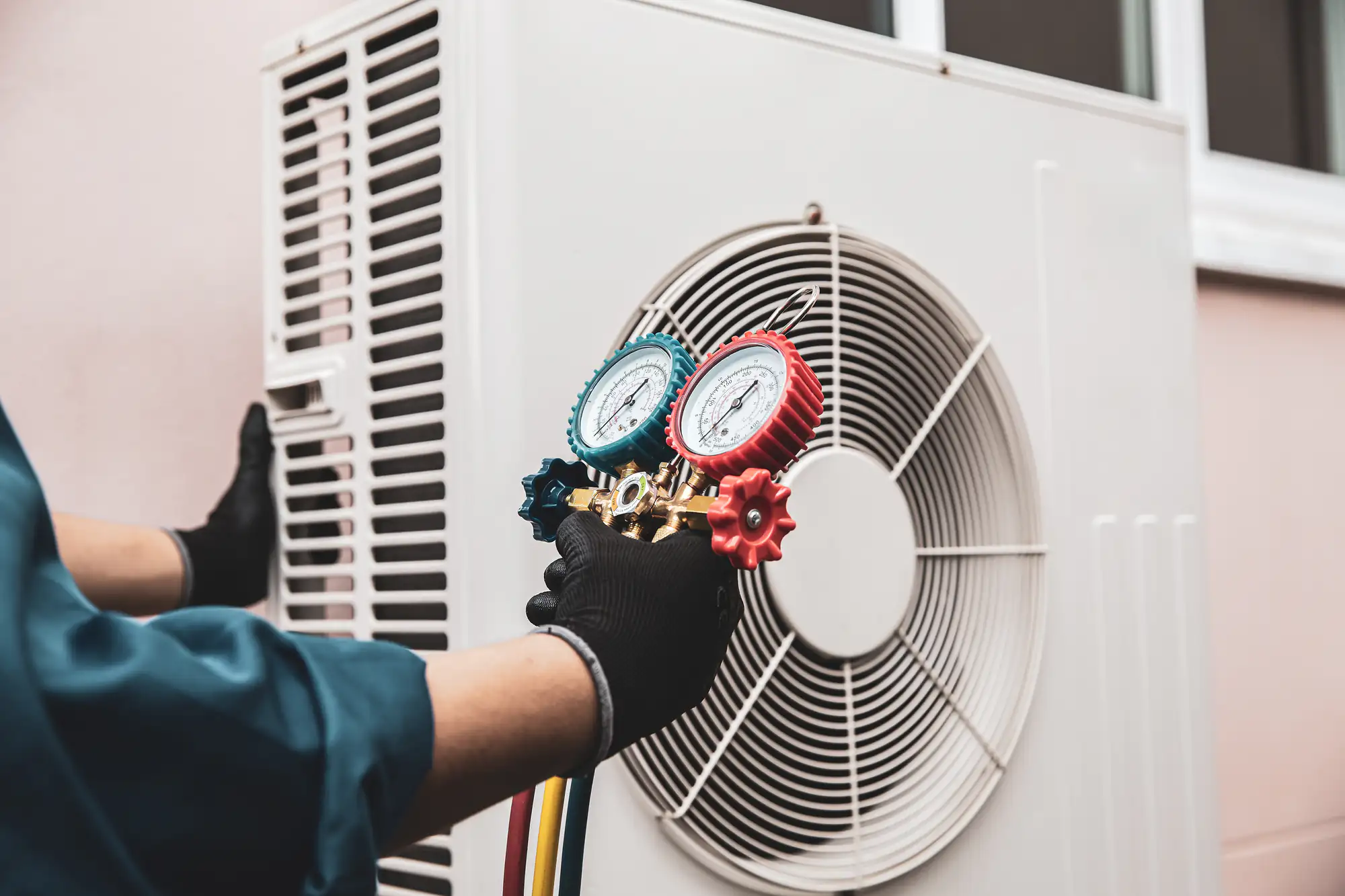
When an Ageless Chimney technician arrives at your Salisbury home, the first thing we do is a full visual inspection the boiler itself, the piping, the connections, and any visible signs of corrosion, leaking, or deterioration. For homes built in the 1950s, this step matters more than it does on newer construction. Cast-iron boilers and older flue configurations have specific wear patterns, and a trained eye catches things a quick glance won’t.
From there, the cleaning covers the heat exchanger and burner surfaces removing the soot and debris that directly reduce how efficiently your system transfers heat to your home. A combustion analysis follows, measuring the air-to-fuel ratio and adjusting it for optimal performance. Then the flue gets inspected and cleaned: blockages, soot accumulation, nesting material if present, and any structural concerns with the liner. This is the part most HVAC companies skip entirely, because they’re not chimney specialists. We are.
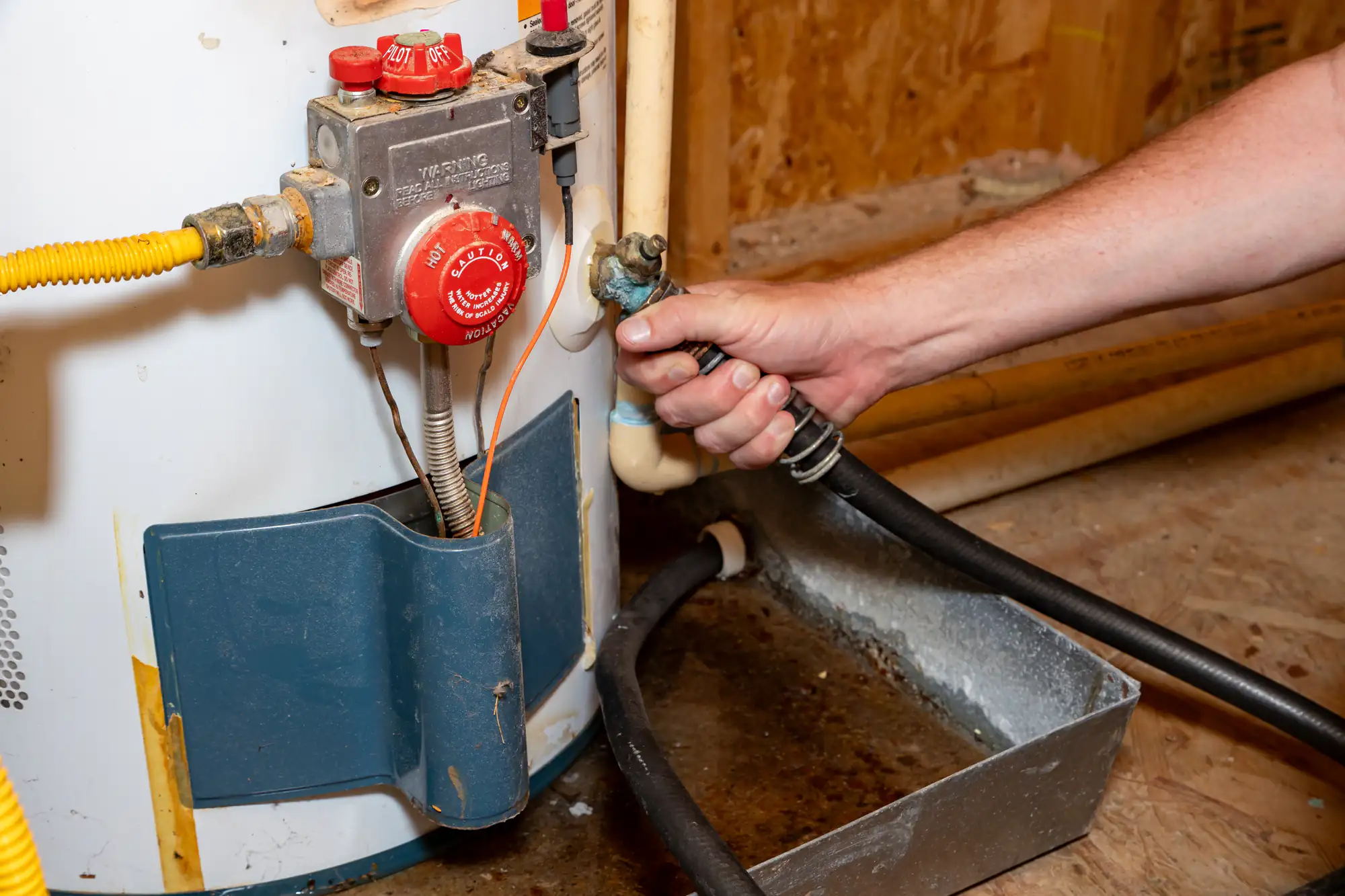
Safety controls get tested pressure valves, thermostats, seals, and electrical connections. Gas or oil pressure is verified. The burner is adjusted. By the time our technician leaves, you have a written summary of what was found, what was done, and any repairs that may be worth addressing before the heating season is fully underway. Most residential boiler cleanings take one to two hours. We handle cleanup before we go your basement looks the same as when we arrived.
Ready to get started?
Salisbury’s housing stock tells you a lot about what boiler cleaning looks like here. Levitt-style Cape Cods and ranch homes built in the late 1940s and 1950s were constructed with oil-fired boiler systems as the default. Many still run on oil today. Others have converted to gas over the decades but retained the original chimney flue structure which often requires relining to safely handle gas combustion byproducts. We handle both oil boiler cleaning and gas boiler cleaning, and we understand the specific infrastructure challenges that come with older Nassau County homes.
The service covers the full system, not just the mechanical unit. That means the burner, heat exchanger, and ignition components get cleaned and adjusted, and the chimney flue the exhaust pathway that most HVAC companies never touch gets inspected and cleared as well. If there’s a nest, a blockage, or a liner issue, it gets flagged in the written report. We also handle chimney liner installation and repair if that’s what the inspection reveals.
For Salisbury homeowners whose oil delivery company has flagged a boiler or chimney issue, this is the follow-up call. Oil delivery technicians service the burner unit they don’t clean the flue or inspect the chimney. That’s a separate, specialized service, and it’s what we do. Nassau County licensing, liability insurance, and workers’ compensation are all in place. Every material we install is UL listed.

Once a year is the standard recommendation, and for good reason. Soot and debris accumulate with every heating cycle, and the buildup doesn’t stop between seasons. For homes in Salisbury where the median construction year is 1955 and many boilers are working with aging cast-iron heat exchangers and older flue systems annual cleaning isn’t just a best practice, it’s closer to a necessity. Older systems are less forgiving of neglect than modern condensing boilers with tighter tolerances.
There’s also a warranty consideration that most homeowners don’t think about until it’s too late. Most boiler manufacturers require documented annual professional maintenance to keep the warranty valid. Skip a year, and you may find yourself in a situation where a repair or replacement isn’t covered. Scheduling once a year ideally in summer when the boiler isn’t in use and any issues found can be addressed before cold weather arrives keeps you covered on both the efficiency and the warranty fronts.
This is one of the most common points of confusion for Long Island homeowners, and it’s worth being clear about. When your oil delivery company sends a technician for a tune-up, they’re servicing the burner unit the mechanical component that ignites the fuel. That’s valuable work, but it’s not the same as a full boiler cleaning, and it doesn’t include the chimney side of the system.
The flue, the chimney liner, the exhaust pathway from the boiler to the top of the chimney none of that is part of a standard oil company service call. That’s chimney work, and it requires different equipment, different training, and different credentials. In Salisbury, where many homes have original or aging chimney infrastructure connected to their boiler systems, leaving that side of the equation unaddressed means the system isn’t fully cleaned or inspected. We cover both the boiler and the complete exhaust system it connects to.
Yes, and this is the part of the conversation that matters most. A boiler that isn’t burning fuel cleanly because of soot-clogged surfaces, a miscalibrated air-to-fuel ratio, or a blocked or deteriorated flue doesn’t exhaust combustion gases the way it’s supposed to. Instead of venting completely through the chimney, those gases can back-draft into the living space. Carbon monoxide is colorless and odorless, which is what makes a compromised exhaust system genuinely dangerous rather than just inconvenient.
For Salisbury homeowners with older homes, this risk is more relevant than it is for owners of newer construction. Original chimney liners from the 1950s can crack, deteriorate, or become partially blocked over time. A liner that was adequate for an oil boiler may not safely handle a gas conversion without relining. Annual boiler cleaning includes a flue inspection that catches these issues before they become a health hazard not after.
It is, for a few practical reasons. When you schedule in summer, the boiler isn’t actively heating your home, so the work is non-disruptive. Our technician can take the system offline, clean it thoroughly, run the inspection, and complete any follow-up repairs without anyone sitting in a cold house waiting for the heat to come back on.
The other reason is availability. Fall is when most Long Island homeowners think about boiler maintenance right before they need it. Appointment slots fill up quickly in September and October, and by November, you’re competing with emergency calls from homeowners whose systems have already failed. Scheduling in June, July, or August means you get the appointment time you want, you’re not rushed, and if the inspection turns up something that needs repair, there’s time to address it before the first cold snap moves through the Hempstead Plains.
At a minimum, you want to confirm three things before anyone comes to your home: county-specific licensing, liability insurance, and workers’ compensation coverage. In Nassau County, chimney and boiler service contractors are required to carry county-level licensing not just a state license. These are separate credentials, and not every company operating in the area holds all of them. Ask for a Certificate of Insurance, not just a verbal assurance that they’re covered.
Beyond the baseline, look for CSIA certification the Chimney Safety Institute of America designation that indicates a technician has passed a rigorous written exam and maintains ongoing continuing education in chimney and flue systems. NCSG membership the National Chimney Sweep Guild is another signal that a company takes the professional side of this trade seriously. These credentials matter more for boiler cleaning than most homeowners realize, because the chimney flue connected to your boiler is as much a part of the system as the burner itself, and inspecting it properly requires specific training.
The honest answer is that you probably don’t know not without an inspection. Most Salisbury homeowners with homes built in the 1950s have no documented history of their chimney liner’s condition. Original clay tile liners from that era can crack, shift, or deteriorate over decades of thermal cycling. If your home converted from oil to gas at some point, the original liner may not be rated for the lower exhaust temperatures that gas combustion produces, which creates a condensation problem that accelerates deterioration from the inside.
A boiler cleaning from Ageless Chimney includes a flue inspection that looks specifically at liner condition. If the liner is intact and functioning correctly, that gets noted in the written report. If there’s deterioration, blockage, or a sizing issue common in older Nassau County homes the inspection will surface it. From there, you have the information you need to make a decision about relining, rather than finding out about the problem after a carbon monoxide detector goes off or a heating season starts with a system that won’t draft properly.
Other Services we provide in Salisbury