

San Remo was built as a summer colony in the 1920s. The cottages on those original 20-by-100-foot lots were converted to year-round homes after World War II, and a lot of the boiler systems installed during that transition are still running today. That means many homes here are operating with heating equipment that’s anywhere from 60 to 80 years old and chimney systems that were retrofitted rather than purpose-built.
Annual boiler cleaning isn’t just routine upkeep for a house like that. It’s what keeps a system that was never designed for full-time winter use from failing on the coldest night in January.
There’s also something specific to where San Remo sits geographically. The northern edge of the hamlet runs along the Nissequogue River estuary, and that river environment brings elevated moisture levels that accelerate deterioration in older chimney masonry. Cracked mortar joints, spalling brick, and damaged clay tile liners are more common here than in inland Suffolk County communities and a compromised liner doesn’t just reduce efficiency, it creates a path for combustion gases to enter your living space instead of venting outside.
When we clean and inspect the full system burner, heat exchanger, flue, and chimney your boiler runs more efficiently, your fuel costs stay in check, and you’re not gambling on a system that hasn’t been properly evaluated in years. That’s the difference between a burner tune-up and a real boiler cleaning service.
We’ve earned top ratings from both Angi and the Better Business Bureau for six consecutive years. That’s not a one-time snapshot it’s a sustained track record that gets re-evaluated every year by two independent platforms. For a San Remo homeowner who’s going to invite a contractor into their home and onto their roof, that kind of consistent, verifiable recognition matters more than any single review.
We serve Suffolk County with the specific county-level licensing required to work here, plus full liability insurance and workers’ compensation coverage. Our team carries CSIA certification and NCSG membership the credentials that the Chimney Safety Institute of America considers the professional standard for anyone cleaning or inspecting a chimney system.
What also sets us apart in San Remo and across Long Island is straightforwardness. Our technicians have been documented telling customers they didn’t need a service they called about. In a community like San Remo where the civic association is active a company’s reputation for honesty carries real weight.

Most boiler cleaning services stop at the mechanical unit. We don’t. The process covers the entire system from the burner assembly through the heat exchanger, up through the flue, and all the way to the chimney top. That full-system approach is what separates a chimney specialist from an HVAC company, and it’s why the two services aren’t interchangeable.
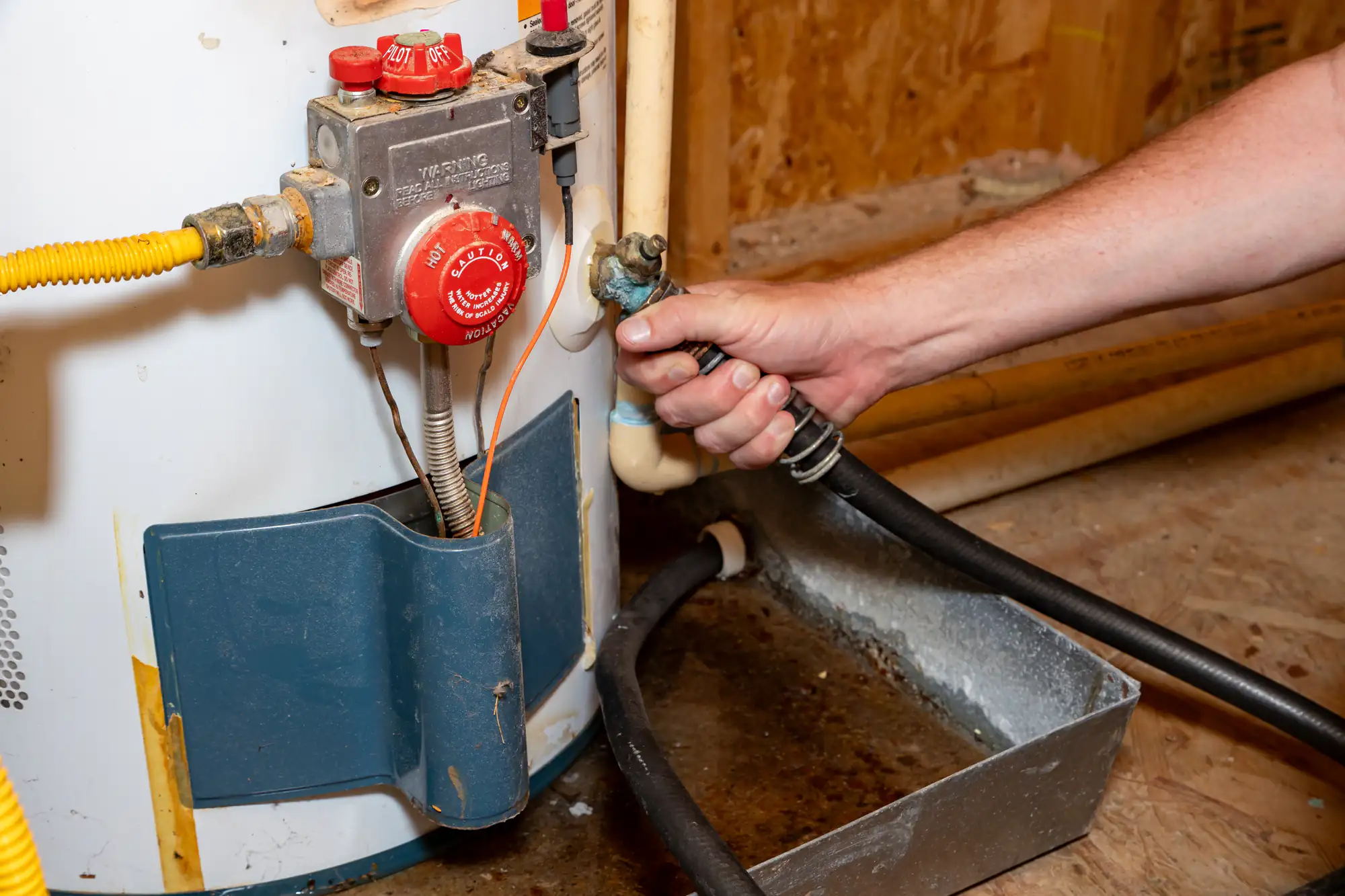
The visit starts with a thorough visual inspection of the boiler, piping, and connections checking for corrosion, leaks, and anything that looks off before any cleaning begins. From there, we clean the heat exchanger and burner to remove soot and combustion deposits that reduce heat transfer efficiency. A combustion analysis follows, measuring and adjusting the air-to-fuel ratio so the system burns cleanly and efficiently.
Then we inspect and clean the flue removing blockages, checking for cracks, clearing soot buildup, and checking for any nest or debris that’s made its way in. For San Remo homes near the Nissequogue River, this step carries extra weight. Moisture from the river environment works its way into older masonry over time, and that deterioration isn’t always visible from the outside. A proper inspection catches liner damage before it becomes a carbon monoxide problem.
The visit wraps up with safety control testing, a pressure check, and a written summary of findings and any recommended repairs so you know exactly what we found and what, if anything, needs attention. All materials we use in repairs or installations are UL listed and up to current New York State code.
Ready to get started?
Roughly half of all occupied homes in the Smithtown zip code heat with oil and San Remo, with its older converted housing stock, is likely at or above that rate. Oil-fired boilers produce soot and combustion byproducts at a higher rate than gas systems, and they depend on a clean, unobstructed flue to vent safely.
That’s the part of the system that requires chimney expertise, not just HVAC knowledge, and it’s the part that often gets skipped when a homeowner assumes their oil company’s annual burner service covers everything. It doesn’t. The oil company services the burner unit. The chimney flue, the liner, the chimney stack that’s a separate system, and it requires separate, specialized cleaning.
We cover both sides. Our boiler cleaning service includes heat exchanger and burner cleaning, combustion analysis, flue inspection and cleaning, safety control testing, gas or oil pressure verification, and a written report of findings. For older San Remo homes where the chimney liner may be original clay tile from a mid-century conversion, that inspection step isn’t optional it’s the whole point.
We also handle emergency boiler cleaning and service calls for Suffolk County residents, including same-day response when the situation calls for it. If your heat goes out on a January night with Long Island Sound winds coming off the North Shore, that availability isn’t a minor detail it’s what actually matters.

This is one of the most common misunderstandings for oil heat customers on Long Island, and it’s worth being direct about: your oil company’s annual tune-up services the burner unit the mechanical assembly that ignites and burns the fuel. That service does not include cleaning the chimney flue, inspecting the liner, removing soot from the exhaust pathway, or checking the chimney stack for blockages, cracks, or structural deterioration.
Those are two separate systems, and they require two different types of expertise. An HVAC technician is trained to service the mechanical components of the boiler. A CSIA-certified chimney professional is trained to inspect and clean the exhaust pathway the flue, the liner, and the chimney itself. In San Remo, where many homes have older clay tile liners that have been in place since mid-century conversions, the chimney side of the system is often the part that’s been overlooked the longest. Getting both serviced annually is the complete picture.
Annual boiler cleaning is the standard recommendation across the industry, and it applies to both oil and gas systems. For oil-fired boilers which are the dominant heating fuel type in the Smithtown zip code area, including San Remo annual cleaning is particularly important because oil combustion produces more soot and sulfur deposits than gas, and that buildup accumulates in the heat exchanger and flue over the course of a heating season.
The practical case for annual service is straightforward: a layer of soot just one millimeter thick on boiler heat transfer surfaces can reduce efficiency by 3 to 4 percent and raise flue gas temperatures measurably. That translates directly to higher fuel costs, and fuel costs on Long Island are not trivial. Beyond efficiency, annual cleaning is also required by most boiler manufacturers to keep the warranty valid skipping a year doesn’t just defer maintenance, it can void your coverage entirely. For San Remo homes with aging systems that have been running for decades, there’s no good argument for putting it off.
A few things tend to show up before a boiler or flue becomes a serious problem. On the boiler side, watch for higher-than-usual fuel bills without a corresponding change in usage, uneven heat distribution across rooms, unusual sounds during startup or operation, or a boiler that’s cycling on and off more frequently than normal. These can all indicate soot buildup reducing efficiency or a system working harder than it should to compensate.
On the chimney side, visible soot around the flue opening, a persistent smoky or sulfur smell in the house, or visible debris falling from the chimney are all signs worth acting on. For San Remo homes near the Nissequogue River, moisture-related symptoms are also worth paying attention to efflorescence (white mineral deposits) on the exterior chimney masonry, or visible cracking and spalling in the brick or mortar joints, can indicate water infiltration that’s compromising the liner from the outside in. A boiler that starts up fine in October but develops problems by December is a classic pattern for systems that weren’t cleaned before the heating season began.
For standard boiler cleaning and maintenance service which is what most homeowners are scheduling no permit is required under Town of Smithtown regulations. Cleaning the heat exchanger, burner, and flue is routine maintenance work, and it doesn’t trigger a building permit requirement.
Where permitting does come into play is when the scope of work moves into installation or structural repair. If the inspection reveals that a chimney liner needs to be replaced, a new chimney cap needs to be installed, or any structural chimney repair is required, those jobs fall under the Town of Smithtown Building Department’s permit requirements, consistent with the New York State Uniform Fire Prevention and Building Code. We hold the Suffolk County licensing required to perform that work legally in San Remo, and any materials we use in permitted work are UL listed and code-compliant. If a repair comes up during your cleaning visit, you’ll receive a written summary of what we found and what the next steps would be no surprises.
The short answer is that the risk compounds. Soot and combustion deposits don’t just sit there they continue to insulate the heat exchanger, reduce draft efficiency in the flue, and in the case of oil systems, can contribute to the kind of burner misfire that causes a puffback. A puffback happens when oil residue accumulates in the combustion chamber during the off-season and ignites improperly at startup, sending a sooty backblast through the heating system and sometimes into the living space. It’s a documented risk pattern for aging oil-heat systems of the type that are common in San Remo’s converted housing stock, particularly in the October and November startup window.
Beyond the mechanical risk, skipping annual service can void your boiler’s warranty coverage most manufacturers require documented annual professional maintenance to keep the warranty valid. And a system that’s running inefficiently because of a year’s worth of uncleaned soot is costing you money on every heating bill. The annual cleaning cost is a fraction of what emergency repair or boiler replacement runs and on Long Island, boiler replacement costs are significant.
Yes. We provide boiler cleaning service for both oil-fired and gas-fired systems throughout San Remo and the broader Suffolk County area. The cleaning process covers the same core components for both fuel types heat exchanger, burner assembly, flue, and chimney though oil systems typically require more attention to soot and combustion deposit removal given the nature of oil combustion.
For San Remo specifically, oil heat is the more common scenario given the neighborhood’s older housing stock and the high oil heat prevalence in the Smithtown zip code. But gas boiler owners have the same need for annual chimney-side cleaning that oil boiler owners do the flue still accumulates deposits, the liner still ages and can crack, and the chimney still needs to be inspected for blockages and structural integrity. Whether your system runs on oil or gas, the chimney flue is the part of the system that most often gets overlooked, and it’s the part we’re specifically equipped to handle. If you’re not sure what type of system you have or when it was last serviced, that’s exactly the kind of question the inspection is designed to answer.
Other Services we provide in San Remo