
Most homeowners don’t realize how much a dirty boiler costs them quietly. Just one millimeter of soot on your boiler’s heat transfer surfaces can drop its efficiency by three to four percent and push flue gas temperatures up significantly. In a large Sands Point home where you might be heating four, six, or even eight thousand square feet through a Long Island winter that efficiency loss adds up fast on your fuel bill.
The older housing stock in Sands Point makes this even more relevant. With a median construction year of 1961 and a meaningful portion of homes built before 1950, many properties here are running oil boiler systems that were designed to be serviced every single year. Oil boilers produce more soot per BTU than gas systems, and when the chimney flue connected to that boiler hasn’t been properly cleaned, you’re not just losing efficiency you’re creating a situation where combustion gases don’t vent the way they should.
What you get after a thorough professional cleaning is straightforward: a boiler that runs the way it’s supposed to, a flue that’s clear from the firebox all the way to the top of the chimney, and the peace of mind that comes from knowing your heating system is ready for whatever the season brings. On a peninsula that catches north winds off Long Island Sound, that matters more than it might somewhere inland.
We’ve earned both Angie’s List and BBB recognition for six consecutive years. That’s not a one-time rating it’s a track record built across hundreds of Long Island homes, including properties throughout Nassau County’s North Shore and in Sands Point itself. Sustained recognition like that only happens when the work is consistently done right.
What sets us apart from the HVAC companies that also offer boiler service is the scope of the work. Most heating contractors stop at the mechanical unit. We clean and inspect the entire exhaust pathway the boiler itself, the flue, the liner, and the chimney structure which is exactly what the older homes in and around Sands Point actually need. We already serve neighboring Port Washington and Port Washington North, so we’re familiar with the housing stock and chimney systems common to this part of the North Shore.
Our technicians show up on time, explain what they find honestly, and leave your property exactly as they found it. That last part gets mentioned in reviews more than almost anything else and for homeowners with the kinds of properties that exist in Sands Point, it’s not a small thing.

When one of our technicians arrives at your Sands Point home, the first thing we do is a full visual inspection the boiler itself, the surrounding piping, the connections, and any visible signs of corrosion, wear, or buildup. This gives us a clear picture of what we’re working with before any cleaning begins, and it’s also where we’ll flag anything that needs attention before it becomes a bigger problem.
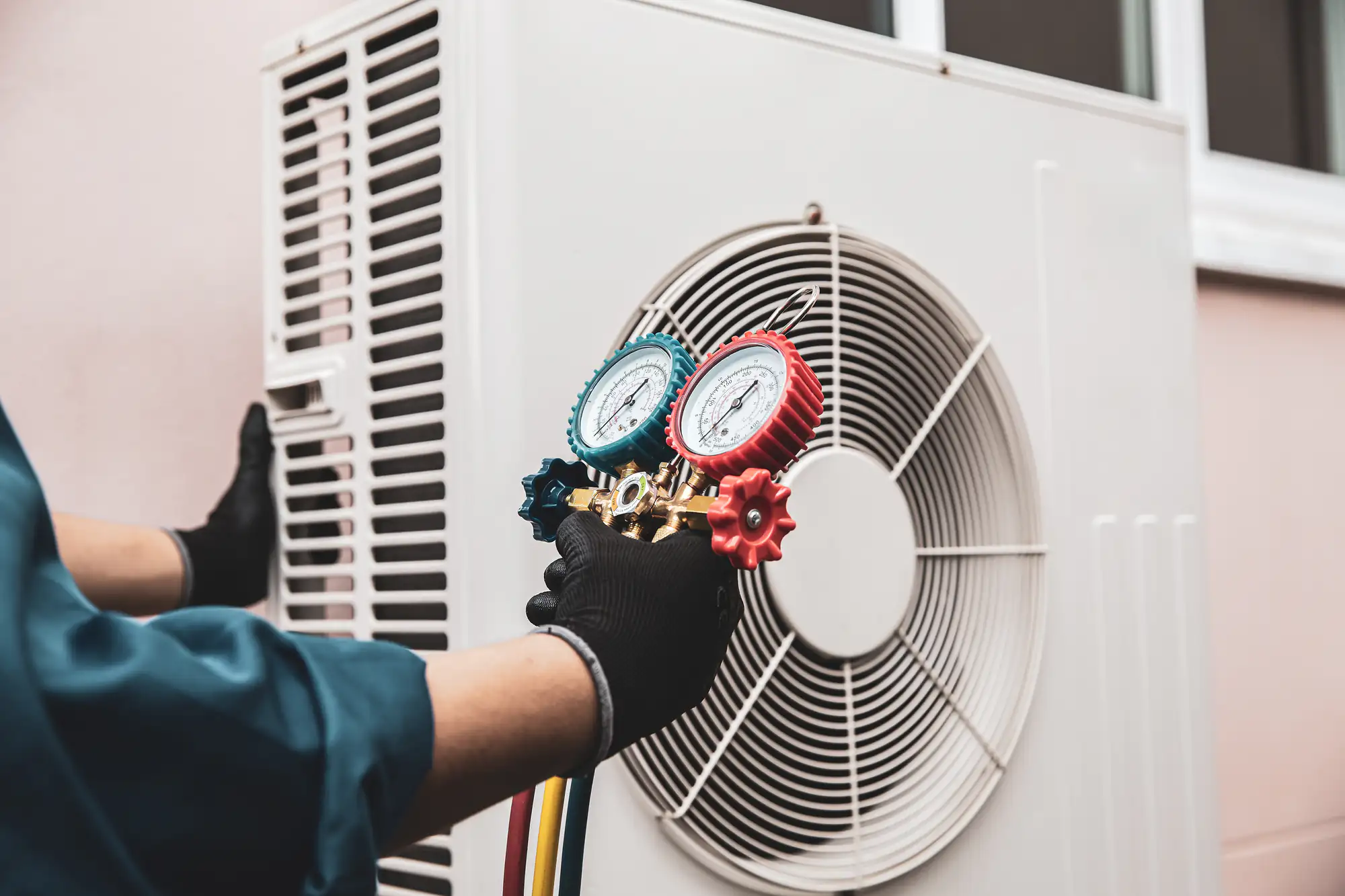
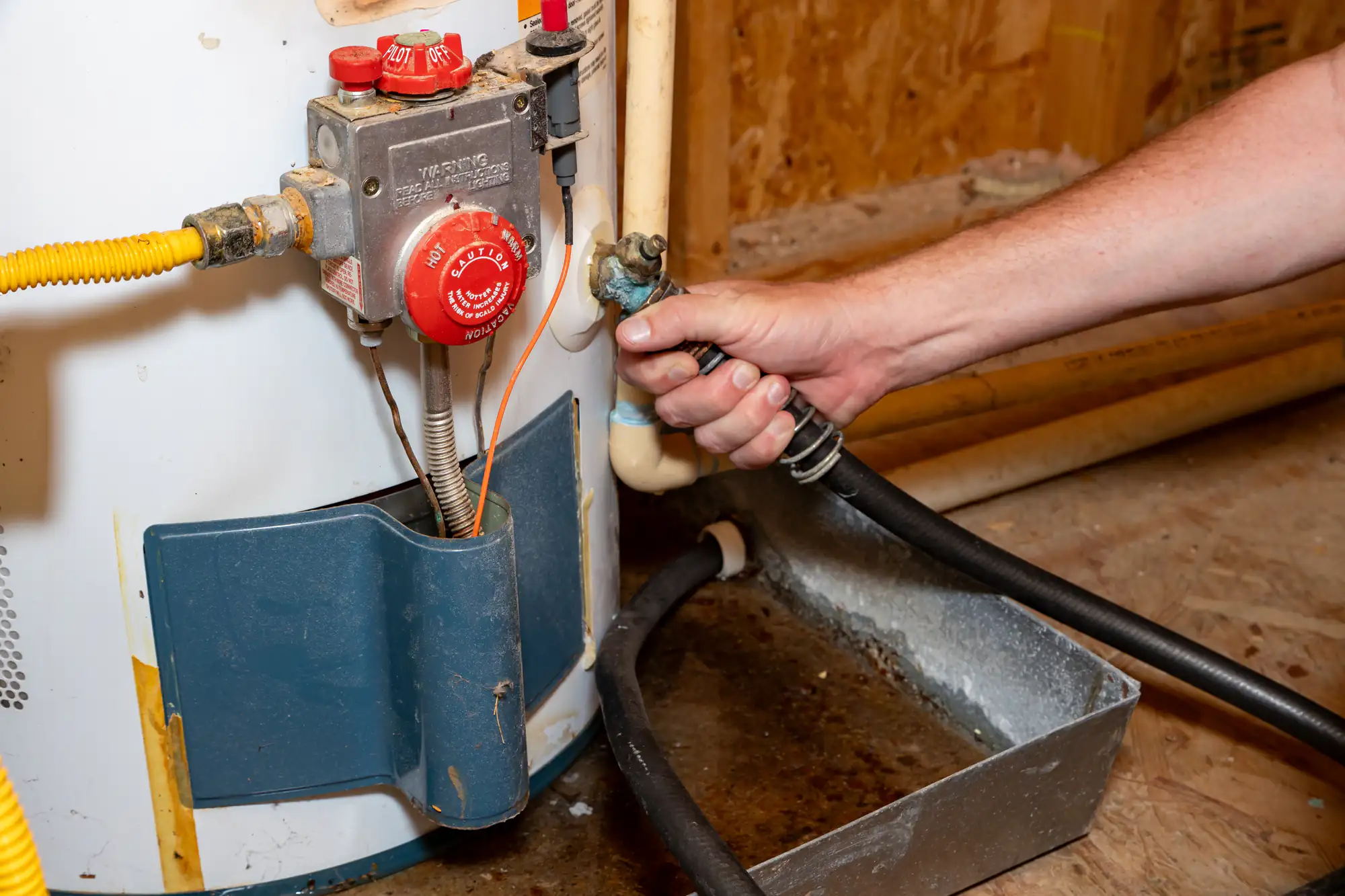
From there, the cleaning covers the heat exchanger, burners, and ignition components removing the soot and combustion residue that reduces how efficiently your boiler transfers heat. A combustion analysis follows, which checks the air-to-fuel ratio and confirms the system is burning cleanly. This step matters especially for oil-heated homes, where incomplete combustion is a more common issue than most homeowners realize.
The flue and chimney portion of the service is what separates a chimney specialist from a standard HVAC call. We inspect the full exhaust pathway for blockages, liner condition, and proper venting all the way up. Safety controls are tested, pressure levels are verified, and you get a clear explanation of what was found and what, if anything, needs follow-up. For Sands Point homeowners managing older systems, that transparency is part of the value. Nassau County licensing requirements are met as a baseline not an afterthought.
Ready to get started?
Boiler cleaning in Sands Point isn’t a one-size-fits-all job. The homes here tend to be large, older, and oil-heated a combination that puts more demand on the chimney and flue system than the average suburban property. Our service accounts for that. The work covers the entire exhaust system: burner cleaning, heat exchanger cleaning, flue inspection, liner assessment, chimney cap check, and combustion analysis. If there’s a nest, a blockage, or deterioration in the liner, it gets identified during the visit not discovered later when something fails.
For Sands Point homeowners with oil boilers, the flue cleaning component is particularly important. Oil systems leave more residue in the exhaust pathway than gas systems, and chimneys in homes built in the 1940s, 50s, and 60s are more likely to have aging liner systems that need attention. Skipping annual service doesn’t just mean a dirtier boiler it means accumulated wear that compounds year over year, and it typically voids your boiler’s manufacturer warranty.
All materials we use in any repairs or installations are UL listed and up to code. We’re Nassau County licensed, which is the specific county-level credential required for work performed in Sands Point. Emergency boiler cleaning and same-day service are available when you need heat restored quickly a real consideration when a January nor’easter rolls through and the temperature drops hard on the Sound side of the peninsula.

For most homes in Sands Point, annual boiler cleaning is the right interval and for oil-heated homes, it’s essentially non-negotiable. Oil boilers produce more combustion residue than gas systems, and that residue accumulates in the heat exchanger, the burner assembly, and the flue. If your home was built before 1970, which covers a significant portion of Sands Point’s housing stock, your system was designed around the assumption that it would be serviced every year.
Beyond the practical maintenance side, most boiler manufacturers require documented annual professional service as a condition of keeping the warranty valid. Skipping a year doesn’t just mean a dirtier system it can mean the manufacturer won’t cover a failure that regular maintenance would have caught. The general recommendation is to schedule in late summer or early fall, before the heating season starts and before appointment availability tightens up. That way, if anything needs repair, you have time to address it before you actually need the heat.
A thorough boiler cleaning covers more than just the mechanical unit. The visit should include a full visual inspection of the boiler, piping, and connections; cleaning of the heat exchanger, burners, and ignition system; a combustion analysis to verify the air-to-fuel ratio is correct; pressure and safety control testing; and a complete inspection of the flue and chimney exhaust pathway.
That last part the flue and chimney inspection is where we differ from general HVAC companies. Many heating contractors service the boiler itself but don’t inspect or clean the exhaust system connected to it. For older homes in Sands Point and throughout Nassau County, where chimney liners may be original or near-original, that full-system approach is what actually protects the home. We cover the entire pathway from the boiler to the chimney cap, which is the only way to know the whole system is working safely and efficiently.
Yes, and it’s worth understanding exactly how. Carbon monoxide is a byproduct of combustion. Under normal conditions, it exits your home through the flue and chimney. When the flue is partially blocked by soot buildup, a deteriorating liner, a bird nest, or any other obstruction combustion gases can back up into the living space instead of venting properly. A dirty burner assembly can also cause incomplete combustion, which produces more carbon monoxide than a clean, properly tuned system would.
For homes on the Sands Point peninsula, wind direction is a factor worth noting. North and northeast winds off Long Island Sound can create negative pressure conditions that affect how well a chimney drafts. A flue that’s already partially restricted performs even worse under those conditions. This is one of the reasons a full chimney inspection not just a boiler tune-up matters for homes in this area. We inspect the entire exhaust pathway specifically to identify these kinds of risks before they become emergencies.
This is one of the most common misunderstandings among Long Island homeowners who use oil heat. Your oil delivery company’s technician services the burner unit the mechanical components of the boiler itself. That typically includes the nozzle, the fuel filter, the ignition system, and the burner head. It does not include cleaning or inspecting the chimney flue, the liner, or the exhaust pathway that carries combustion gases out of your home.
Those are two separate scopes of work requiring different expertise and different equipment. We handle the flue side the part your oil company isn’t touching. For Sands Point homeowners with older homes and oil boilers, both services matter. The burner service keeps the mechanical unit running; the chimney cleaning keeps the exhaust system clear and safe. If you’ve been getting annual oil burner service and assuming the chimney side is covered, it almost certainly isn’t.
There are a few signs that something is off with the exhaust side of your boiler system. A strong smell of oil or combustion gases in the house especially near the boiler room or in rooms above it can indicate that flue gases aren’t venting properly. Visible soot or black residue around the boiler’s draft hood or flue connection is another flag. If your boiler seems to be cycling more than usual or your fuel consumption has increased without a clear explanation, reduced combustion efficiency from a dirty or restricted flue could be a contributing factor.
That said, many flue problems don’t produce obvious symptoms until they’re fairly advanced. A liner that’s cracking, a flue that’s partially obstructed by debris, or a chimney cap that’s allowing water intrusion can all degrade the system gradually without triggering a dramatic warning sign. The honest answer is that an annual inspection is the only reliable way to know the condition of the flue which is why we include a full exhaust pathway inspection as part of every boiler cleaning service, not as an add-on.
Yes. Sands Point is an incorporated village within Nassau County, and Nassau County requires chimney contractors to carry a specific county-level consumer affairs license to perform work legally in the area. We’re licensed for Nassau County, which covers every home in Sands Point. This isn’t a formality it’s the baseline legal requirement for any chimney or boiler flue work performed in this jurisdiction, and not every company advertising in this area actually holds it.
Beyond the county licensing, we carry both liability insurance and workers’ compensation coverage. For homeowners in Sands Point where properties are high-value and the stakes of hiring an uninsured contractor are real verifying those credentials before anyone sets foot on the property is simply good practice. Our credentials are verifiable, our BBB and Angie’s List recognition spans six consecutive years, and our established service presence in neighboring Port Washington means we’re already familiar with the housing stock and chimney systems common to this part of Nassau County’s North Shore.
Other Services we provide in Sands Point