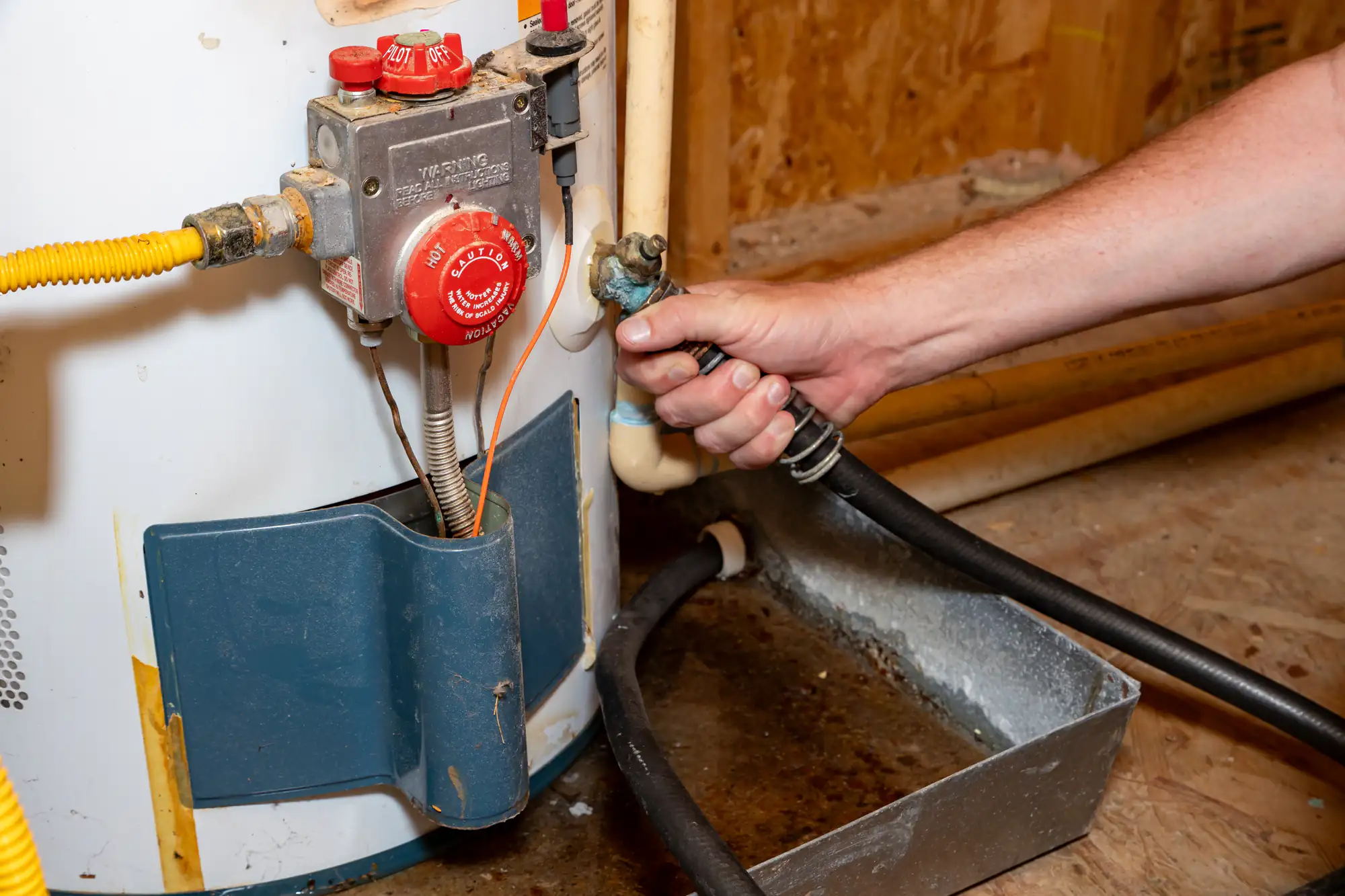

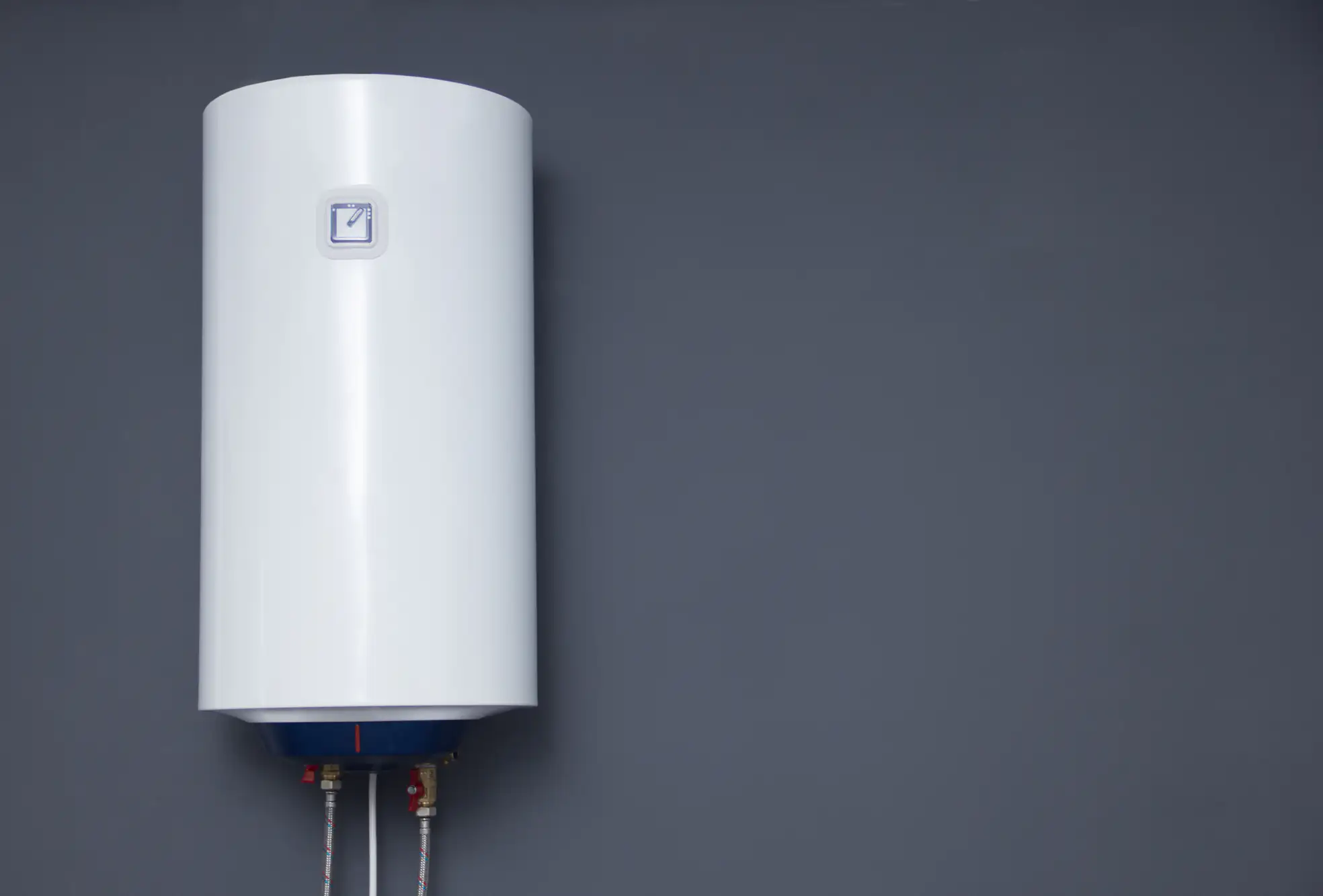
When your boiler runs on a dirty flue and soot-coated heat exchanger, it works harder than it needs to and you pay for that every month in fuel. A proper boiler cleaning in Smiths Point means your system transfers heat the way it was designed to, your burner runs at the right air-to-fuel ratio, and your exhaust gases move safely out of the house instead of backing up into your living space.
For homes in Smiths Point, that matters more than people realize. Close to 9 in 10 homes in the 11967 ZIP code run on heating oil and oil-fired boilers produce significantly more soot and combustion residue than gas systems. That buildup doesn’t announce itself. It just quietly reduces efficiency, raises your fuel consumption, and puts more strain on a system that’s probably been running for decades in a house originally built as a summer cottage.
The coastal humidity here between Bellport Bay and the Great South Bay also affects how soot behaves inside your flue. Moisture mixes with the sulfur compounds in oil combustion gases and accelerates how aggressively those deposits bond to your chimney liner walls. Annual boiler cleaning isn’t just a good habit in Smiths Point. Given what your system is up against, it’s genuinely necessary.
We’ve been recognized by both Angie’s List and the BBB with awards for six consecutive years. That’s not a lucky streak that’s what happens when a company consistently shows up, does the work right, and doesn’t invent problems to pad a bill. Multiple customers have specifically noted that an Ageless Chimney technician told them they did not need a service they called about. In an industry where upselling is common, that kind of honesty is the exception.
We hold the Suffolk County licensing required to operate legally in Smiths Point and surrounding communities, carry both liability insurance and workers’ compensation, and use only UL-listed materials on every job. Whether you’re in the Smiths Point peninsula area near the bay or further north along William Floyd Parkway, you’re in our service area and you’re getting the same crew that’s been building that six-year track record.
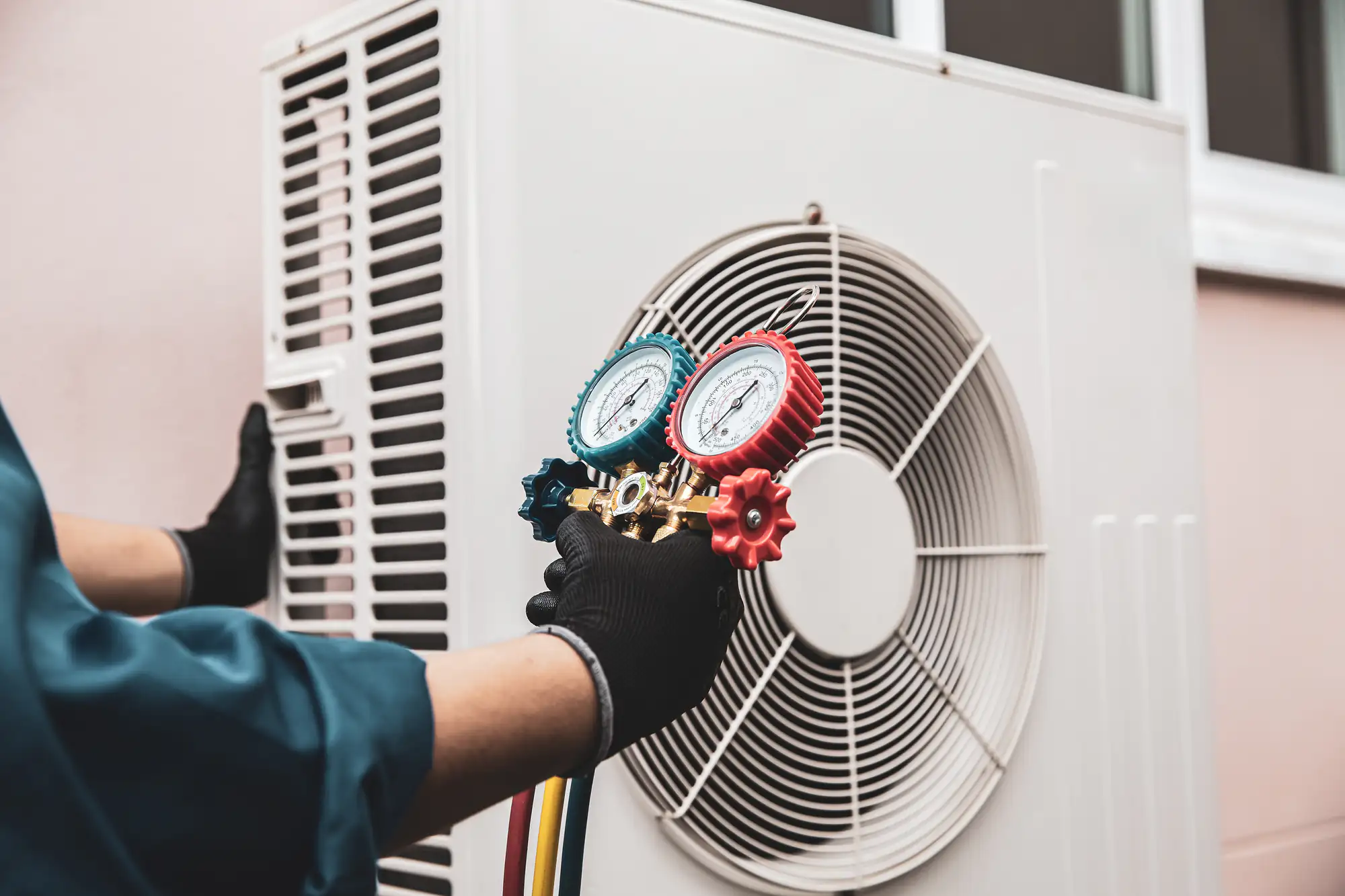
When you call us for boiler cleaning near Smiths Point, the first thing that happens is a real conversation not a pitch. You describe what’s going on, when the boiler was last serviced, and whether anything has changed. From there, one of our technicians comes out and starts with a full visual inspection of the boiler, the piping, and the connections looking for corrosion, leaks, or anything that shouldn’t be there before a single tool comes out.
Then comes the actual cleaning. The heat exchanger and burners get cleared of soot and debris the buildup that quietly reduces how efficiently your system transfers heat. The flue gets inspected and cleaned from the boiler all the way through the chimney, which matters especially in older Smiths Point homes where the original chimney may not have been designed for the year-round oil heat it’s been running on for the past 50 years. A combustion analysis checks whether the air-to-fuel ratio is where it needs to be. Safety controls pressure valves, seals, thermostats, shutoffs all get tested.
When the work is done, you get a clear explanation of what was found and what, if anything, needs attention. No vague recommendations. No pressure. Your property gets left exactly as it was found something our Smiths Point customers mention repeatedly in their reviews.

Ready to get started?
Many HVAC companies clean the boiler unit itself and stop there. We cover the whole system from the burner and heat exchanger through the flue and up to the chimney. That distinction is especially important in Smiths Point, where older converted homes often have chimney flues that were never properly lined for the oil heat they’ve been running on, and where salt air off the bay accelerates corrosion in the metal components connecting the boiler to the exhaust pathway.
Our boiler cleaning service includes heat exchanger and burner cleaning, combustion analysis and air-to-fuel adjustment, flue inspection and cleaning, safety control testing, pressure checks, and a full assessment of the chimney components caps, liners, and flashing for signs of marine-related deterioration. If there’s a nest or blockage in the flue (something that happens more than people expect, and something oil delivery drivers in this area sometimes flag during deliveries), we address that too.
Suffolk County has its own licensing and compliance requirements for contractors working on boiler and chimney systems. Every job we perform in this area is done by a licensed, insured crew using UL-listed materials not because it’s a selling point, but because cutting corners on a boiler connected to a bay-exposed chimney in a 1960s bungalow is how serious problems start.

Once a year is the standard recommendation, and it holds up well for most oil boiler systems. But for homes in Smiths Point specifically, there are a few factors that make sticking to that schedule more important than it might be elsewhere. The combination of oil heat which produces more soot than gas and the coastal humidity from Bellport Bay means deposits build up faster and bond more aggressively to your flue walls than they would in a drier, inland environment.
If your home is one of the older converted bungalows or mid-century ranches that make up a significant portion of the Smiths Point housing stock, annual cleaning is especially critical. These systems have often been running continuously for decades, sometimes with chimney flues that weren’t originally designed for year-round oil heat. Skipping a year doesn’t just mean double the buildup it means corrosion, efficiency loss, and safety risks that compound. Once a year, before heating season, is the right call.
This is actually a common situation in oil-heat-dominant communities like Smiths Point, and it’s worth understanding what your oil company can and can’t do. When a delivery driver flags a chimney or flue issue, they’re typically noticing something during the delivery unusual soot patterns, a visible blockage, or a draft problem. What they’re not doing is inspecting or cleaning the chimney flue, liner, or exhaust pathway. That’s a separate, specialized service that requires a chimney professional, not an HVAC technician.
We handle exactly what comes after that conversation with your oil company. Our boiler cleaning service covers the full exhaust system from the burner through the flue to the chimney top which is where the issue your driver noticed almost certainly lives. If there’s a nest, a blockage, a cracked liner, or a flashing problem letting moisture in, we identify and address it during the service. The oil company delivered your fuel. We handle what they flagged.
The honest answer is that the most common sign is no sign at all soot buildup is invisible and gradual, and most homeowners don’t notice anything until the boiler is already running noticeably less efficiently or something breaks. That said, there are a few things worth paying attention to. A heating bill that’s crept up over the past season without an obvious explanation is often the first real indicator. Soot on or near the boiler, a persistent smell of oil or exhaust when the system runs, or a boiler that takes longer than usual to bring the house up to temperature are all worth taking seriously.
In Smiths Point, there’s one additional thing to watch for: if your boiler is in a basement or utility area that gets significant humidity from the bay, check around the base of the flue connection for any signs of moisture, rust, or dark staining. That can indicate condensation inside the flue a sign that combustion gases aren’t venting cleanly. Any of these conditions warrant a professional boiler cleaning and inspection, not just a visual check on your end.
For most boilers, yes and it’s not fine print that manufacturers hide. Most boiler warranties explicitly require annual professional maintenance as a condition of keeping the warranty valid. If a covered component fails and you can’t demonstrate that the system was professionally serviced on a regular schedule, the manufacturer has grounds to deny the claim. That’s a meaningful financial exposure, especially given that boiler repairs on Long Island can run from several hundred dollars for a pump or zone valve to well over $5,000 for more serious work.
For homeowners in Smiths Point with older systems, the warranty question is sometimes moot plenty of boilers in this area are well past their original warranty period. But the underlying logic still applies: a system that hasn’t been cleaned and inspected annually is a system running on accumulated risk. The cost of a professional boiler cleaning is a fraction of what an emergency repair or full replacement costs, and that math doesn’t change whether your warranty is active or not.
Yes, and it’s one of the more underappreciated maintenance factors for homeowners in the Smiths Point area. Salt-laden air off Bellport Bay and the Great South Bay is corrosive to metal chimney caps, flashing, and the joints in stainless steel liner systems are all vulnerable to accelerated deterioration in a coastal environment. What might last 15 to 20 years on an inland chimney can show significant corrosion in half that time when it’s regularly exposed to marine air and moisture.
This matters for boiler cleaning because part of a thorough service is inspecting those components not just cleaning the burner and calling it done. If a chimney cap is corroding and allowing moisture into the flue, or if flashing has started to fail and water is getting into the chimney system, that moisture mixes with soot and combustion byproducts in ways that accelerate liner deterioration and can create real safety issues. Catching that during an annual boiler cleaning service is exactly how you avoid a much larger repair down the road.
For most residential oil boiler systems, a thorough cleaning and inspection runs about one to two hours. That covers everything heat exchanger and burner cleaning, combustion analysis, flue inspection and cleaning, safety control testing, and a full assessment of the chimney components. If something unexpected turns up during the inspection, like a nest in the flue or a liner issue that needs to be addressed, the time extends accordingly but you’ll know what’s happening and why before any additional work begins.
For older homes in Smiths Point the converted bungalows and mid-century ranches that make up a lot of the local housing stock it’s worth building in a little extra time mentally, especially if the system hasn’t been serviced in a while. These homes sometimes have more complex or aging chimney configurations that take more care to inspect properly. The upside is that once the work is done, you head into heating season knowing exactly where your system stands which, when bay winds push temperatures down in January, is genuinely worth the two hours.
Other Services we provide in Smiths Point