


A dirty boiler doesn’t announce itself. It just quietly burns more fuel, pushes less heat, and works harder than it should until it doesn’t work at all. For Stony Brook homeowners running oil heat, that buildup happens faster than most people realize. Oil combustion leaves more soot per BTU than gas, and even a thin layer on your heat exchanger is enough to drop efficiency by 3 to 4 percent. That’s money leaving through your flue every single day the system runs dirty.
The homes along Route 25A through the historic village, the older Colonials in Quaker Hill, the mid-century ranches throughout the Three Village area most of them were built in an era when annual boiler cleaning was just part of owning a house. That habit has faded, but the need hasn’t. If your system hasn’t been cleaned in a year or more, it’s not running the way it should, and you’re paying for it on every heating oil delivery.
What you get after a proper cleaning is straightforward: a boiler that starts reliably, burns more efficiently, and doesn’t leave you guessing when January hits. For a home on the North Shore, where temperatures off the Sound can drop into the teens and stay there, that’s not a minor upgrade it’s what you’re counting on.
We’re a Long Island-based chimney and boiler cleaning company serving Stony Brook and the broader Suffolk County area. We hold Suffolk County licensing the county-specific credential that actually matters for work done here along with liability insurance and workers’ compensation coverage. We’ve earned an “A” rating and award from both Angie’s List and the BBB for six consecutive years. That’s not a one-time snapshot. It’s a sustained track record across hundreds of verified jobs.
What sets us apart isn’t just the credentials it’s what we do with them. Our technicians have been documented telling customers they didn’t need a service they called about. In an area where a lot of homeowners are researchers, physicians, and faculty at Stony Brook University, that kind of honesty matters. You’re not going to get a list of invented problems. You’re going to get an honest read on what your system actually needs.
We also cover the full exhaust system from the boiler itself through the flue and up to the chimney. That’s something the HVAC-only companies serving Stony Brook simply don’t do. It’s the difference between cleaning the machine and cleaning the whole system.
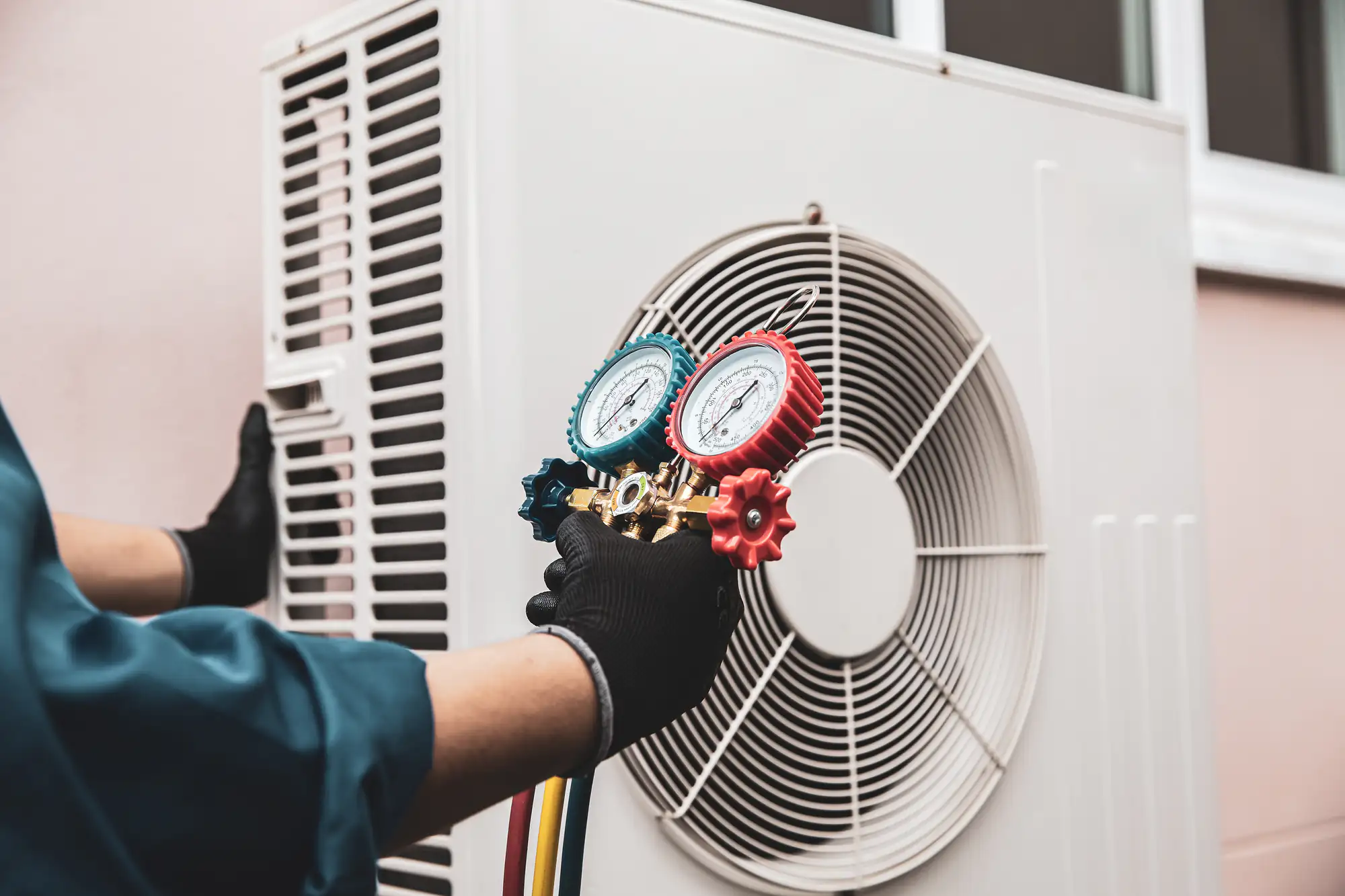
When one of our technicians arrives at your Stony Brook home, the first thing we do is a full visual inspection the boiler itself, the piping, the connections, and the exhaust pathway. We’re looking for corrosion, leaks, blockages, and anything that signals a system under stress. For older homes in the Three Village area, where some chimney systems have been adapted over the decades from wood-burning fireplaces to oil boiler exhaust, that inspection step matters more than most people expect.
From there, the actual cleaning begins. The heat exchanger and burner surfaces are cleaned to remove soot and debris that restrict heat transfer. The flue is cleared of buildup, and the liner and chimney are inspected for cracks, obstructions, or deterioration that could affect draft or safety. A combustion analysis is run to check the air-to-fuel ratio, and safety controls pressure valves, seals, thermostats, and shutoffs are all tested. If there are nests or blockages from the prior season, those come out too.
The whole process typically takes around one to two hours for a residential system. Most Stony Brook homeowners schedule in late summer or early fall before the heating season kicks in and before appointment slots fill up. That timing also means if anything needs repair, it gets handled before the first cold snap off the Sound, not after. All materials we use are UL listed and up to code, which matters especially for homes in the historic district where older masonry and original chimney configurations are still in use.

Ready to get started?
Most boiler cleaning companies in Stony Brook Varsity Home Service, Hart Home Comfort, Long Island Climate service the mechanical unit. They clean the burner, check the pressure, test the controls, and leave. The chimney flue, the liner, the exhaust pathway from the boiler to the top of the stack that part doesn’t get touched. For a home in Stony Brook where the average build year is 1965 and a meaningful portion of the housing stock predates 1939, that gap is a real problem. Older chimney systems accumulate soot, develop cracks in the liner, and lose draft efficiency in ways that affect the boiler’s performance and the home’s safety and none of that shows up if nobody looks.
We cover the complete system. That includes the boiler-side cleaning heat exchanger, burners, ignition and the chimney-side cleaning flue, liner inspection, cap, and crown. If there’s a nest or a blockage from wildlife, that gets cleared. If the liner shows deterioration that needs attention, you’ll hear about it with an honest assessment, not a pressure pitch.
We hold Suffolk County licensing, which is the directly applicable credential for work done in Stony Brook. Suffolk County has its own licensing requirements it’s not a blanket statewide license and that distinction matters when you’re choosing who works on your home. We also carry liability insurance and workers’ compensation, which is especially relevant for high-value historic properties in the area. If your boiler manufacturer requires annual professional service to keep your warranty valid, this visit satisfies that requirement.
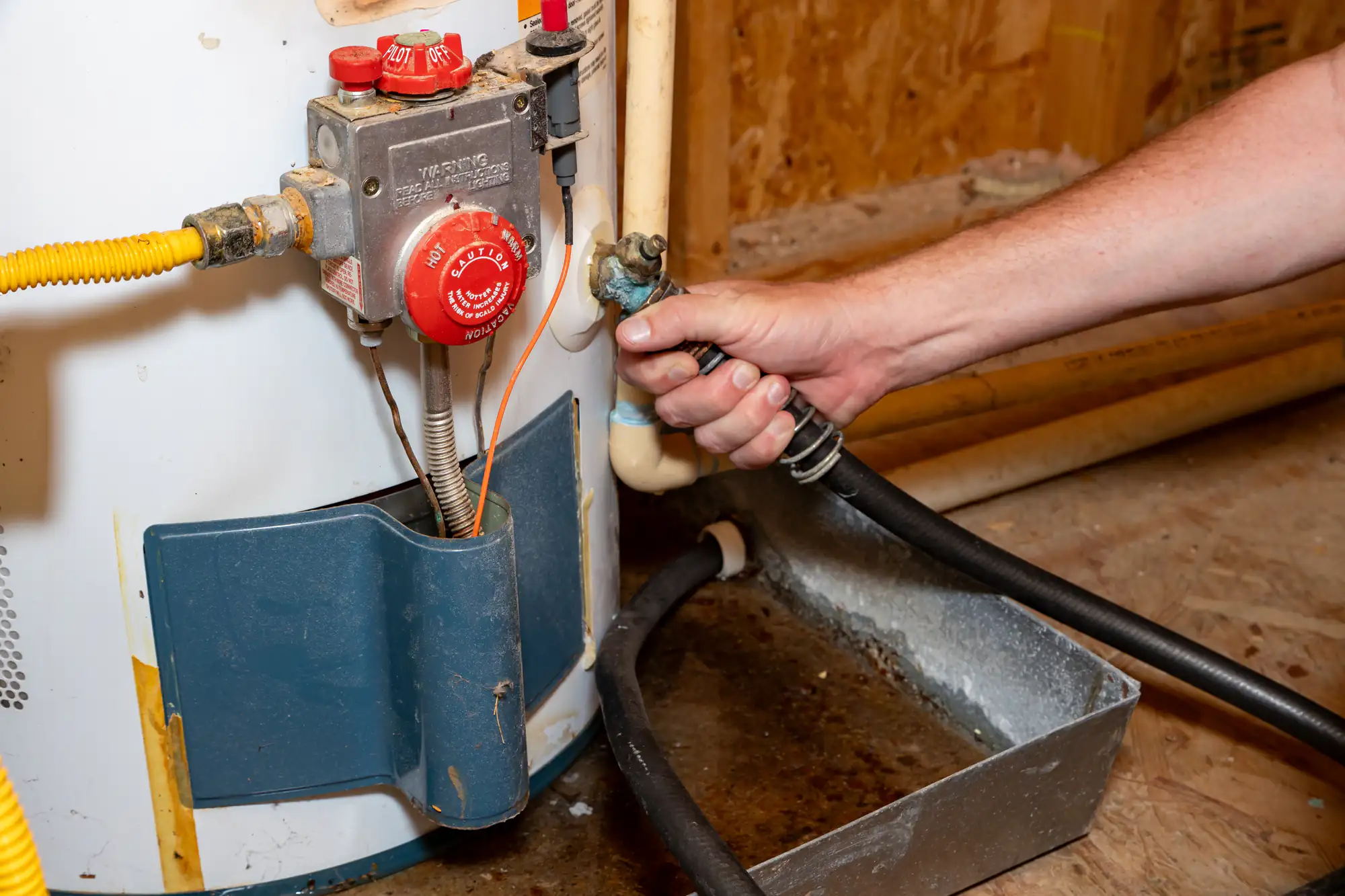
Once a year is the standard and for most Stony Brook homes running oil heat, it’s not optional. Oil combustion produces more soot per BTU than gas, so the buildup happens faster and the consequences of skipping a year are more significant. A single millimeter of soot on your heat exchanger surfaces is enough to raise flue gas temperature measurably and drop your boiler’s efficiency by 3 to 4 percent. Over a full heating season on Long Island, that adds up.
The best time to schedule is late summer or early fall before the heating season starts and before appointment slots fill. That window also gives you time to address any repairs before the first stretch of cold weather arrives. For homes near the water or in older parts of the Three Village area, where chimney systems may not have been serviced in years, getting a baseline cleaning and inspection done sooner rather than later is the smarter move.
Your oil delivery company services the burner unit the mechanical side of the system. They check ignition, clean nozzles, and make sure the burner is firing correctly. That’s useful, but it’s not the same as a full boiler cleaning, and it doesn’t touch the chimney side of the system at all.
A professional boiler cleaning covers the heat exchanger, the combustion chamber, the flue, the liner, and the exhaust pathway from the boiler all the way to the chimney top. For a Stony Brook home where the chimney may be decades old and the flue has been adapted to serve an oil boiler, that distinction is significant. Soot, blockages, cracks in the liner, and deteriorated mortar joints don’t show up on an oil company’s inspection they show up when a chimney specialist looks at the full system. If your oil company flagged a problem and told you to call someone, this is the call they meant.
Yes, and it’s one of the more serious reasons to stay current on cleaning. When soot and debris build up in the combustion chamber or the flue, the boiler can’t exhaust combustion gases the way it’s designed to. Incomplete combustion and restricted exhaust pathways are both conditions that increase carbon monoxide production and reduce the system’s ability to vent it safely out of the home.
For older homes in Stony Brook particularly those with chimney systems that have been modified over the years or that haven’t been inspected recently the risk is real. A cracked flue liner, a blocked exhaust pathway, or a deteriorated chimney cap can all compromise the draft that moves combustion gases out of the house. Annual cleaning and inspection is how you catch those conditions before they become a safety issue, not after. It’s also why the inspection component of the service matters as much as the cleaning itself.
For most boiler manufacturers, yes annual professional service is a condition of the warranty remaining valid. The specific language varies by manufacturer, but the general requirement is that the system be cleaned and inspected by a qualified professional on an annual basis. If you skip a year and something fails, the manufacturer has grounds to deny a warranty claim on the basis of improper maintenance.
This is worth paying attention to in Stony Brook, where a significant portion of the housing stock has older systems that may be approaching the end of their serviceable life. If your boiler is still under warranty, keeping that coverage intact is a straightforward reason to schedule annually. And if your system is older and out of warranty, the math still works a professional cleaning costs a fraction of what an emergency repair or full boiler replacement runs on Long Island, where replacement costs range from $5,500 to $15,000 installed.
New York doesn’t issue a single statewide chimney contractor license licensing is handled at the county level. Stony Brook is in Suffolk County, which means the credential that matters for work done here is a Suffolk County license. When you’re vetting a company, ask specifically whether they hold Suffolk County licensing, not just whether they’re “licensed in New York.”
You should also ask for proof of liability insurance and workers’ compensation coverage not just a verbal confirmation, but a certificate. This matters especially for work on older or high-value homes, where a contractor without proper coverage creates real financial exposure for the homeowner. We hold Suffolk County licensing and carry both liability insurance and workers’ compensation. We’re also CSIA-aligned and have held an “A” rating and award from both Angie’s List and the BBB for six consecutive years the kind of documented track record that holds up when you look into it.
A few things tend to show up before a boiler fails outright. If your heating bills have been climbing without a clear reason, reduced combustion efficiency from soot buildup is a likely contributor. If the boiler is running longer cycles than it used to, working harder to hit the same thermostat setting, that’s another signal. A visible increase in soot around the flue connection or a smell of combustion gases in the basement are more direct warnings that something in the exhaust pathway needs attention.
For Stony Brook homes specifically, there are a couple of additional factors worth watching. If your home is in the older part of the Three Village area and the chimney hasn’t been inspected in several years, the marine air off Long Island Sound accelerates corrosion in masonry joints and older liner materials. That kind of deterioration doesn’t always produce obvious symptoms inside the house it shows up during an inspection. If your oil company mentioned anything about the chimney or flue during a delivery or service call, that’s a direct trigger to schedule a cleaning and inspection before the heating season starts.
Other Services we provide in Stony Brook