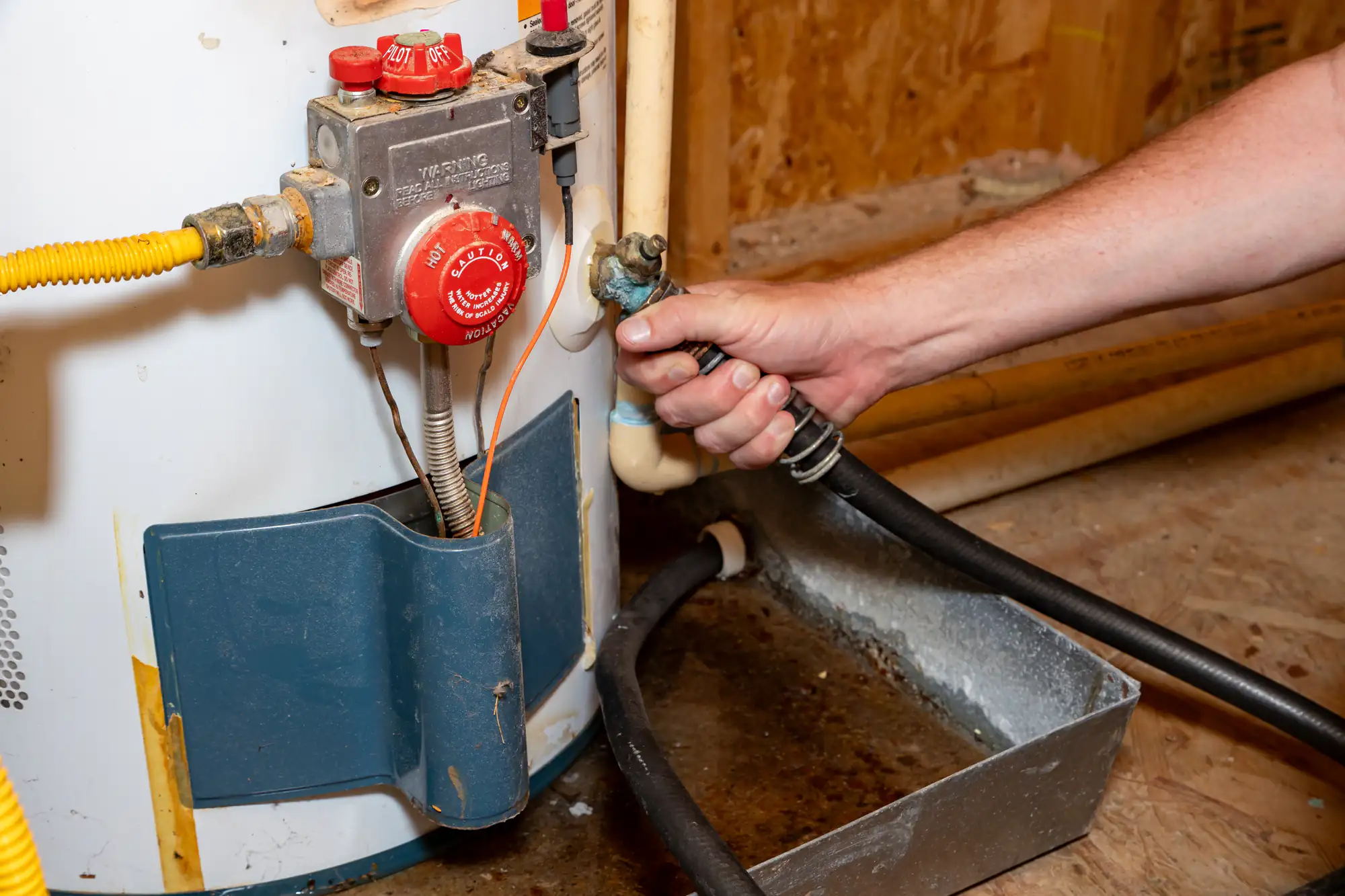


Your boiler runs more efficiently when the heat exchanger and flue are clear of soot. That’s not a theory a layer of buildup just one millimeter thick can drop boiler efficiency by three to four percent, which shows up directly in your fuel consumption every month the system runs. For West Gilgo Beach homeowners on oil heat with no gas alternative, that inefficiency compounds across an entire heating season.
What’s less obvious is what’s happening to your chimney flue and liner at the same time. The Atlantic air off Jones Beach Island accelerates corrosion on metal components at a rate that has no comparison in inland Long Island communities. Salt, moisture, and combustion byproducts combine in ways that degrade flue liners and exhaust venting faster than most homeowners expect. Annual cleaning and inspection catches that deterioration before it becomes a carbon monoxide risk or a structural failure not after.
For the homes in this community that have been standing since 1939, many with chimney systems that have never been relined or haven’t been touched in years, that inspection is not a formality. It’s the only way to know what you’re actually working with.
We’re based in Levittown, NY a straight shot down the Wantagh State Parkway to Ocean Parkway and right into West Gilgo Beach. This isn’t a company that added your community to a service area map without ever making the drive. We’ve already served homeowners in West Gilgo Beach, and the feedback speaks for itself: on time, extremely neat and professional, great job at a reasonable price.
For six consecutive years, we’ve been an award winner with both Angie’s List and the BBB, holding an “A” rating throughout. That’s not a one-time result it’s a track record. And it matters in a gated community like West Gilgo Beach, where you’re not just hiring a contractor, you’re clearing someone through a gate into a close-knit neighborhood where your neighbors will hear about your experience.
We hold licenses for both Suffolk County and Nassau County. West Gilgo Beach sits right at that county line Ocean Walk literally begins where Nassau ends and Suffolk begins. That dual-county coverage means there’s no ambiguity about whether we’re properly licensed for your home.
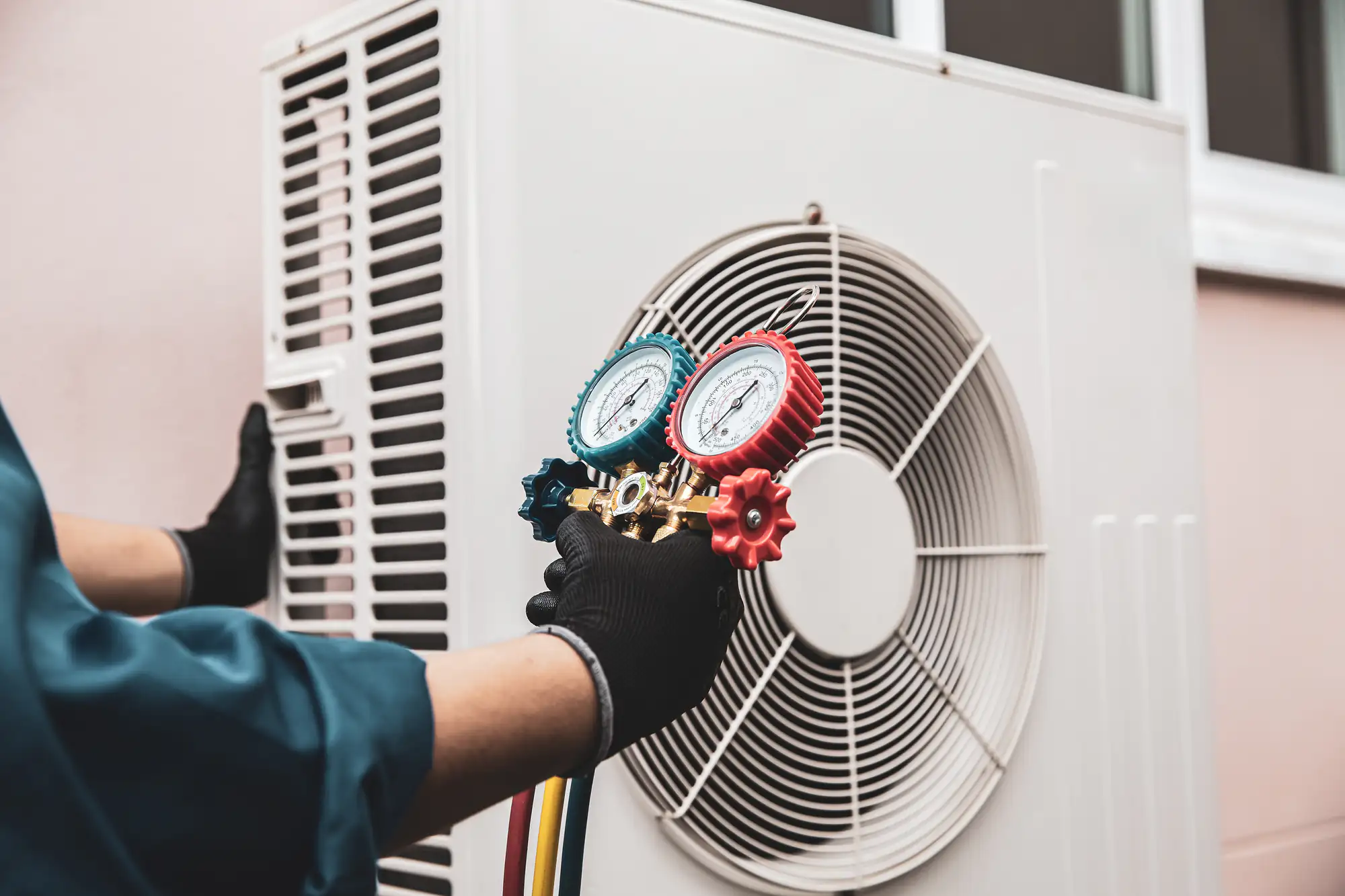
When we come to West Gilgo Beach, the visit covers the full system not just the boiler unit itself. We start with a visual inspection of the boiler, piping, and connections, checking for corrosion, leaks, and anything that looks wrong before any cleaning begins. In a saltwater environment like Jones Beach Island, that initial inspection carries more weight than it would in an inland town corrosion can progress quietly between visits.
From there, we clean the heat exchanger, burners, and ignition system to remove the soot and debris that reduce heat transfer and drive up fuel consumption. A combustion analysis follows, measuring and adjusting the air-to-fuel ratio so the system is burning efficiently, not just burning. We inspect the flue for blockages, cracks, and proper venting and clean it if needed. Safety controls are tested, including pressure valves, thermostats, and shutoffs. If there’s a nest or debris obstruction in the exhaust pathway, we clear that too.
Most residential boiler cleanings take roughly one to two hours. You’ll know what we found, what we did, and whether anything needs follow-up attention before we leave. No surprises, no pressure just a clear picture of where your system stands heading into the heating season.

Ready to get started?
Every boiler cleaning service we perform in West Gilgo Beach is built around the reality of what oil boilers face in this specific environment. The combination of oil combustion byproducts and Atlantic salt air creates conditions that are harder on chimney liners, flue venting, and exhaust components than anything a typical mainland Long Island home deals with. Our service reflects that it’s not a checklist run through in 30 minutes. It’s a thorough cleaning and inspection of the entire boiler-to-chimney system.
Because there is no natural gas infrastructure serving the barrier beach communities along Jones Beach Island, every home in West Gilgo Beach that heats in winter runs on oil. That makes the boiler the only system keeping the heat on, and it makes annual maintenance the single most important thing you can do to protect it. Most boiler manufacturer warranties also require annual professional service to remain valid skipping a year doesn’t just risk your equipment, it can void your coverage.
West Gilgo Beach sits within the Town of Babylon in Suffolk County, and all work we perform meets the applicable Town of Babylon mechanical codes and Suffolk County licensing requirements. All materials we use in any repair or liner work are UL listed and up to code which matters especially in a coastal environment where substandard components fail faster and with less warning than they would anywhere else.

The short answer is the environment. West Gilgo Beach sits directly on a barrier island with the Atlantic Ocean to the south and South Oyster Bay to the north. That constant exposure to salt air accelerates corrosion on metal components chimney liners, flue venting, exhaust connections at a rate that simply doesn’t happen in inland communities. A chimney liner that might hold up for 20 or more years in a town like Levittown or Amityville can show significant corrosion damage within a much shorter window here.
Annual boiler cleaning and inspection is the only reliable way to catch that deterioration before it creates a real problem. Soot buildup and salt-air corrosion don’t announce themselves they progress quietly until something fails. A professional cleaning visit gives you a current, accurate picture of where your system stands, not a guess based on how old the equipment is. For a community where oil heat is the only option and the housing stock includes structures dating back to 1939, that annual check-in is not a precaution. It’s a necessity.
Once a year is the standard recommendation for oil boilers, and in West Gilgo Beach that recommendation carries extra weight. Oil boilers accumulate soot and combustion residue faster than gas boilers, and the salt air environment on Jones Beach Island adds corrosion pressure on top of the normal wear. Waiting longer than a year means you’re allowing those two processes soot buildup and salt-air deterioration to compound without any professional eyes on the system.
The best time to schedule is before the heating season starts, typically in the fall. That way, if anything needs attention a corroded liner section, a blocked flue, a burner adjustment it gets handled before you need the heat, not after. For West Gilgo Beach homeowners who use their property seasonally and leave the boiler running or dormant through the winter without being present, fall service is especially important. You want to know the system is in good shape before you’re relying on it from a distance.
A skipped year rarely causes an immediate, visible problem which is exactly why it’s easy to justify and why it tends to become two skipped years, then three. What’s actually happening during that time is accumulation. Soot builds up on the heat exchanger and reduces how efficiently the system transfers heat, which means your oil burner is working harder and burning more fuel to produce the same amount of warmth. That shows up in your heating bill, even if you can’t trace it directly to the boiler.
The more serious concern is the flue and exhaust pathway. A blocked or partially obstructed flue doesn’t just reduce efficiency it can allow combustion gases, including carbon monoxide, to back up into the living space. In the older structures common in West Gilgo Beach, where original or aging chimney systems are operating in a saltwater environment, a flue problem can develop faster than it would in a newer mainland home. Skipping a cleaning doesn’t just mean a dirtier system. It means a year of undetected deterioration in a system you’re depending on entirely for heat.
This is one of the most common misunderstandings among Long Island oil heat customers. Your oil delivery company or burner service technician typically focuses on the mechanical unit the burner, the nozzle, the ignition system, the fuel pump. That work is valuable and necessary. But it stops at the boiler itself. The chimney flue, the liner, and the exhaust pathway that carries combustion gases out of your home are a separate system, and they require a different kind of expertise.
Chimney flue cleaning and inspection is a specialty service that requires chimney-specific training and equipment. A CSIA-certified chimney sweep is qualified to assess the condition of your flue liner, identify blockages or corrosion damage, and clean the full exhaust pathway from the boiler to the chimney top. Your oil company’s technician is not typically trained or equipped for that work. In West Gilgo Beach, where salt air corrosion adds a layer of complexity to every metal component in the exhaust system, having both services performed burner service from your oil company and flue cleaning from us is the complete picture.
Yes, and it’s one of the more serious reasons to stay current with boiler cleaning. Carbon monoxide is produced by incomplete combustion when the burner isn’t burning fuel cleanly and efficiently. A dirty boiler with soot-covered heat exchanger surfaces, a poorly adjusted burner, or a compromised air-to-fuel ratio is more likely to produce elevated CO levels than a clean, properly tuned system. That’s a documented relationship between maintenance and combustion quality.
The flue side of the equation matters just as much. If the chimney flue is blocked by soot accumulation, a collapsed liner section, a bird or animal nest, or debris combustion gases that should be venting outside can back up into the living space. In the older homes of West Gilgo Beach, where chimney systems may not have been inspected in years and where salt air corrosion can cause liner deterioration without obvious visible signs, a blocked or compromised flue is a real possibility. Annual cleaning and inspection directly addresses both the combustion side and the venting side of the carbon monoxide risk.
We do service West Gilgo Beach and have already done so. There’s a verified customer review from this community on our website, praising our crew for arriving on time, working neatly and professionally, and completing the job at a fair price. This isn’t a company adding your zip code to a coverage map. It’s a company that has made the drive down the Wantagh State Parkway to Ocean Parkway and through the gate.
On the access question: West Gilgo Beach is a private, gated community, and we understand that. When you schedule a service visit, the process includes coordinating gate access in advance so our technician arrives without any friction on your end. Ocean Parkway is a limited-access parkway no commercial trucks and our service vehicles are equipped accordingly. The logistics of getting to a barrier island community are not new to us. We’re based in Levittown, hold licenses for both Suffolk County and Nassau County, and are familiar with the South Shore barrier beach geography. Getting to West Gilgo Beach is a straightforward trip for a company that already knows the route.
Other Services we provide in West Gilgo Beach