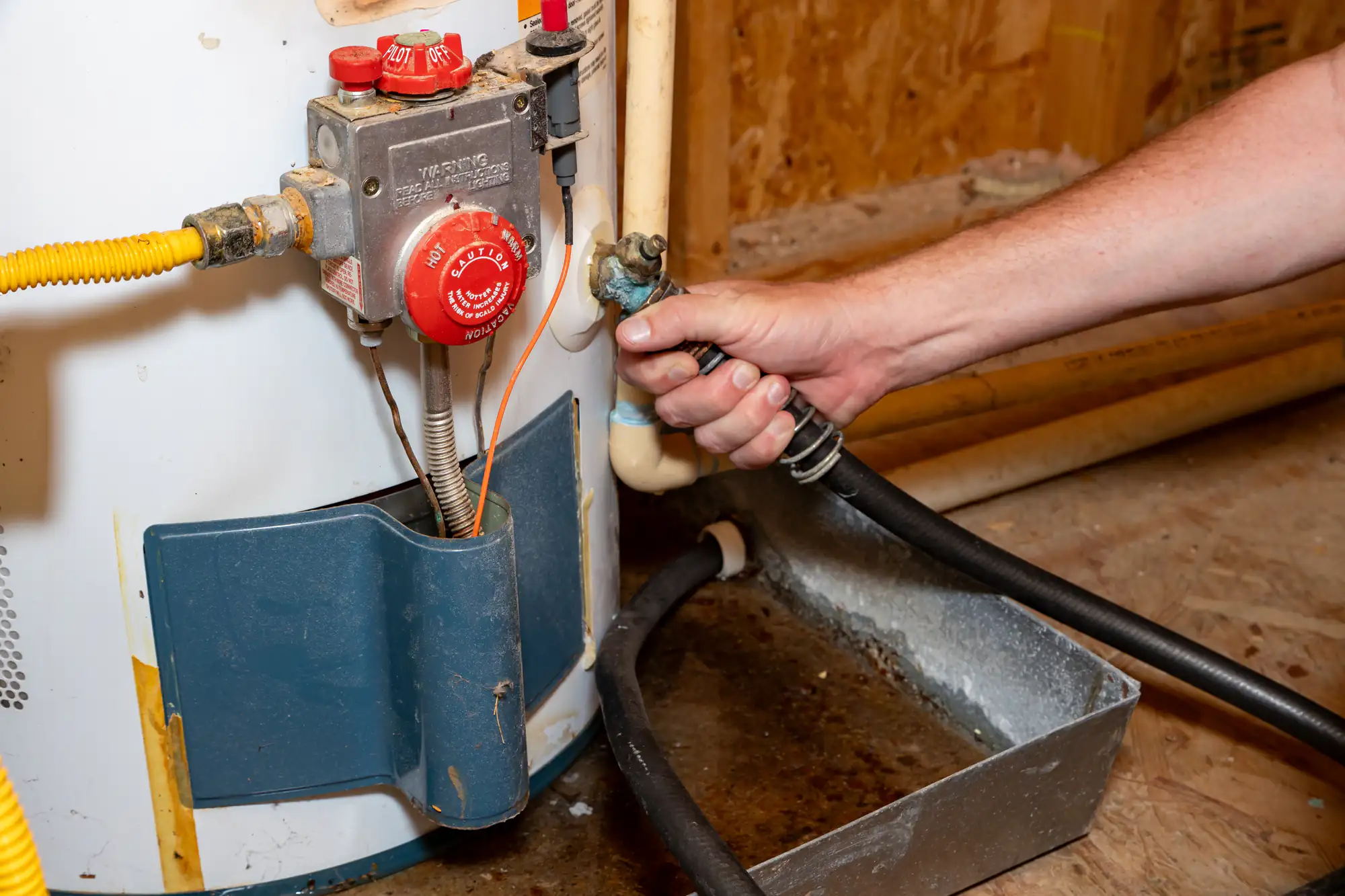


West Hills sits at one of the highest elevations on Long Island Jayne’s Hill in West Hills County Park reaches close to 400 feet above sea level. That’s not just trivia. It means your boiler runs longer and harder each winter than systems in the flat communities surrounding you. Soot builds up faster under sustained demand, and a boiler that hasn’t been cleaned in a season or two is working against itself burning more fuel than it needs to while quietly losing efficiency.
When we clean the system properly, you get that efficiency back. A layer of soot just one millimeter thick can reduce heat transfer efficiency by three to four percent and push flue gas temperatures up by 20 to 25 degrees Celsius. That translates directly into higher fuel bills and more wear on the equipment. Clean it out and the boiler runs the way it was designed to tighter combustion, better heat output, less fuel wasted.
There’s also the flue to think about. West Hills is one of the most densely wooded residential communities on Long Island. The 855-acre West Hills County Park borders neighborhoods throughout the hamlet, and virtually every home sits under a heavy tree canopy. Each fall, leaves and debris settle into chimney openings. Birds and small animals find their way in year-round. A blocked or partially obstructed flue doesn’t just hurt efficiency it creates a real carbon monoxide risk. Getting the full system cleaned, from the burner through the flue to the chimney cap, addresses both problems at once.
We’ve been serving Long Island homeowners for years, and the Town of Huntington which includes West Hills is well within the territory we know well. We’re based in Bethpage and licensed for Suffolk County, so when you call, you’re not getting a company that’s guessing at your area. We’ve worked on homes throughout Huntington, on the same kinds of older, wooded-lot properties that make up much of West Hills.
What keeps people calling us back isn’t a sales pitch it’s that we tell you what you actually need. One of the things customers mention most in their reviews is that our technicians have told them they didn’t need a service they called about. That’s not common in this industry. We’d rather earn your trust and have you call us next year than oversell you once.
Ageless Chimney has earned an “A” rating with the BBB and an Angie’s List award for six consecutive years. Those aren’t one-time snapshots they’re a sustained record you can verify before you ever pick up the phone.

When we come to your West Hills home, the first thing that happens is a full visual inspection the boiler itself, the piping, the connections, and any visible signs of corrosion, leaks, or wear. For homes in West Hills, where a lot of the housing stock dates back to the mid-20th century and some older still, that inspection step matters more than people realize. Aging flue liners and older oil boiler systems can develop issues that are completely invisible from the outside.
From there, our technician cleans the heat exchanger, burners, and ignition system removing the soot and debris that reduce heat transfer and force the boiler to work harder than it should. A combustion analysis follows, which measures and adjusts the air-to-fuel ratio for optimal efficiency. Then the flue gets inspected and cleaned, which in a wooded community like West Hills often means clearing out seasonal debris or addressing nesting that’s accumulated since the last service.
Safety controls are tested pressure valves, seals, thermostats, electrical connections, and safety shutoffs. Gas or oil pressure is checked and verified. If anything looks like it needs attention beyond the cleaning, you’ll hear about it clearly before any additional work is discussed. The visit typically takes one to two hours for most residential systems. When we leave, your home looks exactly the way it did when we arrived that’s something customers consistently mention, and it’s not an accident.
Ready to get started?
Most HVAC companies that offer boiler service stop at the mechanical unit the burner, the heat exchanger, the pressure valves. That’s the box in your basement. What they don’t touch is the chimney flue, the liner, and the exhaust pathway that carries combustion gases out of your home. We cover all of it.
For West Hills homeowners, that full-system approach is especially relevant. Many homes in this community were built in the 1950s through 1970s with original chimney infrastructure that may have never been professionally inspected. Oil-fired boilers the dominant heating system throughout Suffolk County produce more soot per BTU than gas systems and require more consistent professional attention. If the flue liner is original to the home, it’s worth knowing what condition it’s actually in, not just assuming it’s fine because the boiler still runs.
Our boiler cleaning service includes heat exchanger and burner cleaning, combustion analysis, flue inspection and cleaning, safety control testing, nest and obstruction removal when present, and a written assessment of anything that needs follow-up. All materials used in any repair or installation work are UL listed and up to code that matters when you’re dealing with older systems where the original components may no longer meet current safety standards. Ageless Chimney is licensed for Suffolk County and carries both liability insurance and workers’ compensation, so you’re covered from the moment our technician steps through the door.
For most West Hills homes, once a year is the right interval and the timing matters. West Hills sits at the highest elevation on Long Island, which means the heating season here is longer and more demanding than in lower-lying communities. Boilers running under that kind of sustained load accumulate soot faster, and a system that goes two or three seasons without cleaning is quietly losing efficiency the whole time.
The best window to schedule is late summer or early fall before the heating season starts and while the boiler is still idle. That way, if we find something that needs attention, there’s time to address it before you actually need the system running. Scheduling in September or October also means you’re not competing with emergency calls during the first cold snap of the season, when appointment availability gets tight fast. If you’re on oil heat, which is common throughout Suffolk County, annual cleaning is especially important oil-fired systems produce more soot than gas and need more consistent professional attention to stay efficient and safe.
This is one of the most common points of confusion for Long Island homeowners, and it’s worth being clear about. When your oil delivery company or oil service technician comes out, they’re typically servicing the burner unit the mechanical components that ignite and combust the fuel. That’s important work, but it’s not the same as a full boiler cleaning and flue inspection.
What often goes unaddressed is the chimney flue and exhaust pathway the system that carries combustion gases, including carbon monoxide, out of your home. In a wooded community like West Hills, that pathway can accumulate leaves, debris, and nesting material from the surrounding tree canopy, especially after fall. A blocked or partially obstructed flue is a safety issue that a burner tune-up won’t catch or fix. Professional boiler cleaning from Ageless Chimney covers the entire system from the heat exchanger and burners through the flue and up to the chimney cap which is the only way to know the full picture is clean and functioning correctly.
Yes, and it’s one of the more serious reasons not to skip annual service. Carbon monoxide is produced during combustion, and under normal conditions, it exits your home through the flue. When the flue is blocked by soot buildup, debris, or a nest those gases can backdraft into the living space instead. The problem is that carbon monoxide is colorless and odorless, so there’s no obvious warning until symptoms appear.
In West Hills, the risk is compounded by the wooded environment. The dense tree canopy surrounding most homes in this hamlet means chimney openings are consistently exposed to falling leaves, twigs, and wildlife activity throughout the year. A flue that was clear last spring may have partial obstructions by the time you fire the boiler up in November. Annual cleaning catches those obstructions before they become a hazard. It’s also worth noting that a dirty heat exchanger with an improper air-to-fuel ratio can produce elevated carbon monoxide even without a flue obstruction combustion analysis during professional cleaning catches and corrects that as well.
For many boiler manufacturers, yes annual professional maintenance is a condition of keeping the warranty valid. If the boiler fails and there’s no record of regular service, the manufacturer can decline the claim on the grounds that the equipment wasn’t maintained according to their requirements. This is especially relevant for West Hills homeowners with newer systems who assume that a newer boiler doesn’t need the same attention as an older one.
The reality is that all boilers new and old, gas and oil accumulate soot and require annual cleaning to operate as designed. Newer systems can actually be more sensitive to buildup because of tighter tolerances in the heat exchanger. Keeping a record of annual professional service protects your warranty, maintains the manufacturer’s performance guarantees, and gives you documentation if you ever need to make a claim. It also gives you a consistent baseline a technician who has serviced your system annually will notice changes year over year that a first-time visitor would have no context for.
Professional boiler cleaning and service in the New York area typically runs in the range of $200 to $500 annually, depending on the scope of the work and the condition of the system. That figure covers the full cleaning, inspection, combustion analysis, and safety checks that make up a proper annual service visit.
Compare that to the cost of reactive repairs a zone valve replacement on Long Island runs $350 to $700, a pump replacement runs $400 to $900, and a full boiler replacement can reach $5,500 to $15,000 installed. For a West Hills homeowner with a median property value close to $750,000 and a heating system that may have been in service for 20 or more years, annual maintenance is straightforwardly the lower-cost option. The math isn’t complicated: a few hundred dollars a year to keep the system clean and running efficiently costs far less than a single major repair and far less than an emergency replacement call in the middle of a January cold snap when West Hills temperatures can run colder than the surrounding lowlands due to the hamlet’s elevated terrain.
The first thing to check is licensing and in New York, that means county-specific licensing, not just a general state contractor’s license. West Hills is in Suffolk County, and any chimney or boiler cleaning company working here should be licensed for Suffolk County specifically. Ask for it directly. A legitimate company will have no hesitation providing that information.
Beyond licensing, look for CSIA certification the Chimney Safety Institute of America credential is the industry standard for chimney and flue professionals, and it’s verifiable through the CSIA’s own lookup tool. You also want to confirm that the company carries both liability insurance and workers’ compensation. These aren’t optional they protect you if anything goes wrong during the visit. Finally, look at the actual review record, not just the star rating. Reviews that mention specific details the technician explained what they found, they cleaned up after themselves, they told the homeowner what they didn’t need tell you more than a generic five-star score. West Hills homeowners tend to do their research before hiring, and in this case, the research is worth doing. A company with a multi-year track record of verified reviews and sustained industry recognition is a meaningfully different thing from one with a handful of recent ratings and no history to speak of.
Other Services we provide in West Hills