

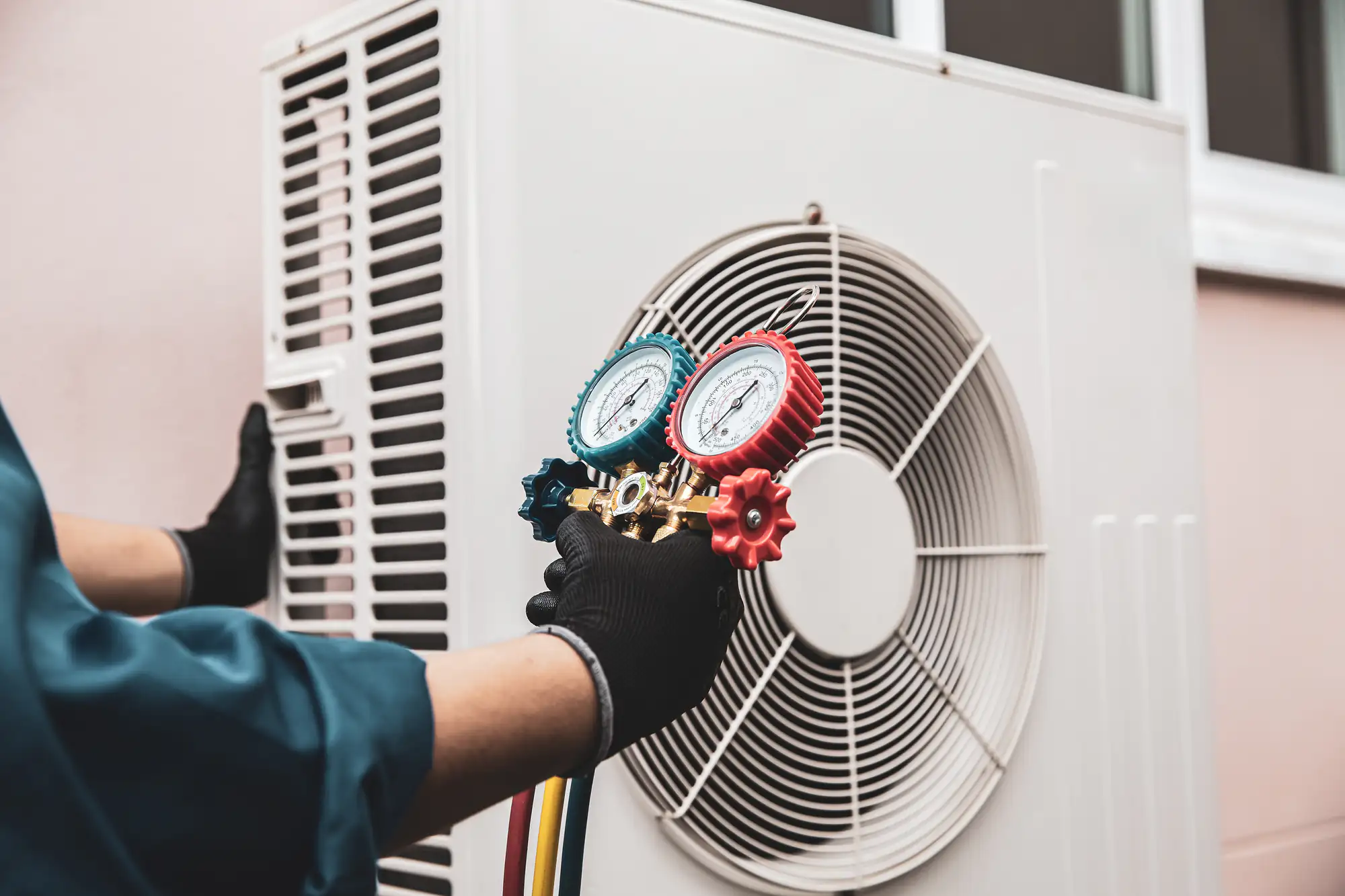
A clean boiler isn’t just more efficient it’s safer. Soot and combustion buildup accumulate quietly over time, and even a thin layer on your heat exchanger can drop efficiency by 3 to 4 percent. That means your system is burning more fuel to produce the same amount of heat, and you’re paying for it every month without realizing why.
West Sayville’s housing stock skews older many homes along and south of Montauk Highway were built in the 1940s and 1950s, and some of the waterfront properties near the Great South Bay go back even further. Older homes mean older chimney systems: original clay tile liners, aging masonry, and flue pathways that haven’t been professionally cleaned in years, sometimes longer. That’s just the reality of owning a home in a community this established.
Then there’s the coastal factor. Salt air from the Great South Bay doesn’t stay outside. It works its way into mortar joints, accelerates corrosion on metal flue components, and quietly degrades the chimney infrastructure that keeps combustion gases moving out of your home. Annual boiler cleaning and inspection catches that deterioration before it turns into a repair bill or worse, a safety issue you didn’t see coming.
We’ve earned “A” ratings and award recognition from both Angie’s List and the BBB for six consecutive years. That kind of track record doesn’t come from one good season it comes from showing up honestly, doing the work right, and not padding the invoice with services you don’t actually need. More than one customer has been told by an Ageless Chimney technician that they didn’t need the service they called about. That’s the kind of company we are.
We’re licensed for Suffolk County, which means we’re fully authorized to work in West Sayville and throughout the Town of Islip. We carry both liability insurance and workers’ compensation not just a verbal assurance, a verifiable certificate. Whether your West Sayville home is a mid-century ranch off Montauk Highway or an older property closer to the bay, our technicians have worked in homes just like yours, with the same oil-fired systems and the same aging chimney infrastructure that defines this part of Long Island.

When an Ageless Chimney technician arrives at your West Sayville home, we start with a full visual inspection the boiler itself, the piping, connections, and any visible signs of corrosion, leaks, or wear. This matters more in older homes, where systems have had decades to develop issues that aren’t always obvious on the surface.
From there, the actual cleaning begins. We clear the heat exchanger and burners of soot and debris the buildup that forces your boiler to work harder than it should. A combustion analysis follows, measuring the air-to-fuel ratio and adjusting it for optimal efficiency. Then we inspect and clean the flue: blockages, soot accumulation, and any deterioration in the liner or exhaust pathway are addressed. We test safety controls pressure valves, thermostats, electrical connections, and shutoffs. We check gas or oil pressure levels and recalibrate the burner if needed.
For West Sayville homes, the chimney side of this process often reveals the most. Salt air exposure and the age of the local housing stock mean flue liners and masonry components tend to show wear faster here than in inland communities. Most residential visits take around one to two hours. You’ll know exactly what we found, what we did, and what if anything needs follow-up before the job is complete.
Ready to get started?
Most HVAC companies stop at the mechanical unit. They clean the burner, check the pressure, and call it done. What they don’t touch is the chimney flue, the liner, and the exhaust pathway that carries combustion gases out of your home. That’s a separate scope of work and it’s the part that matters most for safety. We handle both sides of the system, which is a meaningful distinction for West Sayville homeowners with older homes and older chimney infrastructure.
Our boiler cleaning service covers heat exchanger and burner cleaning, combustion analysis, flue inspection and cleaning, safety control testing, oil or gas pressure verification, burner adjustment, and a written summary of findings. If there’s a nest, blockage, or obstruction in the exhaust pathway something oil delivery technicians in West Sayville flag regularly during service visits we address that as part of the process too.
We also handle chimney repair work that often surfaces during a cleaning: mortar pointing, crown repair, liner assessment, and cap replacement. For a coastal community like West Sayville, where salt air from the Great South Bay accelerates masonry wear, catching those issues during an annual cleaning is far less expensive than discovering them after a failure. All materials we use are UL listed and up to code not just industry standard, but a verifiable safety certification.

Once a year is the standard recommendation, and for most West Sayville homes, that’s not just a guideline it’s genuinely necessary. The combination of older housing stock, oil-fired heating systems, and coastal salt air exposure creates conditions where annual cleaning isn’t optional if you want your system running safely and efficiently. Oil combustion produces more soot than natural gas, and that soot accumulates in the heat exchanger and flue pathway at a rate that makes skipping a year a real risk, not just a minor inconvenience.
There’s also a practical financial reason to stay on schedule. Most boiler manufacturers require annual professional maintenance to keep the warranty valid. If you skip a cleaning and something fails, you may find that the repair or replacement isn’t covered. For a community where median home values are above $600,000, protecting your heating system with a yearly service visit is one of the more straightforward maintenance decisions you can make.
Yes, and the distinction is important. When your oil company sends a technician to service your burner, they’re working on the combustion unit the mechanical side of the system. They’re adjusting the nozzle, checking the pump, and making sure the burner is firing correctly. What they’re not doing is cleaning the chimney flue, inspecting the liner, or clearing the exhaust pathway that runs from the boiler through the chimney and out of your home. That’s a separate scope of work that requires chimney expertise, not HVAC expertise.
This comes up regularly with West Sayville homeowners because oil heat is common here and fuel delivery companies do provide annual burner service. But the flue side of the system the part that vents combustion gases safely out of your house accumulates soot, can develop blockages, and in older homes with original clay tile liners, can show cracking or deterioration that only a chimney professional is equipped to assess and address. Both services matter. They just cover different parts of the system.
A few things are worth paying attention to. If your heating bills have gone up without an obvious explanation, reduced boiler efficiency from soot buildup is a likely contributor even a thin layer on the heat exchanger forces the system to burn more fuel to produce the same heat output. Unusual smells, particularly a sooty or smoky odor when the heat kicks on, can indicate combustion byproducts aren’t venting cleanly. Visible soot or black residue around the boiler or flue connections is a more direct signal that cleaning is overdue.
For West Sayville homes, there’s an additional trigger that comes up often: your oil delivery technician notices something during a service visit and mentions a problem with the chimney or flue. That’s a common scenario in this area, and it’s a signal worth acting on quickly. The oil company can tell you something is wrong but clearing the flue, inspecting the liner, and doing the actual chimney-side cleaning is a job for a chimney specialist. If any of these situations sound familiar, scheduling a boiler cleaning and inspection sooner rather than later is the right call.
Routine annual boiler cleaning and inspection does not typically require a permit. The technician is servicing and cleaning the existing system not modifying it so a standard cleaning visit falls outside the permit threshold under Town of Islip building requirements.
Where permits do come into play is when the cleaning reveals repair work that goes beyond maintenance. If the inspection uncovers a damaged chimney liner that needs replacement, significant masonry deterioration requiring structural repair, or a boiler component that needs to be replaced, those types of modifications may require a permit under Town of Islip building codes. We’re licensed for Suffolk County and familiar with the permitting expectations in this jurisdiction. If any work surfaces during your cleaning that would require a permit, you’ll be told clearly before anything proceeds no surprises, no work started without your understanding of what’s involved.
Summer is actually the most practical time to schedule, even though it feels counterintuitive. When the boiler isn’t in active use, our technician can work without disrupting your heat, and if the inspection turns up anything that needs repair, there’s time to address it before the heating season begins. Appointment availability is also better in summer than in the fall, when demand picks up sharply as homeowners start thinking about the cold months ahead.
That said, fall scheduling September through November is when most West Sayville homeowners get around to it, and that’s still a solid window. What you want to avoid is waiting until January when the heat goes out during a cold snap and you’re calling for emergency service. Suffolk County winters are real, and a boiler failure on a night when temperatures are in the low 30s is a different kind of problem than scheduling a cleaning in August. If your last cleaning was more than a year ago, the right time to book is now not when the system gives you a reason to.
The most meaningful difference is scope. Most companies that offer boiler cleaning in the West Sayville area are HVAC-focused they service the mechanical unit and leave the chimney side of the system untouched. We cover the full exhaust pathway: burner, heat exchanger, flue, liner, and chimney. For a community where homes were largely built in the 1950s and many are still running on original or early-replacement chimney infrastructure, that full-system approach matters in a way it might not in a newer development.
Beyond scope, the track record is verifiable. Six consecutive years of Angie’s List and BBB award recognition isn’t something you can manufacture it reflects consistent customer experiences over time. Our technicians have been specifically noted for honest assessments, telling customers when they don’t need a service rather than finding something to fix on every visit. For West Sayville homeowners who are doing their homework before letting a contractor into their home, that combination of sustained recognition, Suffolk County licensing, full liability and workers’ compensation insurance, and a genuine specialty in older Long Island chimney systems is what sets Ageless Chimney apart from the other names that come up in a local search.
Other Services we provide in West Sayville