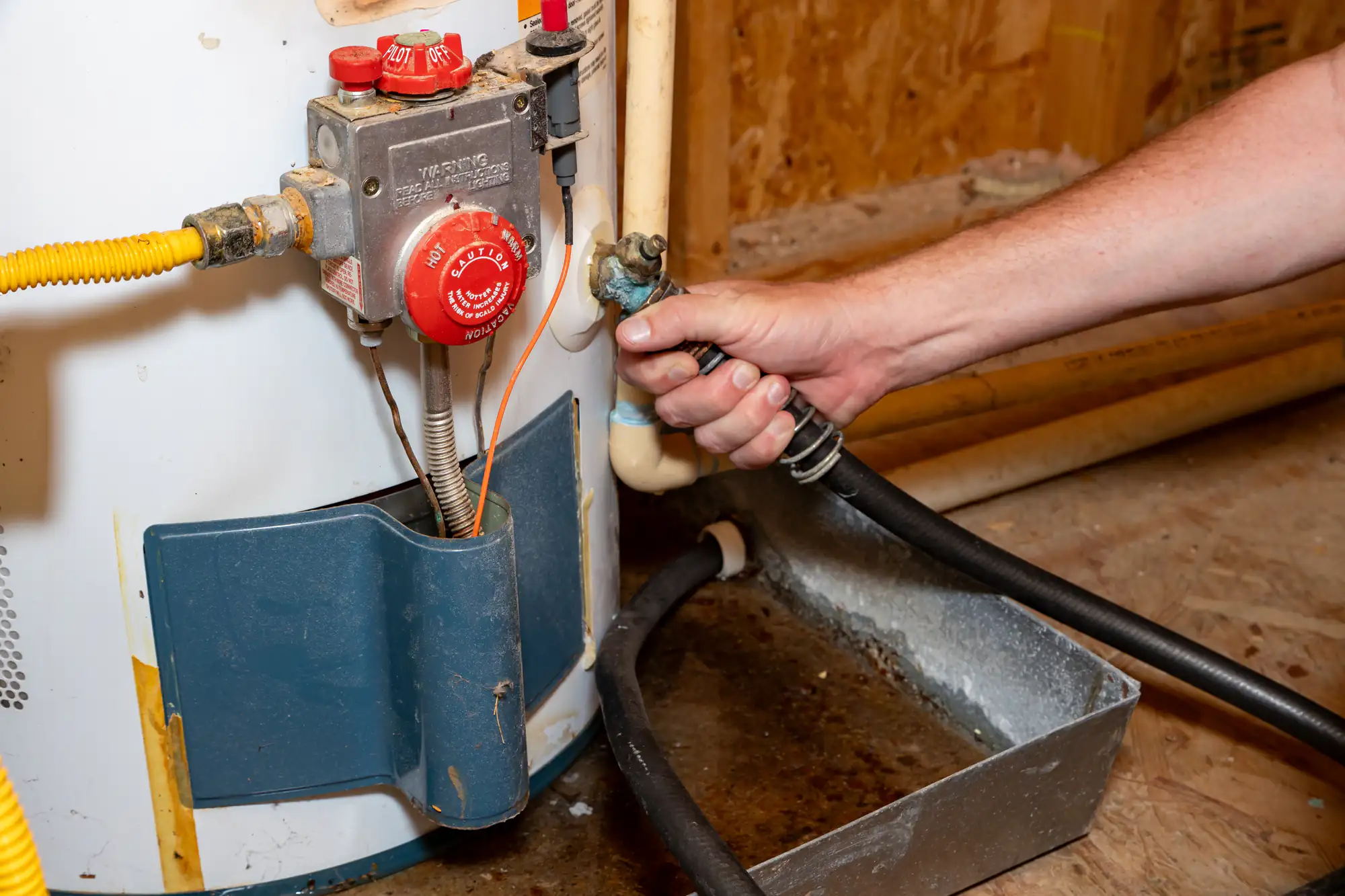

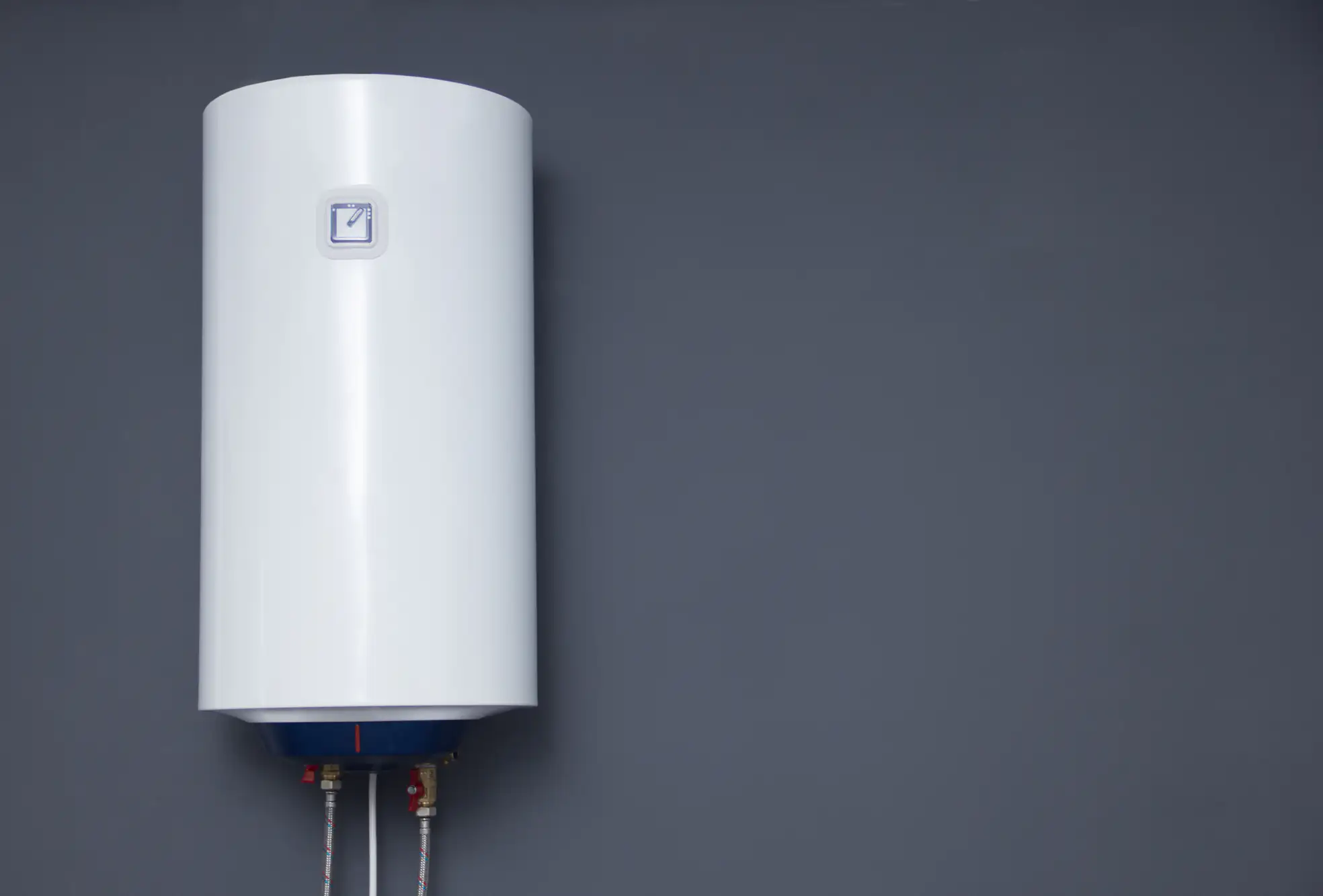
A boiler that hasn’t been professionally cleaned is working harder than it needs to burning more fuel, pushing combustion gases through a flue that may be partially blocked, and running at an efficiency level that costs you money every single month. Once that buildup is cleared, the system breathes the way it was designed to. Heat transfer improves, fuel consumption drops, and you’re not gambling on whether the equipment holds up when temperatures fall.
For homeowners in Wildwood and the surrounding North Shore bluff area, this matters more than it might in other parts of Long Island. The elevated position means colder, windier winters with more sustained boiler run time than inland Suffolk communities. Your system accumulates soot and carbon deposits faster when it’s working harder and oil-fired boilers, which are the standard in this region, produce more residue per heating cycle than gas systems to begin with. Annual professional cleaning isn’t a suggestion here. It’s what keeps the system running safely and efficiently through a full North Shore heating season.
There’s also the chimney side of this that most people don’t think about. The flue running from your boiler up through the roof is exposed to the same salt air and freeze-thaw conditions that wear on everything else near the Sound. Corrosion, condensation, and blockages in the flue don’t just reduce efficiency they create carbon monoxide risk. A clean boiler connected to a compromised flue is still a problem. That’s why our complete boiler cleaning service addresses both ends of the system.
We’ve been recognized by both Angie’s List and the BBB with awards for six consecutive years. That’s not a one-time rating from a good month it’s sustained recognition built on consistent work, honest assessments, and customers who actually came back and said so. We’re based in Bethpage and licensed to serve Suffolk County, which means every job in the Wildwood and Wading River area is backed by the county-specific credentials New York State requires.
What separates us from a standard HVAC company is scope. Most heating contractors clean the boiler unit and stop there. We cover the full system from the burner through the flue to the chimney top. For a home near Wildwood State Park, where salt air off the Sound accelerates corrosion in chimney components and older flue liners are common in the postwar housing stock, that full-system approach is the difference between a cleaning that actually solves the problem and one that only addresses half of it.
Every material we use is UL listed. We carry liability insurance and workers’ compensation. And if something comes up on a freezing January night, 24/7 emergency service is available documented in real customer reviews, not just listed on a website.

The process starts with a full visual inspection the boiler unit, the piping, the connections, and the flue. Before anything is cleaned, our technician assesses what’s actually there: corrosion, leaks, blockages, signs of wear. In older Wildwood and Wading River homes, this inspection often turns up things the homeowner didn’t know about aging liner sections, corroded caps, or condensation damage in the flue from years of salt air exposure. You’ll know what was found and what it means before any work begins.
From there, the heat exchanger, burners, and ignition components are cleaned to remove the soot and carbon deposits that reduce heat transfer efficiency. A combustion analysis follows measuring the air-to-fuel ratio and adjusting it for optimal performance. This step matters especially for oil boilers, which need precise calibration to burn cleanly. We test safety controls: pressure valves, seals, thermostats, and shutoffs. The flue is inspected and cleaned for blockages, and if there’s a nest or debris from the off-season, that comes out too.
Most residential boiler cleanings take one to two hours. Suffolk County requires that this work be performed by a licensed contractor we hold that license for this county. Fall is when appointment slots fill fastest on the North Shore, so if you’re thinking about scheduling before the heating season, earlier is better. Summer is actually the ideal window the boiler is off, the work is uninterrupted, and any issues found can be addressed before the cold arrives.
Ready to get started?
What we deliver is a boiler cleaning service that covers the complete exhaust system not just the mechanical unit. That means the burners, heat exchanger, and ignition components are cleaned, the combustion analysis is performed, the safety controls are tested, and the flue running from the boiler to the chimney top is inspected and cleared. For homeowners in Wildwood, where the chimney is exposed to Long Island Sound salt air and freeze-thaw cycling that doesn’t affect inland communities the same way, having the flue assessed by a chimney specialist not just an HVAC technician is what makes the service complete.
Oil boiler cleaning is the primary need in this community. Wildwood and the surrounding North Shore are oil heat country, and oil systems require more frequent and more thorough cleaning than gas systems because of the higher soot output per heating cycle. If your oil delivery company has flagged something a blockage, a buildup, a nest in the flue we’re the follow-up call that actually resolves it. Oil delivery technicians service the burner unit; they don’t clean the chimney flue or liner. That’s a separate, specialized job.
All work is performed by licensed, insured professionals. Materials we use in any repair or replacement component are UL listed and code-compliant for Suffolk County. If your boiler is under warranty, most manufacturers require documented annual professional maintenance to keep that coverage valid skipping a cleaning can void it. A professional boiler cleaning and inspection from us covers that requirement and gives you a clear picture of where your system stands.

Once a year is the standard and for homes in Wildwood and the surrounding North Shore area, it’s not something to push off. Oil-fired boilers, which are the dominant heating system in this part of Suffolk County, produce more soot and carbon deposits per heating cycle than gas systems. That buildup accumulates on heat transfer surfaces and inside the flue, reducing efficiency and creating safety risks if it goes unaddressed.
The recommended time to schedule is summer, when the boiler isn’t in use. That way, any issues found during the inspection can be repaired before the heating season starts, and the work doesn’t interrupt your heat supply. Fall appointments fill quickly on the North Shore if you wait until October, you may be waiting longer than you’d like. Scheduling in July or August keeps you ahead of the rush and gives you a fully serviced system before the first cold snap off the Sound arrives.
A thorough boiler cleaning covers more than most people expect. It starts with a full visual inspection of the boiler, piping, and connections looking for corrosion, leaks, and any signs of wear. Then the heat exchanger, burners, and ignition system are cleaned to remove the soot and carbon deposits that reduce heat transfer. A combustion analysis is performed to measure and adjust the air-to-fuel ratio, which directly affects both efficiency and emissions.
Beyond the mechanical unit, the flue is inspected and cleaned for blockages, debris, and any structural issues. Safety controls are tested pressure valves, seals, thermostats, and shutoffs. If there’s a nest or obstruction in the chimney from the warmer months, that’s removed as well. For homes in Wildwood, where the chimney is exposed to salt air and seasonal moisture from Long Island Sound, the flue inspection is especially important corrosion and condensation damage in the exhaust pathway are more common here than in sheltered inland communities.
Your oil delivery technician services the burner unit that’s their expertise. When they flag something in the flue, a blockage, a nest, visible soot buildup at the clean-out, or a damaged cap, that’s a chimney issue, not an HVAC issue. Those are two different scopes of work, and the right call is a licensed chimney specialist, not another HVAC contractor.
This scenario comes up regularly in the Wildwood area, where multiple oil delivery companies actively serve the community. When a delivery tech spots a problem and tells you to get it looked at, we’re the follow-up that covers the full system: the flue, the liner, the cap, and the exhaust pathway from the boiler to the chimney top. That’s the part of the system your oil company doesn’t touch, and it’s exactly what needs professional attention when something has been flagged.
Yes, and it’s one of the more serious risks that comes with deferred boiler maintenance. When soot and carbon deposits build up on the heat exchanger, combustion becomes less efficient and incomplete which means more carbon monoxide is produced as a byproduct. If the flue is also partially blocked, those combustion gases can’t exit the way they’re supposed to, and some of that CO can back-draft into the living space.
For homes in Wildwood, the flue risk is compounded by the local environment. Salt air off Long Island Sound accelerates corrosion in metal chimney liner components, and freeze-thaw cycling can crack masonry and open gaps in the exhaust pathway. A boiler that appears to be running fine can still have a compromised flue that’s allowing combustion gases to escape where they shouldn’t. Annual boiler cleaning with a full flue inspection catches these conditions before they become a health risk that’s the practical reason the service matters, not just the efficiency and cost savings.
For most boiler manufacturers, yes. Annual professional maintenance is a standard warranty requirement, and failing to document it can void your coverage if a component fails and you need to make a claim. This applies to both newer systems and recently replaced boilers the warranty clock starts running from installation, and the maintenance requirement typically kicks in from year one.
If you’ve had your boiler replaced in the last few years which is not uncommon in Wildwood’s older housing stock, where aging postwar systems eventually reach the end of their service life this is worth taking seriously. A new boiler installation in Suffolk County can run $5,500 to $15,000 depending on the system. Protecting that investment with annual professional cleaning and keeping documentation of the service is straightforward insurance against a warranty dispute. We perform the full service that satisfies that requirement and can provide documentation of what was done.
New York State doesn’t issue a single statewide chimney or boiler contractor license licensing is county-specific. That means a company needs to hold the appropriate license for Suffolk County specifically to legally perform this work in the Wildwood and Wading River area. When you’re vetting a provider, ask directly for their Suffolk County contractor license. A legitimate company will have it and won’t hesitate to show it.
Beyond licensing, ask for a Certificate of Insurance that shows both liability coverage and workers’ compensation. Verbal assurances aren’t enough you want the certificate. A contractor working in your home without workers’ comp coverage can expose you to liability if someone is injured on your property. We carry both, hold the required Suffolk County licensing, and work with materials that are UL listed and code-compliant. Those aren’t extras they’re the baseline you should expect from any professional boiler cleaning company serving Wildwood.
Other Services we provide in Wildwood