

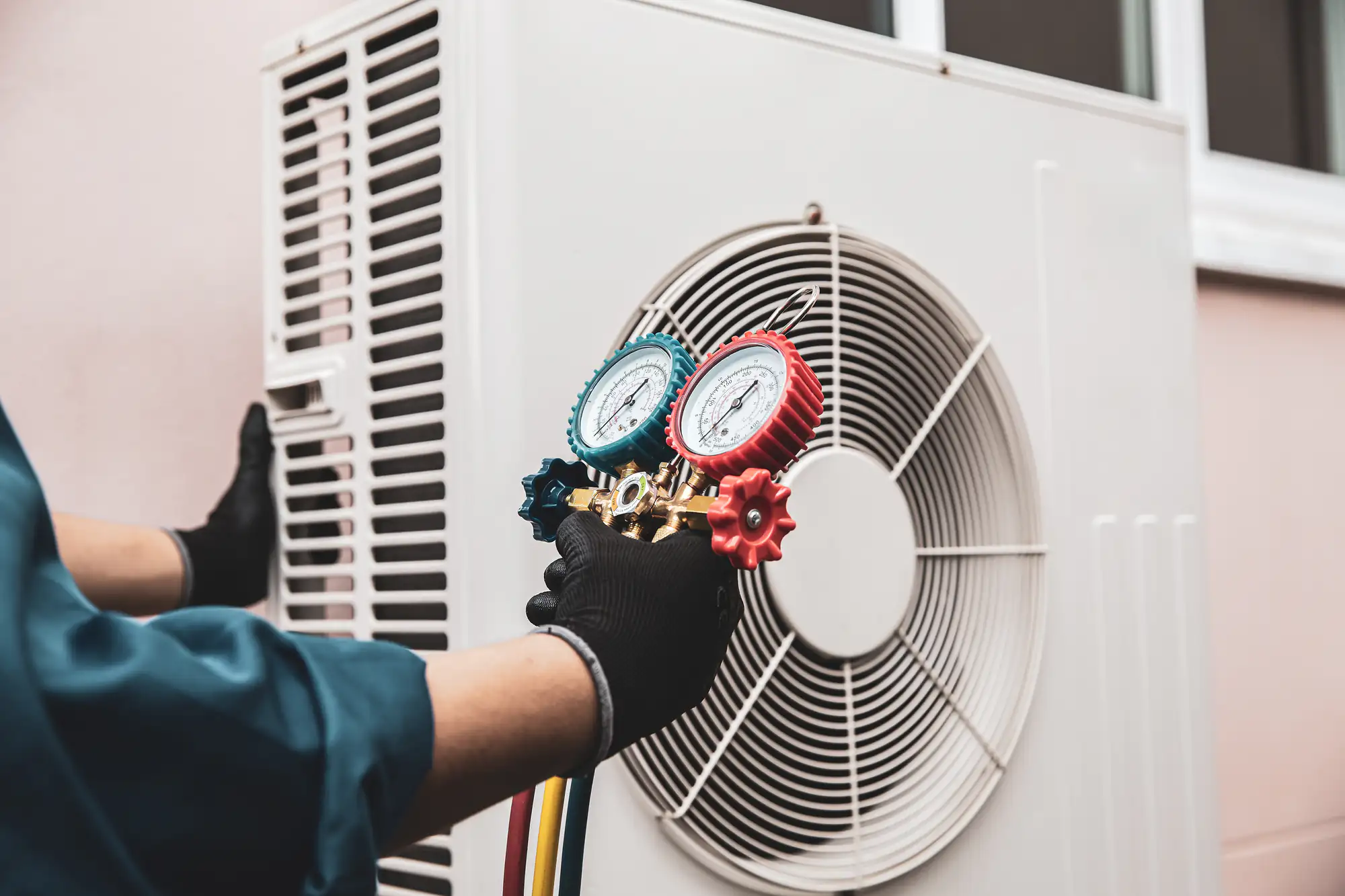
Most Yaphank homeowners don’t think about their boiler until something goes wrong. That’s usually in January, when temperatures in Suffolk County drop into the 20s and the heat stops working. By that point, you’re not scheduling maintenance you’re calling for emergency help. Annual boiler cleaning keeps you out of that situation entirely.
Here’s what actually changes after a proper cleaning: the boiler runs more efficiently, which matters a lot when you’re burning heating oil through a Long Island winter. A layer of soot just one millimeter thick can reduce your boiler’s efficiency by 3 to 4 percent. That’s not a rounding error that’s real money leaving your home with every gallon burned. For Yaphank residents already paying above-average fuel costs, restoring that efficiency is one of the most straightforward ways to cut your heating bill.
Beyond efficiency, there’s the safety side. Blocked or dirty flue passages don’t just waste heat they can allow combustion gases to back up into the home. Yaphank’s housing stock skews older, with a significant portion of homes built in the 1970s now carrying boiler systems that are 45 to 55 years old. These systems weren’t designed to run indefinitely without attention. A full boiler cleaning and inspection each year catches problems before they become emergencies, and it keeps your warranty coverage intact most manufacturers require annual professional service to honor it.
We’ve earned Angie’s List awards and a BBB “A” rating for six consecutive years. That kind of track record doesn’t happen by accident it comes from showing up on time, doing the work correctly, and being honest about what a system actually needs. More than one Yaphank customer has been told by one of our technicians that they didn’t need a service they called about. In an industry where upselling is common, that kind of honesty gets remembered.
We’re licensed for Suffolk County work, carry full liability insurance and workers’ compensation coverage, and use only UL-listed materials on every job. For Yaphank homeowners in the Longwood Central School District community a tight-knit area spanning from Coram to Shirley to East Yaphank that means you’re hiring a company that meets the specific legal and safety standards required to work in your county, not just a general contractor who figured they’d give chimneys a shot.
When your oil delivery company flags a flue issue or your boiler starts acting up before a cold snap, we’re available 24/7, including same-day emergency response.
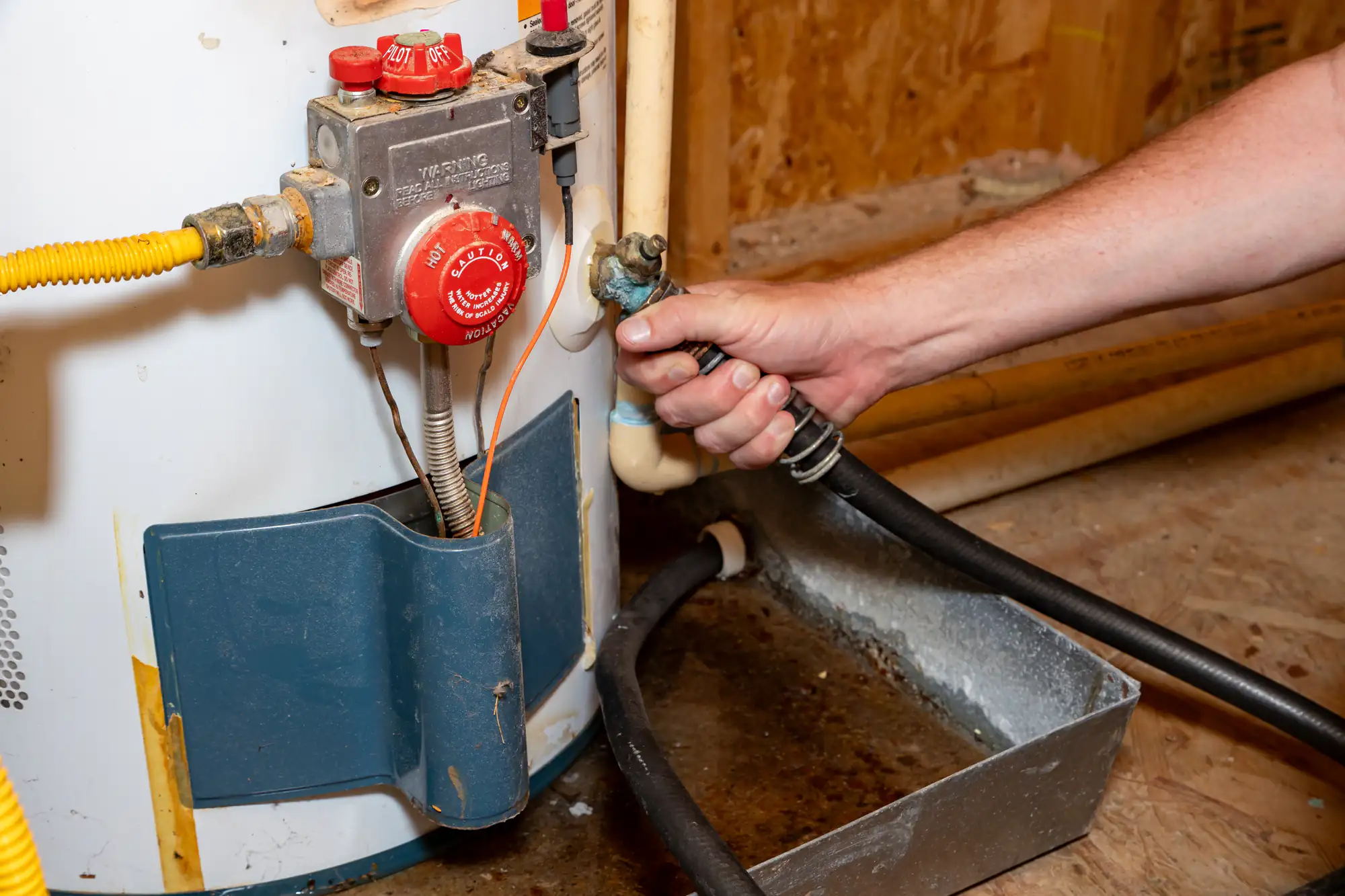
When we arrive at your Yaphank home, the first thing that happens is a full visual inspection the boiler itself, the piping, the connections, and the exhaust pathway. This matters more than most homeowners realize. The boiler unit and the chimney flue are one connected system, and a problem in either half affects the other. Most HVAC and plumbing companies that offer boiler service only look at the mechanical unit. We inspect and clean both.
From there, the heat exchanger and burners are cleaned to remove soot and combustion buildup that’s been reducing efficiency. A combustion analysis follows this measures the air-to-fuel ratio and adjusts it for optimal performance. Suffolk County’s mandate for a B5 biodiesel blend in heating oil means the combustion characteristics in your boiler may behave slightly differently than older pure-oil systems, and proper calibration during the cleaning accounts for that.
Safety controls are tested, pressure levels are verified, and the flue is inspected and cleared of any blockages, debris, or nest material. The whole visit typically takes one to two hours for a standard residential system. You get a clear explanation of what was found, what was done, and whether anything needs follow-up attention. No guesswork, no pressure just a straight account of where things stand.
Ready to get started?
What separates us from the other names showing up in Yaphank search results Hardy Plumbing, Petro Home Services, Domino Oil Burner Service is scope. Those companies service the boiler unit. We’re a chimney specialist, which means the cleaning extends through the entire exhaust system: burners, heat exchanger, flue, liner, and chimney cap. If there’s a blockage, a nest, or soot buildup anywhere along that path, it gets addressed in the same visit.
For Yaphank’s older housing stock particularly the Colonials, Cape Cods, and ranch-style homes built in the 1970s along streets off Yaphank Avenue and the Patchogue-Yaphank Road corridor this full-system approach is especially relevant. Older chimney liners and flue passages accumulate debris over decades, and a boiler that’s been “serviced” without anyone touching the flue is only half-cleaned. We hold Suffolk County licensing, which is a specific credential not a general state license required for chimney work in this county.
If your oil delivery company has flagged a chimney issue, or if it’s simply been more than a year since your last cleaning, this is the call to make. We also handle emergency boiler cleaning when the situation can’t wait, with 24/7 availability and documented same-day response across Suffolk County.

Once a year is the standard, and for good reason. Soot and combustion byproducts accumulate in the heat exchanger, burners, and flue with every heating cycle. By the time a full season has passed, that buildup is already affecting how efficiently your boiler runs. For Yaphank homeowners with oil heat which is the dominant fuel source in this part of Suffolk County annual cleaning is especially important because oil combustion produces more particulate residue than natural gas.
The best time to schedule is late summer or early fall, before the heating season begins. Your boiler isn’t running, so the work can be done without disrupting your heat, and any issues that turn up can be repaired before you need the system. Waiting until November, when appointment slots fill up across Long Island, means you’re competing with everyone else who also put it off. Booking in August or September gives you the most flexibility and the most time to address anything that comes up.
No, and this is one of the most common misunderstandings among Yaphank homeowners. Oil delivery companies and their service technicians work on the burner unit the mechanical components of your boiler system. That includes the burner head, ignition system, nozzle, and fuel pump. What they don’t do is clean or inspect the chimney flue, liner, or exhaust pathway that carries combustion gases out of your home.
That’s a separate service, and it requires chimney-specific expertise and equipment. If your oil company flagged a flue issue, a blockage, or a nest during a service visit, they’ve identified the problem but fixing it isn’t within their scope. That’s exactly where we come in. The flue cleaning, liner inspection, and chimney cap check are all part of what we handle, and for homes in Yaphank where the chimney infrastructure is often original to a 1970s or older build, that part of the system deserves the same attention as the burner itself.
A skipped year isn’t neutral it’s cumulative. Soot buildup doesn’t pause while you’re busy. Every heating cycle adds more residue to the heat exchanger and flue surfaces, and efficiency drops a little more each time. A one-millimeter layer of soot alone can reduce boiler efficiency by 3 to 4 percent, which translates directly into more heating oil burned and higher bills. In a Suffolk County winter where average outdoor temperatures can drop to 28°F and below, that inefficiency adds up fast.
There’s also the warranty issue. Most boiler manufacturers require documented annual professional maintenance to keep the warranty valid. If you skip a year and something fails, you may find out the hard way that the warranty no longer applies. For Yaphank homeowners with boilers installed during the 2000s construction wave systems that are now 20-plus years old that warranty protection is still worth preserving. Beyond money, there’s the safety factor: a dirty or partially blocked flue increases the risk of combustion gases not venting properly, which is not a situation you want to discover after the fact.
This is the right question to ask, and most homeowners don’t ask it until something goes wrong. In New York, chimney and boiler cleaning contractors need county-specific licensing not just a general state business license. That means a company licensed to work in Nassau County isn’t automatically authorized to work in Suffolk County, where Yaphank is located. You should ask any company you’re considering for their Suffolk County license information and a Certificate of Insurance that covers both liability and workers’ compensation.
We hold the specific licensing required for Suffolk County work and carry both types of insurance coverage. Beyond licensing, look for CSIA (Chimney Safety Institute of America) certification it’s the industry credential that separates trained chimney professionals from general contractors who’ve added chimney service to their menu. You can verify CSIA certification independently through the CSIA’s own lookup tool. We meet the standard we teach, and we expect other companies to do the same.
Yes. Both oil and gas boilers accumulate soot, scale, and combustion byproducts that reduce efficiency and create safety risks over time. The cleaning process is similar in scope for both heat exchanger cleaning, burner inspection, flue cleaning, combustion analysis, and safety control testing all apply regardless of fuel type. That said, oil boilers tend to produce more particulate buildup per heating cycle, which is why annual cleaning is especially critical for oil-heated homes.
In Yaphank, oil heat is the dominant fuel source, and multiple heating oil delivery companies actively serve the hamlet. If you have an oil boiler, you’re in the majority here, and annual professional cleaning by a qualified chimney specialist is the standard that keeps those systems running safely and efficiently. If you have a gas boiler, the same annual schedule applies and the same full-system approach matters, because the chimney flue connected to a gas boiler still accumulates residue and still needs to be inspected and cleared by someone with chimney-specific expertise, not just an HVAC technician.
They overlap, but they’re not identical. A boiler tune-up typically refers to the mechanical calibration side of annual service adjusting the air-to-fuel ratio, testing safety controls, checking pressure levels, and verifying that the ignition system is functioning correctly. Boiler cleaning refers specifically to the physical removal of soot, scale, and combustion residue from the heat exchanger, burners, and flue surfaces. A thorough annual service visit covers both, and that’s what we provide.
The distinction matters in Yaphank because Suffolk County’s heating oil now includes a B5 biodiesel blend, which can behave differently in older boiler systems than traditional heating oil. Getting both the cleaning and the combustion calibration done in the same visit ensures your system is adjusted for how it’s actually running today not how it was set up years ago. When you call us for boiler cleaning service in Yaphank, you’re getting the full picture: the flue cleared, the burners cleaned, the combustion dialed in, and a straight assessment of anything that needs attention before the next heating season.
Other Services we provide in Yaphank