


When your boiler is running on a dirty heat exchanger and a clogged flue, it’s burning more fuel to produce less heat. That inefficiency shows up on your oil bill every single month. A thorough boiler cleaning restores the system to the efficiency it was designed to run at and for homeowners on the south shore paying Long Island oil prices, that difference adds up fast.
For Bayberry Point specifically, there’s another layer to this that most boiler companies won’t mention. The salt air off the Great South Bay and the ambient humidity from the canal system don’t just affect your bulkhead and your boat they work on your chimney flue components year-round. Metal liner sections, chimney caps, and flue connectors in a waterfront environment like this corrode faster than identical components in an inland town. Annual boiler cleaning and inspection is how you catch that deterioration before it becomes a carbon monoxide risk or a costly emergency repair.
The older the home, the more this matters. Many properties in Bayberry Point trace their origins to the Havemeyer-era development of the 1890s and early 1900s. Even the mid-century canal homes are typically 40 to 60 years old. These systems have history, and they need a technician who understands what they’re looking at not someone running through a generic checklist.
We’ve been serving Long Island’s south shore including Bayberry Point and the broader Islip area with boiler cleaning, chimney cleaning, flue inspection, and repair work for both residential and commercial properties. We hold an “A” rating with the BBB and have been an Angie’s List award winner for six consecutive years. That kind of track record doesn’t come from one good season it comes from consistently showing up, doing the work right, and leaving the property exactly as clean as we found it.
Bayberry Point homeowners are not looking for the cheapest contractor they can find on a flyer. You’re looking for someone who holds the right credentials, knows what they’re doing with older and more complex systems, and won’t pad the job with services that aren’t needed. We’re licensed for Suffolk County, carry both liability insurance and workers’ compensation, and use only UL-listed materials on every installation. When our technician walks through your door on West Bayberry Road or East Bayberry Road, we’re prepared for what we’ll find and honest about what we won’t.

The visit starts with a full visual inspection of the boiler, piping, and connections checking for corrosion, leaks, and any signs of damage before a single brush goes into the flue. In a waterfront home along the Great South Bay canals, that inspection step carries extra weight. Salt air and moisture accelerate corrosion in ways that aren’t always visible from the outside, and a technician who skips the inspection phase is leaving the most important part of the job undone.
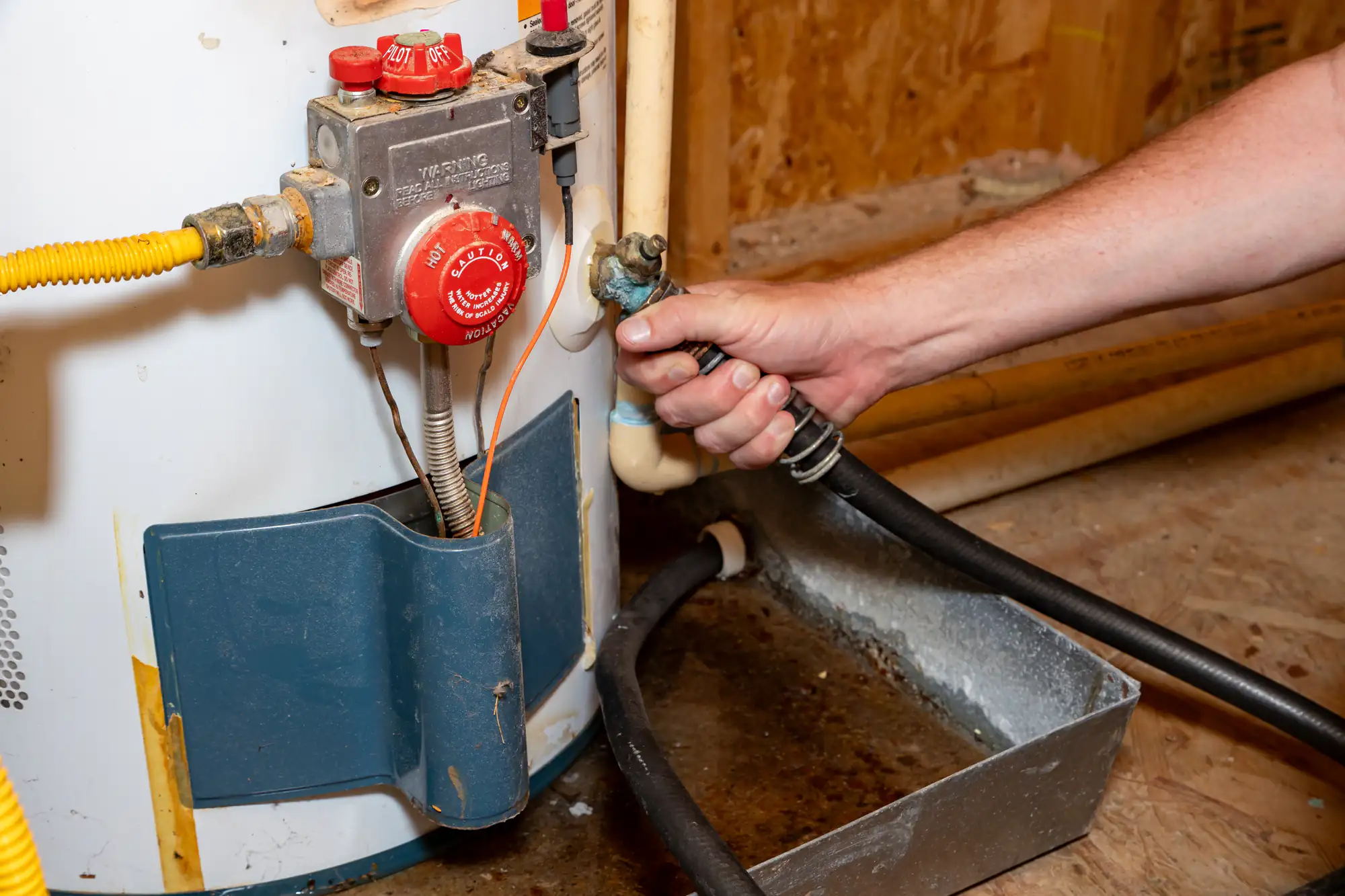
From there, we clean the heat exchanger, burners, and ignition system removing the soot and debris that build up with every heating season and reduce the efficiency of your system. A combustion analysis follows, measuring and adjusting the air-to-fuel ratio so the boiler is burning cleanly and not wasting fuel. Then we inspect and clean the flue from the boiler connection all the way through the chimney exhaust path checking for blockages, cracks, and proper venting of combustion gases. This is the part that separates a chimney specialist from an HVAC company. Most heating contractors service the mechanical unit and stop there. We clean the entire system.
The visit wraps with safety control testing pressure valves, seals, thermostats, and safety shutoffs and a clear explanation of anything that needs attention. Most residential boiler cleanings take approximately one to two hours. If you’re scheduling before heating season, summer and early fall are the best windows the boiler isn’t in use, any issues can be addressed before the first cold snap off the bay, and you’re not competing for the emergency appointment slots that fill up fast in January.
Ready to get started?
What we deliver in a boiler cleaning service is the complete picture not a partial tune-up. That means the heat exchanger, burners, and ignition system are cleaned and inspected. The flue is cleared of soot, debris, and any blockages from the boiler connection through the chimney exhaust pathway. Safety controls are tested. Combustion is analyzed. And if there’s a nest, animal obstruction, or storm debris in the chimney which is a real and common finding in south shore waterfront homes, especially after a hard nor’easter comes through that gets addressed too.
For Bayberry Point homes, this service is especially relevant because of what the coastal environment does to chimney components over time. Older masonry chimneys common in the Havemeyer-era and mid-century properties along the canal system are particularly vulnerable to moisture infiltration and acidic condensate from oil combustion. If a liner system is deteriorating, the cleaning visit is when that gets caught not after a problem surfaces during the coldest week of February.
All materials used in any repair or installation work liner systems, chimney caps, flue connectors are UL listed and up to code. We’re licensed for Suffolk County, which covers the Town of Islip and Bayberry Point directly. If you’ve had your oil company look at the burner and they flagged a chimney or flue issue, this is the follow-up call that actually resolves it. Oil delivery companies service the burner unit they don’t clean the flue, inspect the liner, or address the exhaust pathway. That’s a separate and specialized service, and it’s exactly what we do.
It affects it more than most homeowners realize. Salt air is a documented accelerant of corrosion in metal components including flue connectors, chimney caps, and stainless steel liner systems. The canal-side humidity in Bayberry Point introduces moisture into the combustion environment, which can combine with sulfur compounds in heating oil to form acidic condensate inside older flue systems. That condensate eats at masonry, deteriorates liner seams, and can cause chimney crown cracking over time.
The practical result is that chimney and flue components in a waterfront community like Bayberry Point don’t last as long as identical components in an inland town. A chimney cap or liner section that might hold up for 15 years in a community further north can show significant wear in 8 to 10 years here. Annual professional inspection and cleaning is the only reliable way to monitor that deterioration and catch it before it becomes a safety issue. If it’s been more than a year since your last boiler cleaning and flue inspection, the salt air hasn’t been taking a break in the meantime.
Yes, and this is one of the most common misconceptions among oil heat customers on the south shore. When your oil delivery company sends a technician for an annual tune-up, they’re servicing the burner unit the mechanical components that handle fuel delivery and ignition. That’s a legitimate and important service. But it doesn’t include cleaning the chimney flue, inspecting the liner, or addressing the exhaust pathway from the boiler through the chimney to the outside.
That’s a separate and specialized service that requires chimney expertise, not HVAC expertise. The flue is where combustion gases including carbon monoxide exit your home. Soot buildup, liner deterioration, blockages from debris or animal nests, and cracking from moisture infiltration all happen in the flue, and none of them get addressed during a standard oil burner tune-up. In a Bayberry Point home with an older masonry chimney or an aging liner system, that distinction matters. A lot of homeowners in the Islip area first learn about a chimney or flue issue from their oil company flagging something they can’t fix themselves and that’s when a call to us is the right next step.
Once a year, at minimum. For older oil boilers which are the norm in Bayberry Point’s Havemeyer-era and mid-century canal homes annual cleaning is the standard that most boiler manufacturers require to keep warranty coverage valid. Skipping a year doesn’t just mean double the buildup the following season; it means a full year of soot accumulation reducing heat transfer efficiency, a full year of potential liner deterioration going undetected, and a full year of combustion byproducts passing through a flue that hasn’t been inspected.
For Bayberry Point specifically, the coastal environment adds a reason to be consistent rather than occasional about this. The combination of salt air corrosion and canal humidity means things can change meaningfully from one heating season to the next. A liner that looked fine 18 months ago may have developed a crack or a seal failure by now. The annual cleaning visit is also the annual inspection visit and for a home that may be worth $2 million or more, the cost of a yearly professional cleaning is a small number relative to the cost of a chimney fire, a carbon monoxide event, or an emergency boiler failure in the middle of January.
They overlap, but they’re not identical. A boiler tune-up typically refers to the mechanical calibration side of the service adjusting the air-to-fuel ratio, checking and recalibrating the burner, verifying gas or oil pressure, and testing safety controls like pressure relief valves and thermostats. A boiler cleaning focuses on physically removing the soot, scale, and combustion deposits that accumulate on the heat exchanger surfaces, burner components, and inside the flue.
A complete professional boiler service should include both. The cleaning restores heat transfer efficiency just one millimeter of soot on a heat exchanger surface can reduce efficiency by 3 to 4 percent and raise flue gas temperatures noticeably. The tune-up ensures the mechanical system is calibrated correctly so it doesn’t immediately create new buildup. When you book a boiler cleaning with us, you’re getting the full picture: physical cleaning of the heat exchanger and burners, combustion analysis, flue inspection and cleaning, and safety control testing. It’s not a choice between one or the other both need to happen in the same visit to actually solve the problem.
Some basic maintenance tasks like bleeding radiators or checking the pressure gauge are things a homeowner can handle. But cleaning the heat exchanger, inspecting and cleaning the flue, performing a combustion analysis, and testing safety controls are not DIY tasks. They require specialized equipment, training, and in New York, the appropriate licensing and insurance to be working on these systems legally and safely.
In Suffolk County, chimney contractors are required to carry county-specific licensing not just a general contractor’s license. We’re licensed for Suffolk County, which covers Bayberry Point and the Town of Islip. Beyond the licensing question, the older and more complex chimney systems common in Bayberry Point’s historic homes are not the place to experiment. A masonry chimney from the early 1900s with an aging liner system requires someone who has seen these configurations before and knows what to look for. The risk of missing a cracked liner, a blocked flue, or a corroded cap in a home of this age and value is not a risk worth taking to save the cost of a professional service call.
Yes. We offer 24/7 emergency service, and that includes boiler-related emergency calls during the heating season. For Bayberry Point homeowners, this matters more than it might in a more sheltered inland community. The waterfront exposure along the Great South Bay means cold northwest winds hit these homes harder in January and February than properties even a few miles north. A heating system failure on a night when the wind is coming off the bay is not a situation where you want to wait until the next available appointment slot opens up.
We have documented same-day emergency response in freezing conditions including complex work completed in a single visit after hours. If your heat goes out and your oil company has flagged a chimney or flue blockage as the cause, or if you’re simply not getting heat and don’t know why, that’s the call to make. We serve Nassau County, Suffolk County, and Queens, with Bayberry Point and the broader Islip area falling squarely within our Suffolk County service territory. Emergency availability isn’t a footnote it’s a real capability that south shore homeowners in winter genuinely need.
Other Services we provide in Bayberry Point