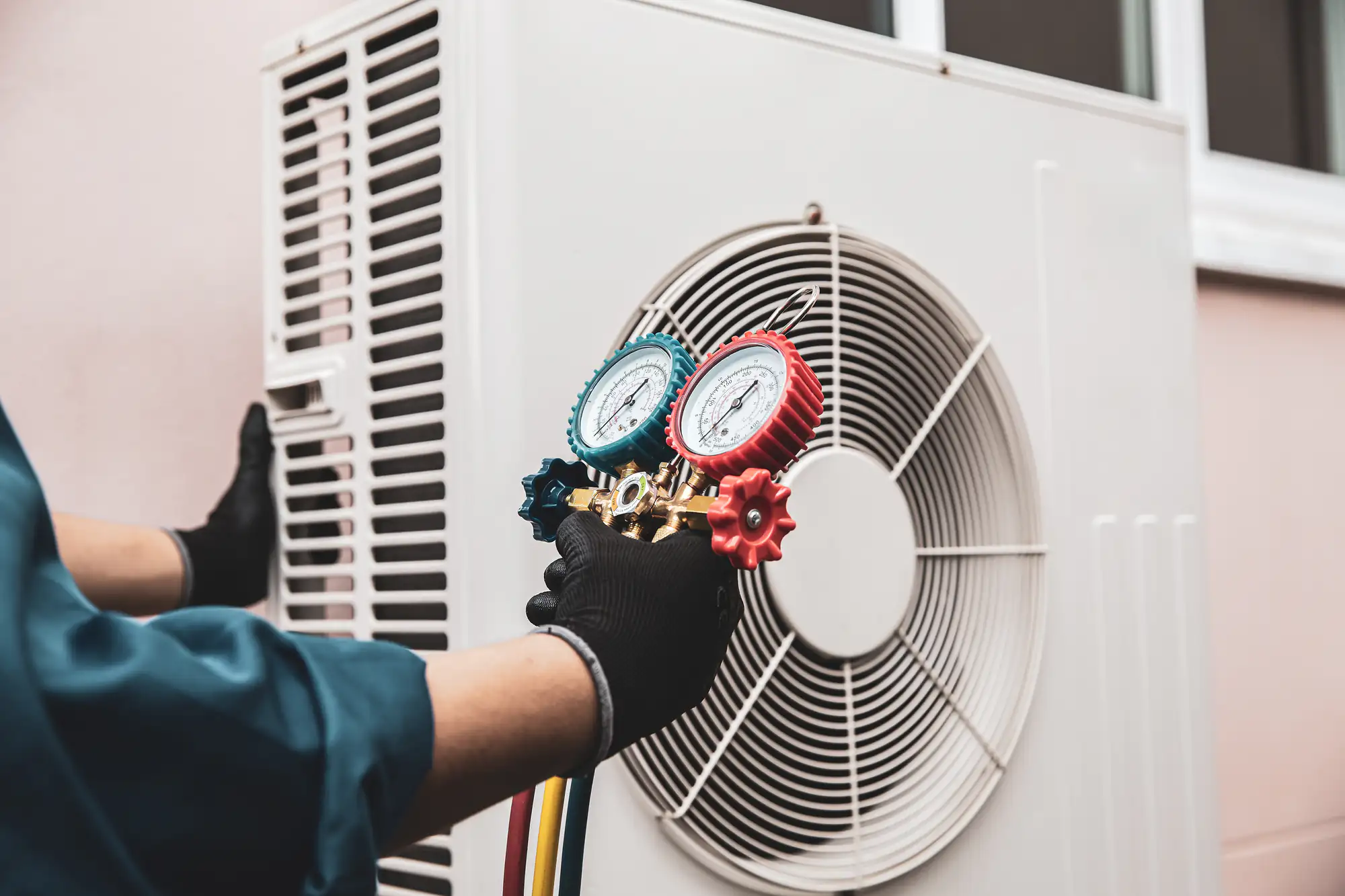


Most Carle Place homes were built between the late 1940s and the 1970s Cape Cods, ranches, split-levels that have been expanded and updated over the years, but still running heating systems that accumulate soot, scale, and combustion byproducts season after season. When those systems go uncleaned, the heat transfer surfaces get coated, the flue gets restricted, and your boiler works harder than it needs to just to keep your home warm. A thorough boiler cleaning restores that efficiency and takes the strain off a system that’s already carrying decades of mileage.
For oil heat homes in Carle Place and there are roughly 340 of them in the hamlet this matters even more. Oil-fired boilers produce more soot than gas systems, and Nassau County’s B5 biodiesel blend, now required for downstate heating oil, burns slightly differently than straight number two. Annual professional cleaning ensures your combustion is dialed in for the fuel you’re actually using, not the fuel your boiler was originally tuned for.
Beyond efficiency, there’s the safety side of it. A blocked or partially restricted flue doesn’t just waste fuel it creates conditions where combustion gases don’t exhaust the way they should. In a tightly packed hamlet like Carle Place, where older homes have less insulation and lose heat faster during January cold snaps, a well-maintained boiler isn’t a luxury. It’s what keeps the heat on when you need it most.
We’re based in Bethpage, just a few miles from Carle Place via Old Country Road. That proximity isn’t just a logistics detail it means the technicians who show up at your door have worked on Carle Place homes like yours. We know what a 1946 Cape Cod’s chimney system looks like from the inside, and we know how to work on it without cutting corners or padding a repair list.
For six consecutive years, Ageless Chimney has been recognized by both the BBB and Angie’s List not as a one-time achievement, but as a sustained track record that homeowners in Carle Place and across Nassau County can look up and verify on their own. That kind of consistency doesn’t happen by accident.
What you’ll also notice is that our technicians are direct with you. If your system doesn’t need something, we’ll tell you that. More than one customer has called expecting a full boiler sweep and been told they didn’t actually need it yet. That honesty is rare in this industry, and it’s the reason people in tight-knit communities like Carle Place keep calling back.
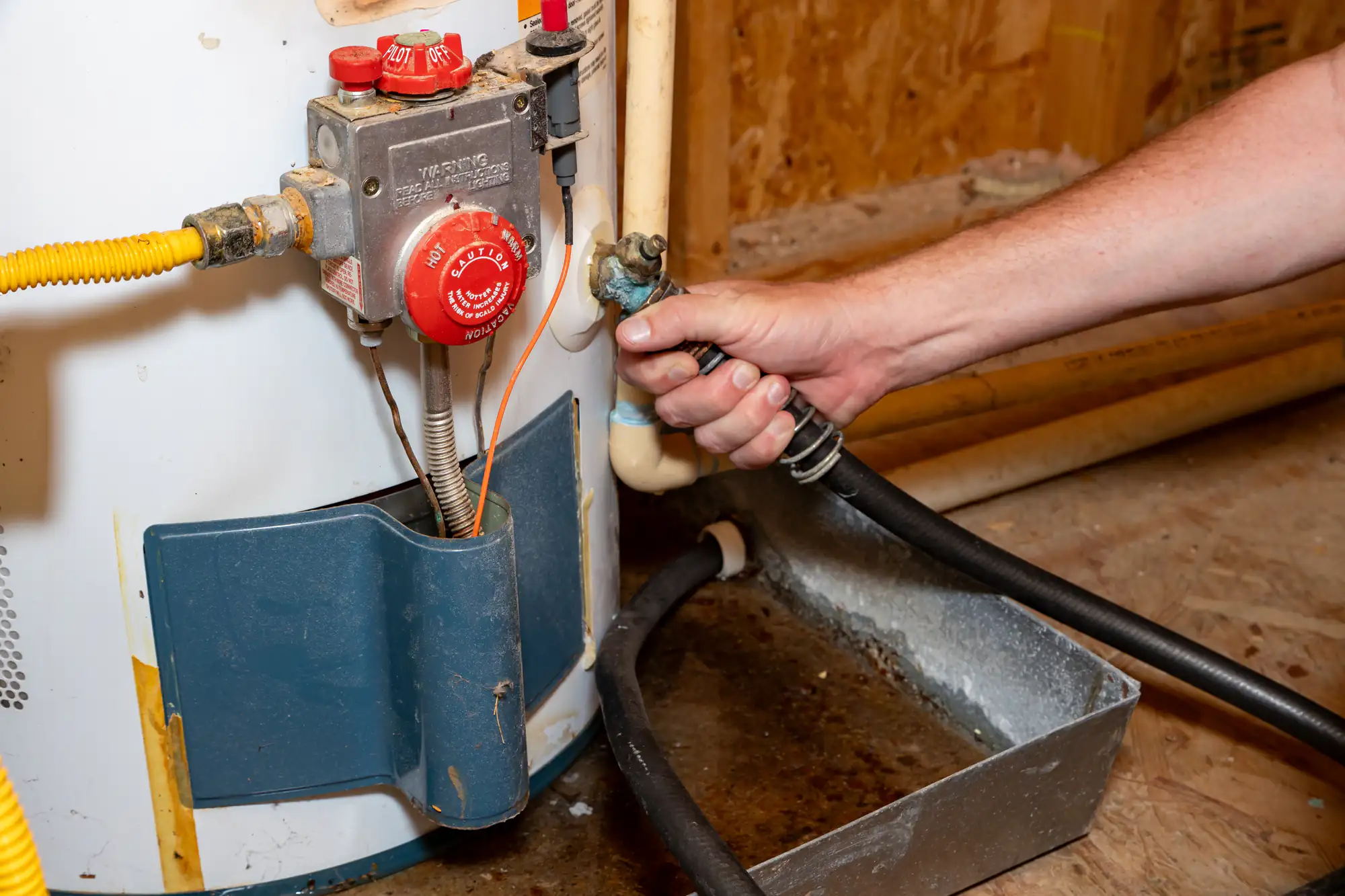
When one of our technicians arrives at your Carle Place home, the first thing we do is a full visual inspection the boiler itself, the piping, the connections, and the chimney flue that exhausts combustion gases out of your home. This is where a lot of HVAC companies stop short. They clean the mechanical unit and leave. We cover the entire system, from the burner through the heat exchanger all the way up the flue to the chimney top.
From there, the cleaning covers the heat exchanger, burners, and ignition components removing the soot and debris that build up on heat transfer surfaces and reduce efficiency. For oil boiler homes in Carle Place, this step is especially important given the higher soot output of oil combustion. After the cleaning, we run a combustion analysis to verify the air-to-fuel ratio is set correctly, check pressure levels and safety controls, and inspect the flue for any blockages, liner damage, or exhaust restrictions.
Most residential boiler cleanings take one to two hours. Before any work begins, you’ll know exactly what’s being done and why. Nassau County work requires county-specific licensing, and we hold that credential so the work is done legally and correctly. When our technician leaves, the space is clean. That’s not a footnote it’s a consistent part of how we operate.

Ready to get started?
A boiler cleaning from Ageless Chimney covers both the mechanical side of the system and the chimney side which is the part most local competitors in Carle Place simply don’t touch. Companies like Able Air and Heat or Excellent Air Conditioning and Heating are HVAC-focused operations. They’re equipped to service the burner unit. They’re not chimney specialists, and they’re not going to climb up and inspect the flue liner on a 1960s chimney stack in the middle of a Rushmore Avenue neighborhood home.
What we deliver is the full picture: burner and heat exchanger cleaning, combustion analysis, flue inspection, safety control testing, and chimney cleaning from the fireside up. If there’s a nest or obstruction in the exhaust pathway which is more common than most homeowners realize, especially in homes that sit near the older tree lines along the northern residential blocks of Carle Place that gets addressed too. All materials used in any repair or installation work are UL listed and up to Nassau County code.
There are no named service tiers or package pricing published for boiler cleaning if you want to know what your specific job will cost before anyone touches anything, you call and ask. That conversation happens before the work does, not after. For Carle Place homeowners managing busy commuter schedules and a home worth close to three-quarters of a million dollars, that kind of transparency is exactly what the process should look like.

For most homes in Carle Place, once a year is the right cadence and the timing matters almost as much as the frequency. The best window is late summer or early fall, before the heating season starts and before appointment slots fill up. If your boiler sits idle through July and August, that’s the ideal time to have it cleaned and inspected so any issues can be addressed before you actually need the heat.
For oil heat homes specifically, annual cleaning isn’t optional it’s a functional necessity. Oil combustion produces significantly more soot than gas, and that buildup accumulates on heat transfer surfaces every single season. Skipping a year doesn’t mean you’re a year behind; it means the buildup compounds, efficiency drops further, and the risk of a mid-winter failure goes up. Given that Carle Place sits in the interior of Nassau County with no coastal temperature buffer, a boiler that fails in January is a genuine problem, not just an inconvenience.
This is one of the most common misconceptions among oil heat customers in Carle Place, and it’s worth clearing up directly. Your oil delivery company services the burner unit the mechanical component that ignites and burns the fuel. That’s their scope. They are not chimney specialists, and they are not equipped to clean the flue, inspect the liner, or assess the exhaust pathway that carries combustion gases out of your home.
The chimney side of your boiler system is a separate discipline entirely. The flue liner on a 1950s or 1960s Carle Place home may be original clay tile that has been expanding and contracting through decades of heating cycles. Soot accumulates in that flue regardless of how well the burner is tuned. If your oil company flagged a chimney concern during a recent visit which happens regularly on Long Island when drivers spot a blockage or buildup we’re the follow-up call for that specific work. The two services complement each other; they don’t overlap.
The short answer is that the costs compound faster than most homeowners expect. A layer of soot just one millimeter thick on boiler heat transfer surfaces can reduce efficiency by three to four percent and raise flue gas temperatures noticeably meaning more of the fuel you’re paying for is going up the chimney instead of heating your home. In Nassau County, where heating oil prices are already elevated, that efficiency loss shows up on your fuel bills every month of the heating season.
Beyond the efficiency hit, there’s the warranty angle. Most boiler manufacturers require documented annual professional maintenance to keep the warranty valid. Skip a cleaning, and you may find yourself in a situation where a repair that should have been covered isn’t because the maintenance record doesn’t exist. On a Long Island boiler replacement that can run between $5,500 and $15,000 installed, that’s a risk that isn’t worth taking to avoid a routine annual cleaning.
They’re related but not identical, and the distinction matters for Carle Place homeowners with older homes. Chimney cleaning typically refers to cleaning the interior of the chimney flue removing soot, creosote, debris, and any obstructions from the exhaust pathway. Boiler cleaning refers to servicing the mechanical unit itself: the burners, heat exchanger, ignition system, and combustion components.
What makes Ageless Chimney different from a standard HVAC company is that we do both. The boiler and the chimney it exhausts through are one connected system, and cleaning only one side of that system leaves the other side unaddressed. For a home on, say, Cherry Lane or Westbury Avenue in Carle Place where the chimney may be original to a 1946 or 1950s build having a specialist who covers both the mechanical and the chimney side in a single visit is the only way to know the full system is actually clean and functioning correctly.
There are a few signals worth paying attention to. If your heating bills have crept up without an obvious explanation, reduced combustion efficiency from soot buildup is a likely contributor. If the boiler is taking longer than usual to bring the house up to temperature, or if you’re noticing uneven heat across rooms, those are signs the system may be working harder than it should. A visible soot streak near the flue connection or an unusual smell when the boiler fires up are more direct warning signs.
That said, the absence of obvious symptoms doesn’t mean the system is clean. Soot accumulates gradually, and efficiency losses are invisible until they show up on a fuel bill or a service call. For Carle Place’s older housing stock where many boilers are serving homes that were built before most of their current owners were born waiting for a symptom before scheduling a cleaning is a more expensive approach than annual preventive service. If you can’t remember the last time it was cleaned, that’s your answer.
Yes we handle both gas and oil boiler cleaning for residential and commercial properties in Carle Place and throughout Nassau County. The cleaning process differs somewhat between the two fuel types. Oil-fired boilers produce more soot and combustion byproducts, so the heat exchanger and flue tend to require more intensive cleaning on an oil system. Gas boilers accumulate less buildup, but they still need annual inspection and cleaning to maintain efficiency, verify safety controls, and keep the flue clear.
Given that Carle Place has a meaningful population of oil heat homes roughly 17 percent of households in the hamlet use heating oil and that Nassau County now requires B5 biodiesel blends for downstate heating oil, the combustion profile of local oil systems has shifted slightly in recent years. Annual professional cleaning ensures the system is calibrated for the fuel it’s actually burning, whether that’s a gas boiler in a home along the Old Country Road corridor or an oil-fired cast-iron boiler in one of the hamlet’s original Levitt-era houses near the LIRR station.
Other Services we provide in Carle Place