

There’s a reason oil-heat puffback events spike in Central Islip every November through January. The homes here most built in the 1950s, 60s, and 70s were constructed with oil-fired boilers and masonry chimney flue systems that have been working hard for decades. When the flue and combustion chamber go uncleaned year after year, the buildup doesn’t just hurt efficiency. It creates the exact conditions that lead to a puffback: unburned fuel igniting where it shouldn’t, sending soot through your heating system and into your living space.
Annual boiler cleaning breaks that cycle before it starts. We clean the flue, the combustion chamber, and the entire exhaust path not just the burner unit that your oil company services.
Beyond preventing the worst-case scenario, a clean boiler simply works better. Even a thin layer of soot on the heat transfer surfaces forces your system to burn more fuel to produce the same heat. With Long Island oil prices where they are, that inefficiency shows up in your bill every month. When we get the full system cleaned, your boiler runs the way it was designed to, your exhaust path is clear, and you’re not heading into February wondering whether the heat is going to hold.
For homeowners in Central Islip with older homes and oil heat, the stakes here are real. This isn’t a service you do to check a box. It’s what keeps a 1960s heating system from becoming a January emergency.
We’ve been recognized by both Angie’s List and the Better Business Bureau for six consecutive years. That kind of sustained track record doesn’t come from one good season it comes from showing up consistently, doing the work right, and not upselling people on things they don’t need. More than one Central Islip customer has been told by an Ageless Chimney technician that they didn’t actually need the service they called about. That kind of honesty is rare, and it’s the reason people keep calling back.
We hold Suffolk County licensing, carry both liability insurance and workers’ compensation, and use only UL-listed materials on every job. For Central Islip homeowners especially those navigating the home services market without a long-established referral network those aren’t minor details. They’re the difference between hiring someone accountable and hoping for the best.
We serve Central Islip and the broader Suffolk County area, with the Southern State Parkway providing a direct route from our Bethpage base to your door. Whether you’re near Carleton Avenue, Suffolk Avenue, or anywhere in between, our crew arrives on time and leaves your home as clean as we found it.
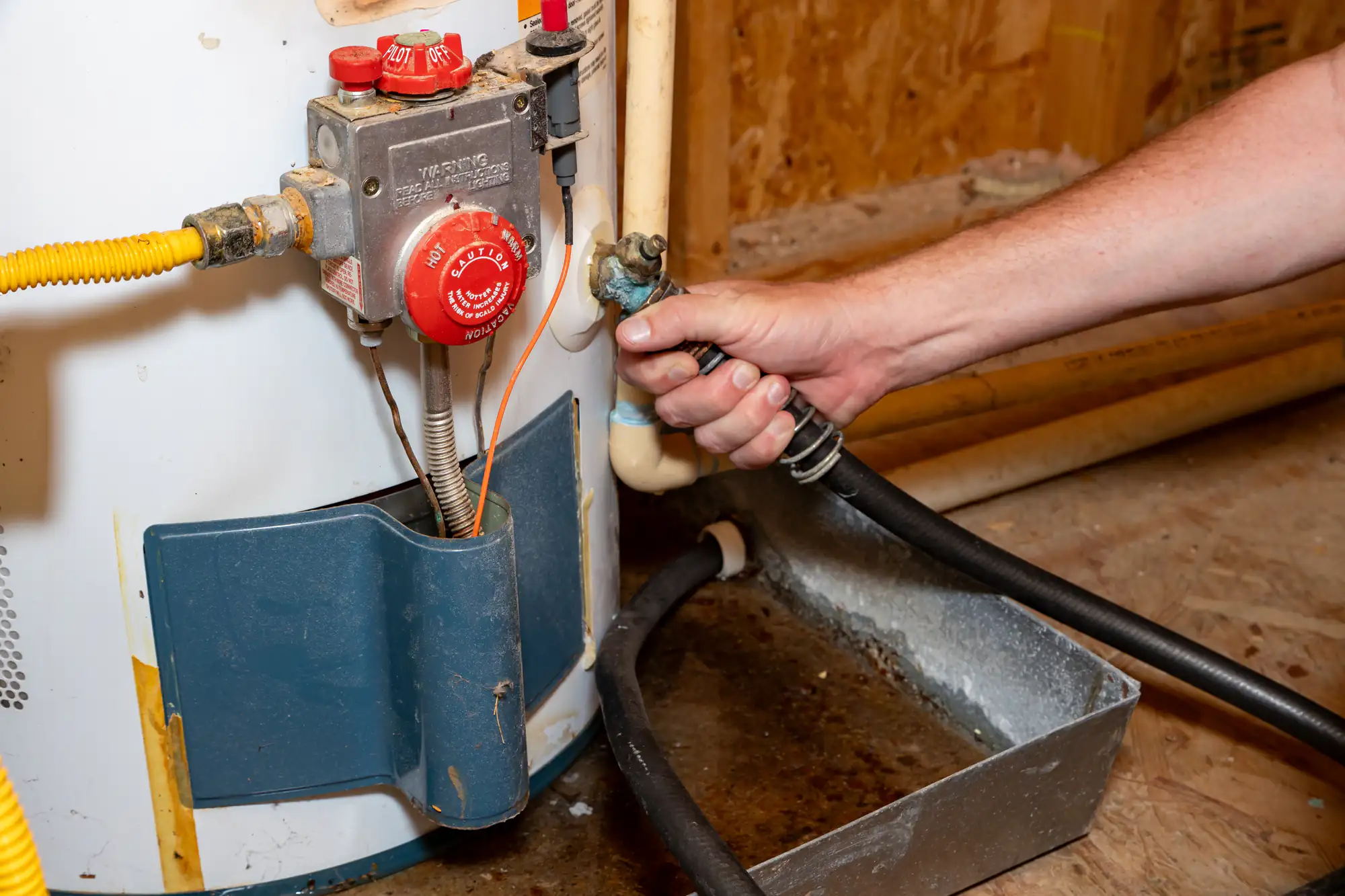
When we arrive at your Central Islip home, the first thing we do is a full visual inspection the boiler itself, the connections, the piping, and the flue. In a home built before 1980, that inspection matters more than most people realize. Original chimney liners, aging connections, and decades of soot accumulation are common in this area’s housing stock, and a proper inspection catches problems before they become emergencies.
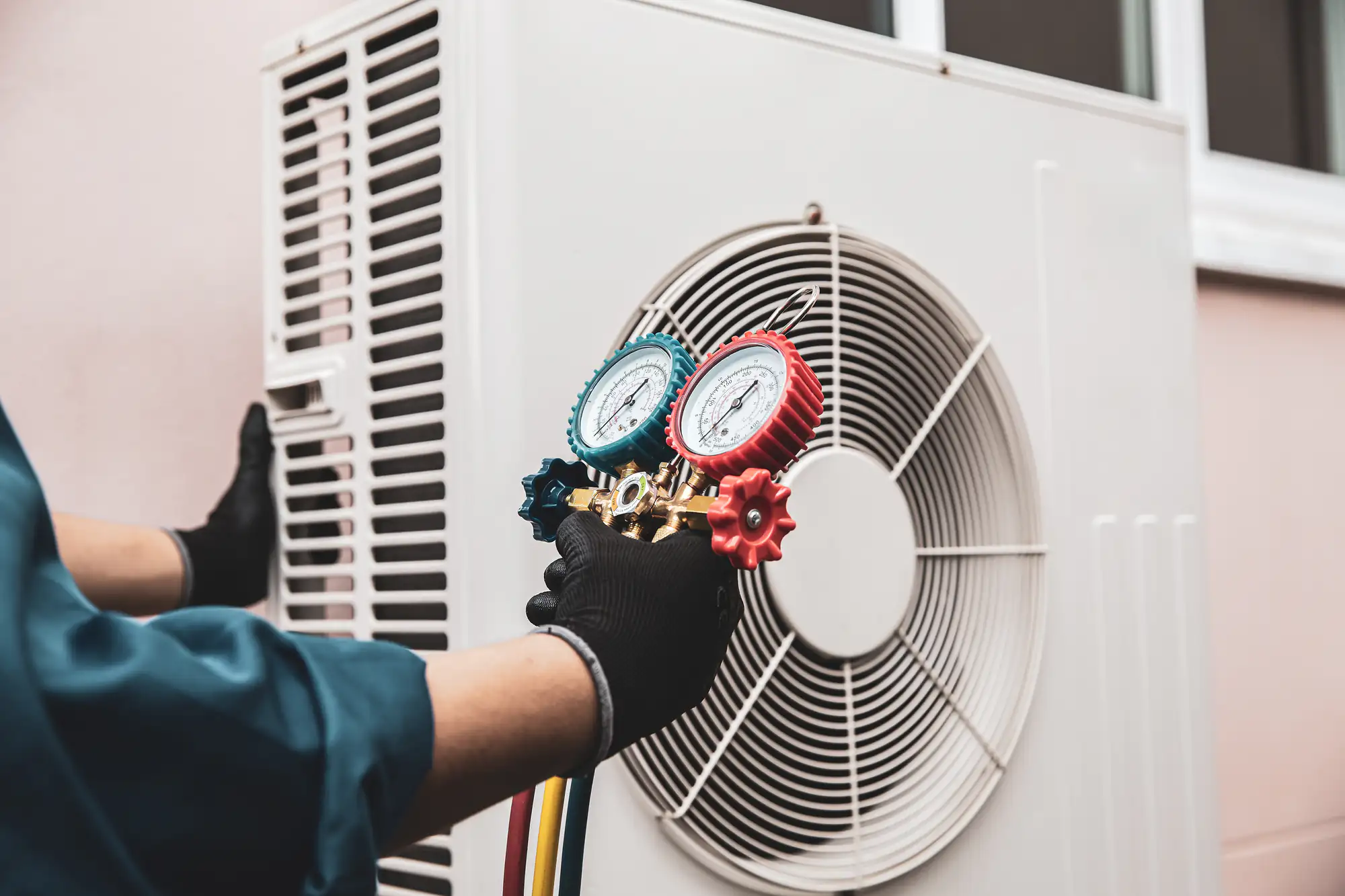
From there, we clean the heat exchanger, burners, and ignition system removing the soot and debris that force your boiler to work harder than it should. We clean the flue from the combustion chamber through the exhaust path, because that’s where blockages and buildup do the most damage in an oil-heat system. A combustion analysis checks that the air-to-fuel ratio is dialed in correctly, which directly affects both efficiency and safety.
We test all safety controls pressure valves, thermostats, seals, electrical connections before the job is called done. Any work involving structural components, like liner installation or crown repair, follows Town of Islip and Suffolk County code requirements, and all materials are UL listed. Most residential boiler cleanings take about one to two hours. You’ll get a clear explanation of what we found and what, if anything, needs attention no pressure, no manufactured urgency.

Ready to get started?
What separates us as a chimney company from an HVAC company in this context is scope. An HVAC technician services the mechanical unit the burner, the heat exchanger, the ignition system. That’s important work. But in a Central Islip home with a masonry chimney that’s been in service since the Eisenhower administration, what’s happening inside the flue is just as important as what’s happening inside the boiler. We cover both sides of the system.
Our boiler cleaning service includes a full inspection of the boiler and all connected components, cleaning of the heat exchanger and burners, combustion analysis and burner adjustment, flue cleaning from the combustion chamber through the chimney exhaust path, safety control testing, and a written assessment of any repairs or follow-up work needed. If there’s a nest, a blockage, or a liner issue in the chimney portion of the system common in older Central Islip homes that gets identified and addressed as part of the same visit, not referred out to a separate company.
We also handle commercial boiler cleaning for properties in Central Islip beyond the residential market. The former Central Islip Psychiatric Center campus, the courthouse complex, and the commercial and light industrial properties along the Islip corridor all represent facilities with boiler systems that require the same level of professional attention. Whether it’s a single-family home on a side street off NY Route 111 or a larger institutional property, the process and our standards are the same.
For most Central Islip homes running on oil heat, annual boiler cleaning is the right interval. Oil-fired systems produce more soot and combustion byproduct than gas systems, and in a home built before 1980 which describes a significant portion of Central Islip’s housing stock the flue and chimney components have been accumulating that buildup for decades. Annual cleaning keeps the system running efficiently, prevents the kind of soot buildup that leads to puffback events, and catches developing issues before they become expensive repairs.
There’s also a practical warranty consideration. Most boiler manufacturers require documented annual professional maintenance to keep the warranty valid. Skipping a year doesn’t just create a maintenance gap it can void your coverage entirely, leaving you fully exposed if something goes wrong. Scheduling once a year, ideally in the summer when the boiler is off, is the simplest way to stay ahead of both maintenance needs and warranty requirements.
A puffback happens when unburned fuel oil accumulates in the combustion chamber and then ignites all at once, rather than burning in a controlled, continuous flame. The result is a pressure burst that sends soot, smoke, and debris backward through the heating system sometimes into the living space through vents, baseboards, or registers. It’s messy, it can be damaging, and it’s a direct sign that something in the combustion process has been off, often for a while.
Central Islip specifically has a documented pattern of oil-heat puffback events in the November-through-January window, concentrated in homes built between the 1960s and 1980s. That’s not a generic Long Island risk it’s a pattern tied to Central Islip’s particular combination of aging oil-heat systems and deferred maintenance. Annual boiler cleaning particularly the flue and combustion chamber cleaning that prevents unburned fuel from accumulating is the most direct way to reduce that risk. If your Central Islip home was built before 1980 and runs on oil heat, this is worth taking seriously.
This is one of the most common points of confusion for Long Island homeowners, and it’s worth being direct about. Your oil delivery company typically services the burner unit the mechanical component that ignites and burns the fuel. That’s a legitimate and necessary service. But it stops at the boiler itself. The flue, the chimney liner, the exhaust path from the combustion chamber to the top of the chimney that’s not what an oil company technician is trained or equipped to clean.
We cover the chimney side of the system: the flue, the liner, the exhaust pathway, the chimney cap, and the crown. In a Central Islip home with a masonry chimney that’s been in service for 50 or 60 years, that’s often where the real risk lives blocked flues, cracked liners, animal nests, and soot buildup that no amount of burner servicing will address. The two services complement each other. They don’t replace each other.
For a standard boiler cleaning inspection, combustion analysis, soot removal, flue cleaning no permit is typically required. The work is maintenance, not a structural modification. However, if the visit reveals that your chimney liner needs to be replaced, a new cap needs to be installed, or any structural chimney component needs repair or replacement, that work may require a permit under Town of Islip and Suffolk County regulations.
Central Islip is an unincorporated hamlet within the Town of Islip, so the Town of Islip’s Division of Building is the relevant permit authority not a village building department. We hold Suffolk County licensing and are familiar with the applicable code requirements under the New York State Uniform Fire Prevention and Building Code and Town of Islip standards. If permit-required work is identified during your cleaning visit, our technician will walk you through what’s needed and what the process looks like. You won’t be left to figure that out on your own.
It does, and it’s worth understanding why. Homes built in the 1960s on Long Island were typically constructed with masonry chimneys and original clay tile flue liners. After 60-plus years of oil-heat combustion, those liners can develop cracks, gaps, or sections that have deteriorated to the point where they no longer provide a safe exhaust path. Soot and creosote accumulation in an original liner is also denser and more compacted than in a newer system that’s been maintained regularly.
This doesn’t mean the cleaning is necessarily more complicated but it does mean the inspection component is more important. A technician who only cleans the burner and skips a real look at the flue liner is missing the part of the system most likely to have a problem in a home this age. Our process includes a full flue inspection as part of every boiler cleaning visit, and any liner issues that are found get explained clearly, with honest recommendations not automatic upsell pressure.
That skepticism is reasonable, and it’s especially common among Central Islip homeowners who’ve had contractors push services they didn’t need. The honest answer is that most oil-fired boilers benefit from annual cleaning regardless of whether they’re showing obvious symptoms because the problems that matter most, like flue blockages and combustion inefficiency, often don’t produce noticeable symptoms until they’ve been building for a while.
That said, there are specific signs worth paying attention to: a heating bill that’s noticeably higher than previous years without a change in usage, a faint soot or oil smell near the boiler or vents, visible soot or staining around the boiler or flue connections, or a system that cycles on and off more frequently than usual. Any of these points to a system that needs attention.
We have a documented track record of technicians telling homeowners they don’t need a service they called about. That’s not a marketing line it’s something customers have specifically noted in reviews, and it reflects how we operate. You’ll get a straight assessment of what your system actually needs, not a list of add-ons designed to inflate the invoice.
Other Services we provide in Central Islip