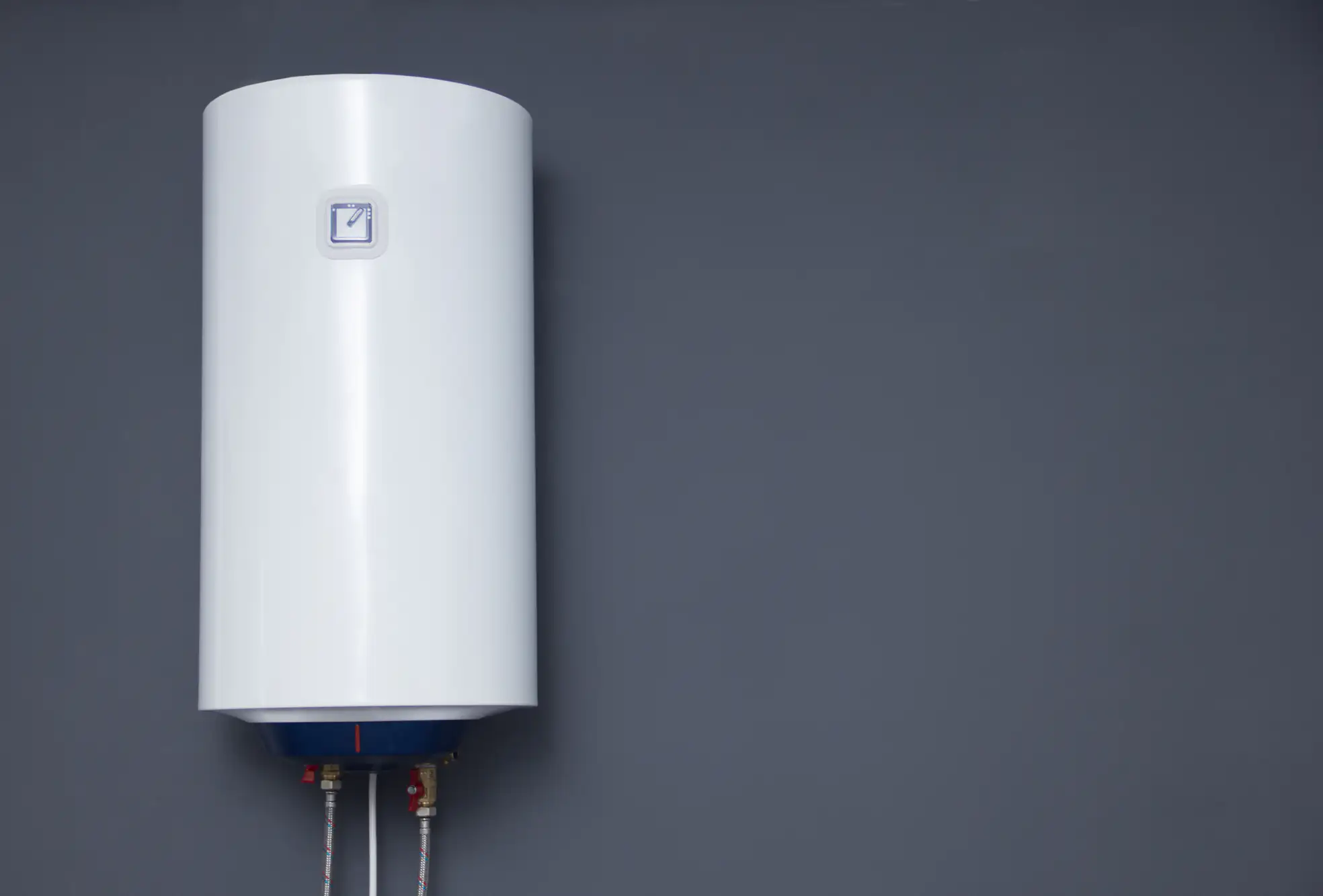


Most boiler cleaning companies stop at the mechanical unit. They clean the burner, check a few components, and call it done. But in a Copiague Harbor home where your exhaust pathway runs from the oil-fired boiler in your basement all the way up through a chimney that faces the open air of the Great South Bay stopping at the burner box means leaving half the job unfinished.
Salt air and bay moisture accelerate corrosion in metal flue liners and chimney components faster than in any inland neighborhood. When moisture from the bay condenses inside the flue shaft during the shoulder seasons, it mixes with soot residue and forms acidic deposits that quietly eat through clay and metal liners. You won’t notice it until there’s a problem and by then, the repair is a much bigger conversation than a cleaning would have been.
A full boiler and chimney cleaning from us means your heat exchanger is clear, your burner is calibrated, and your flue is free of the soot, blockages, and corrosive buildup that this coastal environment accelerates. Your boiler runs the way it’s supposed to, your fuel isn’t being wasted on a system working against itself, and the exhaust gases from combustion are going where they’re supposed to go out of the house, not into it.
We’ve earned Angi’s List and BBB awards for six consecutive years. That’s not a one-time rating it’s a track record that homeowners across Suffolk County, including right here in Copiague Harbor, can verify independently before they ever pick up the phone.
Based out of Bethpage, we’re about 7 to 9 miles from the Great South Bay Estates community. We hold Suffolk County licensing, carry both liability insurance and workers’ compensation, and use only UL-listed materials on every job. When we show up, we show up prepared and when we leave, we leave the space exactly as we found it. That last part comes up in review after review, and it matters in homes that have been carefully maintained.
What also comes up in those reviews is honesty. Our technicians have been documented telling homeowners they did not need a service they called about. In a tight-knit HOA community like Great South Bay Estates, that kind of reputation travels fast and it’s the kind of reputation worth having.
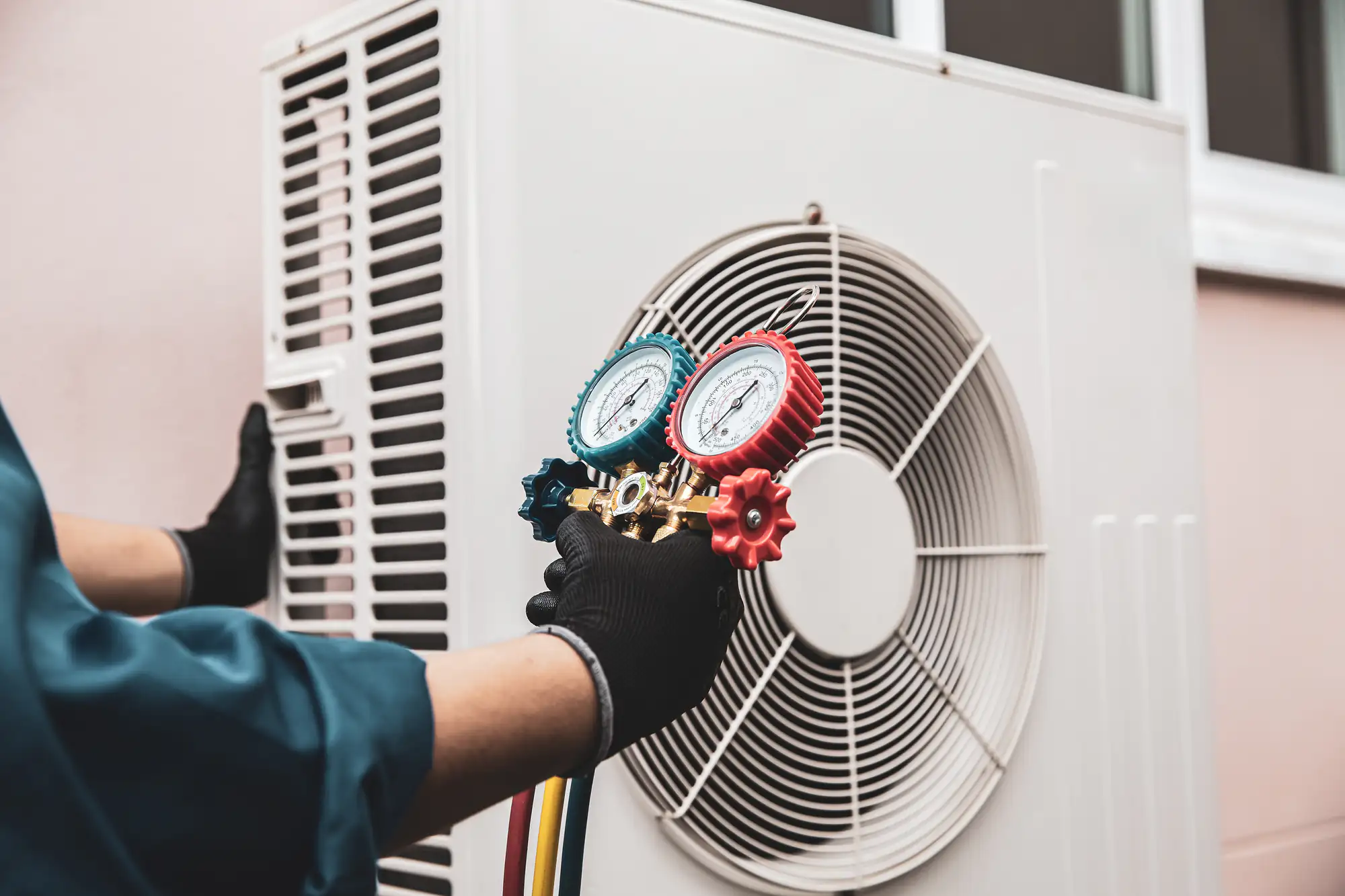
When you call us, the first thing that happens is a straightforward conversation about your system what type of boiler you have, when it was last serviced, and whether there are any issues you’ve already noticed. For most Copiague Harbor homes running on oil heat, that context matters. Oil systems produce more combustion byproducts than gas, and the cleaning scope reflects that.
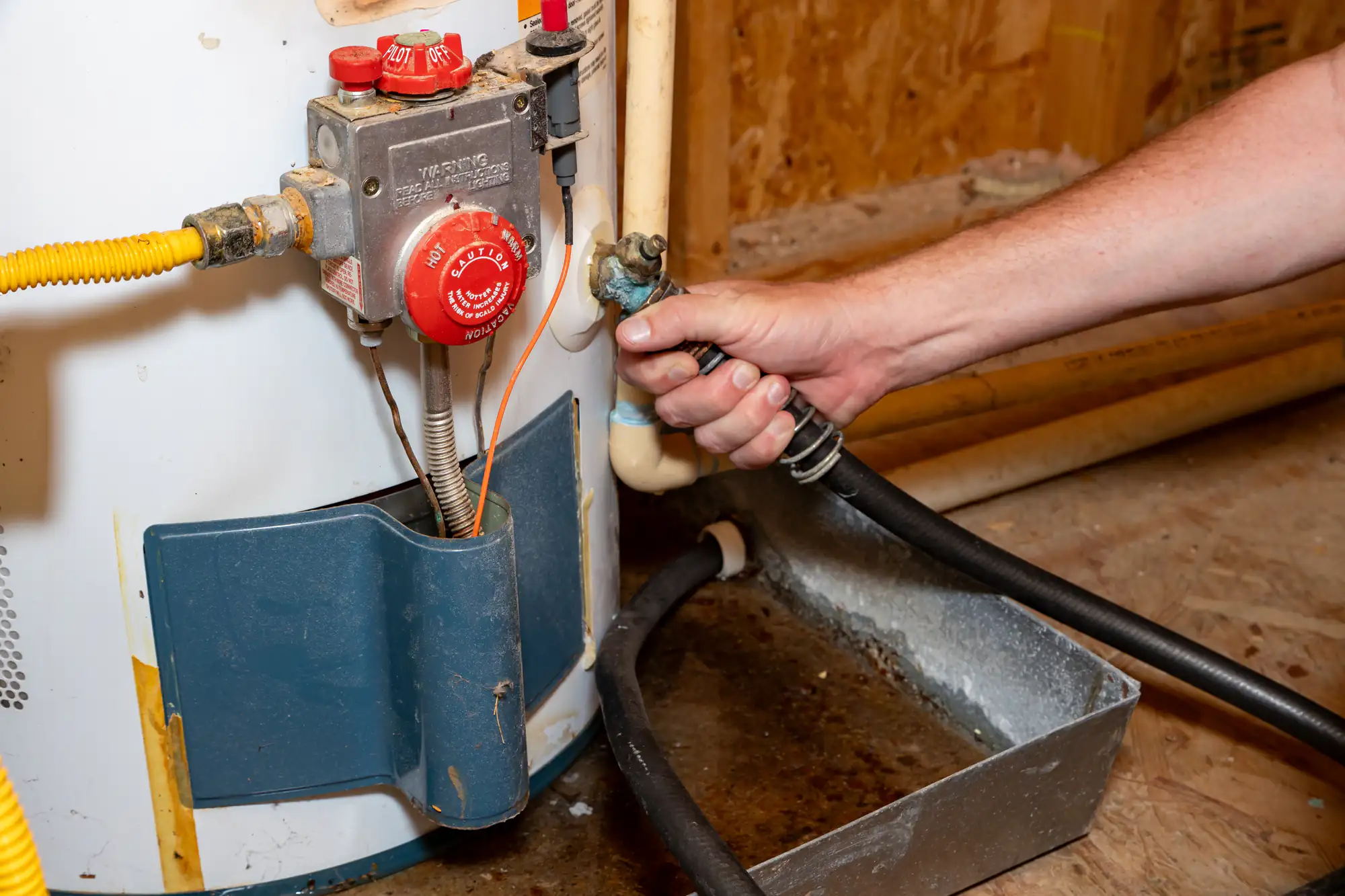
On the day of service, our technician works through the full system not just the mechanical unit. That means cleaning the heat exchanger and burner assembly, checking and adjusting combustion, inspecting the flue for soot buildup and blockages, and examining the chimney liner for the kind of corrosive deterioration that salt air and bay moisture accelerate in waterfront homes. If there’s a bird nest or debris blocking the exhaust pathway something that happens more often in coastal communities than most homeowners expect that gets addressed too.
Safety controls, pressure valves, and electrical connections are all checked before the job is called done. The whole process typically takes one to two hours for a standard residential system. Everything is UL-listed, all work is performed under Suffolk County licensing as required for jobs in the Town of Babylon, and you get a clear picture of what was found and what, if anything, needs follow-up. No surprises at the end, and no pressure toward work that isn’t necessary.
Ready to get started?
The reason our boiler cleaning service is different from what your standard HVAC company offers comes down to one thing: chimney expertise. Every local HVAC provider in Copiague whether it’s a heating-only company or a full home services operation cleans the boiler unit. None of them clean the chimney flue. We do, because both are part of the same system.
For Copiague Harbor homeowners on oil heat, this matters more than it does almost anywhere else on Long Island. Suffolk Oil has been delivering heating oil to homes in this community for over 70 years, and oil combustion produces significantly more soot and carbon deposits than gas. That residue accumulates in the heat exchanger, the burner assembly, and the chimney flue and in a waterfront home exposed to Great South Bay salt air and moisture year-round, that buildup degrades faster and causes more damage than it would in an inland home.
Our service covers boiler cleaning and inspection, burner cleaning and calibration, combustion analysis, flue and chimney liner inspection, soot and blockage removal, safety control testing, and nest or debris removal when present. If the inspection turns up a liner issue, a cracked flue, or anything that warrants a separate repair conversation, you’ll hear about it plainly with a clear explanation, not a sales pitch. That’s the standard we’ve maintained across six years of consistent recognition, and it’s the standard every Copiague Harbor homeowner should expect.

Once a year is the right interval for most residential boiler systems, and for oil-heated homes in Copiague Harbor, that recommendation is especially firm. Oil combustion produces more soot and combustion byproducts than gas, which means buildup accumulates faster and causes more damage over a skipped season than it would in a gas-fired system. Most boiler manufacturers also require annual professional service to keep the warranty valid skipping a year doesn’t just mean more buildup, it can mean voided coverage when you need it most.
For homes in Copiague Harbor specifically, the coastal environment adds another layer of urgency. Salt air and bay moisture accelerate corrosion in chimney liners and flue components year-round, not just during the heating season. An annual cleaning catches that deterioration early, before a corroded liner or blocked flue becomes a carbon monoxide issue or a major repair. The best time to schedule is late summer or early fall before the heating season starts and while the boiler is still off, so there’s no disruption to your heat.
A thorough boiler cleaning covers the full system not just the mechanical unit in your basement. Our technician cleans the heat exchanger and burner assembly, performs a combustion analysis to verify the air-to-fuel ratio is set correctly, inspects and cleans the flue for soot and blockages, checks the chimney liner for damage or deterioration, and tests all safety controls including pressure valves and electrical connections. If there’s a nest or debris in the exhaust pathway which happens more frequently in coastal communities like Copiague Harbor, where birds and marine wildlife seek shelter in chimney openings that gets cleared as part of the job.
The distinction that matters here is the chimney side of the work. Most HVAC companies stop at the boiler unit. They don’t inspect or clean the flue liner or the chimney exhaust pathway. In a waterfront home where salt air and moisture are constant factors, the flue is often where the real deterioration is happening and it’s the part of the system most likely to create a safety issue if it goes unchecked. A full boiler and chimney cleaning from a company with chimney-specific expertise covers both ends of the system.
Yes and this is one of the most common misunderstandings among Long Island homeowners on oil heat. When your oil delivery company services your boiler, they’re working on the burner unit: the mechanical components that ignite and combust the fuel. That’s their area of expertise, and it’s a legitimate part of the maintenance picture. What they don’t do is clean the chimney flue, inspect the liner, or clear blockages in the exhaust pathway. Those are chimney services, not HVAC services, and they require a different set of credentials and equipment.
In Copiague Harbor, where most homes have been running on heating oil for decades and the chimneys face constant exposure to Great South Bay salt air and moisture, the flue side of the system is often where the real issues develop. Soot accumulates in the flue independently of the burner condition. Liner corrosion happens whether or not the burner was tuned last season. If your oil company flagged a chimney issue during their visit which happens regularly on Long Island that’s your cue to call us for the follow-up work, not to assume the burner service covered it.
A few things are worth paying attention to between annual cleanings. If your heating bills have gone up without a corresponding change in oil prices or usage patterns, that’s often a sign of soot buildup reducing the boiler’s efficiency even a thin layer of soot on the heat exchanger can measurably increase fuel consumption. If the boiler is making new sounds, cycling more frequently than usual, or struggling to maintain temperature on cold nights, those are also indicators that the system needs attention.
For Copiague Harbor homeowners specifically, two additional triggers are worth knowing about. First, if your home experienced any water intrusion during a coastal storm or flood event something that Southwest Suffolk County waterfront properties do face during severe weather a post-flood boiler inspection is a smart call even if you’re not due for your annual cleaning. Water in the boiler room can affect the flue and exhaust components in ways that aren’t immediately obvious. Second, if you notice any unusual odors near the boiler or in the living space during heating season, don’t wait. That’s a situation that warrants a same-day call, not a scheduled appointment.
Yes. We offer 24/7 emergency service, and that availability is real not just a line on a website. There are documented customer experiences of us responding to emergency calls on the same day, including jobs completed after dark in sub-freezing temperatures when homeowners had no heat.
For Copiague Harbor residents, that matters in a specific way. A boiler failure on a January night when the wind is coming off the Great South Bay doesn’t feel the same as a boiler failure in a sheltered inland neighborhood. The effective temperature drops fast in a waterfront home with bay wind, and waiting until the next business day isn’t a reasonable option when it’s 25 degrees outside. If your heat goes out and you suspect the boiler or the flue system is the issue, we’re the call to make. We hold Suffolk County licensing, carry full insurance, and are close enough to the Copiague Harbor area to respond without a long wait. Emergency availability is part of how we’ve maintained our reputation across six consecutive years of Angi’s List and BBB recognition.
Cleaning and replacement are two different conversations, and a good technician will tell you which one applies to your situation without pushing you toward the more expensive option. During a boiler cleaning and inspection, the flue liner is examined for cracks, corrosion, and deterioration. If the liner is intact and the buildup is soot or debris, cleaning resolves it. If the liner has structural damage cracks, gaps, or sections that have deteriorated past the point where cleaning helps that’s when a replacement conversation is appropriate.
In Copiague Harbor, liner deterioration tends to happen faster than in inland communities because of the salt air and moisture exposure that comes with living on the Great South Bay. Clay liners are especially vulnerable to the acidic condensation that forms when bay moisture mixes with soot residue inside the flue shaft. Metal liners corrode faster in a marine environment than they would in a landlocked Suffolk County neighborhood. This doesn’t mean every Copiague Harbor chimney needs a new liner it means the inspection matters more here than it does in less exposed locations. When we find something that warrants a repair or replacement, we’ll explain what we found and why, in plain language, so you can make an informed decision rather than just take our word for it.
Other Services we provide in Copiague Harbor