


When your boiler and its entire exhaust pathway are properly cleaned, you get reliable heat, lower fuel consumption, and the peace of mind that comes from knowing your system isn’t quietly working against you. A layer of soot just one millimeter thick on your boiler’s heat transfer surfaces can drop efficiency by 3 to 4 percent and push flue gas temperatures up by 20 to 25 degrees Celsius. That translates directly to more oil burned, higher bills, and a system that’s working harder than it should every time it fires.
For Devon homeowners, the stakes are different than they are for an inland Long Island suburb. Your property sits on the Amagansett Highlands at roughly 90 feet above sea level, exposed to salt air from both Gardiners Bay to the north and the Atlantic Ocean to the south. That dual coastal exposure accelerates corrosion in the metal components of your flue system the liner, the cap, the draft connections faster than you’d see in an inland home. Regular professional cleaning catches that deterioration before it becomes a liner failure or a blocked exhaust pathway.
If your Devon home is seasonally used, there’s another layer to this. A boiler that sits dormant from spring through early fall accumulates moisture and residual deposits during that idle period. When it’s fired up for a fall weekend or a caretaker turns on the heat before a winter visit, it needs to have been cleaned and inspected beforehand. A system that hasn’t been serviced is a system you can’t fully trust when you need it most.
We’ve maintained an “A” rating with the Better Business Bureau and earned Angie’s List awards for six straight years. That kind of sustained recognition doesn’t happen by accident it comes from technicians who show up on time, tell you what your system actually needs, and leave your property as clean as they found it. Those aren’t marketing claims. They’re documented, consistent patterns that show up across hundreds of real customer reviews.
We serve the East Hampton area, including Devon and the broader Amagansett community, and understand what coastal Suffolk County properties actually require. That means knowing the difference between a routine boiler cleaning on a post-war ranch and a full flue inspection on a 115-year-old Devon Colony home with original masonry and a chimney that’s been modified more than once over the decades.
We carry Suffolk County licensing, liability insurance, and workers’ compensation coverage the specific credentials that matter when you’re authorizing work on a high-value property, whether you’re on-site or working through a property manager.
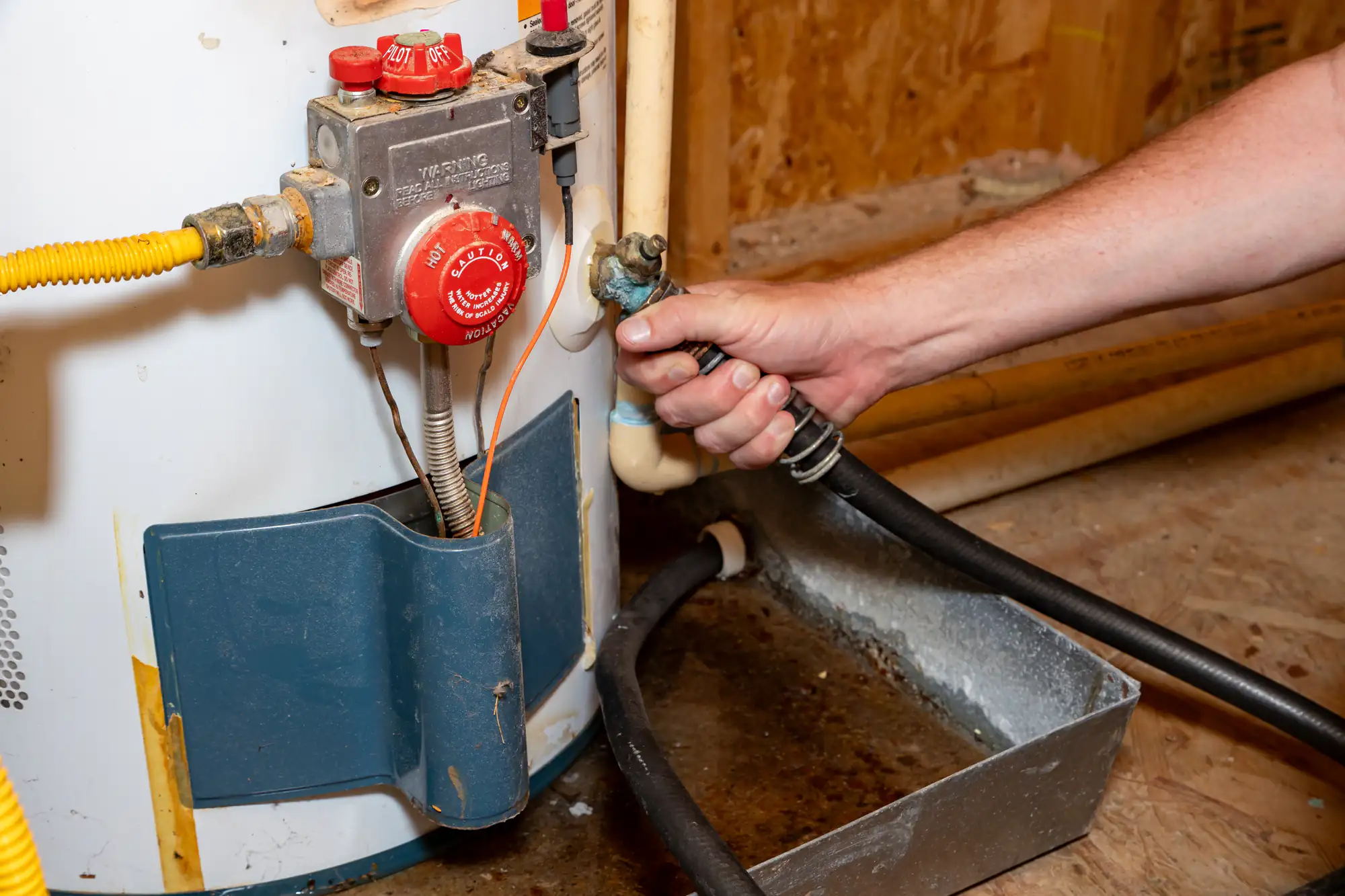
The process starts with a full visual inspection of your boiler, piping, and connections checking for corrosion, leaks, and anything that looks out of place before any cleaning begins. For Devon homes, this inspection pays particular attention to the metal components in the exhaust pathway, because salt air corrosion shows up here first and it’s easy to miss if you’re not looking for it specifically.
From there, the heat exchanger, burners, and ignition system are cleaned to remove the soot and debris that reduce heat transfer efficiency. The flue is inspected for blockages, cracks, and proper venting and cleaned thoroughly. In seasonally used homes, this is also when nesting material from birds or small animals is removed if it’s found, which is more common than most homeowners expect after a long idle period.
A combustion analysis is performed to verify the air-to-fuel ratio is dialed in correctly, and all safety controls pressure valves, seals, thermostats, and electrical connections are tested before the job is considered done. You get a clear explanation of what was found and what was done. If something needs attention beyond the cleaning itself, you’ll hear about it directly, without pressure. Our technicians have been documented telling customers they didn’t need a service they called about that kind of honesty is what makes it easy to trust the recommendation when something actually does need to be addressed.

Ready to get started?
Most HVAC companies that advertise boiler service in the East Hampton area are heating system specialists they clean and tune the mechanical boiler unit, but they stop there. They don’t inspect or clean the chimney flue. For a Devon home with an oil-fired boiler connected to an aging masonry chimney, that’s only half the job. We cover the entire exhaust system, from the burner through the flue liner to the chimney top because a clean boiler venting through a compromised or obstructed flue is still a problem waiting to happen.
The South Fork of Long Island doesn’t have natural gas distribution infrastructure, which means virtually every Devon home running a boiler is burning heating oil. Oil combustion produces more soot and acidic byproducts than gas, and that chemistry is harder on flue liners and chimney masonry over time. Annual professional boiler cleaning isn’t optional maintenance for Devon homeowners it’s the baseline that keeps the system functioning safely and efficiently through the heating season.
All materials we install are UL listed and up to code, which matters when you’re working on a Suffolk County property and need documentation that the work meets the applicable standards. Whether you’re managing the property directly or coordinating through a caretaker or property manager, we provide the professional record of service that gives you a clear picture of your system’s condition year over year.

Yes and the seasonal occupancy pattern actually makes it more important, not less. An oil boiler that sits dormant from late spring through early fall isn’t just sitting idle. It’s accumulating moisture from condensation, residual soot deposits can harden during the off period, and the chimney flue is an open pathway that birds and small animals can access when the system isn’t running. By the time you or your property manager fires up the heat for a fall visit, you’re trusting a system that may have developed a blockage, a corroded component, or a nest in the flue over the preceding months.
The recommended approach for Devon’s seasonally used homes is a pre-season cleaning and inspection before the heating system is needed typically scheduled in late summer or early fall before Route 27 traffic picks up and appointment slots fill. This gives you the confidence that the system will perform reliably the moment it’s called upon, and it gives a technician the chance to catch anything that developed during the idle period before it becomes an emergency on a cold November night.
Salt air is corrosive to metal, and the components in your boiler’s exhaust pathway the flue liner, chimney cap, draft hood, and exhaust connections are all exposed to it. Devon Colony’s position on the Amagansett Highlands, sitting between Gardiners Bay to the north and the Atlantic Ocean to the south, means your property faces salt-laden air from two directions simultaneously. That dual exposure accelerates the deterioration of metal chimney components faster than you’d see in an inland community.
What this means practically is that the corrosion cycle in a Devon chimney system is compressed. Components that might last 15 to 20 years in an inland location may show significant wear in 10 to 12 years on the Amagansett Highlands. Annual professional boiler cleaning includes an inspection of these components specifically, so deterioration is caught early before a corroded liner allows combustion gases to vent improperly or a failed cap allows water intrusion that damages the masonry from the inside. For a historic Devon Colony home with original masonry, catching this early isn’t just about the boiler it’s about protecting the structure itself.
A thorough boiler cleaning covers the entire system, not just the burner. It starts with a full visual inspection of the boiler, piping, and connections looking for corrosion, leaks, and any signs of wear or damage before any cleaning begins. The heat exchanger, burners, and ignition system are then cleaned to remove soot and debris that reduce heat transfer efficiency. The flue is inspected for blockages, cracks, and proper venting, and cleaned to remove accumulated soot and any obstructions.
A combustion analysis is performed to verify the air-to-fuel ratio is optimized for both efficiency and safe operation. Safety controls are tested pressure valves, seals, thermostats, and electrical connections and gas or oil pressure is verified at proper operating levels. For oil boilers, which are the dominant heating system in Devon and throughout the Amagansett area, the burner is adjusted and tuned to ensure clean, efficient combustion.
If nesting material or other obstructions are found in the flue which is not uncommon in seasonally used homes that’s removed as part of the service. The job ends with a clear explanation of what was found, what was done, and any recommendations for follow-up work if anything needs attention.
Once a year is the standard recommendation for oil-fired boilers, and for Devon homes specifically, that annual schedule is worth sticking to rather than stretching. Oil combustion produces more soot and acidic byproducts than gas, which means buildup accumulates faster and the chemistry is harder on flue liners and masonry over time. The South Fork of Long Island doesn’t have natural gas distribution infrastructure, so if you have a boiler in Devon, you’re almost certainly burning heating oil and that fuel type makes the annual cleaning more consequential, not less.
The timing that works best for most Devon homeowners is late summer or early fall, before the heating season begins. This is especially true for seasonally used properties: scheduling the cleaning while the boiler is still dormant means any issues discovered can be addressed before the system is needed. Most boiler manufacturers also require documented annual professional maintenance to keep warranty coverage valid, so skipping a year doesn’t just carry a maintenance risk it can void the coverage on the equipment itself.
Running fine last winter doesn’t tell you much about what’s happening inside the flue right now. Soot and combustion byproduct buildup is cumulative and largely invisible the system can appear to be functioning normally while efficiency is quietly declining and corrosion is progressing inside the exhaust pathway. A boiler that ran without obvious problems last season may have accumulated enough buildup during this past idle period to meaningfully reduce efficiency or create a safety concern heading into the next heating season.
There’s also the compounding factor that’s specific to Devon’s coastal environment. Salt air corrosion doesn’t pause because the boiler ran well last winter. A flue liner that was in acceptable condition in March may look noticeably different by October after months of salt air exposure and condensation cycles during the idle period. The cost of an annual cleaning is a fraction of what a liner repair or replacement costs and it’s a much smaller number than an emergency service call on a cold weekend night when you’ve arrived at your Devon property and the heat won’t come on.
In Suffolk County, chimney contractors are required to hold a Suffolk County Department of Consumer Affairs license it’s a verifiable credential, not just a verbal assurance. Before authorizing any chimney or boiler flue work on your Devon property, ask for the company’s Suffolk County DCA license number and confirm it’s current. You should also ask for a Certificate of Insurance showing both liability coverage and workers’ compensation particularly important for high-value properties where an uninsured worker on-site creates real financial exposure for the property owner.
Beyond licensing, look for CSIA (Chimney Safety Institute of America) certification, which is the industry-specific professional credential for chimney and flue work. It requires passing a rigorous written exam and ongoing continuing education it’s not a membership fee. Sustained recognition from the BBB and verified review platforms like Angie’s List over multiple consecutive years is also a meaningful signal, because it reflects consistent performance across many customers rather than a single good review. For Devon homeowners coordinating service through a property manager, these documented credentials give your manager the professional record they need to authorize the work with confidence.
Other Services we provide in Devon