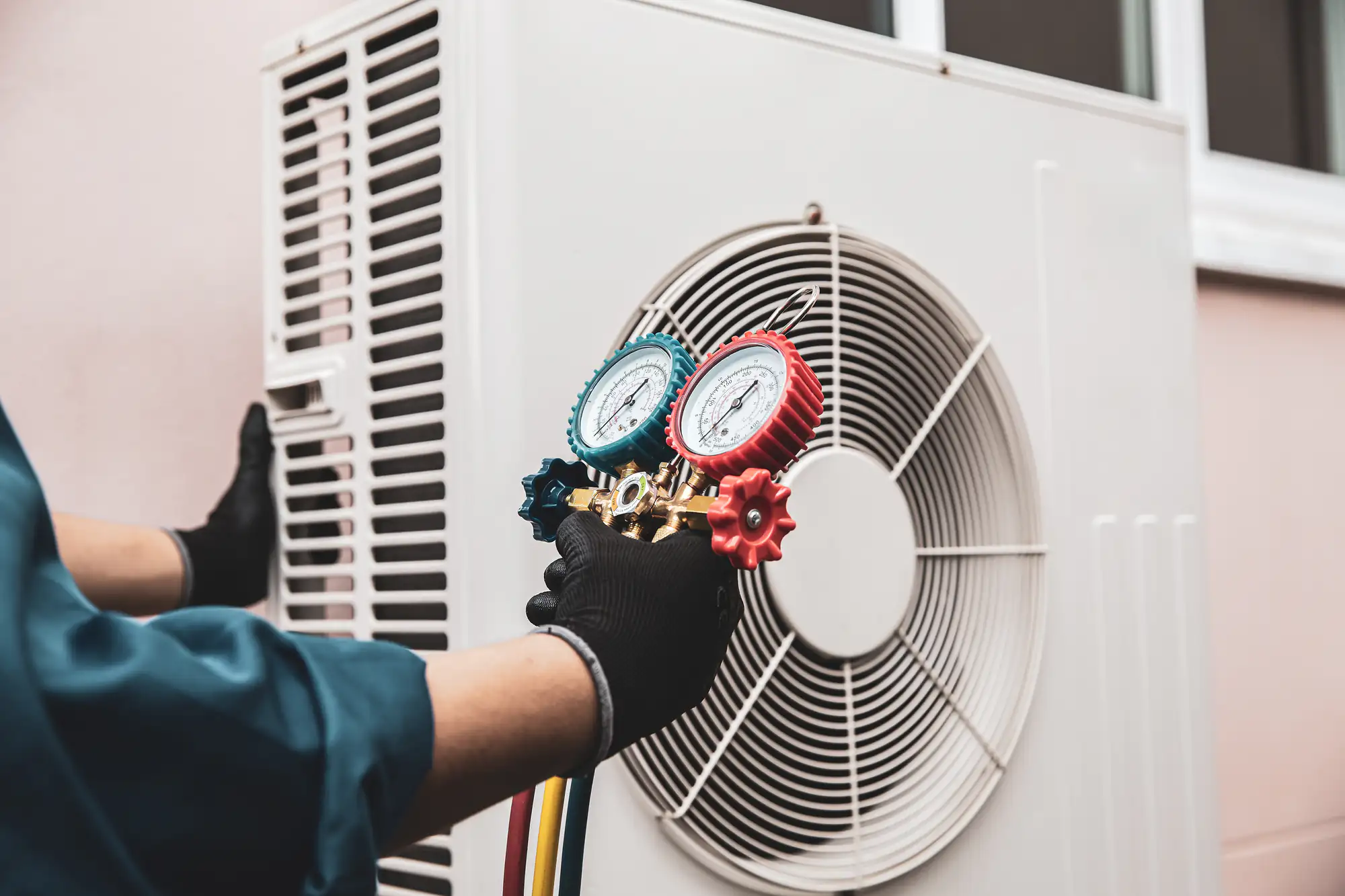


Most homeowners in East Cutchogue get their oil burner serviced every year and assume that covers it. It doesn’t. The burner service your oil company provides focuses on the mechanical unit the combustion side. What it doesn’t touch is the chimney flue, the liner, and the exhaust pathway that carries combustion gases out of your home. That’s a separate job, and it requires a chimney specialist, not an HVAC technician.
When that flue goes uncleaned, soot accumulates on the heat transfer surfaces inside your boiler. Even a thin layer just one millimeter is enough to reduce your system’s efficiency by 3 to 4 percent and push flue gas temperatures higher than they should be. On the North Fork, where heating oil is the only option for most homes and fuel prices are already high, that efficiency loss costs you real money across every heating season it goes unaddressed.
East Cutchogue’s coastal exposure adds another layer to this. Salt air off Peconic Bay and the Long Island Sound accelerates corrosion on chimney caps, flashing, and liner components. Homes in this area many of them older, with clay-tile liners that were never designed for modern oil boiler exhaust chemistry face deterioration that an HVAC company won’t catch because they’re not looking at the chimney. When we clean your boiler, the entire system gets examined, cleaned, and assessed not just the part that’s easiest to reach.
We’ve earned an “A” rating with the BBB and an Angie’s List award for six consecutive years. That’s not a one-time achievement it’s the kind of track record that only holds up when the work is consistently done right. We’re based in Bethpage and hold Suffolk County licensing, which is the specific credential required for chimney work in East Cutchogue and throughout the Town of Southold.
What sets us apart from the local HVAC and plumbing companies serving the Cutchogue area isn’t just the credentials it’s the scope. Hardy Plumbing in Mattituck, the fuel oil companies running deliveries along Route 25, the general heating contractors on the North Fork they all service the boiler unit. None of them specialize in the chimney side of the system. We do.
When our technician shows up, they’re not there to upsell you. There are documented cases where our technicians told homeowners they didn’t need the service they called about. That kind of honesty is rare in this industry, and it’s exactly what homeowners in East Cutchogue many of whom are managing high-value properties and have zero patience for contractors who manufacture problems actually need.
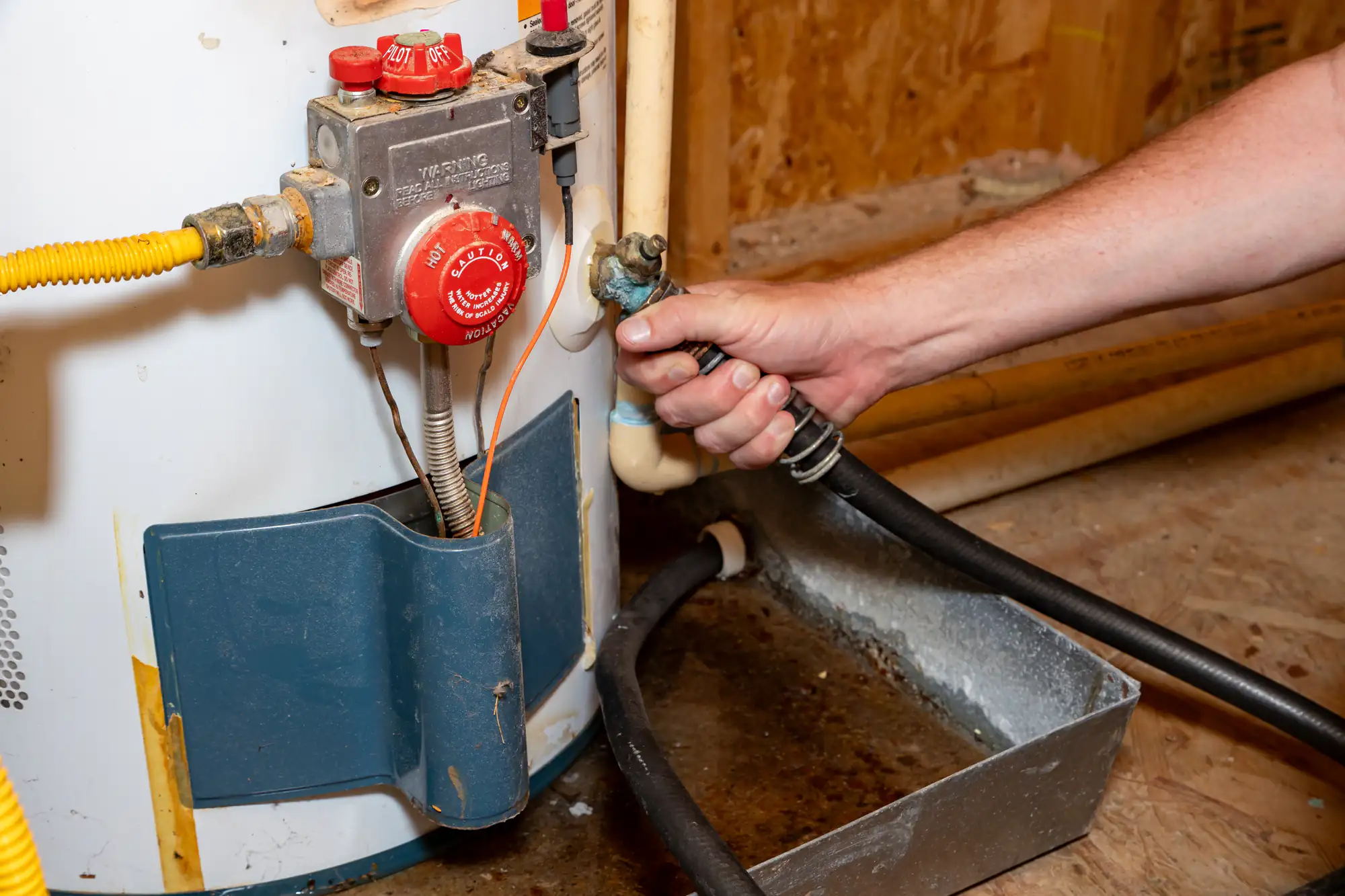
The visit starts with a full visual inspection the boiler itself, the piping, the connections, and any visible signs of corrosion, leaks, or wear. For homes in East Cutchogue, this initial look often reveals what coastal conditions have been quietly doing to the system: corroded metal components, moisture damage in the flue, or a chimney cap that’s been compromised by salt air. If you’re a second-home owner and the property has been sitting since spring, this inspection also checks for what may have moved into the dormant flue over the warmer months birds and small animals nest in unused chimneys on the North Fork more often than most homeowners realize.
From there, we clean the heat exchanger, burners, and ignition system removing the soot and combustion residue that builds up over a heating season and quietly pulls your system’s efficiency down. A combustion analysis follows, measuring and adjusting the air-to-fuel ratio so the boiler is burning cleanly and efficiently. We inspect the flue for blockages, cracks, and proper venting, and test all safety controls pressure valves, thermostats, seals, and electrical connections.
The whole process typically takes about one to two hours for a standard residential system. When it’s done, you’ll know exactly what was found, what was addressed, and whether anything needs attention before the heating season starts. Any liner or structural chimney work we perform is done with UL-listed materials that meet New York State Uniform Code standards.

Ready to get started?
Our boiler cleaning covers the complete exhaust system not just the mechanical unit. That means the burner, heat exchanger, and ignition system get cleaned and adjusted, but so does the flue, the liner, and everything in between. For East Cutchogue homes running on heating oil, this matters more than it does almost anywhere else on Long Island. Oil combustion produces more soot than gas, and without regular cleaning, that buildup compounds season over season.
For second-home owners on the North Fork, there’s a specific scenario worth understanding. A boiler that sat dormant from March through October is a boiler with an unchecked flue. Moisture from coastal air infiltrates the liner during that dormancy. Animals nest in the open chimney. By the time October arrives and you’re ready to turn the heat on for the first time, you could be pushing combustion gases through a partially blocked or structurally compromised flue without knowing it. The annual cleaning catches this before it becomes a carbon monoxide problem.
We also handle commercial properties and the North Fork has no shortage of them. Winery tasting rooms, farm outbuildings, and the bed-and-breakfasts scattered through the Cutchogue area all have heating systems that need the same level of attention as a residential boiler. If you’re managing a commercial property along Route 25 or anywhere in the Southold Town area, the same Suffolk County-licensed service applies.

No, and this is one of the most common misunderstandings among homeowners on the North Fork. When your oil delivery company sends a technician for the annual burner service, they’re focused on the combustion unit the burner head, the nozzle, the filters, and the mechanical components that keep the boiler firing correctly. That’s their area of expertise, and it’s a legitimate and necessary service.
What they don’t do is clean or inspect the chimney flue, the liner, or the exhaust pathway that carries combustion gases from the boiler out of your home. That’s a separate discipline that requires a chimney specialist. In East Cutchogue, where many homes have older clay-tile liners and face accelerated deterioration from coastal salt air exposure, the chimney side of the system deserves just as much attention as the burner side. We cover both and hold the Suffolk County chimney-specific licensing to do it properly.
Once a year is the standard recommendation, and for most North Fork homeowners, the fall window September through October is the right time to do it. The boiler hasn’t been running since spring, so the work can be done without interrupting your heat. More importantly, any issues found during the cleaning can be repaired before the first cold stretch of November arrives.
For second-home owners in East Cutchogue who leave their properties vacant for extended periods, the annual pre-season cleaning is especially important. A dormant boiler means a dormant flue and a dormant flue on a coastal peninsula is one that’s been exposed to moisture, salt air, and wildlife all summer. Scheduling your cleaning before you reopen the property for fall gives you a clear picture of what the off-season left behind, before you fire the system up and find out the hard way.
A few things are worth paying attention to between annual cleanings. If your heating bills have gone up noticeably without a corresponding change in fuel prices or usage habits, reduced boiler efficiency from soot buildup is a likely factor. A 1mm layer of soot on the heat exchanger surfaces is enough to reduce efficiency by 3 to 4 percent and on a North Fork home burning several thousand dollars’ worth of heating oil per season, that adds up quickly.
Other signs include unusual smells when the boiler fires, visible soot or residue near the flue connection, or the boiler cycling on and off more frequently than it used to. If you notice any of these, don’t wait for the scheduled annual visit call us and have the system looked at. Catching a buildup issue early is far less expensive than dealing with a boiler that’s been running inefficiently for a full season, or worse, a flue blockage that creates a carbon monoxide risk.
Yes, we service East Cutchogue and hold Suffolk County licensing, which covers the entire Town of Southold including Cutchogue, Peconic, New Suffolk, and the surrounding North Fork hamlets. The geographic reality of the North Fork means the nearest chimney specialist isn’t always around the corner, and most homeowners in this area know that the Long Island Expressway ends in Riverhead, well to the west. Finding a licensed, insured chimney company willing to travel this far east and one with a documented track record matters.
We also offer 24/7 emergency service, which is especially relevant for year-round East Cutchogue residents. When a boiler fails on a January night with temperatures in the mid-twenties and coastal wind coming off Peconic Bay, you need a company that picks up the phone and can actually get there. That documented emergency availability is a genuine differentiator in a market where local options are limited.
It depends on the system and the conditions, but for most East Cutchogue homeowners, skipping a year isn’t a neutral decision it’s a compounding one. Soot and combustion residue don’t reset between seasons. What didn’t get cleaned last year is still there, and this year’s buildup layers on top of it. The efficiency loss accumulates, the liner deterioration continues, and any blockage that started forming last season has had another full year to develop.
For homes with older clay-tile liners common in the North Fork’s historic housing stock a skipped year of inspection also means a year of undetected deterioration. Tile cracks and mortar joint failures allow combustion gases, including carbon monoxide, to migrate into the wall cavity rather than exhausting through the flue. That’s a documented failure mode in aging chimney systems. Most boiler warranties also require annual professional maintenance to remain valid, so a skipped year can have financial consequences beyond the fuel efficiency loss.
They overlap significantly, but they’re not identical. A boiler tune-up typically focuses on the mechanical and combustion side adjusting the burner, calibrating the air-to-fuel ratio, testing safety controls, and verifying that the system is operating within proper parameters. A boiler cleaning specifically addresses the removal of soot, scale, and combustion residue from the heat exchanger surfaces, burners, and flue.
In practice, a thorough annual service from us covers both. The cleaning removes the buildup that reduces efficiency, and the tune-up adjusts the system to run correctly once it’s clean. What distinguishes our service from what a standard HVAC company provides is the chimney component the flue inspection, liner assessment, and full exhaust pathway cleaning that HVAC technicians don’t perform. For East Cutchogue homeowners with oil boilers and older chimney systems, having both the mechanical and the chimney side addressed in a single visit by a Suffolk County-licensed chimney specialist is the most complete form of annual maintenance available.
Other Services we provide in East Cutchogue