
When your boiler is clean, it burns fuel the way it was designed to completely, efficiently, without waste. For East Hills homeowners heating with oil, that matters more than most people realize. A thin layer of soot on the heat exchanger is enough to cut efficiency by 3 to 4 percent, and that loss shows up in your fuel bill every single month, not just when something breaks.
The homes in East Hills particularly in neighborhoods like Country Estates and Fairfield Park, built on what was once the Mackay Harbor Hill estate are largely from the late 1940s through the early 1960s. That puts most boiler systems in this village somewhere between 30 and 70 years old, depending on when the last replacement happened. Systems that age accumulate problems quietly: soot in the flue, deteriorating clay tile liners, debris in the exhaust pathway. None of it announces itself until something fails.
We catch all of it before it becomes an emergency. You get a boiler that runs cleaner, uses less fuel, and doesn’t leave you scrambling for emergency service on a January night when the temperature on the North Shore drops into the teens. That’s the real outcome not a number on a checklist, but a heating system you can actually count on when winter arrives.
We’re based in Bethpage and serve Nassau County as a core part of our service area which puts East Hills well within reach, a straightforward drive up the Northern State Parkway or over via the Long Island Expressway. This isn’t a company making a long trip out to an unfamiliar area. Nassau County is home territory, and the housing stock here older homes, oil-fired boilers, aging chimney liners is exactly what our crew works on every day.
Our track record is documented. We maintain an “A” rating with the BBB and have earned the Angie’s List award for six consecutive years. That kind of sustained recognition doesn’t come from one good season it comes from consistently showing up on time, doing the work right, and leaving the property exactly as it was found. For East Hills homeowners who take their homes seriously, that consistency is what actually matters when you’re letting a crew into a house worth well over a million dollars.
Every material we install is UL listed and meets New York State code requirements, which matters specifically in East Hills because the village runs its own active Building Department with permit and inspection requirements for any work beyond routine cleaning.

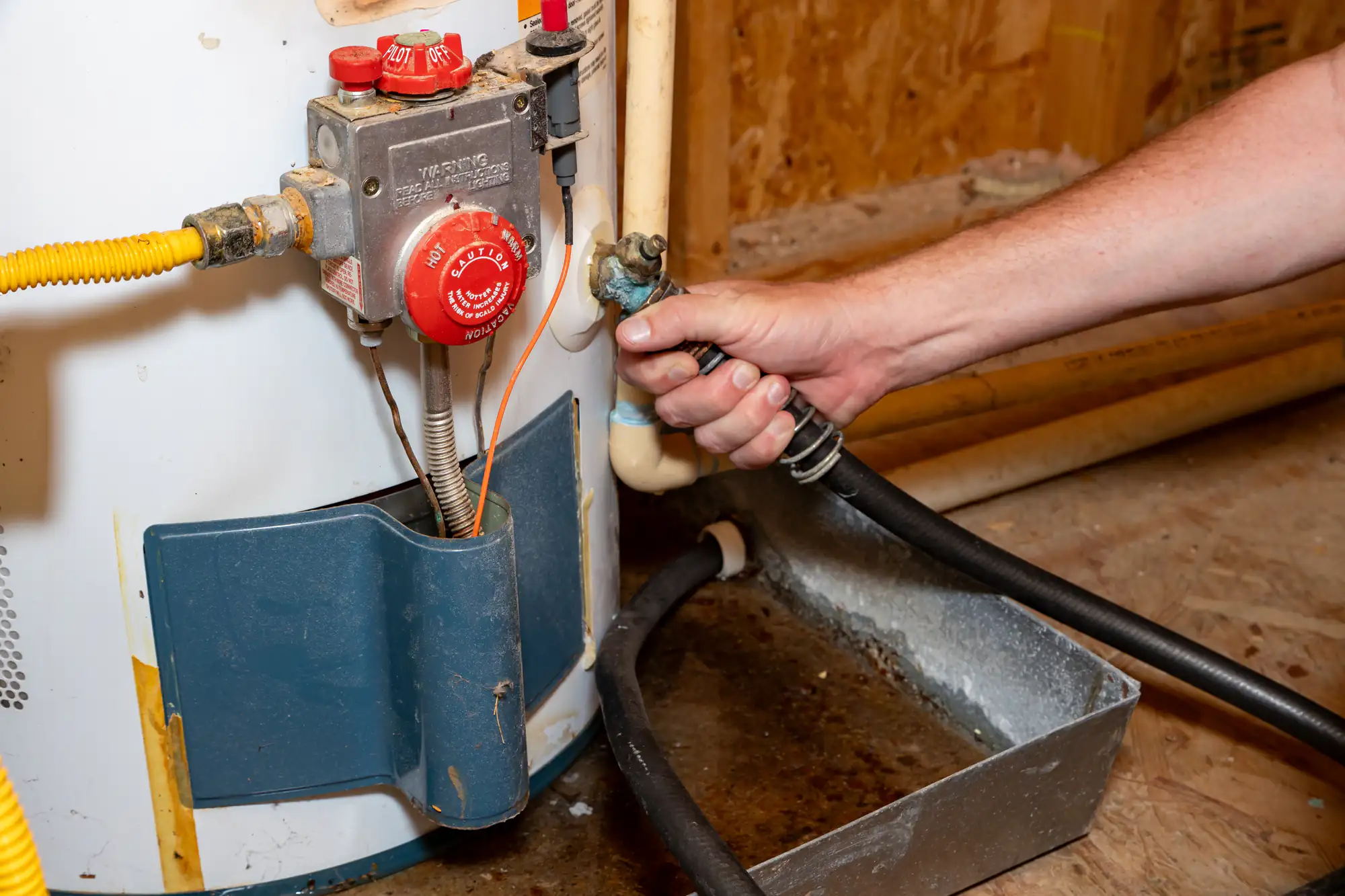
The process starts before we touch the boiler. Our technician does a full visual inspection of the unit, the piping, and the connections looking for corrosion, leaks, anything that’s worn or showing early signs of failure. In a home built in the 1950s, that inspection step carries real weight. These systems have history, and a trained eye picks up things a homeowner wouldn’t notice until they became a problem.
From there, the heat exchanger and burners get cleaned removing the soot and combustion deposits that build up over a heating season and drag down efficiency. The flue gets inspected and cleaned as well, which is the part most HVAC companies skip entirely. We cover the full path from the burner through the exhaust system to the chimney top. If there’s a nest, a blockage, or a cracked liner, it gets found here not during an emergency call in February.
A combustion analysis follows, checking that the air-to-fuel ratio is set correctly for clean, efficient burning. Safety controls get tested: pressure valves, seals, thermostats, shutoffs. For East Hills homeowners who have been getting annual tune-ups from their oil delivery company, it’s worth knowing that those visits typically cover the burner unit only not the chimney flue, not the liner, not the exhaust pathway. That’s the half of the system we address.
Most visits for a standard residential boiler take around one to two hours, and our crew cleans up completely before leaving.
Ready to get started?
East Hills runs almost entirely on oil heat. Hart Home Comfort delivers heating oil directly to the village, and the aging housing stock here built before natural gas was the default for new construction means oil-fired boilers are the norm, not the exception. Oil systems accumulate combustion byproducts faster than gas systems do, which is exactly why annual boiler cleaning for East Hills homes isn’t a suggestion it’s the maintenance baseline that keeps the system safe and efficient.
What we cover goes well beyond what most people picture when they think of a “boiler cleaning.” The heat exchanger gets cleaned. The burners get cleaned and adjusted. The flue gets inspected and cleared of soot, debris, and any obstructions. The liner often original clay tile in homes from the 1950s and 1960s gets assessed for cracks or deterioration that could allow carbon monoxide to migrate into the living space. The chimney crown and cap get checked. Safety controls get tested.
If anything needs repair, you get an honest assessment of what’s actually necessary, not a list of upsells. If a cleaning reveals that liner installation, cap replacement, or flashing repair is needed, all materials we use are UL listed and meet New York State code standards which means any follow-on work will pass Village of East Hills building inspection without issue. Most boiler warranties also require documented annual professional maintenance to stay valid, so the service protects your investment on that front as well.

For most East Hills homes, once a year is the right interval and the reasoning is straightforward. Oil-fired boilers, which are common throughout this village given its older housing stock and active heating oil delivery market, produce more combustion byproducts than gas systems. Soot accumulates in the heat exchanger and flue over the course of a heating season, and that buildup reduces efficiency and increases the risk of carbon monoxide issues if the flue becomes partially obstructed.
The best time to schedule is late summer or early fall before the heating season begins. That way, if the cleaning reveals something that needs repair, like a cracked liner or a deteriorating crown, there’s time to address it before you actually need the heat. Homes in East Hills built in the 1950s and 1960s have systems with real age on them, and annual cleaning is what keeps those systems running safely rather than failing at the worst possible time.
Not typically, and this is one of the most common misunderstandings among Long Island homeowners with oil heat. When your oil delivery company sends a technician for an annual tune-up, they’re servicing the burner unit checking the nozzle, testing the electrodes, adjusting combustion settings. That’s valuable work, but it stops at the mechanical unit itself.
The chimney flue, the liner, the exhaust pathway, the crown, the cap none of that is part of a standard oil company tune-up. In a home built in the 1950s with an original clay tile flue liner, a crack in that liner can allow carbon monoxide to seep into the living space without triggering any obvious symptoms. That risk goes undetected until someone runs a proper chimney inspection and cleaning. We cover the complete boiler-to-chimney system the half of the equation that your oil company leaves unaddressed. Both services matter, and they’re not duplicates of each other.
A few things are worth paying attention to between annual cleanings. If your heating bills are climbing without a clear explanation no unusual cold stretch, no change in how you’re using the heat that’s often a sign of reduced combustion efficiency from soot buildup. A boiler working harder to produce the same amount of heat is a boiler that needs attention.
Other signs include unusual smells when the boiler fires up, visible soot around the unit or near the exhaust connections, or the boiler cycling on and off more frequently than usual. In East Hills, where many homes sit on the North Shore with older chimney systems exposed to coastal moisture and freeze-thaw cycling, liner deterioration can also cause draft problems that affect how cleanly the boiler burns. If your boiler is making new sounds or the heat seems uneven throughout the house, those are worth having looked at rather than waiting for the next scheduled visit.
For many boiler manufacturers, yes and it’s not buried in fine print. Most residential boiler warranties include a requirement for documented annual professional maintenance as a condition of coverage. If the boiler fails and there’s no service record showing annual cleaning and inspection, the manufacturer has grounds to deny the warranty claim. That’s a significant exposure for East Hills homeowners who have invested $5,500 or more in a new boiler installation.
The documentation piece matters as much as the cleaning itself. A professional service visit from a credentialed company creates a paper trail that protects your warranty coverage. Skipping a year doesn’t just mean double the buildup the following year it means a gap in your maintenance record that can cost you warranty protection at exactly the moment you need it. For a home worth well over a million dollars, that’s not a risk worth taking to save the cost of an annual cleaning.
For most residential boilers, the full cleaning and inspection process takes approximately one to two hours. That covers the heat exchanger cleaning, burner cleaning and adjustment, flue inspection and cleaning, combustion analysis, safety control testing, and a full assessment of the chimney system from the unit to the top of the stack.
For East Hills homeowners, that timeline is straightforward the visit doesn’t require you to be home for an extended window or rearrange your entire day. Schedule for a morning slot and the work is typically done before the afternoon. We arrive, complete the job, clean up completely, and leave the only evidence we were there is a clean boiler ready for the heating season. If the inspection turns up anything that needs repair, you’ll get a clear explanation of what was found and what it would take to address it, without any pressure to commit on the spot.
Yes. We hold contractor licensing specific to Nassau County, which is the licensing requirement that applies to work done in East Hills. Nassau County has its own licensing standards separate from New York State’s general contractor requirements, and working legally in East Hills means holding the county-specific credentials not just a general business license.
This matters in East Hills specifically because the village operates its own Building Department with active permit and inspection requirements. For routine boiler cleaning, no permit is required. But if a cleaning reveals the need for liner installation, cap replacement, or flashing repair, those jobs require Village of East Hills building permits and must pass village inspection. Our work meets New York State code and uses UL-listed materials throughout, which means any installation work holds up under the village’s inspection process. Before any contractor does work in your home, it’s worth asking for proof of Nassau County licensing and a certificate of insurance showing both liability coverage and workers’ compensation we carry both.
Other Services we provide in East Hills