


When your boiler is running clean, you feel it in the heat output, in the fuel bill, and in the quiet confidence of knowing your system isn’t working against you. A professional boiler cleaning removes the soot buildup that quietly eats away at efficiency and on Fire Island, where heating oil is your primary fuel source, that efficiency loss shows up directly in what you’re paying per delivery.
Fire Island’s position on the Atlantic creates a corrosive environment that mainland homes simply don’t deal with at the same intensity. Salt-laden air works its way into flue pipes, heat exchangers, and chimney liners year-round. That kind of exposure accelerates deterioration between service visits in ways that a home in Levittown or Bay Shore never experiences. Annual boiler cleaning and inspection catches what the ocean air is doing to your system before it becomes a safety issue or a breakdown.
For the homeowners who close up their Fire Island property in September and return in May, there’s another layer to this. A boiler that sat dormant through winter in a coastal environment, in a home that wasn’t heated needs to be looked at before you rely on it. Soot hardens, moisture accumulates, and wildlife finds its way into unoccupied flues. A thorough cleaning and inspection before you settle back in isn’t overcautious. It’s just smart.
We’ve been recognized by both Angie’s List and the BBB with top ratings for six consecutive years. That’s not one good season that’s a track record built on showing up, doing the work right, and not inventing problems that don’t exist. Homeowners across Suffolk County, including those managing properties along the South Shore, keep coming back because the experience is consistent.
Fire Island falls within the Suffolk County service area we’re licensed to work in and we know this stretch of Long Island well. The South Shore communities, the older housing stock, the oil-fired systems in mid-century homes none of that is unfamiliar territory. When one of our technicians shows up on Fire Island, they’re not learning your system on the fly.
What sets the experience apart is honesty. There are documented cases where our technicians told homeowners they didn’t actually need a service they called about. In an industry where upselling is common, that kind of straightforwardness is rare and for Fire Island property owners who can’t always be on-site to oversee the work, it matters more than almost anything else.
The process starts before anyone sets foot on the island. Because most Fire Island communities are accessible only by ferry from Bay Shore for the western and central communities, from Sayville for Cherry Grove and Fire Island Pines, or from Patchogue for Davis Park scheduling and logistics require a little more coordination than a standard mainland service call. We work within those realities, not around them.
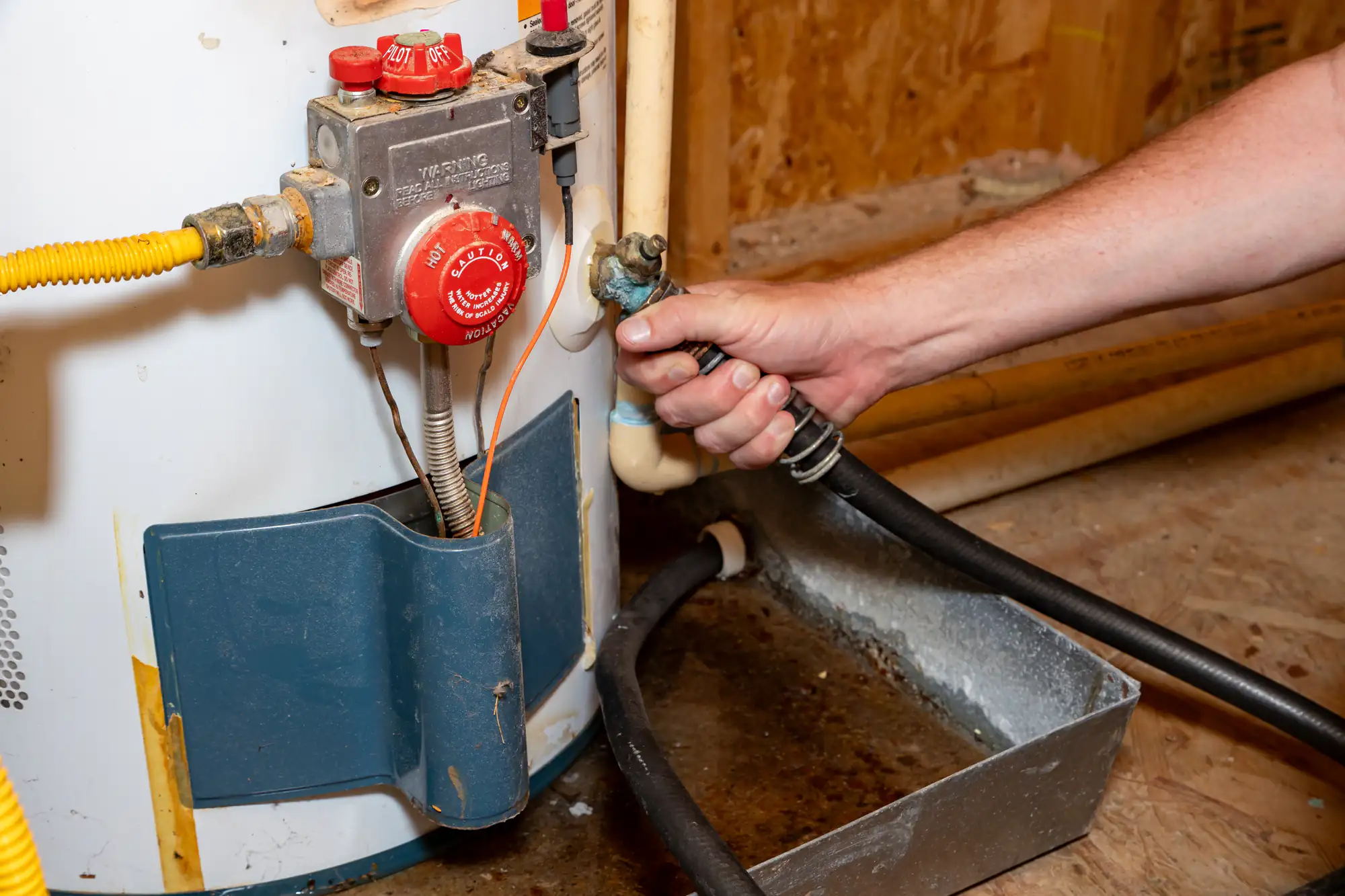
Once on-site, the cleaning covers the full system not just the mechanical boiler unit. We clean the burners, heat exchanger, and ignition components, then inspect them thoroughly. The flue is checked for blockages, soot buildup, and any signs of deterioration from the coastal environment. Given the salt air exposure that every Fire Island home deals with, the flue inspection is particularly important corrosion inside a chimney liner doesn’t announce itself until it becomes a problem. We analyze and adjust combustion for optimal efficiency, and test all safety controls before we leave.
For seasonal properties, the timing of this service matters. Fall before the island quiets down for winter is the ideal window for year-round residents. For seasonal homeowners, a pre-season inspection in spring, before the property is occupied again, addresses whatever the winter left behind. Either way, the goal is the same: you know exactly what condition your system is in, and you’re not guessing.
Ready to get started?
A lot of companies clean the boiler and stop there. We clean the entire exhaust pathway from the burner through the flue all the way to the chimney top. For Fire Island homes with oil-fired boilers, that distinction matters. Oil systems produce more soot than gas, and that soot travels through the full length of the flue. Leaving the chimney side of the system uncleaned after servicing the burner is like changing the filter but not the oil.
What’s included in a boiler cleaning with us covers the heat exchanger, burners, and ignition system; a full flue inspection for blockages, cracks, and salt-air-related corrosion; combustion analysis and adjustment; pressure and safety control testing; and removal of any nesting material or debris that accumulated during a vacancy period. For Fire Island properties that sit unoccupied through the colder months, that last item alone is worth the call a blocked flue in a home you’re about to reopen is a carbon monoxide risk, not a minor inconvenience.
All materials we use are UL listed and meet code requirements for Suffolk County. We carry liability insurance and workers’ compensation, and hold the county-specific licensing required for work performed in Suffolk County jurisdictions which includes the Town of Babylon, Town of Islip, and Town of Brookhaven communities that make up Fire Island.
It’s a fair question, and the logistics are real. Most Fire Island communities don’t have road access they’re reached by ferry from the mainland. For the communities from Kismet through Ocean Bay Park, that means the Bay Shore ferry terminal. Cherry Grove and Fire Island Pines are served from Sayville, and Davis Park is accessible from Patchogue. Our equipment travels by ferry and then moves along boardwalk paths by wagon or on foot, depending on the community.
This is exactly why scheduling matters more on Fire Island than it does anywhere else in Suffolk County. A service call here requires advance coordination around ferry schedules, and we account for that in the planning process. The work itself is the same thorough cleaning and inspection you’d get on the mainland the difference is just in how we get there and how we plan the visit. If you’re a year-round resident or a seasonal homeowner opening your property, the earlier you schedule, the smoother the coordination.
For most boiler systems, annual cleaning is the standard recommendation and that holds for Fire Island properties. But the island’s conditions add a layer of reasoning that doesn’t apply to mainland homes. Salt air and coastal humidity accelerate corrosion inside flue pipes and heat exchangers faster than inland environments, which means annual inspection catches deterioration that might otherwise go unnoticed until it becomes a system failure or a safety issue.
For seasonal properties that sit vacant through winter, there’s a strong case for inspection at the start of each season you plan to use the heating system not necessarily a full cleaning every time, but at minimum a professional look before you fire it up after months of dormancy. Wildlife nesting in unoccupied flues is a documented issue on Fire Island, and a blocked or compromised flue in a home you’re reopening is a carbon monoxide risk. Year-round residents should treat annual boiler cleaning the same way they treat any other critical home maintenance it’s not optional when you’re living on an island where emergency contractor access in January is genuinely complex.
More than most homeowners expect. When a boiler sits dormant for seven or eight months in a coastal environment, a few things tend to happen. Moisture accumulates inside the heat exchanger and flue, which can cause internal corrosion and cause soft soot deposits to harden into scale that’s harder to remove. Any minor issues that existed at the end of last season have had months to develop further without anyone catching them.
The other factor specific to Fire Island is wildlife. Chimneys and boiler flues in vacant homes are prime nesting sites for birds and small animals. A flue that was clear when you closed up in September may have a nest partially or fully blocking it by the time you return in May. Running a boiler through a blocked flue isn’t just an efficiency problem it’s a carbon monoxide risk. A professional inspection and cleaning before you rely on the system after a long vacancy is the only way to know what the winter left behind.
For most boiler manufacturers, yes. Annual professional maintenance is a standard condition of warranty coverage, and skipping a year can void the warranty on repairs that would otherwise be covered. This applies to Fire Island homes the same as any other property the boiler doesn’t know it’s on a barrier island, but the warranty language doesn’t make exceptions for location.
What makes this more consequential on Fire Island is the cost and complexity of replacement or major repair in a ferry-dependent location. A new boiler installation on Long Island runs anywhere from $5,500 to $15,000. On Fire Island, the logistical challenge of getting equipment and a crew to the island adds time and coordination that doesn’t exist on the mainland. The math on preventive annual cleaning which runs in the range of $200 to $500 for most residential systems is clear under any circumstances. On Fire Island, where emergency or replacement work is inherently more complicated to arrange, it’s even clearer.
Yes, and it does so in ways that are easy to miss until something fails. Salt air is corrosive to metal components that’s well established. On Fire Island, every home is subjected to constant salt-laden ocean air year-round, not just during storms. Over time, that exposure degrades flue pipes, chimney liners, heat exchangers, and exhaust connections at a rate that mainland homes simply don’t experience at the same intensity.
The tricky part is that this corrosion often happens inside the flue system, where you can’t see it without a proper inspection. A chimney liner that looks fine from the outside may have internal deterioration that’s allowing combustion gases including carbon monoxide to escape into the home rather than vent safely through the flue. This is one of the core reasons why annual boiler cleaning and inspection matters more for Fire Island properties than for a comparable home in a less exposed location. A technician who inspects the full system, not just the mechanical boiler unit, will catch what the ocean air is doing before it becomes a structural or safety problem.
The service itself is the same the same thorough cleaning, the same combustion analysis, the same flue inspection and safety checks that we perform across our Suffolk County service area. What’s different is the logistics and the environmental context. Getting to Fire Island requires ferry travel from one of the mainland terminals, and moving equipment through a car-free community means wagons and boardwalk paths rather than a service truck pulling up to the driveway. That requires more planning and coordination than a standard mainland call, and it’s something to factor in when you’re scheduling.
The environmental context is the other difference. Fire Island’s direct Atlantic exposure creates conditions salt air, coastal humidity, storm-related stress on structures that affect how quickly boiler and chimney components deteriorate. A service provider who understands the island’s unique characteristics, including the older mid-century housing stock that makes up much of the residential inventory across communities like Ocean Beach, Fair Harbor, and Saltaire, will approach the inspection with a different eye than one who only works in protected inland environments. That familiarity is part of what you’re getting when you work with us.
Other Services we provide in Fire Island