

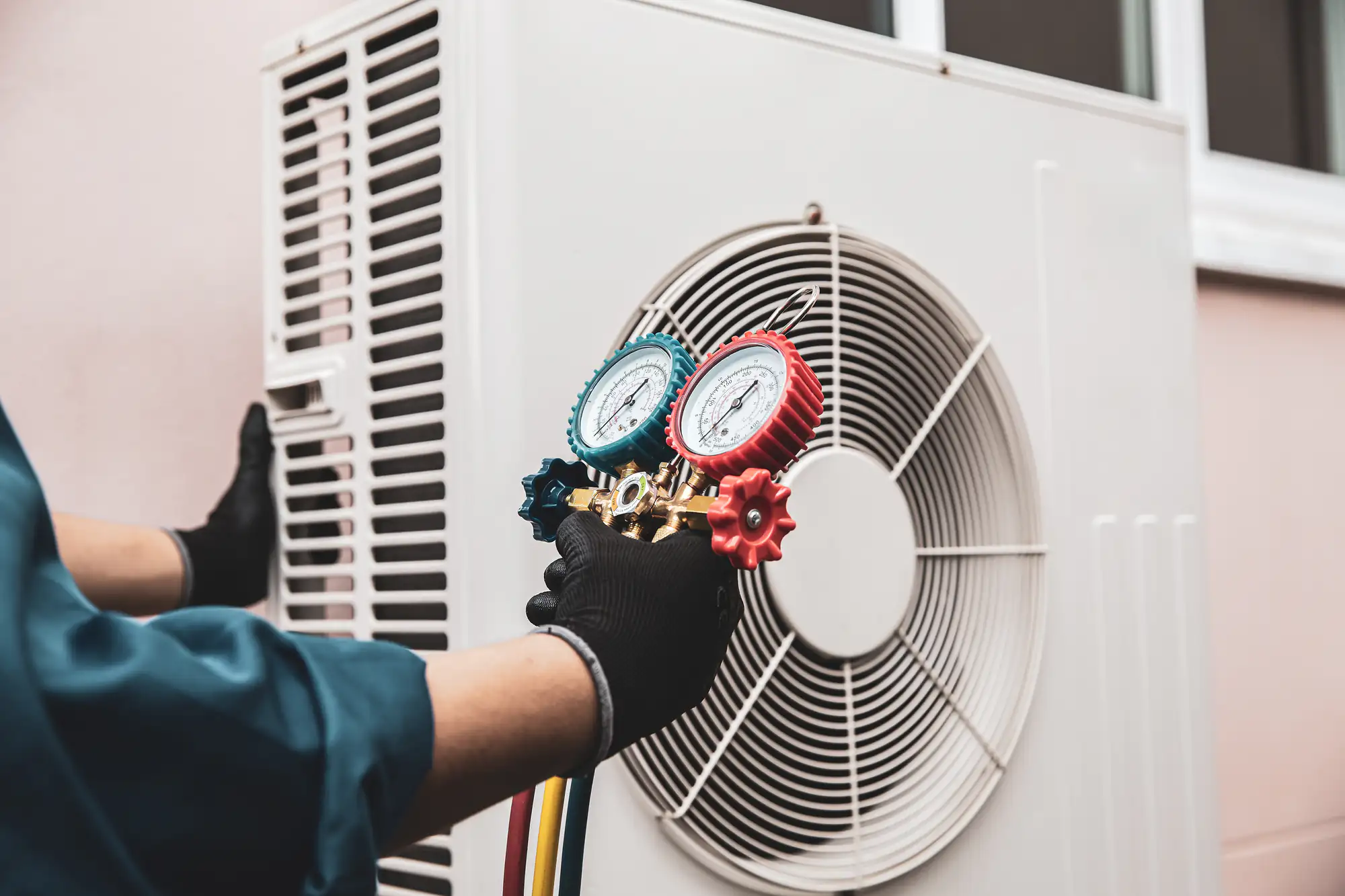
Most homeowners in Fireplace don’t think about their boiler until something goes wrong. But by the time it does, soot has already been quietly working against you reducing heat output, raising fuel costs, and putting extra strain on a system that may already be dealing with an aging chimney liner or deteriorating mortar joints. Getting ahead of that is what annual boiler cleaning is actually for.
Fireplace sits right along the Great South Bay, and that coastal environment is harder on heating systems than most people realize. The persistent humidity and salt-laden air that come with living near the water accelerate corrosion inside boiler flue components and chimney liners faster than you’d see in an inland community. Local heating oil suppliers who serve this area have said it plainly: your coastal location means your heating system works harder during humid winters. That’s not a sales pitch. That’s just the reality of where you live.
The homes here add another layer. The Fireplace Historic District the largest in the entire Town of Brookhaven is full of properties with original or early-replacement masonry chimneys now connected to modern oil boilers. That combination creates specific buildup and venting issues that a generic tune-up won’t catch. When the whole system gets properly cleaned and inspected, you get better efficiency, cleaner combustion, and the kind of peace of mind that comes from knowing a specialist actually looked at everything.
We’ve earned Angie’s List and BBB awards six consecutive years running. That’s not luck it’s what happens when you show up on time, do the job right, and don’t try to sell people things they don’t need. More than one customer has been told by an Ageless Chimney technician that they didn’t actually need the service they called about. That kind of honesty is rare in this industry, and it’s a big part of why the reviews keep coming in.
We’re Suffolk County licensed, fully insured, and carry workers’ compensation coverage the credentials that matter when you’re letting someone into your home to work on your heating system. We serve communities across Suffolk County, including Fireplace and the surrounding Brookhaven hamlet area, and we understand the specific demands that older south shore homes place on chimney and boiler systems.
When the job is done, we leave your home exactly as we found it. That’s not a small thing especially in a community where the homes themselves are worth protecting.

The visit starts with a full visual inspection not just the boiler unit, but the entire exhaust pathway. In older Fireplace homes, that means checking the condition of the chimney liner, the mortar joints, the flue passage, and the connection points between the modern boiler and what may be a much older masonry chimney. If there’s a mismatch in sizing or liner condition that’s causing buildup to accelerate, we identify that here, not after the cleaning is already done.
From there, the heat exchanger and burners get cleaned to remove the soot and debris that reduce heat transfer efficiency. A combustion analysis follows measuring the air-to-fuel ratio and adjusting the burner for optimal performance. This step matters more than most people know. Even a thin layer of soot on your boiler’s heat transfer surfaces can drop efficiency by several percentage points, which shows up directly on your heating oil bill.
The flue is cleaned next, removing accumulated soot, debris, and any blockages from the exhaust path. Safety controls are tested pressure valves, seals, thermostats, and shutoffs. The whole process typically takes one to two hours for a standard residential system. When it’s finished, you get a clear explanation of what was found, what was done, and whether anything needs follow-up attention. No surprises, no pressure.

Ready to get started?
We handle both oil and gas boiler cleaning for residential properties throughout Fireplace and the broader Brookhaven hamlet area. Given the prevalence of oil heat in ZIP code 11719 where over 128 heating oil companies actively deliver fuel most of the boiler systems here are oil-fired, and oil boilers produce more soot per BTU than gas systems. That means the flue and chimney side of the equation needs just as much attention as the mechanical boiler unit itself.
What sets our service apart from a standard HVAC tune-up is the scope. Many companies stop at the boiler. We clean the entire system: heat exchanger, burners, ignition components, flue passage, and chimney. For homes in the Fireplace Historic District, where a 19th-century masonry chimney may be connected to a modern boiler, that full-system approach isn’t optional it’s the only way to know the exhaust pathway is actually clear and safe.
All materials used in any repair or installation work are UL listed and meet current code requirements. For properties within the historic district, our technicians understand the additional care that older masonry demands cleaning without damaging, inspecting without assuming that newer automatically means better. We also offer emergency boiler cleaning around the clock, because a heating failure on a January night along the south shore isn’t something you want to wait until morning to deal with.
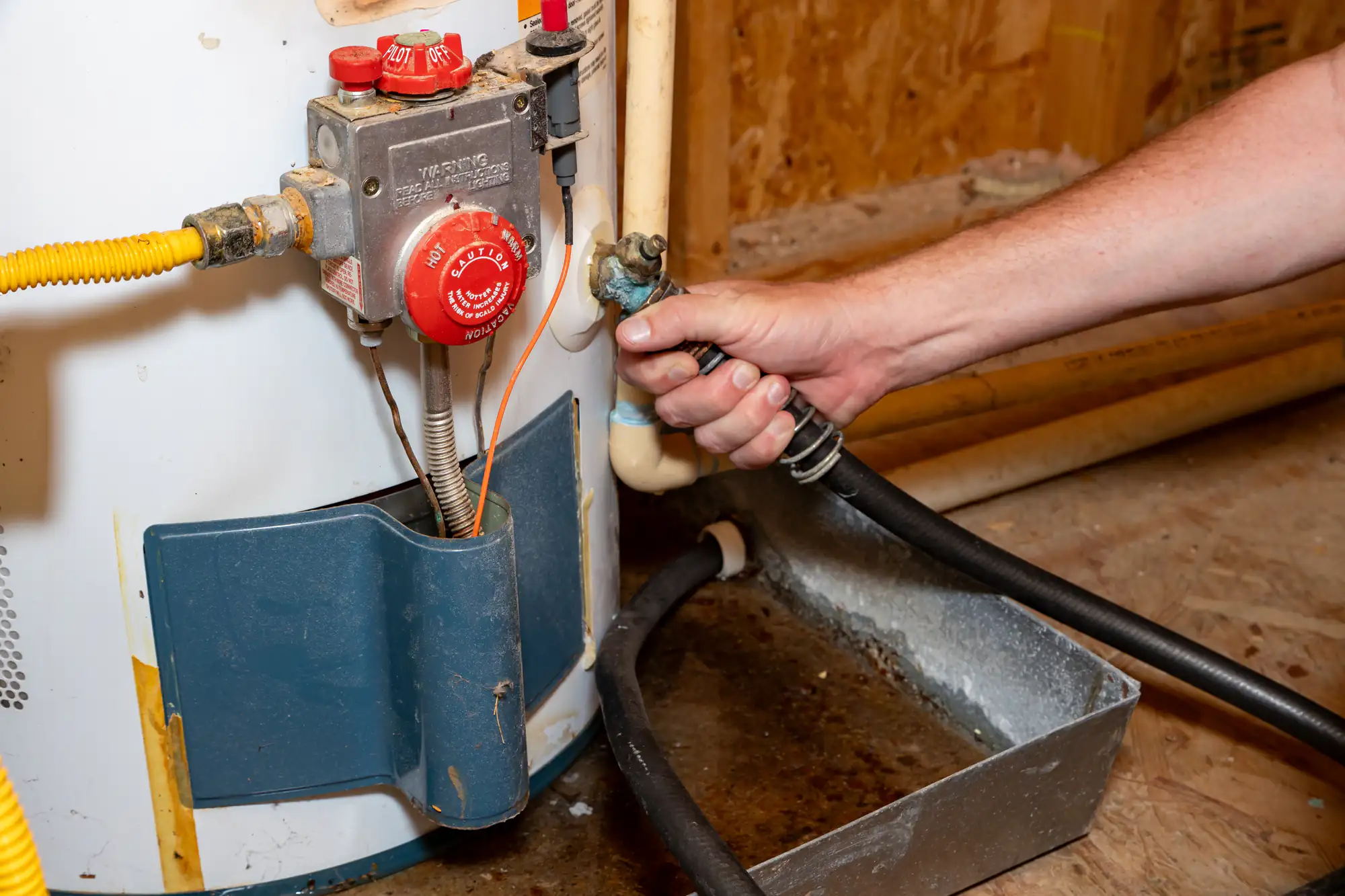
For most homes in Fireplace, annual boiler cleaning is the right baseline and in many cases, it’s worth thinking of it as a fall priority rather than something to schedule whenever it’s convenient. The heating season here runs from roughly October through April, and getting the system cleaned and inspected before the cold sets in means any issues get caught while you still have time to address them without urgency.
For older homes in the Fireplace Historic District, annual cleaning is especially important. When a modern oil boiler is connected to an older masonry chimney, the flue sizing and liner condition can cause combustion gases to cool and deposit soot faster than they would in a newer, purpose-built system. That buildup compounds over time. One skipped year doesn’t just mean double the soot it means accelerated corrosion, reduced draft, and a higher risk of blockage. If you’re not sure when your system was last professionally cleaned, that’s a good reason to schedule sooner rather than later.
This is one of the most common misunderstandings among Long Island homeowners, and it’s worth being direct about: your oil company’s service technician typically focuses on the burner unit the mechanical components of the boiler itself. They’re checking and adjusting the fuel delivery system, the nozzle, the filter, and the ignition. That’s their expertise, and it’s valuable work.
What they generally don’t do is clean the chimney flue, inspect the liner condition, or clear soot and debris from the exhaust pathway above the boiler. That’s a separate service requiring chimney expertise, not HVAC expertise. In a home along Fireplace Neck Road or anywhere in the Brookhaven hamlet area where older masonry chimneys are common the flue side of the system is often where the real buildup accumulates. If your oil company flags a chimney issue during their visit, that’s actually a common trigger for calling a chimney specialist. We handle exactly that follow-up work.
A few things are worth paying attention to between annual cleanings. If your heating bills have gone up without an obvious explanation rates didn’t change, the winter wasn’t unusually cold reduced boiler efficiency from soot buildup is a likely contributor. Even a relatively thin layer of soot on the heat exchanger surfaces can meaningfully reduce the amount of heat actually transferred into your home.
Other signs include a boiler that takes longer to reach temperature, unusual smells when the system kicks on, visible soot or residue around the boiler or flue connections, or a pilot flame that’s changed color. For homes near the Great South Bay, the coastal humidity can also accelerate corrosion inside flue components in ways that aren’t always visible from the outside. If your system is making sounds it didn’t used to make, or if the draft feels off, those are reasons to call before the scheduled annual visit not reasons to wait and see.
Yes, and this catches a lot of homeowners off guard. Most boiler manufacturers require documented annual professional maintenance as a condition of keeping the warranty valid. If something goes wrong and you need to make a warranty claim, the manufacturer can and often will ask for proof that the system was serviced regularly. If that documentation doesn’t exist, the claim may be denied.
This applies to newer boilers too, not just older systems. In fact, newer boilers often have tighter tolerances and more sensitive components, which makes regular cleaning more important, not less. For homeowners in Fireplace who’ve invested in a newer boiler to replace an aging system, skipping the annual cleaning to save a few hundred dollars is a risk that could cost significantly more if a warranty claim gets rejected down the line. Annual boiler cleaning in the New York area typically runs between $200 and $500 a fraction of what a repair or replacement would cost without warranty coverage.
It does, and it’s more significant than most homeowners expect. The marine humidity and salt-laden air that come with living along the south shore of Long Island create a more aggressive environment for metal components, chimney liners, and masonry than you’d find in an inland community. Corrosion inside boiler flue connections and chimney liners can develop faster here, and the persistent moisture in the air contributes to soot condensation on flue walls which accelerates buildup between cleanings.
Nor’easters tracking along the south shore can also force wind-driven rain and debris into chimney openings, creating blockages or moisture intrusion that wouldn’t be as common in a more sheltered location. For homes along South Country Road or Montauk Highway, where the exposure to coastal weather is direct, post-storm inspection is worth considering after a significant weather event not just as part of the annual schedule. A chimney cap in good condition helps, but it’s not a substitute for professional inspection when conditions have been severe.
In New York, chimney and boiler cleaning contractors are required to carry county-specific licensing not just a general business license. If you’re in Fireplace or anywhere in Suffolk County, the company you hire should hold a valid Suffolk County contractor’s license. They should also carry both liability insurance and workers’ compensation coverage, and you should be able to request a Certificate of Insurance before work begins. A verbal assurance isn’t the same thing as documented coverage.
Beyond licensing and insurance, CSIA certification from the Chimney Safety Institute of America is the industry credential that signals a technician has passed a rigorous written exam and maintains ongoing education in chimney and flue systems. It’s the standard that separates specialists from generalists. Ageless Chimney holds the Suffolk County licensing required for work in this area, carries full insurance coverage, and uses only UL-listed materials on every job. The six-year streak of Angie’s List and BBB awards adds a layer of peer-validated credibility that’s harder to fake than any single certification it reflects consistent performance across real jobs, with real customers, over time.
Other Services we provide in Fireplace