

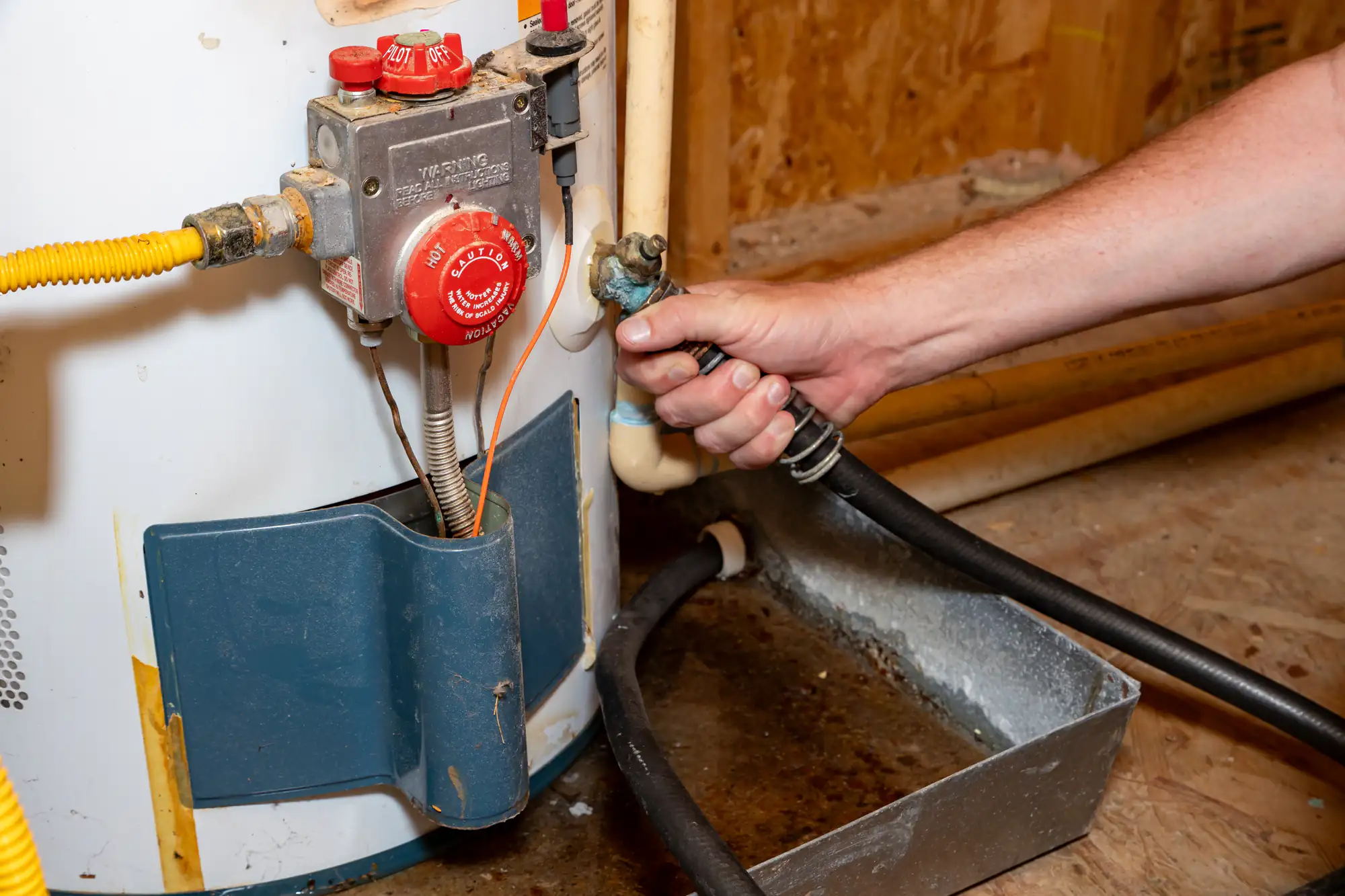
When your boiler runs clean, it runs efficiently. That means lower fuel bills, a system that isn’t working harder than it needs to, and no unpleasant surprises when temperatures drop along the Sound in January. For Fort Salonga homeowners heating with oil which is most of you, given the North Shore’s mid-century build-out annual boiler cleaning isn’t a nice-to-have. It’s what keeps the system running the way it should.
Here’s something most people don’t think about: the boiler unit and the chimney flue it vents through are two separate things, and they both need attention. The median Fort Salonga home was built in 1964. That means the chimney liner connected to your boiler may be original clay tile construction and clay tile degrades over decades. Cracks in a liner don’t just affect efficiency; they affect safety. A professional boiler cleaning that also covers the flue pathway catches those issues before they become expensive problems.
Fort Salonga’s heavily wooded character adds another layer to this. Squirrels, starlings, and raccoons regularly nest in chimney flues during spring and summer when the boiler sits dormant. By October, when you’re firing the system up for the first time, that flue may be partially blocked. We remove nests and obstructions as part of the service something an HVAC-only company typically won’t touch.
We’ve been recognized by both Angie’s List and the BBB every year for the last six consecutive years. That’s not a one-time rating it’s a track record that holds up when you go look it up, which Fort Salonga homeowners tend to do before letting anyone through the door.
We serve all of Suffolk County, including the communities along Route 25A Fort Salonga Road from Northport through to Kings Park and beyond. We know this stretch of the North Shore well. Older homes, oil heat, aging chimney systems, and the kind of wooded lots that come with wildlife in the flue by September. That’s the reality out here, and it’s exactly what we’re set up to handle.
What you’ll hear consistently from our customers is that our technicians are honest. If you call thinking you need a full boiler sweep and you don’t, we’ll tell you. If we find something that actually needs attention a cracked liner, a blocked flue, deteriorating mortar we’ll show you and explain it clearly before doing anything. That’s our standard, not the exception.
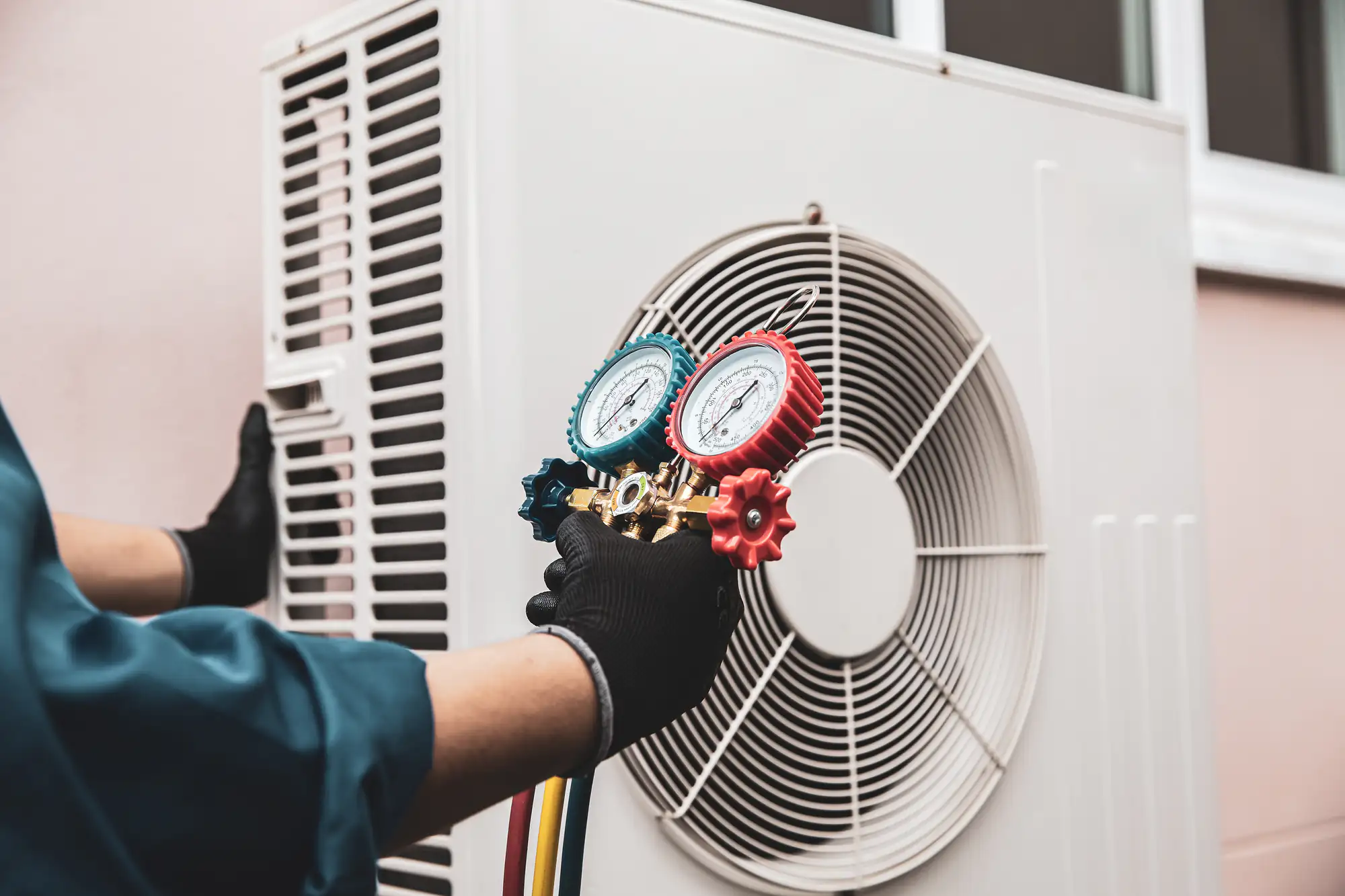
The visit starts with a full visual inspection the boiler unit, the piping, the connections, and the chimney flue. For a Fort Salonga home built in the 1960s or earlier, that flue inspection matters just as much as what happens at the boiler itself. Clay tile liners from that era can develop cracks that aren’t visible from the outside, and coastal humidity from Long Island Sound accelerates the kind of mortar deterioration that goes unnoticed until it’s a bigger issue.
From there, we clean the heat exchanger, burners, and ignition system removing the soot and buildup that quietly reduces efficiency over time. A thin layer of soot, even just a millimeter, can drop boiler efficiency by three to four percent. On an oil system, that shows up directly on your fuel bill. After cleaning, we analyze and adjust combustion so the air-to-fuel ratio is dialed in correctly, not just close enough.
The flue itself gets cleaned from top to bottom, including removal of any nests or debris that accumulated while the system was dormant. We test safety controls pressure valves, seals, thermostats, and shutoffs. The whole visit typically runs one to two hours for a residential system, and when it’s done, you’ll know exactly what was found and what, if anything, needs follow-up. We leave the space clean. That part isn’t negotiable.

Ready to get started?
Most HVAC companies that offer boiler cleaning stop at the mechanical unit. They clean the burners, check the pressure, and call it done. What they don’t do is get into the chimney flue, inspect the liner, or remove the nest that’s been sitting in the exhaust pathway since May. We cover the full system from the boiler itself through the flue to the chimney cap because that’s the only way to know the whole thing is actually working safely.
For Fort Salonga homeowners, that full-system approach matters more than it might in a newer community. Homes along Fort Salonga Road and throughout the hamlet were largely built between the 1940s and 1970s. Many still have their original chimney infrastructure. Salt air from Long Island Sound works on mortar joints and metal flashing year-round, and that wear compounds over time. The inspection component of a boiler cleaning visit is what catches those issues early before a cracked liner becomes a carbon monoxide concern or a masonry problem becomes a structural repair.
We carry the county-specific licensing required for Suffolk County work, and all materials used in any installation liner systems, caps, or components are UL listed. If your boiler is under warranty, annual professional cleaning is typically required to keep that coverage valid. Skipping a year doesn’t just mean double the buildup next time it can mean a voided warranty on a system that could cost anywhere from $5,500 to $15,000 to replace.

Once a year is the standard, and the reasoning is straightforward. Soot and combustion byproducts accumulate with every heating cycle, and oil-fired systems which are common throughout Fort Salonga given the North Shore’s build history produce more of that buildup than gas systems do. Letting it go more than a year means compounding efficiency loss and a higher risk of blockages in the flue.
Timing-wise, late summer or early fall is the practical window for most Fort Salonga homeowners. Scheduling before the heating season starts ideally before September means any issues found during the cleaning can be addressed before you actually need the heat. Waiting until the first cold snap in November means you’re competing for appointments with everyone else who also waited, and if something needs repair, you may be without heat while you wait for parts or a follow-up visit.
Yes, and this is one of the most common misunderstandings homeowners run into. Your oil delivery company services the burner unit the mechanical component that ignites and burns the fuel. That’s their scope. What they don’t do is clean the chimney flue, inspect the liner, or clear any obstructions in the exhaust pathway. Those are entirely separate services that require chimney-specific expertise and equipment.
For a Fort Salonga home with a mid-century chimney system, the flue is often the more critical piece. A burner that’s running cleanly can still be venting into a cracked liner or a partially blocked flue and neither your oil company nor a standard HVAC technician is going to catch that. We cover both sides of the system: the boiler and the chimney it connects to. That’s the distinction that matters for a complete annual cleaning.
A few things are worth paying attention to between annual visits. If your heating bills are climbing without an obvious explanation, reduced boiler efficiency from soot buildup is a likely contributor even a thin layer of buildup on heat transfer surfaces forces the system to work harder to produce the same output. If you’re noticing a soot smell, visible soot near vents, or the system cycling more frequently than usual, those are signals worth acting on before your scheduled appointment.
In Fort Salonga specifically, the wooded lot situation adds one more trigger: if you hear unusual sounds from the chimney area scratching, rustling, or any indication of animal activity don’t wait for your annual visit. A nest in the flue is a blockage, and a blocked flue on an oil boiler is a carbon monoxide risk. We offer emergency boiler cleaning service and respond same-day when the situation calls for it, including during the winter months when the stakes are highest.
For most residential boiler systems, yes annual professional maintenance is a condition of keeping the warranty valid. This isn’t a fine-print technicality; it’s standard language in most manufacturer warranty agreements. If a boiler fails and the service history shows no documented annual cleaning, the warranty claim can be denied. That’s a significant exposure when boiler replacement on Long Island runs anywhere from $5,500 to $15,000 installed.
The documentation piece matters too. A professional cleaning from a licensed company creates a service record you can point to if a warranty issue ever comes up. We’re properly licensed for Suffolk County work, which means the service record carries the credibility a manufacturer or insurance company would expect to see. Keeping that annual appointment isn’t just about the boiler running well it’s about protecting the investment you’ve already made in the system.
They’re related but not identical, and the terminology gets used loosely enough that it’s worth clarifying. A boiler cleaning focuses on removing the physical buildup soot from the heat exchanger and burners, debris from the flue, any obstructions in the exhaust pathway. A boiler tune-up typically refers to the adjustment and calibration work: setting the air-to-fuel ratio, testing safety controls, checking pressure levels, and making sure the system is operating within its designed parameters.
In practice, a thorough annual service visit covers both. The cleaning and the tune-up happen together because they’re part of the same assessment you can’t properly calibrate combustion on a dirty system, and cleaning without testing the safety controls isn’t a complete job. When we do a boiler cleaning and inspection visit, the combustion analysis, safety control testing, and pressure checks are included. The goal is a system that’s clean, calibrated, and confirmed safe not just a burner that’s been wiped down.
Yes, and this is actually one of the more common situations in Fort Salonga. The hamlet’s median home construction year is 1964, and a meaningful portion of the housing stock dates to the 1940s and 1950s. Homes built in that era were typically constructed with clay tile chimney liners a material that was standard at the time but that degrades over decades through thermal cycling, moisture exposure, and the natural settling of older structures.
Clay tile liners develop cracks and spalling that aren’t visible from the exterior and that a standard boiler service company won’t be equipped to assess. We inspect the full flue system as part of the boiler cleaning visit, which means a cracked or deteriorating liner gets identified rather than overlooked. If a liner needs to be replaced, we install stainless steel liner systems using UL-listed materials the appropriate upgrade for an older home that needs a flue system built to current safety standards. Fort Salonga’s coastal proximity to Long Island Sound also means salt air and humidity work on these older systems faster than in inland communities, making that inspection component particularly important here.
Other Services we provide in Fort Salonga