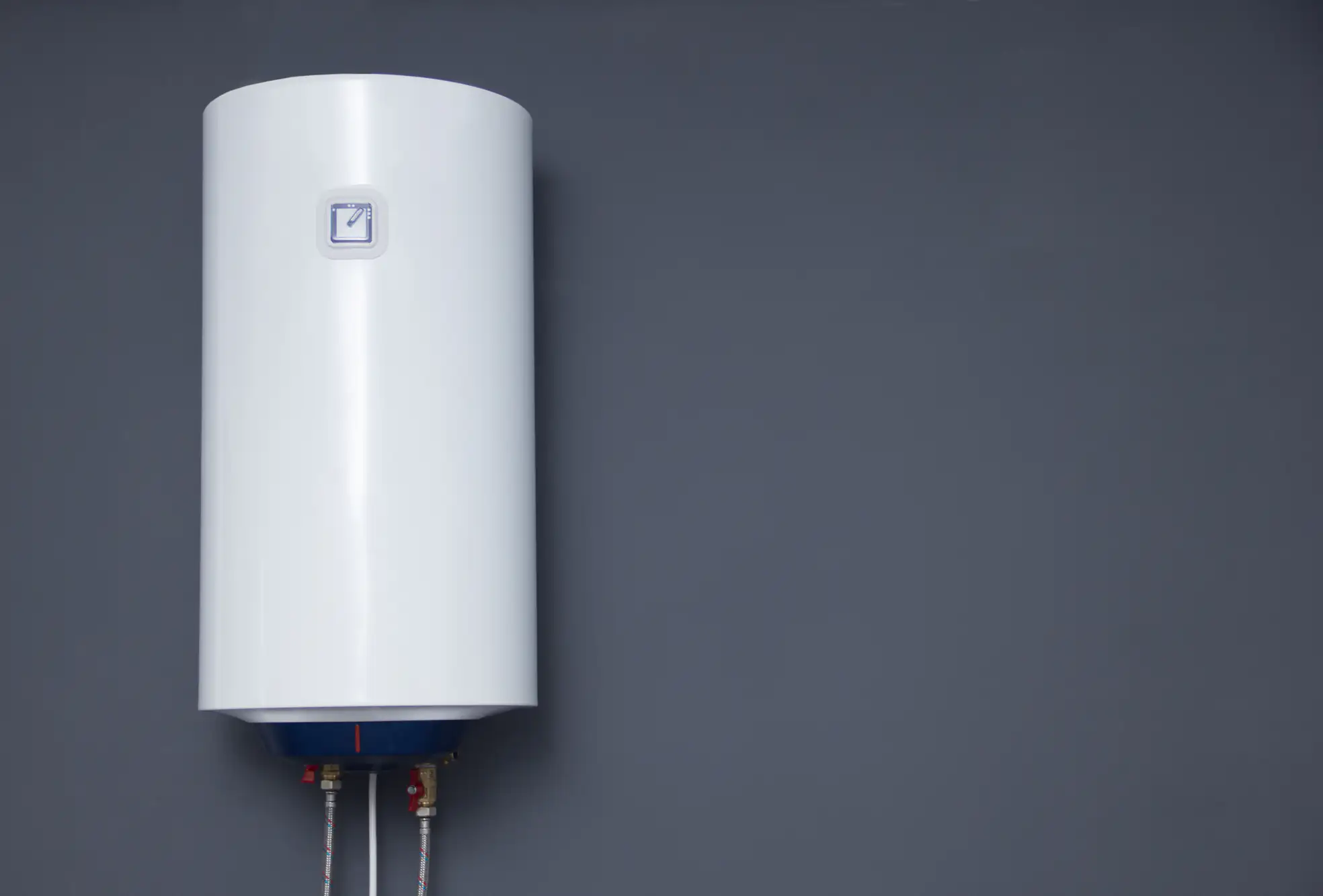

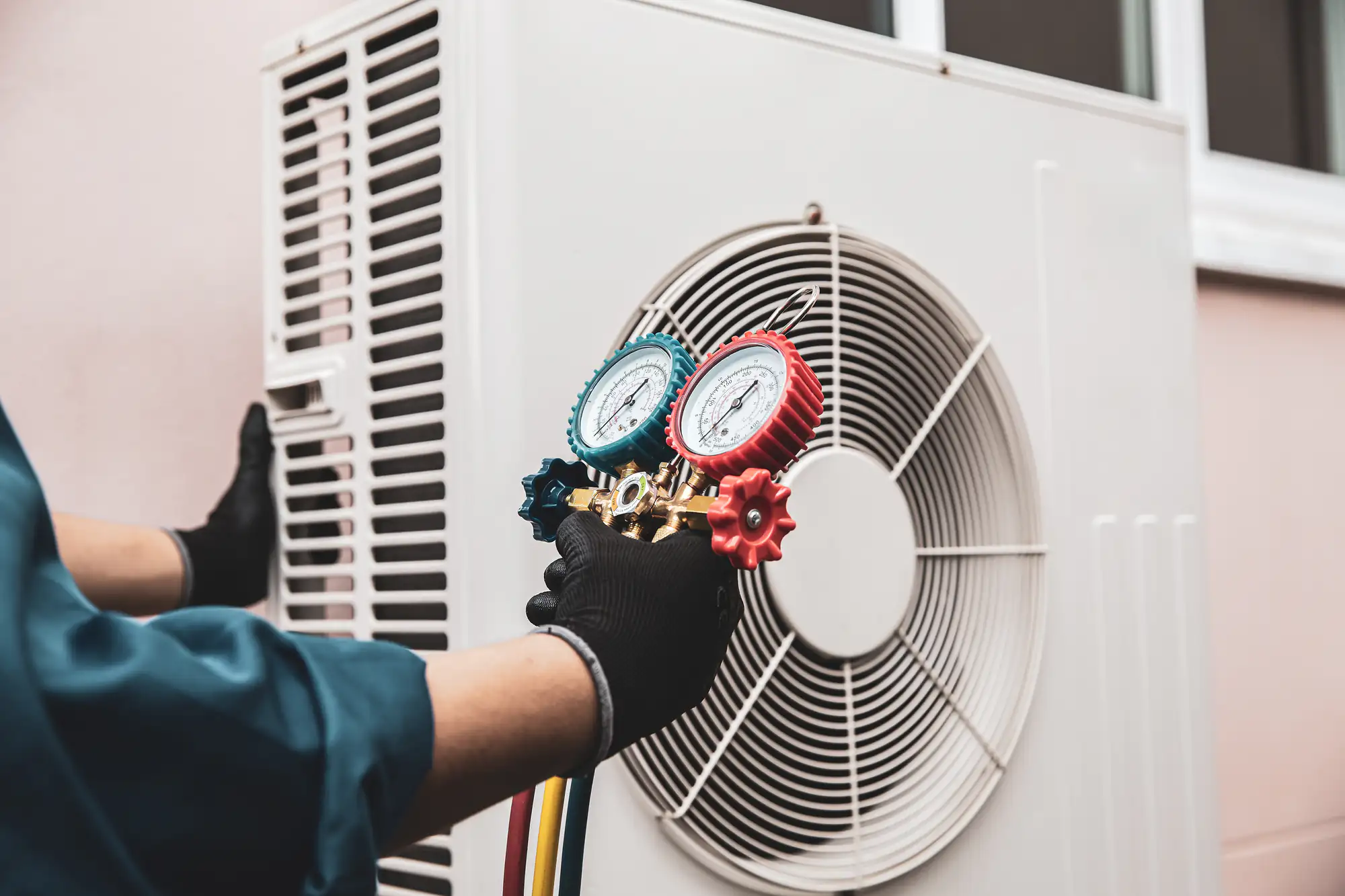
When you fire up a boiler that’s been dormant since May, you’re not just testing the ignition you’re trusting that nothing moved in, nothing corroded, and nothing blocked the flue while the house sat quiet. In Georgica, where a large share of properties spend months unoccupied before fall reopening, that trust needs to be earned by a professional inspection, not assumed.
Salt air off the Atlantic accelerates corrosion inside boiler flues and chimney liners faster than most homeowners realize. A liner that looked fine last spring may have taken on meaningful damage by October, especially in a coastal environment like Georgica. Annual boiler cleaning that includes a full flue inspection is the only way to know what you’re actually working with before the season starts.
Beyond the coastal factors, a clean, properly tuned boiler simply runs more efficiently. A thin layer of soot on the heat exchanger surfaces is enough to reduce efficiency by several percentage points, which adds up quickly when you’re heating a large estate through a Long Island winter. Getting the system cleaned and calibrated before the cold arrives means lower fuel consumption, fewer surprises, and a heating system that performs the way it should from the first night you need it.
We have earned Angie’s List and BBB awards for six consecutive years. That kind of sustained recognition doesn’t come from a single good season it comes from showing up consistently, doing the work correctly, and leaving every property exactly as clean as it was found. For Georgica estate owners and the property managers who oversee them, that track record matters more than any sales pitch.
Our team is Suffolk County licensed, fully insured, and carries workers’ compensation coverage the complete documentation package that any responsible estate manager will ask for before granting access to a high-value property. All materials we install are UL listed and up to code, with no shortcuts taken regardless of the property or the job.
Georgica’s estate stock ranges from historic early-20th-century homes to modern new construction, and the chimney and boiler systems inside them vary just as widely. Our technicians have the experience to work across that full range and the honesty to tell you what you actually need, not what generates the highest invoice.

The visit starts with a full visual inspection of the boiler, its connections, and the surrounding piping looking for corrosion, leaks, and anything that shouldn’t be there. In coastal Georgica, that inspection pays particular attention to salt-air corrosion on metal components, which can progress silently between seasons. If there’s a problem developing, this is where it gets caught.
From there, we clean the heat exchanger and burner removing the soot and debris that build up during normal operation and reduce the system’s ability to transfer heat efficiently. The ignition system is inspected, the air-to-fuel ratio is checked and adjusted, and the gas or oil pressure is verified at the correct operating level. For oil-fired systems, which are common in the Georgica area, burner adjustment is a critical step that directly affects both efficiency and emissions.
The flue is then inspected and cleaned from the boiler connection up through the chimney the part of the job that most standard HVAC companies skip entirely. In a property that’s been closed for the season, this is where animal nests, moisture damage, and debris accumulation are most likely to be found. The visit wraps with safety control testing pressure valves, thermostats, seals, and shutoffs and a clear explanation of anything that needs attention. You know exactly what was done and why before we leave.

Ready to get started?
Most HVAC companies that service boilers in the East Hampton area treat the job as a mechanical task they work on the boiler unit itself and stop there. We cover the entire combustion and venting system, from the burner through the heat exchanger, through the flue liner, and up to the chimney cap. For a Georgica estate with multiple fireplaces, multiple flues, or a boiler system that shares a chimney with other appliances, this full-system approach is the only way to verify that the entire exhaust pathway is functioning safely.
Our service includes heat exchanger and burner cleaning, combustion analysis, flue inspection and cleaning, safety control testing, and a check for any corrosion or structural issues in the chimney system. In a coastal environment like Georgica within a mile of the Atlantic that corrosion check is not a formality. Salt-laden air works on metal components year-round, and a flue liner or chimney cap that’s beginning to degrade needs to be identified before it becomes a hazard or a structural repair.
For seasonal properties along Georgica Road and Georgica Close Road, pre-season startup cleaning is particularly valuable it addresses the specific risks that come with a boiler that’s been dormant through summer, including potential animal nesting in the flue and moisture-related scale buildup in the heat exchanger. All work is performed by our Suffolk County licensed technicians using UL-listed materials, and the property is left in the same condition it was found. No mess, no shortcuts, no guesswork.
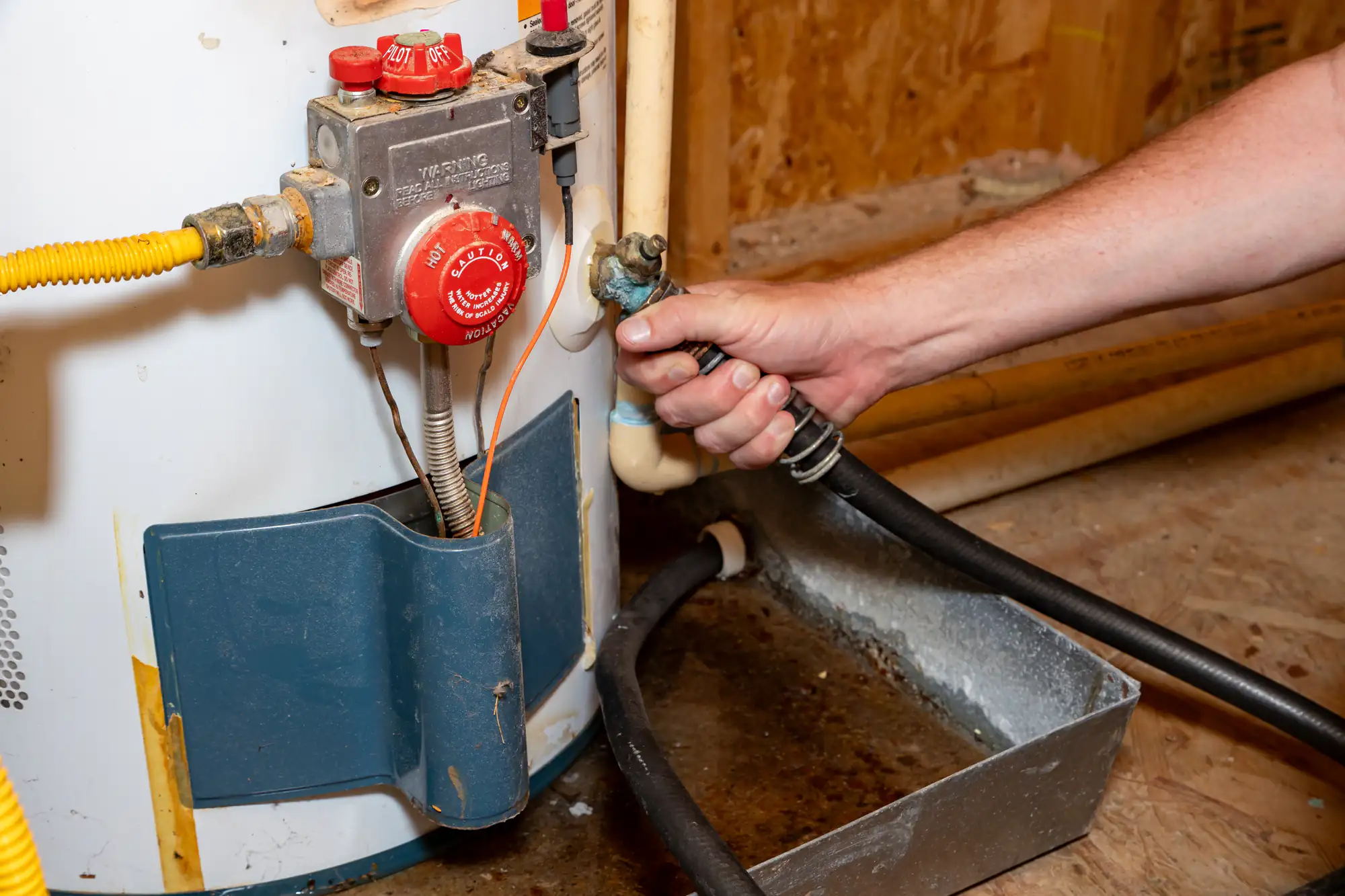
Yes and in some ways, a boiler in a seasonal home needs cleaning more urgently than one in a year-round residence. When a property sits unoccupied through the warmer months, the chimney flue becomes an attractive nesting site for birds, squirrels, and other animals. A nest inside the flue isn’t just an obstruction it’s a carbon monoxide risk the moment you fire the boiler back up. Beyond animal intrusion, summer humidity causes moisture to settle inside the flue and heat exchanger, which accelerates scale buildup and corrosion over the off-season months.
For properties in Georgica, where seasonal closings are common and fall reopenings happen quickly, a pre-season boiler cleaning and flue inspection is the most important maintenance step of the year. It’s the checkpoint that confirms the system is actually safe to run before the first cold night arrives not something you want to skip and find out about the hard way when you’re arriving from the city on a Friday evening in October.
Coastal proximity accelerates corrosion on metal components in ways that aren’t visible from the outside. Salt-laden air doesn’t just affect your outdoor furniture and fixtures it works on the metal components inside your chimney system too. Flue liners, chimney caps, dampers, and exhaust connections in coastal Georgica face a significantly faster corrosion timeline than the same components in an inland Long Island community.
The concern is that corrosion inside a chimney flue or liner is invisible without a proper inspection. It doesn’t announce itself until there’s a structural failure or, in a worst case, combustion gases begin escaping somewhere they shouldn’t. Annual boiler cleaning that includes a thorough flue inspection is the only way to catch coastal deterioration before it becomes a hazard. For Georgica properties many of which are within a mile of the Atlantic this is one of the most location-specific reasons to stay current on professional boiler service.
Your oil company services the burner unit the mechanical component that ignites and burns the fuel. That’s a legitimate and necessary service, but it stops at the boiler itself. What your oil company typically does not do is inspect or clean the chimney flue, the liner, or the exhaust pathway that carries combustion gases out of your home. That’s a separate and specialized service that requires chimney expertise, not just HVAC knowledge.
This distinction matters because a clean, well-tuned burner can still create a carbon monoxide risk if the flue carrying its exhaust is blocked, cracked, or corroded. The two services are complementary not interchangeable. If your oil company flagged a chimney or flue issue during their service visit, that’s actually one of the most common ways Long Island homeowners end up calling us. We see the whole system, all the way up to the chimney cap.
Once a year is the standard recommendation, and for most Georgica properties, the timing matters as much as the frequency. The ideal window is either late summer before the boiler is needed or early fall, before the first cold stretch hits. Scheduling in August or September means the system is inspected and cleaned while it’s not under demand, any issues can be addressed without urgency, and the boiler is ready to perform from the first day it’s needed.
For properties that are closed through winter and reopened in spring, a pre-closing inspection is also worth considering it identifies any issues that developed during the heating season so they can be addressed during the off-season rather than discovered at the start of the next one. Most boiler manufacturers also require annual professional maintenance as a condition of keeping the warranty valid, so staying current on service protects both the system and the coverage that comes with it. On Long Island, where a new boiler installation runs between $5,500 and $15,000, that warranty protection is worth taking seriously.
Honestly, you often can’t tell from the outside which is exactly why a professional inspection matters. A blocked flue doesn’t always produce obvious symptoms right away. The boiler may fire normally at first, but if the exhaust pathway is partially or fully obstructed, combustion gases can back up into the living space. Carbon monoxide, which is colorless and odorless, is the specific hazard here and it can reach dangerous levels before anyone in the home realizes there’s a problem.
For Georgica properties that have been closed for an extended period, the risk of flue obstruction is higher than in a year-round home. Birds and squirrels are the most common culprits, but storm debris blown in from Atlantic nor’easters can also settle in an unused chimney over the course of a season. A boiler cleaning that includes a proper flue inspection not just a visual check from the bottom of the chimney, but a thorough cleaning and assessment of the full exhaust pathway is the only reliable way to confirm the system is clear before you fire it up.
Yes we’re based in Levittown and serve Suffolk County as part of our core service area. Georgica falls within the Town of East Hampton in Suffolk County, which is squarely within our confirmed territory. Our technicians travel out via NY-27, the Montauk Highway, which is the primary route connecting the rest of Long Island to the South Fork and the East Hampton area.
We hold the specific Suffolk County licensing that authorizes us to operate in East Hampton and the surrounding Georgica area this isn’t a general statewide license, but the county-level credential that matters for work performed here. We also carry full liability insurance and workers’ compensation coverage, which is the documentation standard expected for any contractor working on private estate properties in this area. If you’re managing a Georgica property and need to verify credentials before scheduling, we can provide that documentation. For urgent situations a boiler that won’t start, a CO alarm, or a heating system that fails before a weekend arrival we offer 24/7 emergency service with documented same-day response capability.
Other Services we provide in Georgica