

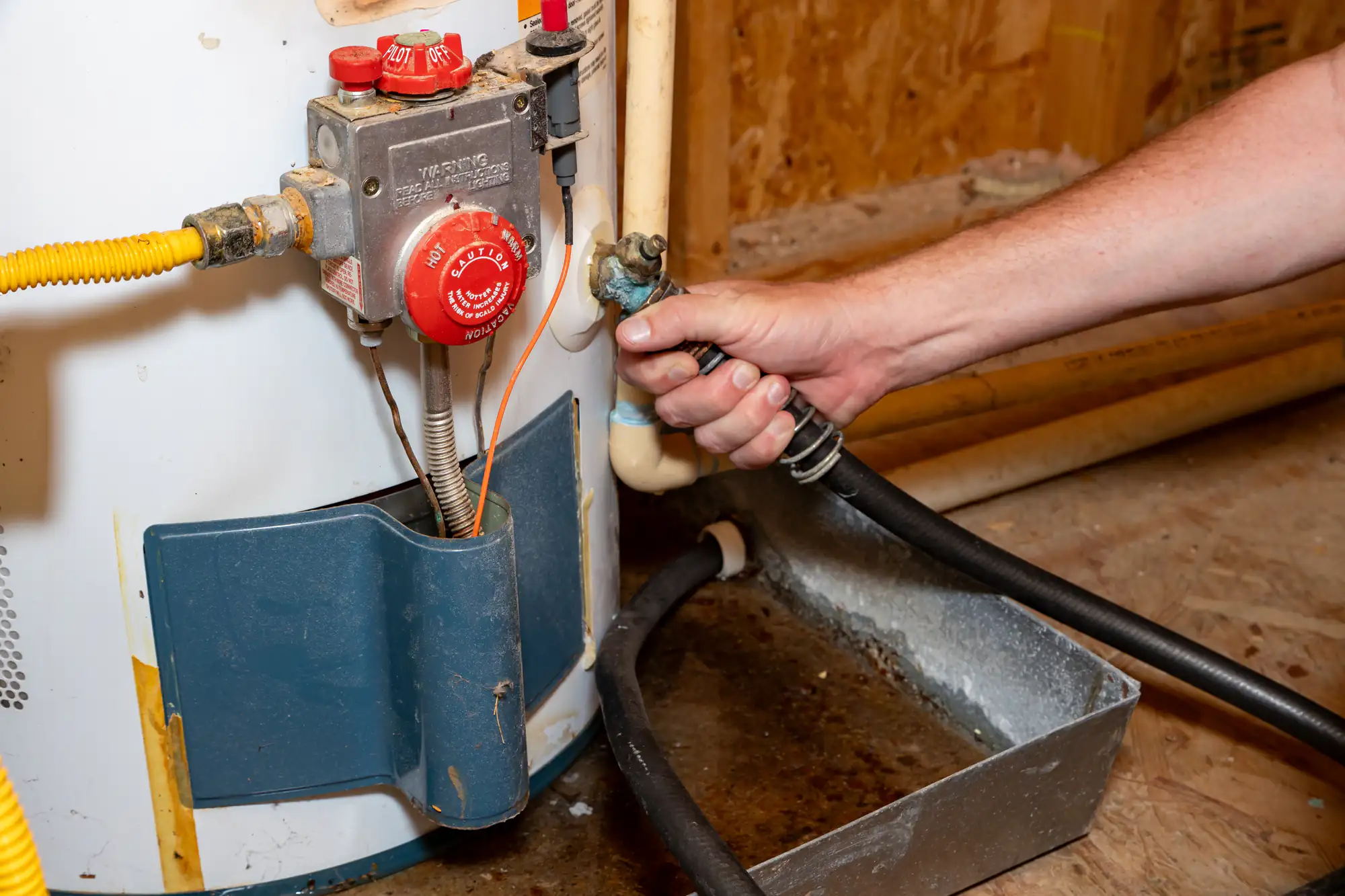
When your boiler gets a real cleaning not just a burner check, but a full cleaning of the heat exchanger, flue, and exhaust pathway the difference shows up fast. Your boiler runs more efficiently, which means it burns less heating oil to hit the same temperature. In Hagerman, where multiple oil delivery companies run routes up and down Montauk Highway every week, that’s a real number on a real bill.
There’s also the safety side, and it matters more than most people realize. A dirty flue doesn’t just hurt efficiency it can compromise how combustion gases vent out of your home. For a ranch or Cape Cod in Hagerman built in the 1950s or 1960s, the chimney connected to that boiler may be original to the house. That’s 60 or 70 years of salt air off the Great South Bay working into the masonry, and annual cleaning is the only way to catch what’s quietly deteriorating before it becomes a problem.
The other thing that changes is peace of mind. You stop wondering whether the service you got last fall actually covered everything, or whether your oil company’s tech looked at the flue or just the burner. With us, you know exactly what was done and what wasn’t found because the technician tells you straight.
We’ve earned an “A” rating and award recognition from both Angie’s List and the BBB not once, but six consecutive years running. That kind of track record doesn’t happen by accident. It happens when technicians show up on time, do the work they said they’d do, clean up before they leave, and don’t manufacture problems that don’t exist.
That last part matters a lot in Hagerman. Homeowners here are careful with their money, and they’ve heard enough contractor horror stories from neighbors to be skeptical of anyone new. We have documented cases of our technicians telling customers they didn’t need a service they called about. That’s not a common thing in this industry. It’s the kind of honesty that turns a first call into a long-term relationship.
We’re licensed for Suffolk County the specific licensing that matters for Hagerman homeowners and we carry both liability insurance and workers’ compensation. Every material we install is UL listed and up to current code, which is relevant if you’re ever dealing with Town of Brookhaven building requirements on chimney or liner work.
The visit starts with a full visual inspection the boiler itself, the piping, the connections, and any visible signs of corrosion, leaks, or wear. For older homes in Hagerman, this step often turns up things that have been quietly developing for years, especially on systems that have only ever had the burner serviced and never had the chimney side looked at properly.
From there, we clean the heat exchanger and burners, removing the soot and combustion deposits that build up over a heating season and drag down your boiler’s efficiency. With oil-fired systems which are the norm in this part of Suffolk County that buildup happens faster than most homeowners expect. Even a thin layer of soot on the heat transfer surfaces forces your boiler to work harder and burn more fuel to produce the same amount of heat.
After the mechanical cleaning, we inspect and clear the flue. This is the part most HVAC companies skip entirely. The exhaust pathway from your boiler to the chimney cap needs to be clean and unobstructed for combustion gases to vent safely. In a coastal environment like Hagerman’s South Shore, corrosion and debris accumulation in that pathway are real concerns, not hypothetical ones.
The visit wraps up with a safety check pressure valves, seals, thermostats, safety shutoffs and a straight conversation about anything that needs attention. Most residential boiler cleanings take about one to two hours. We clean up before we leave.
Ready to get started?
Our boiler cleaning service covers both sides of the system the mechanical unit and the chimney flue which is the distinction that separates a real boiler cleaning from a basic burner tune-up. For homeowners in Hagerman and the surrounding East Patchogue area, where the housing stock runs heavily toward oil-fired systems in homes built between the 1940s and 1970s, that distinction is the whole ballgame.
The service includes cleaning of the heat exchanger, burners, and ignition components; a combustion analysis to confirm the air-to-fuel ratio is dialed in correctly; flue inspection and cleaning; removal of any nests or obstructions in the exhaust pathway; safety control testing; and a written summary of findings. If there’s something that needs repair a cracked liner, a deteriorating chimney crown, corroded flashing from years of salt air exposure off the Great South Bay you’ll hear about it clearly and honestly, not through a pressure pitch.
We also handle emergency boiler cleaning and service calls, including same-day response when the heat goes out in the middle of a South Shore winter. If your oil delivery driver from Swezey Fuel or Suffolk Oil flagged a chimney issue during a recent delivery, this is the call you make next. The chimney side of the equation is exactly what they don’t handle and exactly what we do.

A real boiler cleaning covers more than most people expect. It starts with a full inspection of the boiler, piping, and connections, then moves into cleaning the heat exchanger, burners, and ignition system the components that directly affect how efficiently your boiler burns fuel. After the mechanical cleaning, the flue and exhaust pathway get inspected and cleared. This is the step that separates a chimney company like ours from a standard HVAC contractor or plumber, who typically stops at the burner unit and never touches the flue.
For Hagerman homes most of which run on oil heat and were built several decades ago the flue inspection is often where the most important findings show up. Older terra cotta liners, deteriorating mortar joints, and debris accumulation from years of coastal salt air exposure are common in this area. The visit also includes safety control testing, a combustion analysis, and a written summary of what was found and what, if anything, needs attention. Most residential appointments take about one to two hours from start to finish.
Once a year is the standard, and for good reason. Soot and combustion deposits accumulate over every heating season, and the buildup is cumulative skipping a year doesn’t mean you just catch up next year, it means you’re compounding the efficiency loss and the potential for safety issues. For oil-fired boilers, which are the dominant system type in Hagerman and the surrounding East Patchogue area, annual cleaning is especially important because oil combustion produces more residue than gas.
There’s also a warranty consideration worth knowing. Most boiler manufacturers require documented annual professional maintenance to keep the warranty valid. If you skip a year and something fails, you may find the warranty claim rejected. The best time to schedule is late summer or early fall before the heating season kicks in, when appointment availability is better and you’re not racing against a cold snap. If you’ve already gone more than a year without service, sooner is better than waiting for the next scheduled window.
Almost certainly, yes and the distinction matters. Oil delivery companies like Swezey Fuel and Suffolk Oil, which serve Hagerman and the East Patchogue area, typically handle fuel delivery and sometimes basic burner service. What they don’t do is clean the chimney flue or inspect the exhaust pathway that runs from your boiler through the liner to the chimney cap. Those are two different services requiring two different types of expertise.
A burner tune-up and a boiler chimney cleaning are not the same thing. The burner service addresses the mechanical combustion unit. The chimney cleaning addresses the exhaust system the pathway that venting combustion gases depends on. In a home built in the 1950s or 1960s in Hagerman, that exhaust pathway may have a liner that’s never been professionally inspected. The oil company’s technician isn’t equipped or licensed to evaluate it. That’s the gap we fill, and it’s one of the most common reasons Hagerman homeowners call after their annual oil company visit.
Yes, and the math is more direct than most people realize. Even a thin layer of soot about one millimeter on the heat transfer surfaces inside your boiler can reduce its efficiency by three to four percent and raise flue gas temperatures noticeably. That means your boiler is burning more heating oil to produce the same amount of heat. Over a full Long Island heating season, which typically runs from October through April, that inefficiency adds up to real dollars on your fuel bill.
In Hagerman and the broader East Patchogue area, where heating oil is the primary fuel for most homes and costs are already a significant budget line, this isn’t an abstract statistic. It’s the difference between a boiler that’s working for you and one that’s quietly costing you more than it should every time it fires. Annual boiler cleaning restores that efficiency. It’s also one of the clearest ways to justify the cost of the service a professional cleaning is a fraction of what you’d spend on even a minor boiler repair, let alone a full replacement, which can run anywhere from $5,500 to $15,000 or more on Long Island.
A few things are worth paying attention to between annual cleanings. If your heating bills have gone up without an obvious explanation no major cold snap, no change in thermostat settings that’s often a sign of reduced efficiency from soot buildup. If your boiler is running longer cycles than usual to reach the same temperature, or if you’re noticing uneven heat across your home, those are also indicators that something in the system isn’t performing the way it should.
For Hagerman homes close to the Great South Bay, there’s an additional factor: coastal salt air accelerates corrosion in chimney components, metal caps, and flue liners. If you notice soot staining around the flue collar, visible deterioration on the chimney crown, or your oil delivery driver flags something during a routine delivery, don’t wait until the annual window. Those are signs that the exhaust pathway needs attention now. We offer same-day and emergency service for situations where waiting isn’t an option including mid-winter calls when the heat goes out and the temperature is dropping fast.
Yes, and this is actually where our experience with Long Island’s South Shore housing stock becomes relevant. Hagerman and East Patchogue have a significant concentration of homes built in the 1940s through the 1960s ranch homes, Cape Cods, and hi-ranches that were constructed with oil-fired heating systems connected to masonry chimneys. In many of these homes, the chimney structure is original to the house, even if the boiler itself has been replaced one or more times since.
Older chimney systems come with their own set of considerations: terra cotta flue liners that may have cracked over decades of thermal cycling, mortar joints that have deteriorated, and crowns that have been exposed to Long Island winters and coastal humidity for 60 or 70 years. Our technicians are experienced with exactly these conditions and will give you a straight assessment of what’s there, what’s working, and what needs attention without manufacturing urgency around repairs that aren’t necessary. All replacement materials, if any are needed, are UL listed and installed to current code, which matters if you’re ever navigating Town of Brookhaven permitting requirements for chimney or liner work.
Other Services we provide in Hagerman