

When your boiler is running clean, you feel it lower fuel consumption, more consistent heat, and one less thing to worry about when January temperatures in Half Hollow drop into the upper 20s. That’s not a small thing when your home is large, your lot is wooded, and your heating system is carrying serious load for months at a time.
Half Hollow Hills runs almost entirely on heating oil. The homes throughout this community depend on oil-fired systems, which produce more soot than gas systems. That soot builds up quietly on your heat exchanger and inside your flue. Even a thin layer of buildup reduces efficiency and raises your fuel costs every single month you let it sit.
The other thing worth knowing: most boiler warranties require annual professional maintenance to stay valid. Skipping a year doesn’t just mean more buildup it can mean you’re paying out of pocket for a repair that should have been covered. A clean boiler runs better, costs less to operate, and keeps your warranty intact. That’s the outcome, and it’s a straightforward one.
We’ve been serving Half Hollow and the surrounding Long Island communities with chimney and boiler cleaning services that cover the full system, from burner to chimney top. We hold a BBB “A” rating and have won the Angie’s List award six consecutive years running. That’s not a one-time rating it’s a track record that gets rebuilt every single year.
What actually sets us apart is something you see in the reviews more than anywhere else: technicians who tell you what you don’t need as much as what you do. In a community where residents have been asking their neighbors for years to recommend an honest chimney cleaner who won’t push unnecessary work, that matters. We hold Suffolk County licensing, carry full liability insurance and workers’ compensation, and use only UL-listed materials on every job. You can verify all of it and you should.
A lot of homeowners aren’t sure what boiler cleaning actually involves and that uncertainty is part of why it gets put off. So here’s what the process looks like when we come out to a Half Hollow home.
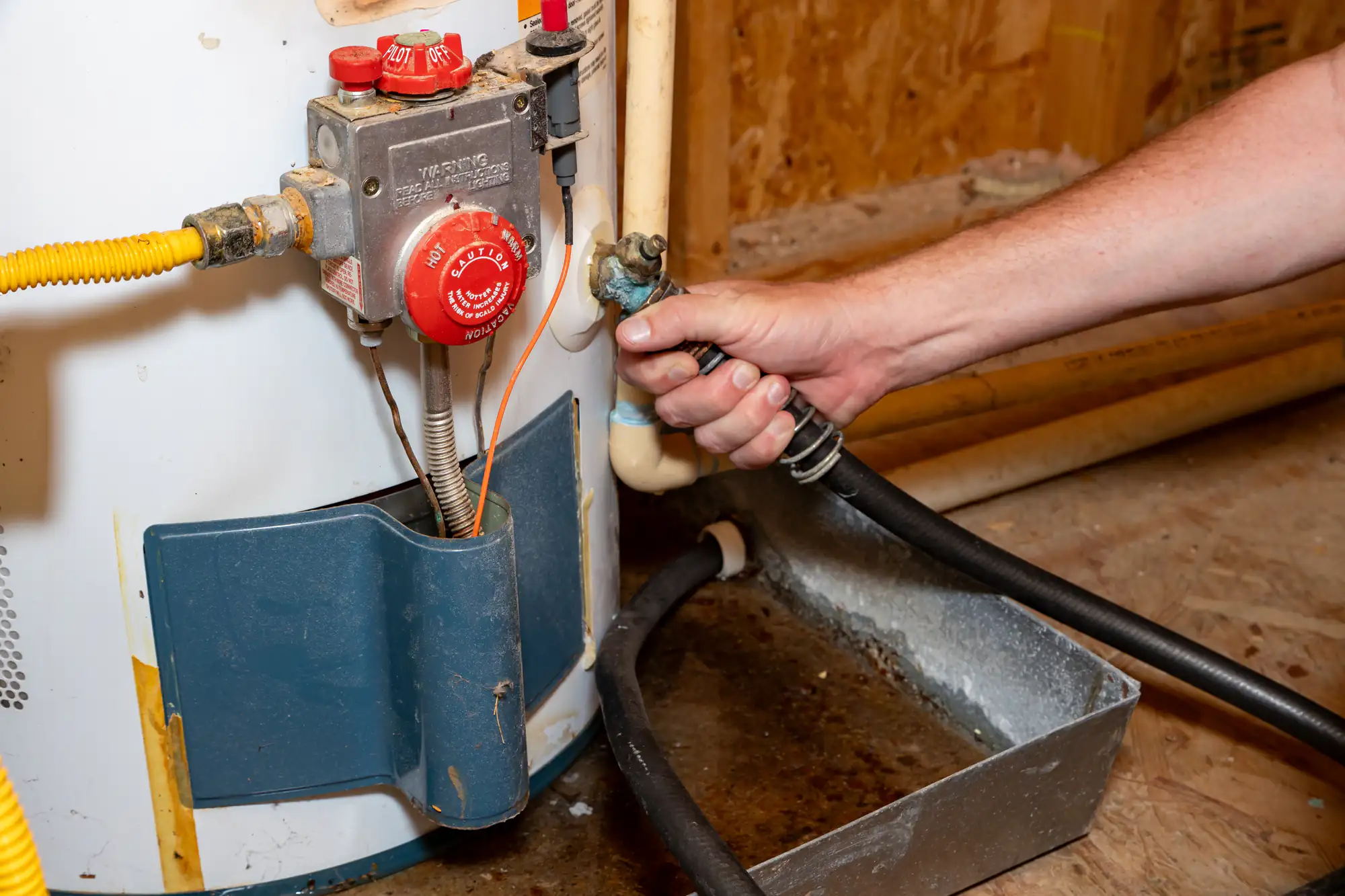
The visit starts with a full visual inspection of the boiler, its connections, and the surrounding piping checking for corrosion, leaks, and anything that looks like it’s been developing quietly. From there, the heat exchanger and burners get cleaned, which is where soot removal makes the most direct impact on efficiency. In oil-fired systems, which are the norm throughout Half Hollow, that buildup can be significant after a full heating season.
A combustion analysis follows, which checks and adjusts the air-to-fuel ratio so the system is burning cleanly and efficiently. Then comes the flue the exhaust pathway that runs from your boiler up through the chimney. In older Half Hollow homes with aging liners, this section often gets overlooked by companies that stop at the mechanical unit. We don’t stop there.
The visit wraps with safety control testing, pressure checks, and a clear explanation of anything that needs attention. Most residential jobs take around one to two hours. If there’s a nest or obstruction in the flue not uncommon in the wooded neighborhoods throughout this area that gets addressed as part of the process. You’ll know exactly what was found and what was done before the crew leaves.

Ready to get started?
What makes our boiler cleaning different from what most HVAC companies offer is scope. Most companies clean the mechanical unit the burner, the heat exchanger, the ignition system and call it done. We’re a chimney specialist, which means the flue and exhaust pathway are part of the job, not an afterthought. That distinction matters especially in Half Hollow, where the housing stock is largely from the 1960s and 1970s and many homes still have original or early-replacement chimney liners that haven’t been professionally inspected in years.
The service covers heat exchanger and burner cleaning, combustion analysis and adjustment, flue inspection and soot removal, safety control testing, pressure checks, and nest or obstruction removal when needed. In the wooded neighborhoods throughout Half Hollow, wildlife nesting in chimney flues is a real and recurring issue. Birds, squirrels, and raccoons are drawn to chimney openings, especially during spring and early summer when they’re looking for nesting sites. A nest inside a boiler flue doesn’t have to be large to cause a problem even a partial blockage restricts airflow and can force combustion gases, including carbon monoxide, back toward the living space instead of out through the chimney.
We also handle commercial boiler cleaning for businesses and office properties in the area the same level of thoroughness, scaled for commercial systems. Whether you’re a homeowner in Half Hollow or managing a property nearby, the standard of work is the same.

Once a year is the standard, and it’s not arbitrary. Boiler manufacturers typically require annual professional maintenance to keep your warranty valid skip a year and you may be paying out of pocket for a repair that should have been covered. Beyond the warranty issue, soot and combustion byproduct build up with every heating season. In Half Hollow, where oil heat is the dominant fuel source, that buildup happens faster than it does in gas systems. Oil-fired boilers produce more soot, and that soot accumulates on the heat exchanger surfaces and inside the flue over the course of a winter.
The best time to schedule is late summer or early fall before the heating season starts. Your boiler is idle, the work causes zero disruption, and if anything needs repair, there’s time to address it before you actually need heat. Waiting until November when everyone else is calling is how you end up on a waitlist during the first cold snap of the year.
The short answer is that the costs compound quietly until they don’t. A thin layer of soot even just one millimeter on your boiler’s heat transfer surfaces can reduce efficiency by three to four percent and raise flue gas temperatures noticeably. That translates directly to higher fuel bills every month the system runs. In Half Hollow, where heating oil prices fluctuate and homes are large enough to require serious heat output through a Long Island winter, that efficiency loss adds up fast.
The longer-term risk is more serious. Soot and debris buildup in the flue can restrict airflow, which forces combustion gases including carbon monoxide to find another path. Corrosion accelerates when buildup sits on metal surfaces for extended periods. A boiler that hasn’t been professionally serviced is more likely to fail during peak demand, which in Half Hollow means a January night when temperatures are pushing into the upper 20s. Emergency repair is always more expensive than annual maintenance, and it’s a lot less convenient.
It doesn’t, and this is one of the most common misunderstandings homeowners in Half Hollow run into. Oil delivery companies typically service the burner unit they check the nozzle, the filter, and the ignition system to make sure the mechanical side of the boiler is functioning. That’s useful, but it’s not the same as a full professional cleaning.
What they don’t do is clean the heat exchanger surfaces, perform a combustion analysis, or inspect and clean the flue and chimney pathway. The flue is a separate system that requires chimney expertise, not just HVAC knowledge. In older Half Hollow homes where the chimney liner may be original or hasn’t been inspected in years, that’s the part of the system most likely to have issues soot accumulation, cracks, blockages from nesting wildlife, or deterioration that affects how safely combustion gases are vented out of the home. If your oil company flagged a chimney or flue issue during a service visit, that’s a signal to call a chimney specialist, not a sign that the problem has already been handled.
For a standard annual boiler cleaning soot removal, combustion analysis, flue inspection no permit is typically required. It’s a maintenance service, not a structural alteration. Where permits become relevant is when the scope of work changes: chimney liner replacement, flue relining, or significant repairs to the chimney structure itself may require a building permit through the Town of Huntington if your home is in Half Hollow, or through the Town of Babylon if you’re in another portion of the area that falls within Babylon’s jurisdiction.
We hold Suffolk County licensing and are familiar with the permit requirements across both towns. If the inspection turns up something that requires permitted work a deteriorated liner, a damaged flue, or a component that needs replacement we’ll walk you through what’s needed and what the process looks like before any additional work begins. You won’t be surprised by scope or paperwork.
There are a few things worth verifying before you let anyone into your home for this kind of work. First, ask for proof of Suffolk County licensing it’s legally required to operate in this area, and any legitimate company should be able to produce it without hesitation. Second, ask for a Certificate of Insurance that shows both liability coverage and workers’ compensation. Verbal assurance isn’t enough; you want the document. Third, look for CSIA certification the Chimney Safety Institute of America credential is the industry standard for chimney and flue professionals, and it requires passing a rigorous exam along with ongoing continuing education. You can verify a technician’s certification directly through the CSIA’s online lookup tool.
Beyond credentials, pay attention to how the company communicates. A trustworthy boiler cleaning company gives you a clear estimate before work begins, explains what they found in plain language, and doesn’t pressure you into additional services you didn’t ask about. If a technician tells you that you need five things replaced on a routine cleaning visit without showing you evidence, that’s worth questioning. We have documented cases of our technicians telling homeowners they didn’t need a service they called about that kind of honesty is what you’re looking for.
It does, more than most homeowners realize. Half Hollow is specifically known for its wooded, low-density residential character it’s part of what makes the neighborhood appealing. But mature trees and wooded surroundings create conditions where wildlife nesting in chimney flues is genuinely common. Birds, squirrels, and raccoons are drawn to chimney openings, especially during spring and early summer when they’re looking for nesting sites. A nest inside a boiler flue doesn’t have to be large to cause a problem even a partial blockage restricts airflow and can force combustion gases, including carbon monoxide, back toward the living space instead of out through the chimney.
Leaf debris and organic material from surrounding trees can also accumulate at the chimney top or inside the flue over time, adding to restriction. This is why a boiler cleaning that includes a full flue inspection not just a burner cleaning is especially important for homes in wooded areas like Half Hollow. When we service a boiler in this community, the flue gets checked and cleared as part of the job. If there’s a nest or obstruction present, it gets removed. That’s not an add-on it’s part of doing the work correctly.
Other Services we provide in Half Hollow