


It doesn’t take a dramatic breakdown to cost you money. A thin layer of soot even just a millimeter on your boiler’s heat transfer surfaces can reduce its efficiency by 3 to 4 percent and push flue gas temperatures noticeably higher. That inefficiency shows up quietly in your fuel bill every single month until someone cleans it out.
For Hayground homeowners, that problem compounds in ways it doesn’t for most of Long Island. The salt-laden air off Mecox Bay and the surrounding coastline accelerates corrosion in metal boiler components and flue liners. What might take years to develop inland can move faster here. Annual boiler cleaning doesn’t just restore efficiency it gives a trained technician the chance to catch what coastal conditions are doing to your system before it becomes a repair bill.
And if your property sits vacant for stretches of the year, as many homes in this area do, that matters even more. A boiler that hasn’t run since spring can have nesting material in the flue, moisture buildup in the heat exchanger, or soot from last season still sitting in the exhaust path. Getting it inspected and cleaned before the first cold night isn’t overcautious it’s just smart.
Ageless Chimney has earned an “A” rating with the Better Business Bureau and an Angie’s List award six consecutive years running. That’s not a one-time snapshot it’s a sustained record that homeowners across Suffolk County, Nassau County, and Queens have built through real experiences, real reviews, and real results.
What sets us apart from the plumbers and generalist HVAC companies that show up in local search results is scope. Most of those companies stop at the mechanical unit. We clean the complete system from the burner through the boiler, through the flue, and all the way to the chimney top. That’s the part of the job that matters for safety and efficiency, and it’s the part most other companies don’t touch.
For properties along Hayground Cove Road, historic farmhouses dating back well over a century, and the estate homes that define this corner of the South Fork, that kind of full-system expertise isn’t optional. It’s the difference between a cleaning and a real inspection. All materials we use are UL listed and up to code, and we carry full liability insurance and workers’ compensation so you’re protected, not just promised.

When our crew arrives, the first thing we do is a full visual inspection not just of the boiler itself, but of the piping, connections, and the flue system connected to it. In older Hayground homes, that inspection often turns up things worth knowing: aging liner materials, moisture intrusion from the coastal environment, or soot accumulation that’s been building since the last time anyone looked. You get a clear picture of where things stand before any work begins.
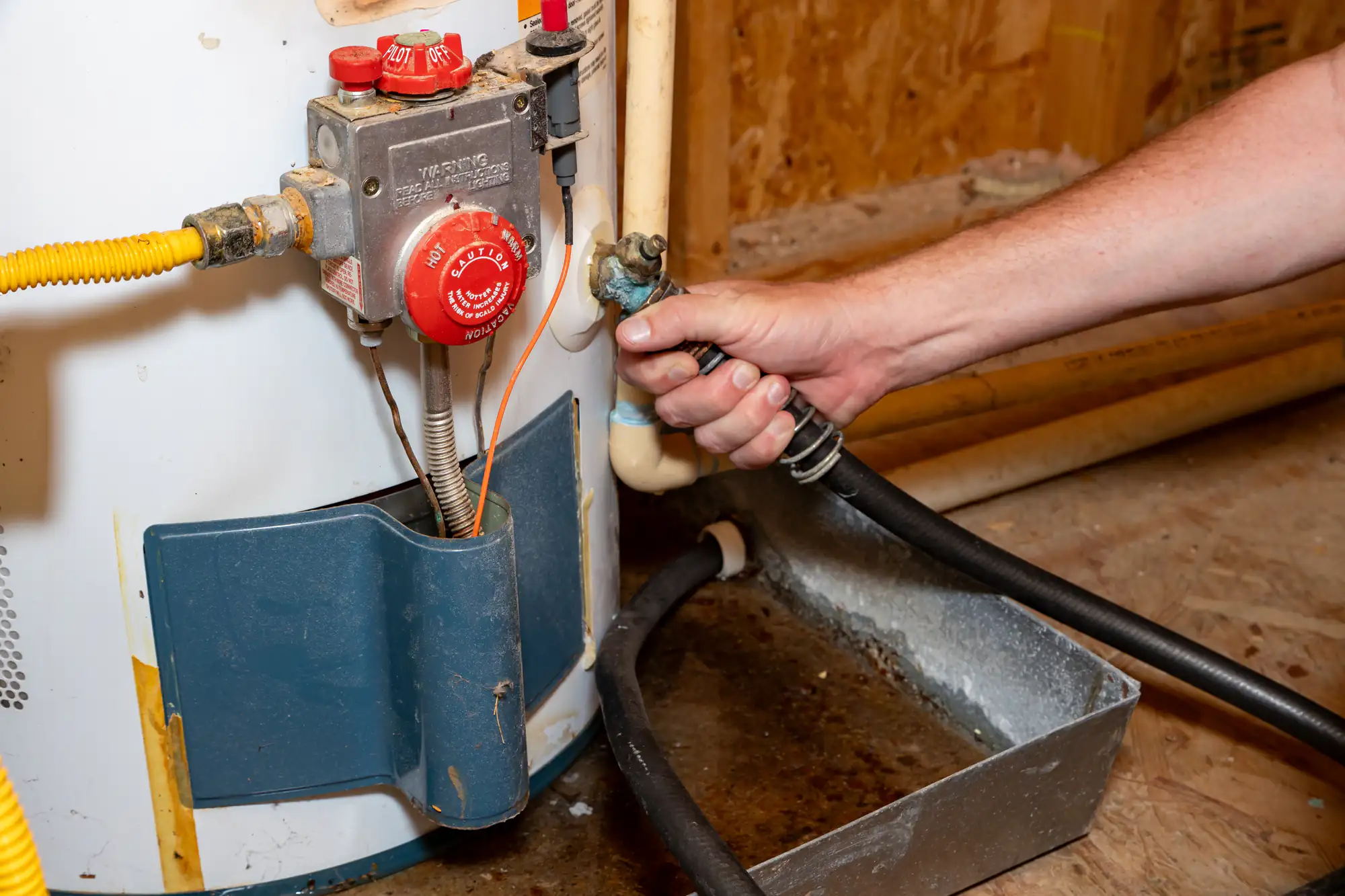
From there, we clean the heat exchanger and burners to remove soot and debris that reduce heat transfer efficiency. The combustion system is analyzed and adjusted so the air-to-fuel ratio is dialed in correctly this is where a lot of the fuel savings come from. The flue is cleaned and inspected for blockages, cracks, and proper venting. Safety controls are tested: pressure valves, seals, thermostats, and shutoffs. If there’s a nest or obstruction in the flue which happens with some regularity in properties that sit vacant through the colder months that gets cleared too.
Routine annual cleaning typically doesn’t require a permit from the Town of Southampton. If the inspection turns up something that does a liner replacement, a structural chimney repair that gets explained clearly before any additional work is proposed. The job wraps with a written summary of what was done and what, if anything, needs attention. You’re not left guessing.

Ready to get started?
We handle both oil and gas boiler cleaning for residential and commercial properties throughout Suffolk County, including the South Fork communities served by Montauk Highway. Whether you have a year-round home near the Hayground windmill or a seasonal property that gets opened up each fall, our service covers the complete exhaust pathway not just what an HVAC company would touch.
That includes cleaning the heat exchanger, burners, and ignition system; performing a combustion analysis; inspecting and cleaning the flue; testing all safety controls and pressure valves; checking gas or oil pressure levels; and clearing any obstructions or nesting material from the chimney. Every component we install or replace is UL listed and meets New York State code requirements, which matters when you’re dealing with Town of Southampton building oversight or managing a property through a real estate transaction or insurance renewal.
For the historic homes and estate properties common in this part of the South Fork some with heating systems and masonry flues that predate modern liner standards the inspection component of this service is often just as valuable as the cleaning itself. If the flue liner needs attention, if there’s corrosion from years of coastal exposure, or if a chimney cap is missing or damaged, you’ll know about it. Nothing gets added to the scope without a clear explanation and your approval first.
Once a year is the standard recommendation, and for most Hayground properties, fall is the right time to do it. Scheduling before the heating season starts means the system gets inspected and cleaned while there’s still time to address anything that came up not after the first cold snap reveals a problem. Most boiler manufacturers also require annual professional maintenance to keep the warranty valid, so skipping a year isn’t just a maintenance gap, it can void your coverage entirely.
For properties on the South Fork that sit vacant during parts of the year, the case for annual service is even stronger. A boiler that hasn’t run since spring may have accumulated nesting material in the flue or moisture-related buildup in the heat exchanger. Getting it inspected before the season starts is the kind of step that prevents an emergency call in January when you’d rather not be dealing with it.
Yes, and it’s worth understanding why. When your oil delivery company services your heating system, they’re typically focused on the burner unit the mechanical components that control combustion. That’s their area. What they don’t do is clean the chimney flue, inspect the liner, or clear the exhaust pathway from the boiler to the top of the chimney. Those are chimney-specific services that require different training, different equipment, and a different kind of expertise.
On the South Fork, where many homes have older masonry flues and oil-burning systems that have been in place for decades, that distinction matters. The flue is where soot accumulates, where nesting animals enter, and where combustion gases travel on their way out of the house. If that pathway is partially blocked or the liner is deteriorating, no amount of burner tuning fixes the underlying safety issue. We cover the side of the system your oil company doesn’t.
A few things are worth paying attention to. If your heating bills have been creeping up without an obvious explanation, reduced boiler efficiency from soot buildup is a likely contributor even a small accumulation on heat transfer surfaces causes the system to work harder for the same output. If the boiler is taking longer to heat the house, cycling more frequently, or producing any unusual smells when it runs, those are signals worth acting on.
For Hayground properties specifically, coastal conditions add another layer. Salt air and humidity accelerate corrosion in metal components, and a system that looked fine last season may have developed surface issues over the summer. If your property was vacant for several months, there’s also the possibility of a flue obstruction birds and squirrels are known to nest in chimney openings during warmer months, and a blocked flue is a safety issue regardless of how well the boiler itself is running. When in doubt, a professional inspection will tell you exactly where things stand.
Routine annual boiler cleaning and maintenance typically does not require a permit from the Town of Southampton Building Department. You can schedule and complete the service without going through a permitting process. That said, if the inspection turns up issues that require structural work replacing a flue liner, making repairs to the masonry chimney, or modifying the exhaust system those repairs may require a permit depending on the scope of work involved.
We use only UL-listed materials on all installations and are licensed for Suffolk County, which covers the Town of Southampton and the Hayground area. If any work comes up during the inspection that would require a permit, that gets communicated clearly before anything is done. You’ll know what’s needed, what it involves, and what the process looks like not after the fact.
For most residential boiler systems, a full professional cleaning and inspection takes approximately one to two hours. That covers the heat exchanger and burner cleaning, combustion analysis, flue inspection and cleaning, safety control testing, and a written summary of findings. If the technician finds an obstruction in the flue a nest, debris, or a damaged section of liner that adds time depending on what’s involved.
For the larger estate homes and historic properties common in the Hayground area, systems can be more complex. Older masonry flues, multi-zone hydronic heating setups, and systems that haven’t been serviced in a while may take longer to inspect and clean thoroughly. The goal is always to do the job completely, not quickly and our technicians won’t rush through an inspection on a property where the stakes are high. You’ll get a realistic time estimate when you schedule, and the crew will let you know if anything changes once they’re on site.
Yes. We offer 24/7 emergency service, and that includes boiler-related calls during the heating season. If you’re dealing with no heat on a cold January night on the South Fork or a property manager is handling an emergency at a seasonal home we have documented same-day response in freezing conditions. That’s not a marketing claim; it’s the kind of service that shows up in real customer experiences when the heat goes out and waiting until morning isn’t an option.
For Hayground properties managed by caretakers or property management companies, having a reliable emergency contact for boiler issues is especially important. A home that sits vacant during the week can develop a heating problem that isn’t noticed until it’s already critical. Our emergency availability means you have a credentialed, insured chimney specialist not a generalist plumber on call when it matters most. Keep the number accessible before the season starts, not after the first problem.
Other Services we provide in Hayground