


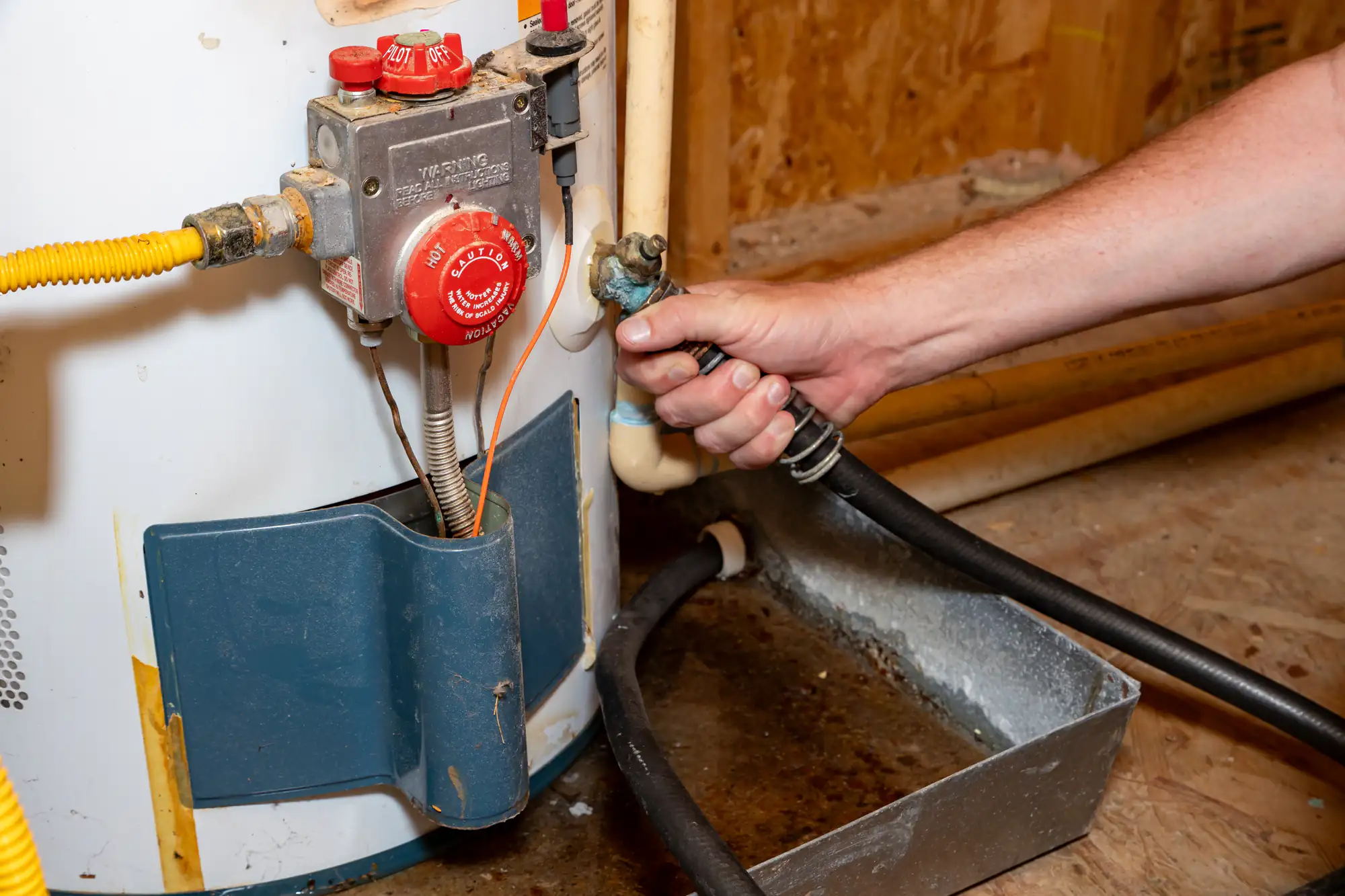
Most homeowners don’t notice how much a dirty boiler costs them until something breaks. A thin layer of soot just one millimeter on your boiler’s heat transfer surfaces is enough to raise flue gas temperatures by 20 to 25 degrees Celsius and drop your system’s efficiency by 3 to 4 percent. That’s not a rounding error. That’s real money leaving through your exhaust every time the heat kicks on, especially if you’re running an oil-fired system through a Long Island winter.
For homes in Hewlett Harbor specifically, the stakes are higher than they are inland. The back bays surrounding this village work on metal flue components, chimney liners, and caps year-round accelerating the kind of corrosion that a standard HVAC company won’t catch because they’re only looking at the burner unit. We inspect and clean the full exhaust pathway from the burner all the way up, giving you a clear picture of what’s actually happening in your system.
Beyond efficiency and corrosion concerns, there’s the warranty angle most people don’t think about until it’s too late. Most boiler manufacturers require documented annual professional maintenance to keep warranty coverage valid. Skip a year, and you may find out the hard way that the warranty you were counting on doesn’t apply anymore. Annual boiler cleaning is the simplest way to protect the system you already have.
We’ve earned award recognition from both Angie’s List and the BBB for six consecutive years. That kind of sustained track record doesn’t come from doing the bare minimum it comes from showing up on time, doing honest work, and leaving a home exactly the way it was found.
In a village like Hewlett Harbor, where roughly 450 households share the same roads and the same private club, reputation matters. The technician who tells you that you don’t actually need a service you called about is the one who gets recommended at the Seawane Club. That’s the standard we hold ourselves to on every visit.
Operating out of Bethpage and holding Nassau County licensing, we serve Hewlett Harbor and the broader Five Towns area with the credentials that actually matter here: county-specific licensing, liability insurance, workers’ compensation, and CSIA and NCSG certifications. All materials we use are UL listed and up to code. When you let someone into a home worth over a million dollars, those details aren’t optional.
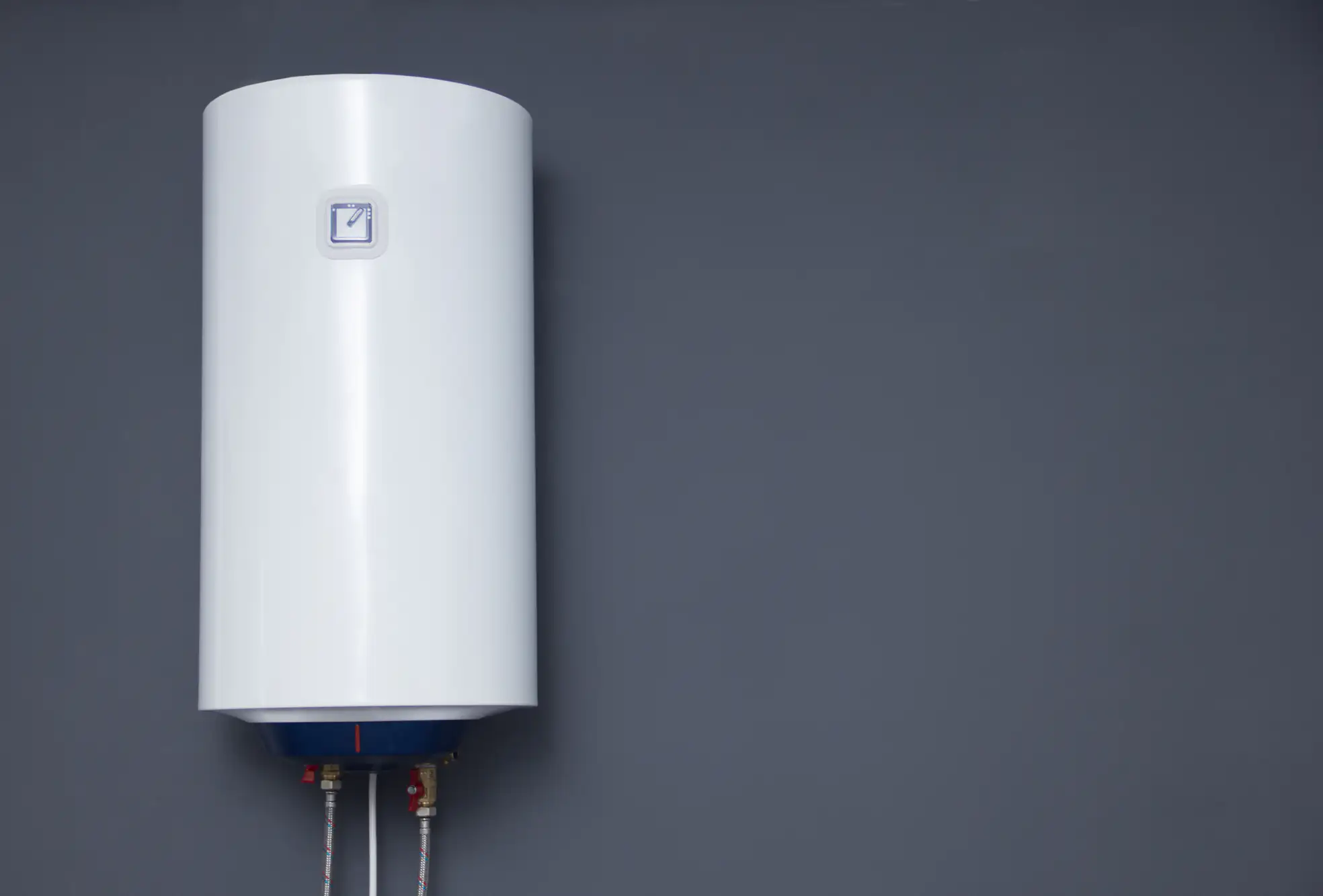
When we arrive at your home, the first thing we do is a full visual inspection not just of the boiler unit itself, but of the piping, connections, and any visible signs of corrosion or damage. For homes in Hewlett Harbor, that inspection includes a close look at flue components for salt-air corrosion, which tends to show up faster here than it does in communities further inland. If there’s something worth flagging, you’ll hear about it before any work begins.
From there, we clean the heat exchanger, burners, and ignition system, removing the soot and debris that reduce heat transfer efficiency. A combustion analysis follows this is where the air-to-fuel ratio gets measured and adjusted to make sure your system is burning cleanly and efficiently, not just burning. We inspect and clean the flue, test safety controls, and if there’s any blockage from a nest or debris in the exhaust pathway, we clear that as well. The full process for most residential systems runs approximately one to two hours.
Because Hewlett Harbor falls under Nassau County jurisdiction, any structural chimney work liner installation, cap replacement, or flashing repair requires a permit through the Village of Hewlett Harbor’s Building Department. We operate within those requirements. If the inspection turns up anything that needs a permit, you’ll know exactly what’s involved before any decisions are made.

Ready to get started?
Here’s the distinction that matters most for Hewlett Harbor homeowners: we’re a chimney company, not an HVAC company. When we clean your boiler, we’re not stopping at the mechanical unit. We clean the full exhaust pathway from the burner through the heat exchanger, up the flue, and through to the chimney top. Every competitor showing up in a local search for boiler cleaning near Hewlett Harbor is an HVAC or plumbing operation. None of them specialize in the chimney flue side of the system. That’s the part most likely to have salt-air corrosion, soot buildup, or a blockage from a bird nest and it’s the part that most directly affects carbon monoxide safety in your home.
For the older oil-heated homes that make up much of Hewlett Harbor’s residential core properties built in the 1920s through 1960s when oil heat was the standard the chimney flue and liner are often original or once-replaced systems that are now decades old. These systems accumulate soot faster and have less tolerance for buildup than newer installations. Annual boiler cleaning and chimney inspection is how you catch a deteriorating liner before it becomes a carbon monoxide risk or a full replacement job.
For newer estates on natural gas, the same principle applies. Gas boilers still produce combustion byproducts that build up in the flue over time, and the chimney components still face the same salt-air exposure as everything else in a waterfront village. We service both oil and gas systems, and every job ends with a clear report of what was found and what, if anything, needs attention.

Once a year is the standard, and for homes in Hewlett Harbor, there’s good reason to take that seriously. Most boiler manufacturers require annual professional maintenance to keep warranty coverage in place skipping a year doesn’t just mean double the buildup next time, it can mean voiding the warranty entirely. That matters a lot more when you’re dealing with a system in a home worth over a million dollars.
The timing question is worth thinking through too. Fall tends to be when everyone calls at once, and appointment slots with quality service providers fill up fast in a small community like Hewlett Harbor. Scheduling in late summer when the boiler isn’t running and any issues found can be repaired before cold weather hits gives you the most flexibility and the least disruption. If you’re on oil heat, your delivery company may flag a problem first, but they’re only looking at the burner unit. The chimney flue is a separate system that needs its own attention.
Your oil delivery company, or the technician they send for a burner tune-up, is focused on the mechanical side of the heating unit the burner, nozzle, filter, and related components. That’s valuable maintenance, but it stops at the boiler itself. They’re not inspecting or cleaning the chimney flue, the liner, or the exhaust pathway that carries combustion gases out of your home.
That distinction matters a lot in Hewlett Harbor, where older homes often have original or once-replaced flue systems that are now 50 or more years old. The flue is where soot accumulates, where salt-air corrosion shows up first on metal components, and where a blockage from a bird nest, debris, or deteriorating liner material can create a carbon monoxide risk that has nothing to do with how well your burner is running. We handle the full system from the burner out. Your oil company handles the burner. We handle everything else.
Yes, and it’s one of the more underappreciated maintenance factors for homes in this part of Nassau County. Salt air coming off the back bays of Hewlett Bay doesn’t just affect the exterior of your home it works on metal chimney components year-round. Flue pipes, chimney liners, caps, and flashing are all vulnerable to accelerated corrosion in a waterfront environment, and that corrosion tends to show up faster here than it does in inland communities even a few miles away.
The practical consequence is that a Hewlett Harbor homeowner is dealing with a different risk profile than someone in Levittown or Garden City. Annual inspection of the full exhaust system not just the boiler unit is the only reliable way to catch salt-air corrosion before it compromises the liner or creates a gap in the flue. A cracked or corroded liner doesn’t just reduce efficiency; it’s a direct path for combustion gases, including carbon monoxide, to enter the living space. Catching it during a routine cleaning is a very different conversation than discovering it after a problem.
For most residential boilers, yes. Manufacturers typically require documented annual professional maintenance as a condition of warranty coverage. The word “documented” matters here a verbal check or a quick look from your oil delivery driver generally doesn’t satisfy that requirement. You need a written record of a professional service visit that covers the components the manufacturer specifies.
If your boiler is relatively new, this is especially worth paying attention to. A newer system in a Hewlett Harbor home is likely a significant investment, and the warranty is part of what protects that investment. Skipping one year of professional cleaning and then discovering a warranty claim is denied because maintenance records don’t exist is a frustrating and expensive situation that’s entirely avoidable. We provide a clear record of what was inspected, what was cleaned, and what was found the kind of documentation that holds up if a warranty question ever comes up.
The short answer is that the problems compound. Soot and corrosion buildup isn’t linear a skipped year doesn’t just mean you’re starting the next year with twice the soot. It means you’re starting with soot that’s had more time to harden, corrosion that’s had more time to spread, and a system that’s been running less efficiently for longer. In a waterfront home in Hewlett Harbor, where salt air is accelerating corrosion on metal components year-round, the gap between “a little overdue” and “needs significant repair” can close faster than it would inland.
There’s also the efficiency cost to consider. A one-millimeter layer of soot on your boiler’s heat transfer surfaces reduces efficiency by 3 to 4 percent. On an oil-heated home running through a Long Island winter, that’s a measurable increase in fuel consumption and Long Island oil prices are not forgiving. The annual cleaning cost is a fraction of what a single emergency repair runs, and a small fraction of what a full boiler replacement costs, which on Long Island can range from $5,500 to $15,000 or more depending on the system.
Yes. We offer 24/7 emergency service, and that’s not a line buried in the footer it’s been confirmed by real customers who called during actual winter emergencies and had a technician arrive the same day. For a village like Hewlett Harbor, where there’s no commercial strip to walk to and no through streets that make it easy to just go somewhere else, a boiler failure in January or February is a genuine problem that needs a real response, not a next-available-appointment answer.
If your heat goes out and you’re in Hewlett Harbor, the combination of no walkable alternatives, a bay wind coming off the water, and a large home that loses heat quickly makes the emergency response question very practical. Our documented same-day capability including complex work completed in a single visit under emergency conditions is the reason customers in this area call us first. Having the number saved before you need it is worth more than finding it when you’re already in the cold.
Other Services we provide in Hewlett Harbor