


When your boiler and its entire exhaust pathway are clean, the system runs the way it was designed to. Combustion is more efficient, heat transfer improves, and you’re not quietly burning extra fuel every month to compensate for buildup you can’t see. For Huntington Bay homeowners heating oil-dependent homes that were built decades ago, that efficiency gap is real and it shows up on your bill.
But efficiency is only part of it. The bigger concern for homes on the East Neck peninsula is what salt air does to the exhaust components over time. Chimney caps, flue liner connections, and smoke pipe joints all corrode faster when they’re exposed to the kind of air that comes off Huntington Harbor and Northport Bay. A clean system is also an inspected system and that inspection is what catches a corroded connection or a cracked liner before it becomes a carbon monoxide problem inside your home.
There’s also the question of what happens when something goes wrong in January. When the heat stops working and the temperature outside is in the low-to-mid twenties with harbor wind chill on top of that, you want a company that answers the phone and shows up. We offer 24/7 emergency service and have a documented history of doing exactly that for homeowners in situations like this one.
We’ve earned an “A” rating with the BBB and won the Angie’s List award six consecutive years running. That’s not a one-time thing it’s a pattern, verified independently across two platforms, built on the kind of consistent work that earns repeat calls and neighbor referrals throughout Huntington Bay and the surrounding area.
We’re licensed for Suffolk County and carry both liability insurance and workers’ compensation. That matters in Huntington Bay specifically, where the village has its own building inspector and administers its own permits independently from the broader Town of Huntington. Every material we use is UL listed and up to code not just by general industry standards, but for the jurisdiction where the work is actually being done.
What you’ll notice most, though, is something simpler. We show up on time, do the work, and leave your property exactly as we found it. And if you call thinking you need a service you don’t actually need, we’ll tell you that too.
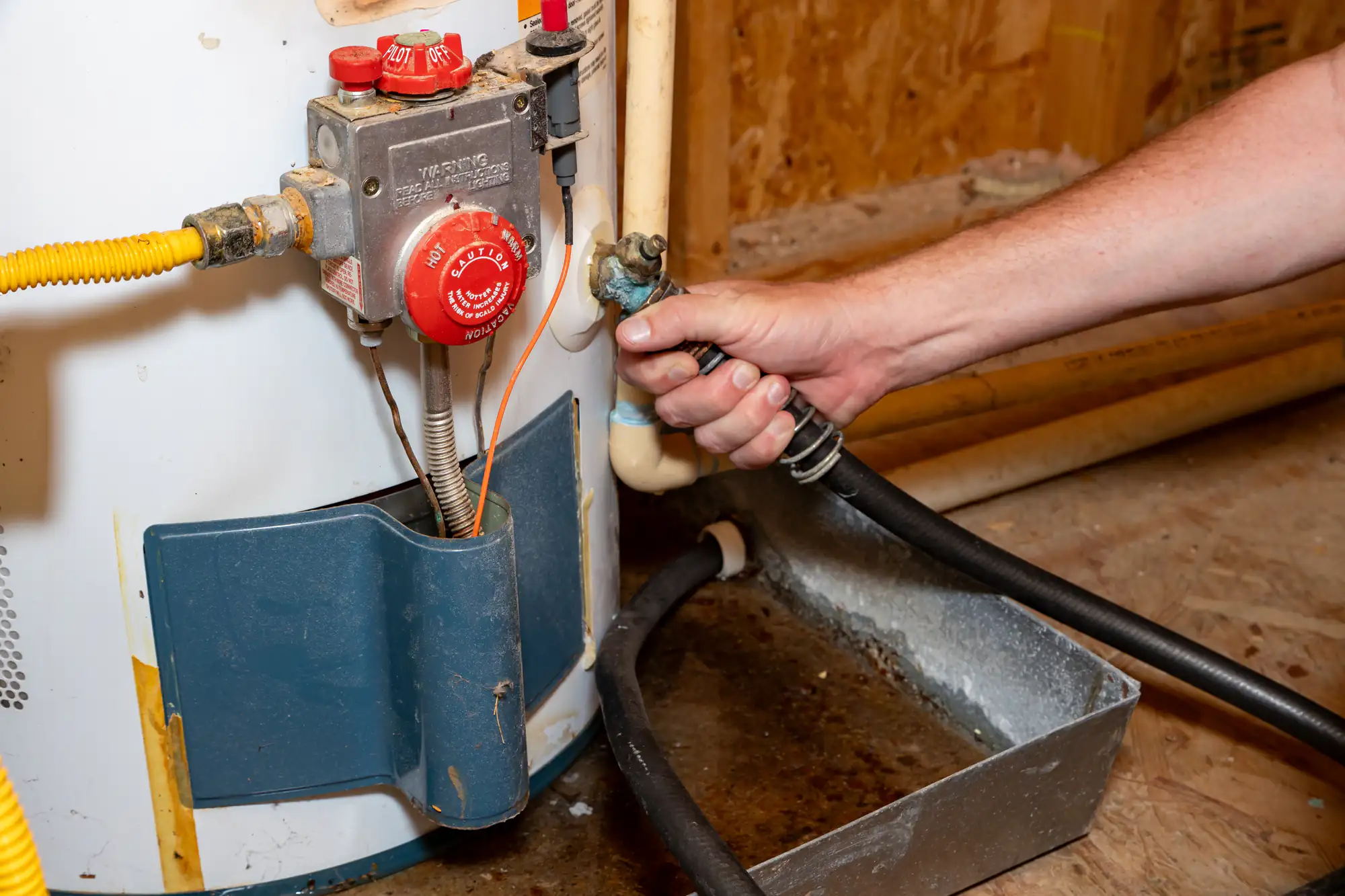
We start with a visual inspection the boiler itself, the piping, the connections, and the full exhaust pathway. For homes in Huntington Bay, that inspection includes a close look at components that face accelerated wear from salt air exposure: chimney caps, flue liner connections, and smoke pipe joints that corrode faster here than they would in an inland town. If something has deteriorated, you’ll know before the cleaning is done, not after.
From there, we clean the heat exchanger and burners removing soot and debris that reduce heat transfer and force the system to work harder than it should. A combustion analysis follows, measuring the air-to-fuel ratio and adjusting it for optimal efficiency. We clean and inspect the flue for blockages, cracks, and proper venting. Safety controls are tested: pressure valves, seals, thermostats, electrical connections, and shutoffs.
Because Huntington Bay’s housing stock is largely pre-1960, it’s not unusual to find original terra cotta flue liners that have deteriorated over the decades. If the liner needs attention or if a stainless steel replacement liner is the right call that recommendation will come with a clear explanation and a written estimate before any additional work begins. No surprises, no pressure.

Ready to get started?
Most oil heating companies in the Huntington area Dole Service, Prestige Oil Service, and others service the burner unit and, at most, the base of the chimney. That’s their specialty, and they do it well. But it leaves the rest of the exhaust system the flue, the liner, the chimney top uninspected and uncleaned. We cover the entire path from the burner through the flue to the chimney cap, which is the only way to confirm the full system is actually safe and functioning.
For Huntington Bay homeowners, that complete scope matters more than it does in most places. Homes on the East Neck peninsula were predominantly built before 1960, many with original masonry chimneys and terra cotta liners that have been in place for sixty-plus years. A liner that’s crumbling even partially can restrict exhaust flow and create a carbon monoxide risk that no amount of burner maintenance will address. Annual boiler chimney cleaning is how you find that before it becomes a problem.
We also handle stainless steel chimney liner installation, chimney caps, crowns, flashing repair, and nest or blockage removal when needed. If your oil company flagged a chimney issue during a delivery or tune-up, this is the call to make next. Everything is handled in one visit where possible, and every recommendation comes with a clear explanation of what was found and why it matters.
Once a year is the standard recommendation, and for homes in Huntington Bay, it’s worth taking seriously. Most boiler manufacturers require annual professional maintenance to keep the warranty valid skipping a year doesn’t just mean deferred maintenance, it can mean a voided warranty if something fails. Beyond the warranty question, annual cleaning is what keeps soot and debris from building up to the point where it meaningfully reduces efficiency and raises your fuel costs.
For homes on the East Neck peninsula specifically, annual inspection is also how you catch corrosion-related issues early. Salt air off Huntington Harbor and Northport Bay accelerates wear on metal exhaust components in ways that don’t apply to inland properties. A chimney cap or flue connection that might last fifteen years in a more sheltered location may show significant deterioration in seven or eight years here. Catching that on an annual visit is far less disruptive and far less expensive than dealing with it after a failure.
That’s a fair question, and the honest answer is: they’re doing different work. Your oil company’s technician services the burner unit cleaning the nozzle, checking the igniter, adjusting the air-to-fuel ratio, and making sure the mechanical components of the burner are operating correctly. That’s valuable, and it should happen every year. But it doesn’t include the chimney flue, the liner, or anything above the base of the chimney stack.
The chimney side of your boiler system is a separate scope that requires chimney-specific expertise and equipment. In Huntington Bay, where many homes still have their original masonry chimneys and aging terra cotta liners, that’s not a formality it’s the part of the system most likely to have deteriorated over time. We clean and inspect the full exhaust pathway from the boiler connection through the flue to the chimney top, which is the scope your oil company’s service contract doesn’t cover.
A few things are worth paying attention to. If your heating bills have gone up without an obvious explanation, reduced boiler efficiency from soot buildup is a likely contributor a layer of soot just one millimeter thick on heat transfer surfaces can drop efficiency by three to four percent, which adds up quickly on an oil-heated home. A sulfur or smoky smell near the boiler, visible soot around the flue connection, or a boiler that’s cycling more frequently than usual are all signs the system deserves a look.
In Huntington Bay’s older homes, there’s another thing to watch for: any sign that exhaust gases might not be venting cleanly. That can show up as unusual condensation near the boiler, a persistent odor that you can’t trace to an obvious source, or a carbon monoxide detector triggering without an apparent cause. None of these are things to wait on. If any of them are happening, call for an inspection before the next scheduled cleaning don’t wait for the annual visit.
It can, depending on the scope of the work. Huntington Bay is an incorporated village with its own governance structure, including a building inspector who administers permits independently from the broader Town of Huntington. Routine boiler chimney cleaning doesn’t typically require a permit, but structural chimney work including chimney liner installation or replacement may require a village-level permit in addition to standard Suffolk County licensing requirements.
This is one of the reasons it matters who you hire. A contractor who only carries general Long Island licensing may not be familiar with Huntington Bay’s village-level permitting authority or the specific code compliance requirements that apply here. We’re licensed for Suffolk County, use UL-listed materials on all installations, and work within the applicable code requirements for the jurisdiction where the job is being done which in Huntington Bay means accounting for the village’s own oversight, not just county-level standards.
Fall is the right time to schedule if you want to stay ahead of it September through November is when appointment slots fill fastest, as homeowners across Long Island are preparing their heating systems before the cold sets in. If you can get on the calendar before the rush, you’ll have more flexibility with timing and you won’t be competing for availability when everyone else is calling at once.
That said, summer is actually the ideal window from a purely practical standpoint. The boiler isn’t in use, so the work can be done without interrupting your heat supply, and if anything is found that needs repair a deteriorated liner, a corroded cap, a cracked crown there’s time to address it before the heating season starts. For Huntington Bay homeowners who tend to be focused on the water and outdoor life through the summer months, scheduling boiler service in August or early September is a smart way to check it off before the season turns.
Cleaning and a tune-up are related but not the same thing. Cleaning focuses on removing the physical buildup soot from the heat exchanger and burner surfaces, debris from the flue, any blockages in the exhaust pathway. It’s what restores heat transfer efficiency and clears the system of material that shouldn’t be there. A tune-up goes further: it includes a combustion analysis to measure and adjust the air-to-fuel ratio, testing of safety controls like pressure valves and thermostats, a check of electrical connections, and verification of gas or oil pressure levels.
A complete annual service for a residential boiler in Huntington Bay should include both. Cleaning without a combustion analysis leaves the system running at whatever efficiency it happened to be at before which may not be optimal. And a tune-up without cleaning the heat exchanger and flue is working around a problem rather than solving it. When we service a boiler, the visit covers the full scope: cleaning, inspection, combustion check, safety testing, and a clear written summary of anything that needs attention.
Other Services we provide in Huntington Bay