


When your boiler is clean, it burns fuel the way it was designed to. Even a thin layer of soot on the heat transfer surfaces we’re talking about one millimeter can drop efficiency by 3 to 4 percent and push flue gas temperatures up by 20 to 25 degrees. For Kingstown homeowners on oil heat, that inefficiency shows up directly on your fuel bill every single month the system is running.
The bigger issue for homes along the Springs peninsula is what salt air does over time. Metal flue liners, chimney caps, dampers, and exhaust connections are all under thermal stress every heating season and the coastal environment accelerates corrosion on every one of those components. A boiler cleaning that only addresses the mechanical unit and ignores the chimney side of the system leaves the most vulnerable part untouched. That’s the gap most local HVAC companies miss.
What you get after a proper cleaning is straightforward: better heat output, lower fuel consumption, and a system that isn’t quietly building toward a failure in the middle of a January nor’easter. For year-round Kingstown residents, that’s not a minor convenience it’s the difference between a functioning home and an emergency call at midnight.
We’ve earned an “A” rating with the BBB and an Angie’s List award for six consecutive years. That kind of track record doesn’t come from one good season it comes from showing up consistently, doing the job right, and not manufacturing work that doesn’t need to be done. More than one Kingstown customer has been told by our technician that they didn’t actually need the service they called about. That’s the kind of honesty that builds a six-year reputation.
We’re Suffolk County licensed and carry both liability insurance and workers’ compensation which matters when you’re letting someone into your Kingstown home near Accabonac Harbor or anywhere else in the East Hampton area. All materials we use on installations are UL listed and up to code, which is relevant in a town where the Town of East Hampton actively enforces building standards.
We serve both year-round residents and seasonal homeowners throughout the South Fork, and we understand that these are two very different situations with different needs.
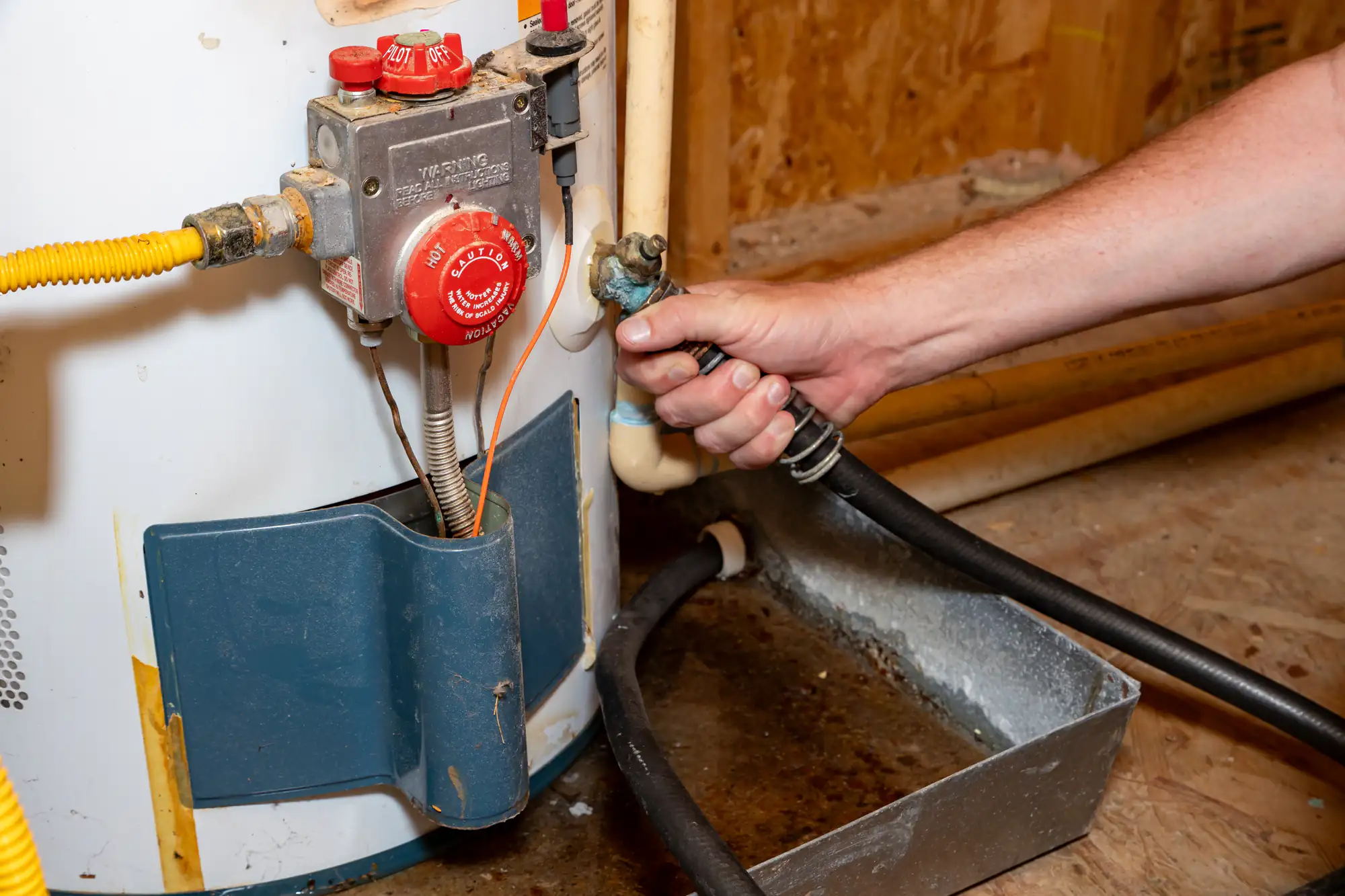
We start with a full visual inspection the boiler itself, the piping, the connections, and any visible signs of corrosion, leaks, or damage. For homes in the Springs area, that inspection pays particular attention to the chimney flue and liner, where salt air exposure and seasonal temperature swings tend to accelerate wear. If there’s a nest or debris blockage in the flue something oil delivery companies flag regularly in this area we address that before anything else.
From there, we clean the heat exchanger, burners, and ignition system. Soot and debris that have built up on the heat transfer surfaces get removed, restoring the efficiency the system is supposed to operate at. A combustion analysis follows, measuring and adjusting the air-to-fuel ratio so the boiler is burning cleanly and not wasting fuel. We test all safety controls pressure valves, seals, thermostats, and electrical connections. The flue gets inspected for blockages and proper venting, and the chimney is cleaned from the exhaust path up.
For seasonal homeowners who are re-activating a Kingstown property after months of summer vacancy, this process is especially important. A system that sat idle in a coastal environment through the summer needs a fresh inspection before it’s asked to carry a full heating load. The whole job typically runs about one to two hours for a standard residential system, and we leave the property exactly as we found it.

Ready to get started?
Most HVAC companies serving the East Hampton area Grant Heating & Cooling, Weber & Grahn, Ocean Air Services are solid heating contractors. What they don’t specialize in is the chimney and flue side of the system. They’ll clean the mechanical boiler unit, but the exhaust pathway connecting that unit to the outside air is a different discipline. It requires chimney expertise, proper equipment, and the credentials to back it up. That’s where we operate, and it’s a meaningful difference for Kingstown homeowners with older mid-century homes and aging chimney systems.
A full boiler cleaning through us covers the heat exchanger, burners, and ignition system; combustion analysis and adjustment; flue inspection and cleaning; chimney cleaning from the exhaust path up; safety control testing; and removal of any nest or debris blockages. If the inspection turns up a liner issue, a cap problem, or corrosion damage that needs repair, you’ll hear about it plainly with an honest assessment of what actually needs to be done, not a list designed to maximize the invoice.
For commercial properties in the East Hampton area hospitality businesses, rental properties, multi-unit buildings we also offer commercial boiler cleaning. The Town of East Hampton has active code enforcement, and Suffolk County contractor licensing requirements apply to any structural chimney or liner work. We hold the county-level credentials to perform that work legally and correctly.
Once a year is the standard recommendation, and for most Kingstown homes it’s the right call. The reasoning is straightforward: soot and debris build up over every heating season, and even modest accumulation starts to affect efficiency and create safety concerns. Annual cleaning keeps the system running the way it’s supposed to and catches small problems before they become expensive ones.
For homes in the Springs area specifically, the coastal environment adds another layer of urgency. Salt air accelerates corrosion on metal flue components, and a system that went through a full winter without inspection may have damage that isn’t visible from inside the house. If your property sits closer to Accabonac Harbor or you’re in a spot that takes the brunt of nor’easter winds off Gardiner’s Bay, annual inspection is less of a suggestion and more of a baseline. It’s also worth noting that most boiler manufacturers require annual professional maintenance to keep the warranty valid skipping a year can void that coverage entirely.
This is one of the most common points of confusion, and it’s worth clearing up. Your oil delivery company services the burner unit the mechanical component that ignites and burns the fuel. That’s a legitimate and necessary service. What they don’t do is clean the chimney flue, inspect the liner, or address the exhaust pathway that carries combustion gases out of your home. Those are two separate disciplines, and the chimney side requires a different set of tools, training, and credentials.
For Kingstown homeowners, this distinction matters because the chimney and flue components are often the first things to show wear especially in a coastal environment where salt air, moisture, and temperature cycling are constant factors. A boiler that gets an annual burner tune-up but never has its flue and chimney cleaned is only half-maintained. If your oil company has flagged a chimney issue, a nest in the flue, or a venting problem during a delivery visit, that’s the signal to call us not to assume the burner service covered it.
The short answer is that the problems compound. Soot and debris don’t stay static they accumulate, and the efficiency losses that come with them add up month over month on your fuel bill. A one-millimeter layer of soot on the heat transfer surfaces can drop boiler efficiency by 3 to 4 percent. That might sound small, but on an oil-heated home in Kingstown running through a cold winter, it translates to real money spent on fuel that isn’t producing heat.
Beyond the efficiency issue, there’s a safety dimension. A dirty or partially blocked flue increases the risk of combustion gases including carbon monoxide not venting properly. Corrosion that goes uninspected can compromise the structural integrity of the chimney liner. And if your boiler is still under manufacturer warranty, skipping annual professional maintenance is typically enough to void that coverage. The cost of an annual cleaning is a fraction of what emergency repairs or a full boiler replacement runs on Long Island, a new boiler installation can reach $5,500 to $15,000. Annual maintenance is the cheaper path by a wide margin.
Yes, and in some ways the case is stronger for seasonal properties than for year-round homes. When a boiler sits idle for four to six months in a coastal environment like Springs, it’s exposed to salt air, humidity fluctuations, and temperature swings that can accelerate corrosion on flue liners, chimney caps, and exhaust connections. Birds and other animals are also more likely to establish nests in a chimney that’s been quiet for months and that blockage won’t announce itself until the system is fired up for the first time in the fall.
The risk with a seasonal property is that you go from zero to full heating demand with no gradual warning signs. A year-round resident might notice a strange smell, reduced heat output, or a spike in fuel consumption over weeks. A seasonal homeowner re-activating their Kingstown property in October doesn’t have that runway. Getting the boiler and chimney cleaned and inspected before the first fire of the season or before you arrive is the responsible move. We can coordinate with property managers for homeowners who aren’t local when the work gets scheduled.
There are a few concrete things to ask before you book anyone. First, verify that the company holds a valid Suffolk County contractor license not just a general state license, but county-specific credentials. Suffolk County has its own licensing requirements, and a company without the right county-level license isn’t legally operating in Kingstown. Second, ask for a Certificate of Insurance that shows both liability coverage and workers’ compensation. A verbal assurance isn’t enough you want the actual certificate.
Beyond licensing and insurance, look for CSIA certification. The Chimney Safety Institute of America credential is the industry standard for chimney professionals, and it requires passing a rigorous exam along with ongoing continuing education. You can verify any CSIA certification directly through their lookup tool. NCSG membership the National Chimney Sweep Guild is another positive indicator. For the boiler side specifically, ask whether the company cleans the full exhaust system including the chimney flue, or only the mechanical boiler unit. A company that only services the burner box is an HVAC contractor, not a chimney specialist. In the East Hampton area, that distinction matters.
Yes. We offer 24/7 emergency service, and that availability extends to the East Hampton and Springs area. If your heat goes out during a cold snap on the South Fork temperatures in Kingstown regularly drop into the 20s during winter storms, and nor’easters can make that feel significantly colder waiting until the next available appointment isn’t a realistic option for year-round residents. We have a documented track record of same-day emergency response in freezing conditions, including cases where a blocked flue or chimney issue was the root cause of the heating failure.
For Kingstown specifically, the distance from the main Long Island contractor base means that not every company will make the trip out to the South Fork on short notice. We serve Suffolk County and are willing to come to the East End when it matters. If you’re dealing with a no-heat situation in the middle of winter or if your boiler is running but something is clearly off a call to us gets you a specialist who covers the full system, not just the mechanical unit, and who can diagnose whether the issue is in the boiler itself or somewhere in the chimney and flue.
Other Services we provide in Kingstown