

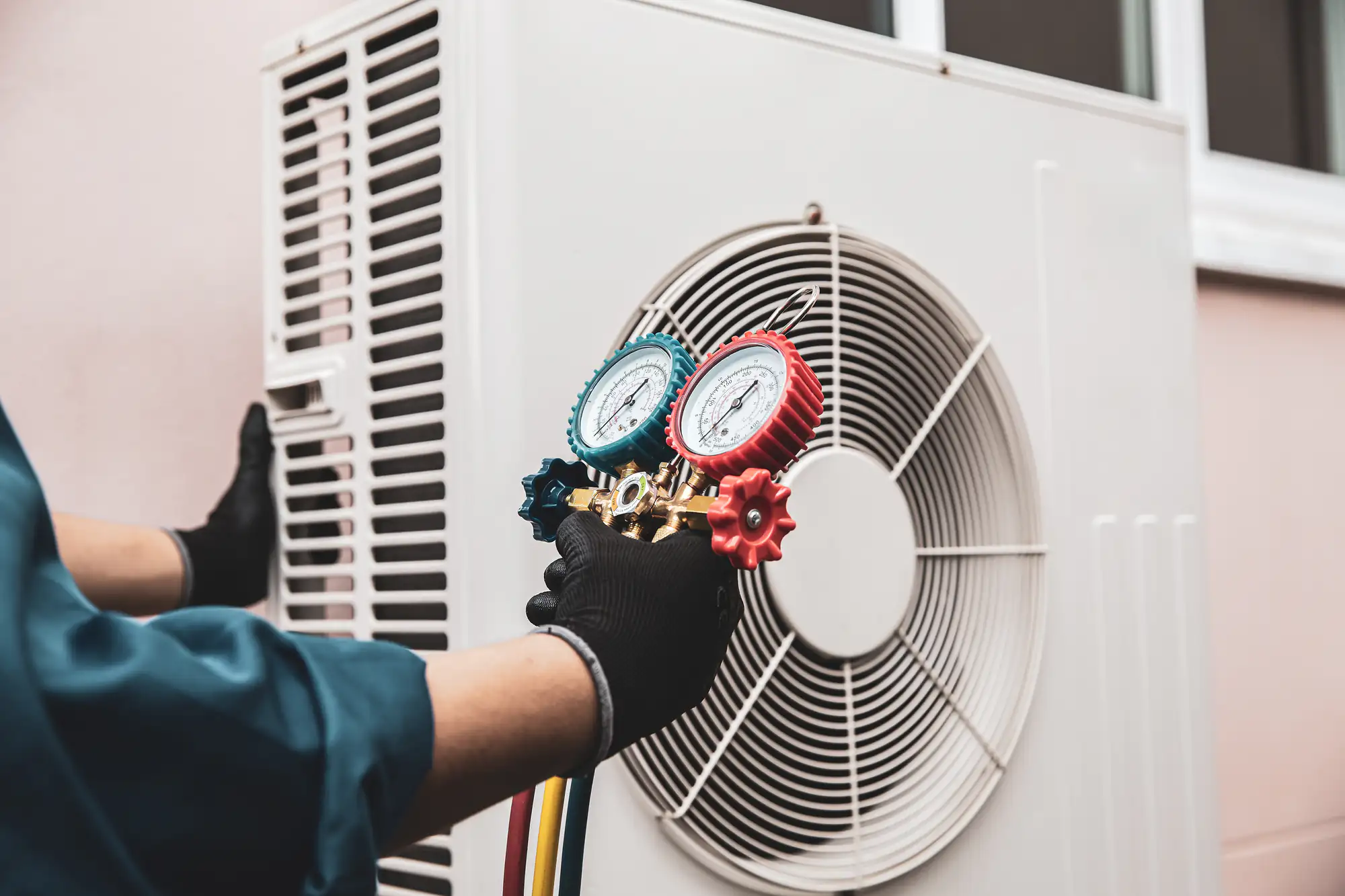
When your boiler is running clean, you feel it. Heat comes up faster, the system runs quieter, and your fuel bills stop creeping up for no obvious reason. A thin layer of soot even just a millimeter on your boiler’s heat transfer surfaces can drop efficiency by 3 to 4 percent and push flue gas temperatures up by 20 to 25 degrees. That’s not a small thing when you’re running an oil-fired system through a Nassau County winter.
For Lakeview homeowners specifically, this matters more than most people realize. The predominant housing stock here Cape Cods, ranch homes, bi-levels, and split-levels built through the 1950s, 60s, and 70s was designed around boiler heating systems that were the standard of that era. Many of those systems, or their first-generation replacements, are still running today. That’s a 50- to 70-year-old system connected to a chimney flue that may not have been professionally cleaned in years, quietly losing efficiency every single heating season.
Most boiler manufacturers require annual professional service to keep the warranty valid. Skipping a cleaning doesn’t just cost you in efficiency it can void coverage you’re counting on if something goes wrong. One annual boiler cleaning service protects your system, your warranty, and the home you’ve built equity in.
We’re based in Bethpage a short drive from Lakeview via the Southern State Parkway. That matters. When you call for boiler cleaning in Lakeview, NY, you’re not waiting on a company dispatching from the other end of Long Island. You’re calling a Nassau County neighbor who knows this area’s housing stock, its winters, and what aging boiler systems in older homes actually need.
We hold Nassau County licensing specifically the county-level credential that covers work performed in Lakeview. We’ve also earned an “A” rating with the BBB and Angie’s List award recognition for six consecutive years. That kind of track record doesn’t happen by accident. It comes from showing up on time, doing honest work, charging fair prices, and leaving the property as clean as we found it every time.
Lakeview is a tight-knit community where word travels fast. We’ve built the kind of reputation that holds up to that scrutiny.
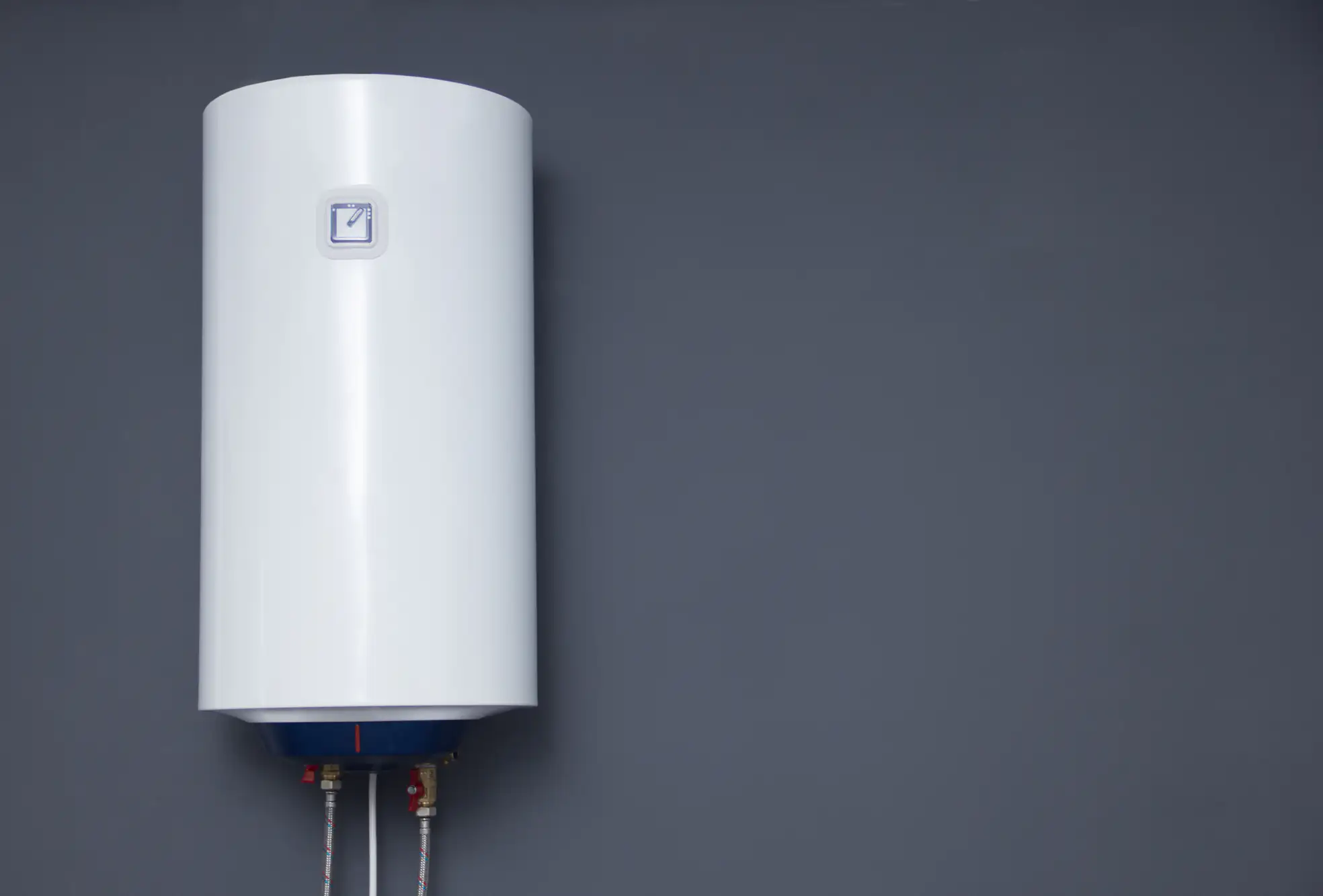
When one of our technicians arrives at your Lakeview home, the first thing we do is a full visual inspection the boiler itself, the piping, the connections, and the visible condition of the system. For a mid-century home in Lakeview, this step matters more than it does on a newer build. Older systems can have corrosion, scale buildup, or liner deterioration that a less thorough technician would miss entirely.
From there, we move through the heat exchanger and burners cleaning out the soot and debris that reduce heat transfer and make your system work harder than it should. We analyze and adjust combustion, which means the air-to-fuel ratio gets calibrated for optimal efficiency. Safety controls get tested: pressure valves, seals, thermostats, and electrical connections. Then we inspect and clean the flue because a blocked or soot-coated flue is a carbon monoxide risk regardless of how well the burner itself runs.
The whole process typically takes about one to two hours for a standard residential system. When it’s done, you get a clear picture of where your system stands and what, if anything, needs attention. No pressure, no invented problems just a straight assessment. If something doesn’t need to be done, you’ll hear that too.

Ready to get started?
One of the most common misconceptions among Lakeview homeowners is that the annual visit from their oil delivery company covers the boiler cleaning. It doesn’t not fully. Oil company technicians typically service the burner unit. They don’t clean the chimney flue, inspect the liner, or clear the exhaust pathway. That’s a separate service requiring chimney expertise, and it’s exactly what we cover.
A complete boiler cleaning service through us includes the heat exchanger, burners, and ignition system; combustion analysis and adjustment; flue inspection and cleaning; safety control testing; gas or oil pressure verification; and a written assessment of the system’s condition. If there’s a nest or obstruction in the flue something that happens more often than most homeowners expect we handle that too. Every component we install during any repair or liner work is UL listed and up to Nassau County code, which matters if you ever sell your home and face a building inspection.
For Lakeview residents with older homes, this full-system approach is the difference between a real cleaning and a partial one. The chimney flue connected to your boiler is part of the same system and it deserves the same attention.
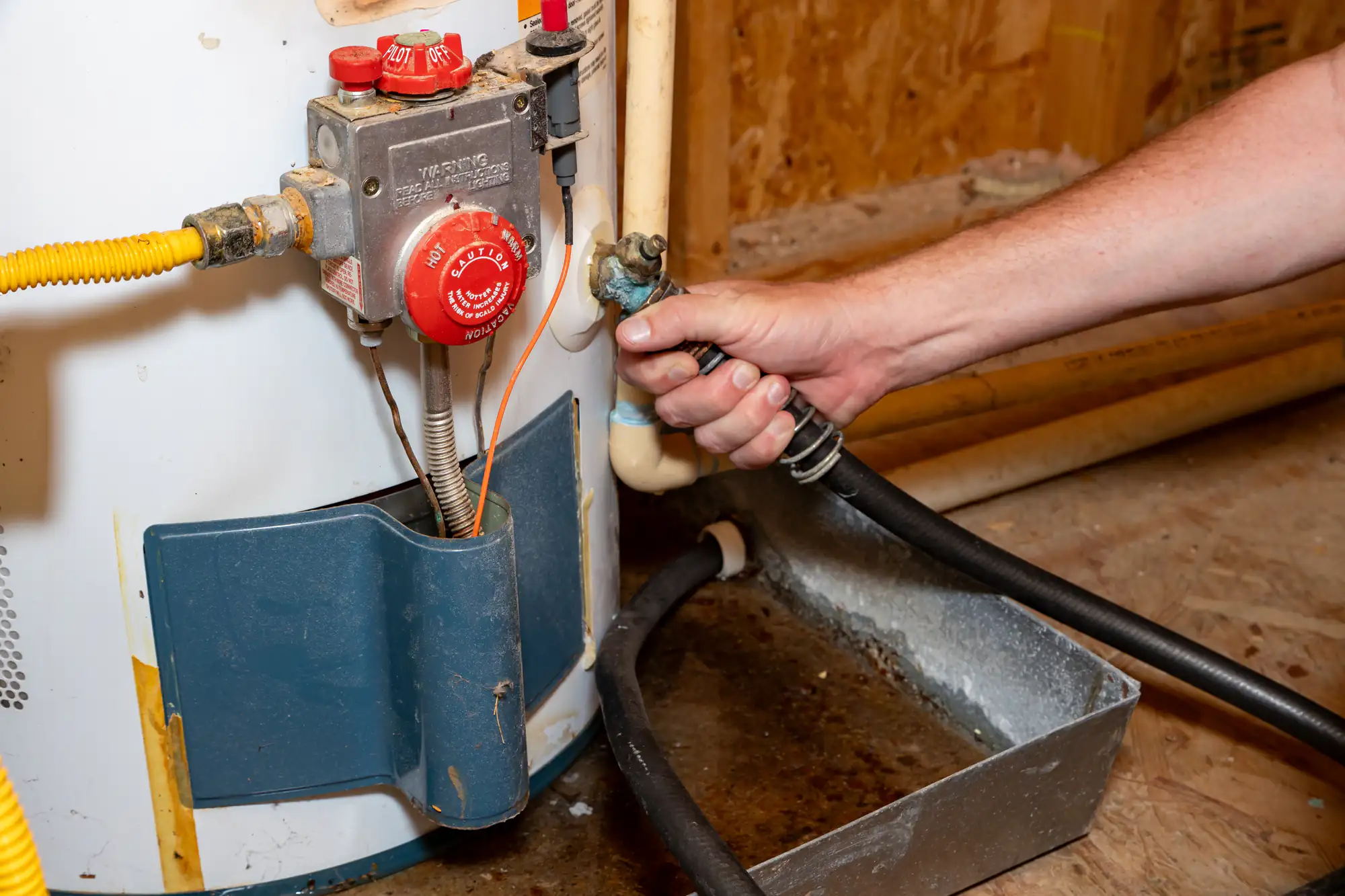
Once a year is the standard recommendation, and for good reason. Soot and combustion debris accumulate with every heating season, and even modest buildup has a measurable impact on efficiency and safety. In Lakeview, where the housing stock skews older and many homes are still running oil-fired boiler systems from mid-century construction or first-generation replacements, annual cleaning isn’t just a best practice it’s the maintenance reality that comes with owning that type of home.
The best time to schedule is during the summer or early fall, before the heating season starts. Your boiler isn’t running, so there’s no disruption to your heat, and if anything needs repair, there’s time to address it before the first cold nights hit Nassau County. Waiting until October or November means competing with every other homeowner who had the same idea and appointment windows get tight fast.
This is one of the most common points of confusion for Long Island homeowners, and it’s worth being direct about. When your oil delivery company sends a technician for an annual service, they’re typically focused on the burner unit the mechanical component that ignites and burns the fuel. That’s a legitimate and necessary service. But it’s not the same as a full boiler cleaning.
The chimney flue, the liner, and the exhaust pathway are a separate system that requires chimney expertise, not just HVAC knowledge. Soot and debris in the flue restrict airflow, reduce efficiency, and create carbon monoxide risk none of which gets addressed by a burner tune-up alone. We cover both sides of the system: the boiler itself and the chimney flue connected to it. For a Lakeview home with an aging chimney, that complete approach is what actually protects you.
Yes, and the numbers are specific enough to take seriously. Just one millimeter of soot on the boiler’s heat transfer surfaces can reduce efficiency by 3 to 4 percent and raise flue gas temperatures by 20 to 25 degrees Celsius. That means more fuel burned to produce the same amount of heat and on Long Island, where oil prices run consistently higher than the national average, that inefficiency shows up directly on your fuel bill.
For Lakeview homeowners running older systems, the compounding effect is real. A system that hasn’t been professionally cleaned in two or three years isn’t just a little less efficient it’s working significantly harder than it should, which accelerates wear on components and increases the likelihood of a breakdown. An annual boiler cleaning service restores that efficiency and keeps the system running the way it was designed to.
Skipping one year doesn’t just mean double the buildup the following year it means the problems compound. Soot accumulates, efficiency drops, and corrosion has more time to develop unchecked. More practically, most boiler manufacturers require annual professional service to keep the warranty valid. If you skip a cleaning and something fails, you may find that the warranty you were counting on doesn’t cover the repair.
There’s also a safety dimension that doesn’t get enough attention. A partially blocked flue or a cracked liner that goes uninspected for a second season is a carbon monoxide risk and CO has no smell, no color, and no warning. For a Lakeview home with an aging chimney system, an annual inspection is the only reliable way to catch those issues before they become emergencies. The cost of a cleaning is a fraction of what an emergency repair or boiler replacement runs on Long Island.
Yes. We offer 24/7 emergency service, and that’s not just a line on a website. We have documented customer experiences of responding on the same day including situations where temperatures were around 30 degrees and a home had no heat. For a Lakeview homeowner in that situation, same-day emergency availability isn’t a nice-to-have. It’s the difference between a cold night and a crisis.
Lakeview’s location along the Southern State Parkway corridor works in your favor here. Our Bethpage base is easily accessible via that route, which means response times to Lakeview are genuinely fast not fast for Long Island, just fast. If your boiler stops working in January and you need someone now, that proximity matters.
New York State doesn’t issue a single statewide chimney contractor license licensing is handled at the county level, and Nassau County has its own specific requirements. That means a company licensed in Suffolk County isn’t automatically authorized to perform work in Lakeview. Before you hire anyone, ask for proof of Nassau County licensing directly, not just a general statement that they’re “licensed and insured.”
We hold Nassau County licensing specifically, which is the applicable credential for work performed in Lakeview and throughout the Town of Hempstead. We also carry liability insurance and workers’ compensation coverage both of which protect you as the homeowner if anything goes wrong during the job. Beyond licensing, look for CSIA certification, which is the Chimney Safety Institute of America’s professional credential for chimney and flue specialists. It requires passing a rigorous exam and ongoing continuing education, and you can verify it independently through the CSIA’s online lookup tool. These aren’t arbitrary checkboxes they’re the credentials that separate qualified professionals from anyone with a van and a business card.
Other Services we provide in Lakeview