
When roughly half the households along the North Fork run on heating oil, the efficiency of your boiler isn’t a minor detail it’s directly connected to how much you’re paying every time the delivery truck pulls up. A layer of soot just one millimeter thick on your boiler’s heat transfer surfaces can reduce efficiency by three to four percent. That loss shows up in your bill every single month during a Laurel winter.
Beyond the fuel cost, there’s the matter of what actually happens inside the flue. Laurel sits between Peconic Bay and Long Island Sound, and that salt air doesn’t stop working just because it’s not visible. It accelerates corrosion on chimney liners, metal connections, and exhaust venting in ways you won’t catch until something fails. Annual boiler cleaning and inspection catches that deterioration before it becomes a repair bill or worse, a safety issue.
For homeowners who use their Laurel property seasonally, the stakes are even higher. A boiler that’s been idle since spring, with a flue that’s been open to coastal air and wildlife all summer, needs more than a quick once-over before you fire it up in October. Getting it properly cleaned and inspected before the heating season means you’re not rolling the dice every time you turn the thermostat up.
We’ve earned an “A” rating with the BBB and won Angie’s List awards six consecutive years running. That’s not a one-time snapshot it’s a sustained record you can look up and verify before you ever pick up the phone. For a Laurel homeowner doing careful research without a neighbor down the street to ask, that kind of documented, multi-year track record matters.
We’re licensed for Suffolk County work, carry full liability insurance and workers’ compensation, and use only UL-listed materials on every job. When you’re coordinating service at a North Fork property especially if you’re not always on-site knowing the contractor is properly credentialed for the county where your home sits isn’t a small thing.
What also sets us apart is the honesty. We’ve documented cases where our technicians told customers they did not need a service they called about. In a trade where upselling is common, that kind of straight answer builds the kind of trust that brings people back year after year.

When we arrive at your Laurel home, the first thing we do is a full visual inspection the boiler itself, the piping, connections, and any visible signs of corrosion or wear. For homes near the Peconic Bay waterfront, that corrosion check isn’t a formality. Salt air works on metal year-round, and catching a compromised flue connection or liner joint early is exactly what the inspection is designed to do.
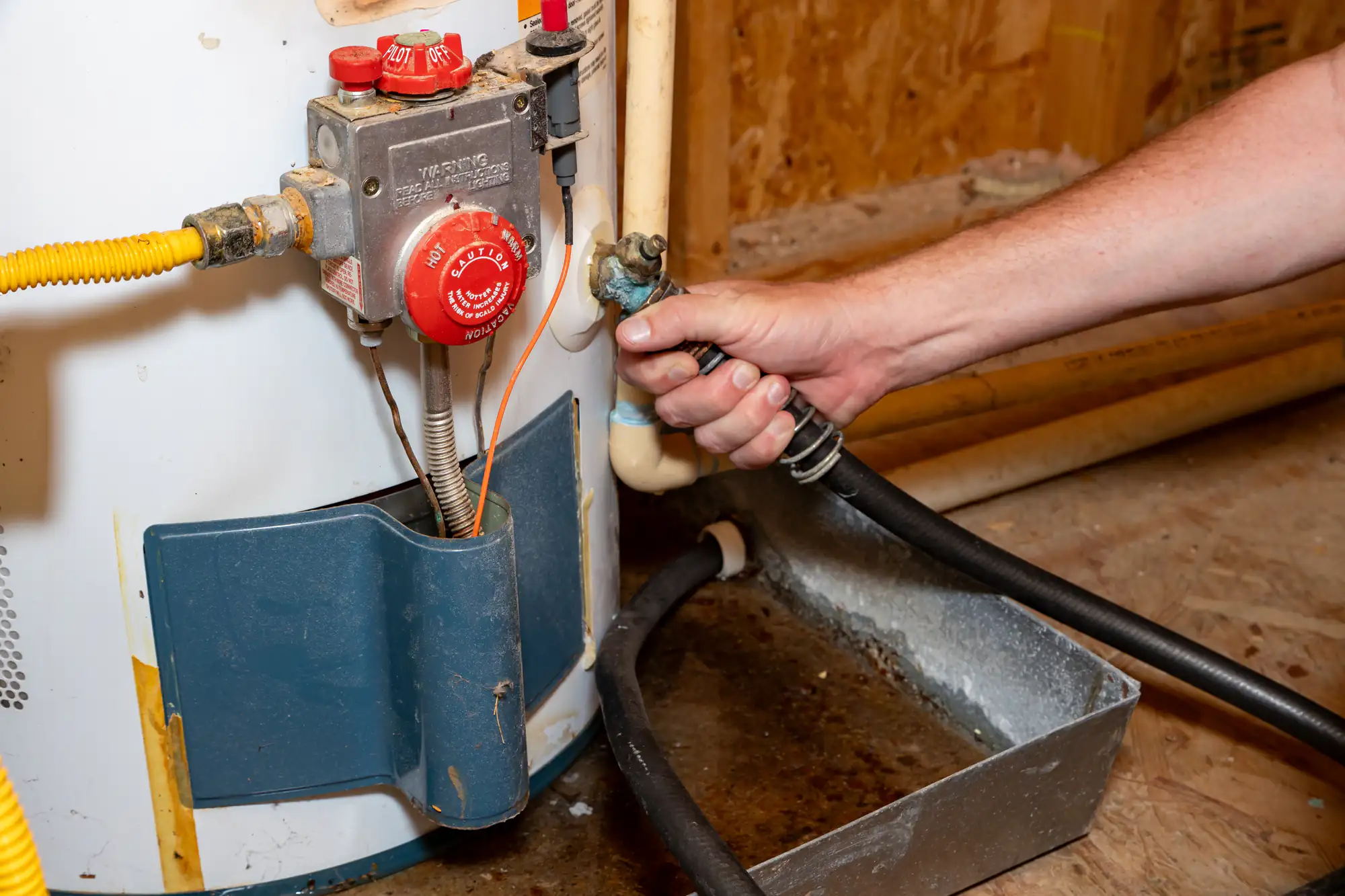
From there, we clean the heat exchanger, burners, and ignition system removing the soot and combustion deposits that reduce efficiency and put strain on the unit. A combustion analysis follows, which measures and adjusts the air-to-fuel ratio so the boiler is running at its actual designed efficiency, not just running. We inspect the flue for blockages, cracks, and proper venting a step that’s especially relevant for Laurel’s older oil-heated homes, where aging chimney liners can develop issues that a burner-only service would never catch.
We test safety controls, verify pressure levels, and walk you through anything that needs attention before leaving. Most residential boiler cleanings take approximately one to two hours. If you’re a seasonal homeowner coordinating the visit around your schedule, our flexibility and clear communication make that coordination straightforward. Any repair work involving liner replacement or structural chimney modifications requires a permit under Southold Town codes and we handle that process correctly.

Ready to get started?
Most HVAC companies that service boilers in the Laurel and North Fork area treat the boiler as a standalone mechanical unit. They clean the burner, check the pressure, and call it done. What they don’t do is clean the chimney flue the exhaust pathway that connects your boiler to the outside world. We do both, which is a meaningful distinction for homes in Laurel where oil-fired boilers vent through chimney systems that are often as old as the house itself.
Our service covers the full system: burner and heat exchanger cleaning, combustion analysis and adjustment, flue inspection and cleaning, chimney cap check, nest and obstruction removal if present, safety control testing, and a written report of findings. For Laurel’s seasonal homeowners, that written report is particularly useful it documents the condition of the system at the time of service, so you have a clear record of what was found and what, if anything, needs follow-up.
We also handle the situations that come up with older North Fork homes aging liner systems, oil-sooted flues that haven’t been properly cleaned in years, and chimney caps that have taken a beating from coastal weather along Route 25. There are no named service packages to choose between here the scope of work is determined by what your system actually needs, and you get an honest assessment of exactly that before any work begins.
Once a year is the standard recommendation, and for Laurel homes it’s not just a guideline it’s genuinely important. Oil-fired boilers, which dominate the North Fork due to limited natural gas infrastructure in eastern Suffolk County, accumulate soot and combustion deposits faster than gas systems. That buildup affects efficiency and, over time, safety. Annual cleaning keeps the system running the way it was designed to.
The timing matters too. The ideal window is before the heating season begins late summer or early fall, while the boiler isn’t in active use. For seasonal homeowners in Laurel who aren’t present year-round, scheduling that pre-season service before you arrive for fall gives you the confidence that the system is ready when you need it. Skipping a year isn’t a neutral decision soot and corrosion compound, and a boiler that went two seasons without service is doing more work for less output than it should be.
No, and this is one of the most common misunderstandings among North Fork homeowners. Your oil delivery company services the burner unit the mechanical side of the system. They check fuel delivery, ignition, and combustion at the burner level. What they don’t do is inspect or clean the chimney flue, the liner, or the exhaust pathway that carries combustion gases out of your home.
That’s a separate and distinct service, and it requires chimney expertise rather than HVAC expertise. For Laurel homes with older oil boilers venting through aging chimney liners many of which have been exposed to years of coastal salt air the flue side of the system needs its own professional attention. A blocked or corroded flue can reduce draft, cause carbon monoxide to back up into the living space, or create a fire hazard entirely independent of how well the burner itself is running. The two services work together; neither one replaces the other.
A few things are worth paying attention to. If your heating bills have gone up without a clear explanation and oil prices in the Laurel area haven’t moved dramatically reduced boiler efficiency from soot buildup is a likely contributor. A boiler that’s cycling more frequently than usual, taking longer to bring the house up to temperature, or making sounds it didn’t make last season are all signals that something has changed inside the system.
Visible soot around the boiler or near the flue connection is a more obvious indicator. So is a smell of exhaust or combustion gases anywhere in the house that points to a venting issue that needs immediate attention, not a wait-and-see approach. For Laurel homeowners who aren’t at the property full-time, it’s worth doing a quick walkthrough of the boiler area when you arrive for the season. If anything looks or smells off, call before you run the system. Catching a problem before the first cold night is far easier than dealing with it after.
For most boilers, yes. Manufacturers typically require annual professional maintenance as a condition of keeping the warranty valid. If a covered component fails and there’s no record of annual service, the manufacturer has grounds to deny the claim. That’s not a theoretical risk it’s a documented industry standard that applies to both gas and oil boiler systems.
This is worth thinking through carefully if you have a relatively newer boiler in your Laurel home. A newer system might feel like it doesn’t need cleaning yet, but the warranty language usually doesn’t make exceptions for age. Beyond the warranty question, newer boilers often have tighter tolerances than older systems, which means they can actually be more sensitive to soot and scale buildup not less. Annual cleaning protects the investment you made in the equipment, keeps the warranty intact, and ensures the system runs at the efficiency it was rated for when it left the factory.
It accelerates deterioration in ways that aren’t visible from the outside. Salt air is corrosive to metal, and chimney systems have a lot of metal flue liners, chimney caps, damper assemblies, exhaust connections at the boiler. In Laurel, where homes sit between Peconic Bay and Long Island Sound, those components are exposed to salt-laden air year-round, not just during storms. The result is that oxidation and joint failure can develop within a single heating season in conditions that might take two or three years to appear in an inland community.
The practical implication is that annual inspection isn’t just about soot removal for homes near the Peconic Bay waterfront it’s about catching corrosion before it compromises the structural integrity of the flue or creates a gap that allows combustion gases to escape into the living space. A chimney system that looks fine from the outside can have liner damage or corroded connections that only become apparent during a professional inspection with the right equipment. For Laurel homeowners, the coastal environment is a real factor in the maintenance calculus, not a background detail.
Start with licensing. Work performed in Laurel falls under Suffolk County jurisdiction, and contractors should carry the county-specific licensing required for chimney and boiler work in this market not just a general state registration. Ask for it directly, along with proof of liability insurance and workers’ compensation coverage. A legitimate contractor provides both without hesitation.
Beyond credentials, look for someone who covers the full system not just the mechanical boiler unit, but the chimney flue and exhaust pathway as well. In Laurel, where most homes run on oil heat and many have older chimney systems, a service that stops at the burner leaves the most corrosion-prone and blockage-prone part of the system uninspected. CSIA certification is the credential that distinguishes a chimney-trained professional from a general HVAC technician, and it’s worth asking about specifically. Finally, look at the review history not just the star rating, but the pattern over time. A company with six consecutive years of awards from independent platforms like Angie’s List and the BBB has a track record that a single good review can’t replicate.
Other Services we provide in Laurel