


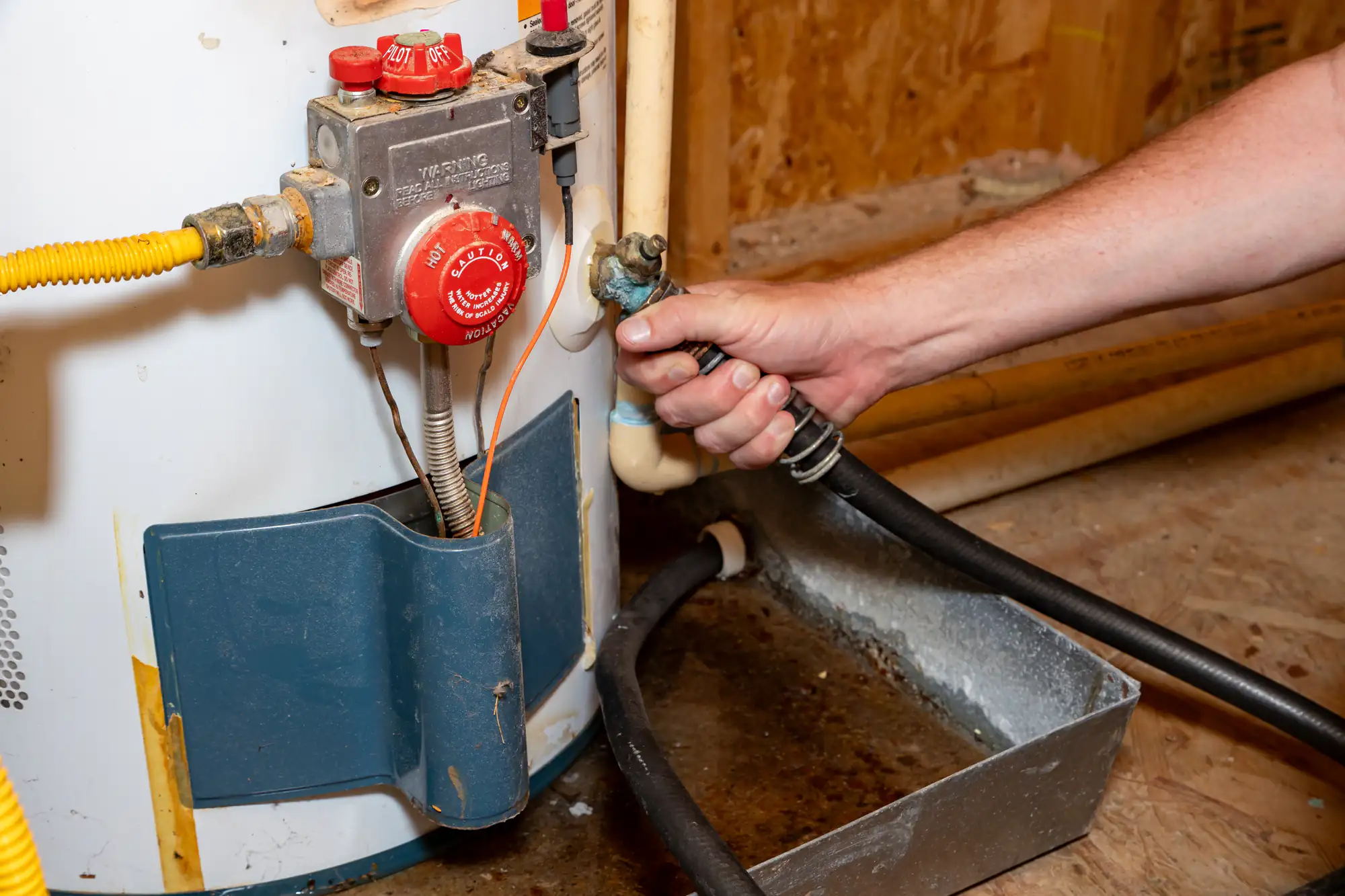
Most homeowners in Mastic Beach have had their oil burner serviced at some point usually through their delivery company or a local oil burner specialist. What that service typically doesn’t cover is the chimney flue connected to your boiler. That’s the pathway combustion gases travel through every time your heat kicks on, and when it’s coated in soot or partially blocked, your boiler works harder, burns more fuel, and vents less efficiently. Getting that full system cleaned changes the picture.
Living on a peninsula surrounded by Moriches Bay and the Forge River means your home deals with salt air year-round. That coastal exposure accelerates corrosion in metal flue components and promotes moisture buildup inside the chimney liner problems that don’t show up on an oil burner service report because they’re happening in a part of the system most HVAC companies never touch. A proper boiler cleaning that includes the flue addresses what the salt air is actually doing to your setup.
For homes in Mastic Beach built during the community’s bungalow era many of which were retrofitted with heating systems long after construction the chimney connections are often older, sometimes unlined, and carrying more buildup than you’d expect. Cleaning the full system restores efficiency, reduces the risk of carbon monoxide issues from poor venting, and gives you a clear picture of what your heating setup actually looks like before winter arrives.
We’ve been earning Angie’s List and BBB awards consecutively for six years running. That’s not a one-time rating it’s a track record built across hundreds of jobs on Long Island, including homes throughout Suffolk County that look a lot like yours: older builds, oil heat, coastal exposure, and systems that haven’t always gotten the full attention they need.
We’re licensed specifically for Suffolk County not just a general contractor with a service area map that stretches across the island. We carry liability insurance and workers’ compensation, use only UL-listed materials, and hold CSIA and NCSG credentials that most local oil burner companies simply don’t have. When you’re hiring someone to work on the system that heats your Mastic Beach home through a winter, those details matter.
What customers consistently say about us is that our technicians are straight with them. If your system doesn’t need something, we’ll tell you. If it does, we’ll explain why before we touch anything. That kind of honesty is rare in this industry, and it’s a big part of why the reviews keep coming in the way they do.

When we come out to your Mastic Beach home, the work starts with a full visual inspection of the boiler itself looking at the heat exchanger, burner components, piping, and connections for any signs of corrosion, leaks, or wear. Given the coastal environment here, salt air corrosion on metal components is something our technician actively looks for, not just a checkbox item. If something is deteriorating faster than it should, you’ll know before it becomes an emergency repair.
From there, we clean the heat exchanger and burner assembly removing the soot and combustion residue that builds up over a heating season and quietly pulls your efficiency down. A combustion analysis follows, which measures how well your system is actually burning fuel and whether the air-to-fuel ratio needs adjustment. This step alone can make a real difference in what you’re spending on oil through the winter.
The flue inspection and cleaning is where we separate from a standard oil burner service call. Our technician checks the full exhaust pathway from the boiler through the flue to the chimney clearing blockages, checking for liner integrity, and removing any soot or debris that’s accumulated in the chimney section. For Mastic Beach homes where the chimney may be original to an older structure, this part of the process often turns up the most useful information.
Safety controls, pressure valves, and electrical connections are tested before the job is complete, and you get a clear report on what was found and what, if anything, needs follow-up.

Ready to get started?
Our boiler cleaning service covers both the mechanical system and the chimney flue the full pathway, not just the unit in your basement. That distinction matters in Mastic Beach, where a significant portion of homes were originally built as summer bungalows and later converted to year-round use. Those conversions often involved retrofitted boiler systems connected to chimneys that weren’t originally designed for continuous winter heating. The combination of age, salt air exposure, and year-round demand means these systems benefit from a more thorough inspection than a standard oil burner tune-up provides.
The service includes heat exchanger and burner cleaning, combustion analysis and adjustment, flue inspection and soot removal, chimney liner assessment, safety control testing, and a written summary of findings. If there’s a nest or obstruction in the flue something that happens more than you’d think in older South Shore homes that gets addressed as part of the visit. All materials we use meet UL listing requirements, which matters when you’re dealing with chimney liner components or cap installation on a Suffolk County property.
We also offer 24/7 emergency boiler cleaning and service for situations that can’t wait a real consideration in a community where a January cold snap with no heat isn’t just uncomfortable, it’s a genuine problem. Whether you’re scheduling ahead of the heating season or dealing with something that needs attention now, the service is the same: thorough, honest, and delivered by technicians who are licensed to work in Suffolk County.

This is one of the most common questions homeowners in Mastic Beach ask, and it’s a fair one. When your oil delivery company sends a technician for a burner tune-up, they’re servicing the mechanical components of the boiler itself the burner assembly, ignition system, nozzle, and filter. That’s valuable maintenance, and you should keep doing it. But that service stops at the boiler cabinet.
The chimney flue that carries combustion gases out of your home is a completely separate system, and it requires different expertise and different equipment to clean and inspect properly. In a coastal community like Mastic Beach, where salt air and humidity accelerate deterioration inside chimney liners and flue pipes, the condition of that exhaust pathway is something that genuinely needs annual attention.
Soot and debris accumulate in the flue regardless of how well-tuned the burner is. A partially blocked or corroded flue reduces your boiler’s efficiency, increases the risk of carbon monoxide entering the living space, and can cause backdrafting issues that show up as mysterious odors or heating inconsistencies. Getting both the boiler and the flue cleaned by a company that specializes in chimney systems gives you a complete picture that an oil burner service alone doesn’t provide.
Once a year is the standard recommendation, and in Mastic Beach it’s worth taking seriously. The combination of oil heat which produces more soot than gas and the coastal environment creates conditions where buildup happens faster than it would in an inland community. Salt air promotes corrosion in metal flue components, and the moisture that comes with living near Moriches Bay and the Forge River can accelerate deterioration inside chimney liners.
Annual cleaning catches those issues before they compound. The best time to schedule is late summer or early fall, before the heating season starts. Your boiler isn’t running, so the work can be done without disrupting your heat, and if anything needs repair, there’s time to address it before you actually need the system.
Homeowners who wait until November or December often find that appointment slots are harder to come by and that any issues discovered during the cleaning create more urgency. If your boiler was installed or repaired after Hurricane Sandy in 2012 and hasn’t had a thorough flue inspection since, that’s another reason to get it on the schedule this season those systems are now well into the age range where annual professional attention pays for itself.
A few things stand out. If your heating bills have gone up noticeably without a change in usage or fuel prices, that’s often a sign of efficiency loss from soot buildup on the heat exchanger. Just one millimeter of soot on heat transfer surfaces can reduce boiler efficiency by three to four percent and that adds up fast on an oil heat budget over a full Long Island winter.
If you’re noticing unusual smells when the heat runs, that can indicate incomplete combustion or a flue that isn’t venting properly. Other signs include the boiler taking longer to bring the house up to temperature, visible soot or residue around the boiler or flue connections, or the system cycling on and off more frequently than it used to.
For Mastic Beach homes with older chimney systems, any sign of moisture around the chimney staining on the ceiling or walls near the flue warrants an inspection even if the boiler itself seems to be running fine. And if your oil delivery company or a previous technician flagged a chimney issue during a service visit, that’s a direct referral for exactly this kind of work. Don’t leave that on the to-do list through another heating season.
It causes real problems, and they tend to be invisible until they aren’t. Soot and combustion byproducts don’t reset between seasons they accumulate. A year of skipped cleaning doesn’t just mean twice the buildup; it means corrosion that has had more time to work on metal surfaces, moisture that has had more time to degrade a chimney liner, and efficiency losses that have been quietly inflating your fuel bill for twelve months longer than they needed to.
There’s also a warranty consideration that most homeowners aren’t aware of: most boiler manufacturers require annual professional maintenance to keep the warranty valid. If you skip a cleaning and the boiler develops a problem that could be connected to maintenance neglect, you may find that the warranty doesn’t cover the repair.
On Long Island, where a new boiler installation can run anywhere from $5,500 to $15,000 depending on the system, that’s a significant exposure. The annual cleaning cost is a fraction of that and it’s the kind of preventive investment that makes straightforward financial sense, especially in a community where unexpected large expenses hit harder than they do in wealthier parts of the island.
Yes. We hold county-specific licensing for Suffolk County, which is the county Mastic Beach falls under through the Town of Brookhaven. This isn’t a generic statewide contractor license New York State requires chimney contractors to hold the appropriate license for the specific county where they’re working, and Nassau, Suffolk, and Queens each have their own requirements. We’re licensed for all three.
This matters more in Mastic Beach than you might expect. The community has a documented history of code enforcement concerns it was actually a central issue in the 2010 village incorporation vote, when residents sought more local control over contractor compliance and property standards. That civic history reflects a community that pays attention to whether the people they hire are actually credentialed to do the work.
We also carry liability insurance and workers’ compensation coverage, so if you ask for a certificate of insurance before the job starts, we can provide one. All materials we install during the service are UL listed, which is the verifiable safety standard you want when chimney liner components or caps are part of the work.
Professional boiler cleaning and service in the New York area generally runs between $150 and $500 depending on the scope of the work with oil boiler cleaning as part of an overall service typically falling in the $150 to $350 range, and a full annual service that includes inspection, cleaning, and tune-up running up to $500 or more. The specific cost for your home depends on the size and condition of your system, how long it’s been since the last cleaning, and whether the flue and chimney need additional attention.
For Mastic Beach homeowners, it’s worth putting that number in context. The area’s housing stock includes a lot of older systems many in homes originally built as seasonal bungalows that have been running year-round for decades. A system that hasn’t been professionally cleaned in several years may require more work than a straightforward annual maintenance visit, which affects the cost.
What doesn’t change is the math on the other end: a boiler replacement on Long Island runs $5,500 to $15,000 installed. Emergency repair calls in the middle of a January cold snap cost significantly more than a scheduled cleaning. Annual maintenance is genuinely the lower-cost path, and we’ve been consistently recognized by customers and by independent platforms like Angie’s List and the BBB for pricing that reflects what the work actually costs, not what the market will bear.
Other Services we provide in Mastic Beach