


There’s a specific kind of frustration that comes with arriving at your Midhampton property in October, turning on the heat for the first time since spring, and realizing something is wrong. The boiler won’t fire cleanly. There’s a smell. The system runs but something feels off. That moment is almost always the result of months of unattended buildup soot in the heat exchanger, a flue that’s been sitting cold and damp, or a chimney opening that a bird or squirrel decided was a good place to spend the summer.
Annual boiler cleaning catches all of that before you’re standing in a cold house trying to reach someone on a Friday night in November. When the heat exchanger is clean, combustion runs efficiently. When the flue is clear, exhaust gases move the way they’re supposed to. When the full system not just the burner box, but the entire exhaust pathway from the boiler through the chimney has been inspected and cleaned, you’re not guessing. You know it’s right.
For Midhampton homeowners specifically, the coastal exposure adds another layer. Salt air coming off the Atlantic works on metal components year-round. Flue liners, exhaust connectors, and heat transfer surfaces in oceanfront and near-ocean homes corrode faster than they do twenty miles inland. Annual cleaning is also your annual look inside the only real way to catch that corrosion before it turns into a safety issue or a repair that costs far more than a cleaning ever would.
We’ve earned “A” ratings and awards from both Angie’s List and the Better Business Bureau for six straight years. That’s not a snapshot it’s a track record built across hundreds of jobs, verified by two independent platforms, and sustained year after year. For a Midhampton homeowner who can’t rely on neighborhood word-of-mouth from year-round neighbors, that kind of institutional credibility matters.
We are licensed for Suffolk County the county where Midhampton and the surrounding East Hampton area sit and we carry both liability insurance and workers’ compensation. Every material we use on an installation is UL listed. These aren’t details to skim past; they’re the baseline you should be asking every contractor for before anyone sets foot in your home.
What actually sets us apart is the scope of what we do. Most HVAC companies service the mechanical boiler unit and stop there. We clean and inspect the full system the boiler, the flue connection, the liner, and the chimney itself. In a community where most homes run on oil heat and where the chimney exhaust pathway takes as much of a beating as anything else on the property, that full-system approach is the difference between a real cleaning and a partial one.

When we arrive at your Midhampton property, the first thing that happens is a full visual inspection the boiler itself, the flue connection, the exhaust pathway, and the chimney. This matters more in Midhampton and the surrounding East Hampton area than it does in a lot of other places, because salt air and seasonal vacancy create conditions that we need to assess before we start cleaning. If something has corroded, shifted, or been compromised since the last service, you want to know that upfront.
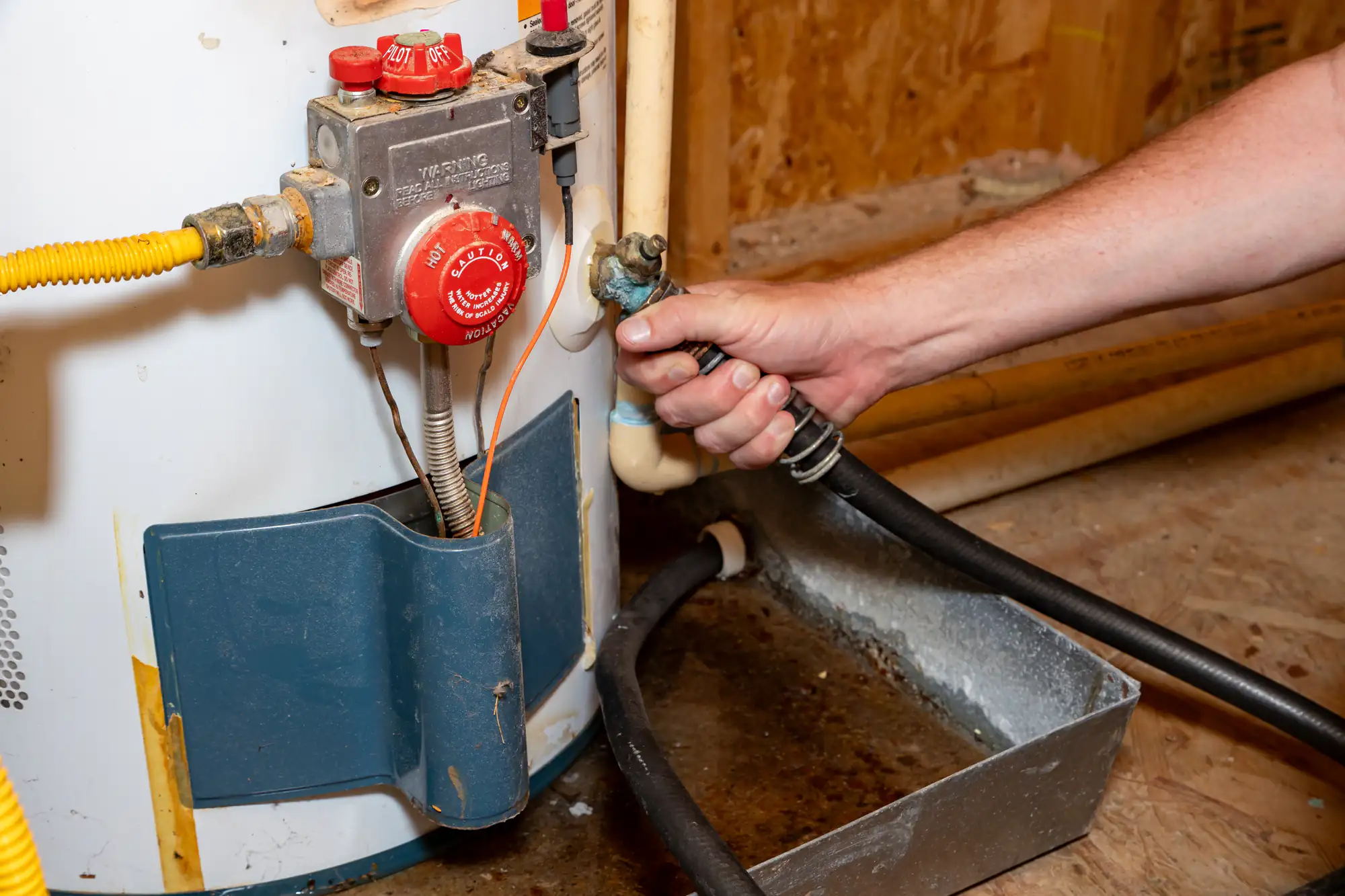
From there, the heat exchanger and burner surfaces are cleaned removing the soot and combustion residue that accumulates with every firing cycle. Oil-fired boilers, which are the standard in most Midhampton homes, produce more of this residue than gas systems do, so the cleaning isn’t a light pass. The flue is inspected and cleared of any obstructions, which in a seasonally vacant home often means removing a bird or squirrel nest that moved in while the property was empty. If a nest is present, we handle that as part of the service.
Combustion performance is checked, safety controls are tested, and the full exhaust pathway is confirmed clear before we leave. You get a straight assessment of what was found, what was done, and whether anything needs attention. No pressure, no inflated recommendations just an honest report on what the system actually looks like. Most residential boiler cleanings take approximately one to two hours, and we leave the property exactly as we found it.
Ready to get started?
Our boiler cleaning service covers the complete exhaust system, not just the mechanical unit. That means the heat exchanger, burner surfaces, flue connector, chimney liner, and chimney itself are all part of the job. For Midhampton and the surrounding East Hampton properties where oil heat is the norm, coastal corrosion is a real factor, and homes often sit vacant for extended stretches this full-system scope is what the service actually needs to be.
The service includes a thorough inspection of all components for signs of corrosion, blockage, or damage. In a coastal environment like Midhampton, where salt air off the Atlantic accelerates deterioration of metal flue liners and exhaust connections, this inspection is as important as the cleaning itself. Catching a compromised liner early is a fraction of the cost of addressing a carbon monoxide issue or a flue failure after the fact. If wildlife has nested in the chimney during the property’s off-season, we handle nest and obstruction removal as part of the visit.
We also service both residential and commercial properties throughout Suffolk County, so whether you own a historic cottage near Midhampton or a larger estate south of Route 27, the scope of the work adapts to the system. All materials we use in any installation caps, liners, or related components are UL listed and installed to code. The work is backed by Suffolk County licensing, and we carry full liability insurance and workers’ compensation on every job.
Once a year is the right baseline for any boiler, but for a seasonal property in Midhampton, the timing of that annual cleaning matters as much as the frequency. The best window is either late summer before you start using the heat again, or early fall before the heating season gets underway. That way, if we find something a nest in the flue, corrosion on a liner section, a blocked exhaust connection there’s time to address it before you need the system running.
What makes Midhampton properties a slightly different case is the vacancy pattern. When a boiler sits idle for six or more months, it’s not just sitting still it’s sitting in a coastal environment where salt air, humidity, and wildlife access are all working on the system. A boiler that ran fine when you left in spring may have a compromised flue or a blocked exhaust by the time October arrives. Annual cleaning is the inspection that tells you what actually happened while the house was empty.
This is one of the most common points of confusion for Long Island homeowners, and it’s worth being direct about. When your oil delivery company services your boiler, they’re typically focused on the burner unit the mechanical components that ignite and burn the fuel. That’s legitimate and important work. But it’s not the same as cleaning the chimney flue, inspecting the liner, or clearing the exhaust pathway that runs from the boiler through the chimney.
The flue and chimney are a separate system that requires chimney expertise, not just HVAC knowledge. In Midhampton and the broader East Hampton area, where oil heat is standard and most homes have masonry or lined chimneys, the exhaust pathway accumulates soot, can develop corrosion from salt air exposure, and is vulnerable to wildlife obstruction during the months a property sits vacant. We handle both sides the boiler system and the chimney it vents through which is why the service is genuinely different from what an oil company provides.
It’s both, and that’s not a contradiction. Routine annual cleaning is how you prevent the dangerous scenario from developing in the first place. A flue that’s partially blocked whether from soot buildup, a collapsed liner section, or a nest restricts the exhaust pathway. When combustion gases can’t exit cleanly, they can back up into the living space. Carbon monoxide is colorless and odorless, and the risk is real in any home where the exhaust system isn’t functioning properly.
For Midhampton properties specifically, the risk compounds over a long vacancy. A chimney that was clear when you left in spring may have a bird’s nest in it by fall a common scenario in seasonally unoccupied homes along the South Fork. Firing up the boiler without knowing the flue is clear is the situation you want to avoid. The cleaning isn’t just about efficiency. It’s the inspection that confirms the system is safe to run before you’re relying on it through a cold winter.
It does, and the math is straightforward. A thin layer of soot even just one millimeter on the boiler’s heat transfer surfaces can reduce efficiency by three to four percent and raise flue gas temperature noticeably. That means your oil-fired boiler is burning more fuel to produce the same amount of heat. In a community where heating oil is the primary fuel and prices on the East End reflect the cost of delivery to the South Fork, that efficiency loss shows up on your fuel bill over the course of a season.
Beyond the efficiency question, a skipped year is also a skipped inspection. In a coastal environment like Midhampton, where salt air accelerates corrosion and seasonal vacancy means months of unmonitored exposure, a lot can change in twelve months. Corrosion that gets caught early is a repair. Corrosion that goes unnoticed for two or three years can mean replacing a liner or a flue section a significantly larger cost. Most boiler manufacturers also require annual professional maintenance to keep the warranty valid, so a skipped year can have real financial consequences beyond just the fuel bill.
You don’t always get a clear signal, which is part of why waiting for an obvious sign isn’t a great strategy. That said, there are a few things worth paying attention to. If your heating bills have crept up without an obvious explanation, reduced boiler efficiency from soot buildup is a likely contributor. If the boiler is running longer cycles to reach the same temperature, that’s another indicator. A visible soot residue around the flue connection or a persistent smell when the heat runs are both worth taking seriously.
For Midhampton homeowners arriving for the fall season, the more relevant question is often: how long has it been since the system was last serviced, and what’s been happening in the flue while the house was empty? If you don’t have a clear answer to either of those questions, that’s reason enough to schedule a cleaning before you start relying on the heat. A boiler that was running fine in April may have a nest in the flue by October. The only way to know is to look and that’s exactly what the inspection component of a professional cleaning does.
Yes. We serve Suffolk County, which includes Midhampton, the Town of East Hampton, and the surrounding South Fork communities. We are fully licensed for Suffolk County and carry both liability insurance and workers’ compensation, so the coverage is specific to this area not a blanket claim that doesn’t hold up when you ask for documentation.
Midhampton and the broader East Hampton area present a specific set of conditions that we are equipped to handle: oil-fired boiler systems, seasonal vacancy patterns, coastal salt-air exposure, and a mix of older historic homes and newer construction that spans a wide range of system types and ages. The full-system approach cleaning and inspecting the boiler and the chimney flue together is particularly relevant here, where local HVAC companies typically handle only the mechanical side and leave the chimney exhaust pathway unaddressed. If you’re scheduling ahead of the fall season or need a same-day response after arriving to find a problem, we serve this area directly.
Other Services we provide in Midhampton