

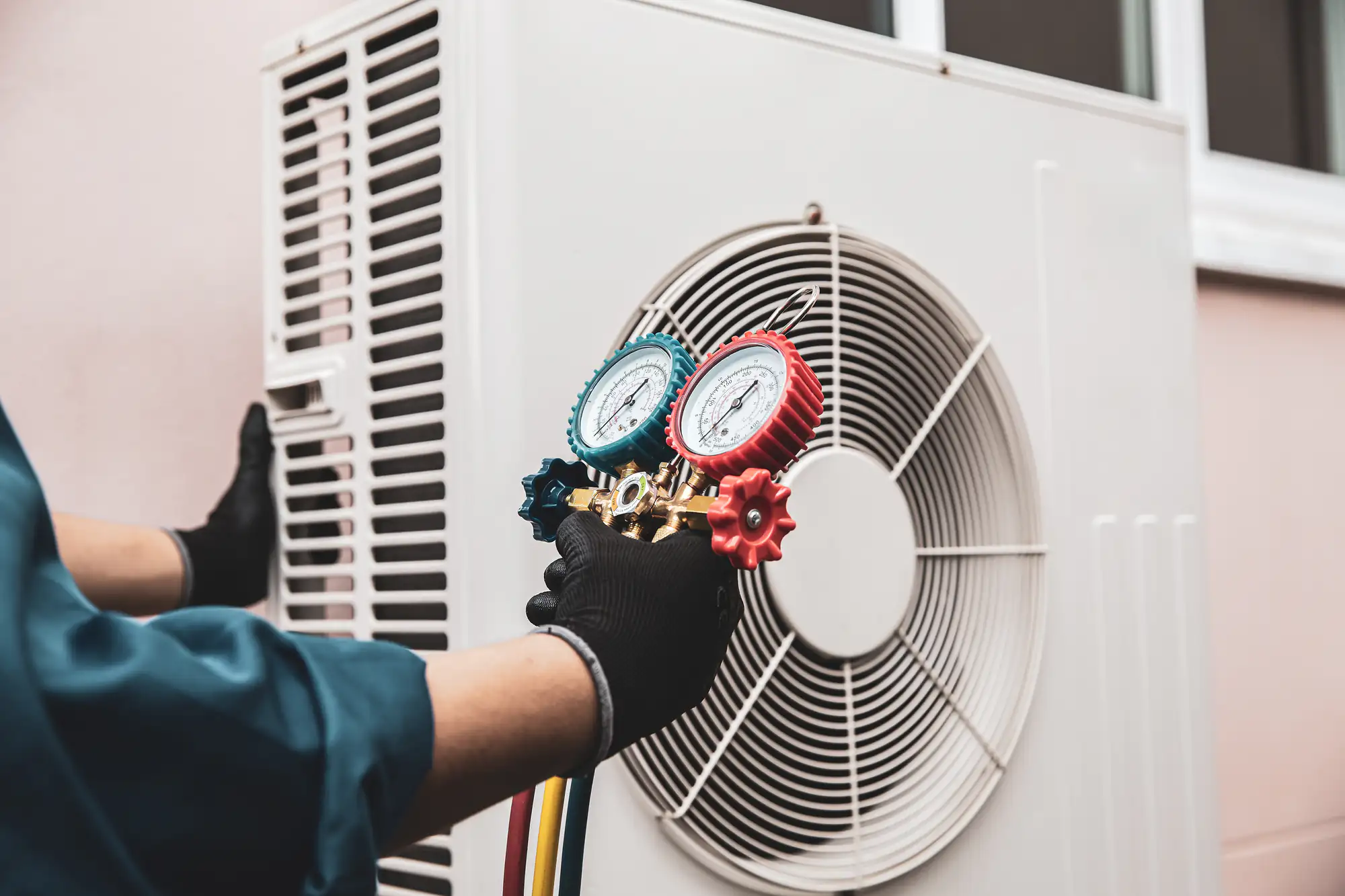
When soot builds up inside your boiler, your heating system works harder than it needs to. Research shows that even a thin layer of soot on heat transfer surfaces just one millimeter can reduce your boiler’s efficiency by three to four percent. For Nesconset homeowners running oil heat through a Long Island winter, that inefficiency adds up fast on every delivery.
The ranch and Colonial homes that line Nesconset’s streets were largely built during the postwar boom of the 1950s through the 1980s, after Route 347 known locally as Nesconset Highway opened the area to residential development. Many of those homes still run on oil-fired boiler systems, and the flue pathways connected to those boilers have been accumulating soot, scale, and debris for decades. Annual professional boiler cleaning restores the efficiency that buildup steals and gives you a clear picture of what’s actually going on inside your system.
There’s also the safety side. Nesconset’s wooded suburban character the mature trees and landscaped lots that give the hamlet its look means chimney flues here are more likely to attract nesting birds and small animals than in open coastal communities. A partially blocked flue doesn’t just hurt efficiency. It creates a carbon monoxide risk. Getting the full system cleaned once a year is the only way to know with certainty that your exhaust pathway is clear.
We’ve earned Angie’s List and BBB recognition six consecutive years running. That’s not a one-time rating it’s a sustained track record that homeowners across Nassau County, Suffolk County, and Queens have built through real reviews and real experiences. The kind of recognition that only happens when a company consistently shows up, does the work right, and leaves the home as clean as we found it.
Nesconset homeowners tend to do their research. With Smithtown Central School District drawing long-term, invested residents and home values approaching or exceeding $700,000, this isn’t a community that hires based on the first result they find. We hold Suffolk County licensing the specific credential required for legitimate chimney and boiler flue work in Nesconset along with liability insurance and workers’ compensation coverage. When you let someone into your home to work on your heating system, those details matter.
What also sets us apart is honesty. We have documented reviews of our technicians telling customers they did not need a service they called about. In a business where upselling is common, that kind of straight talk is rare and it’s the reason so many Nesconset homeowners call back year after year.
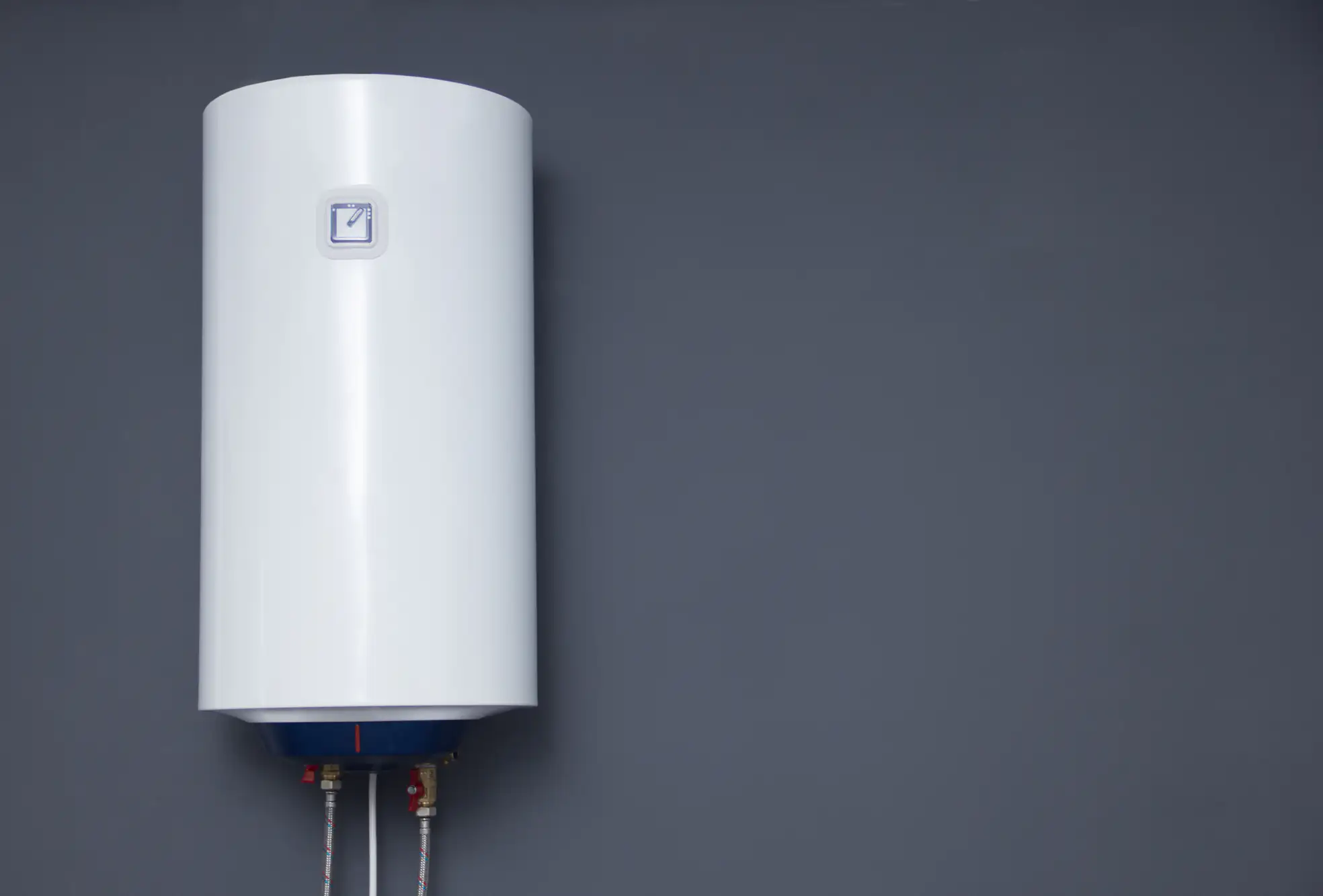
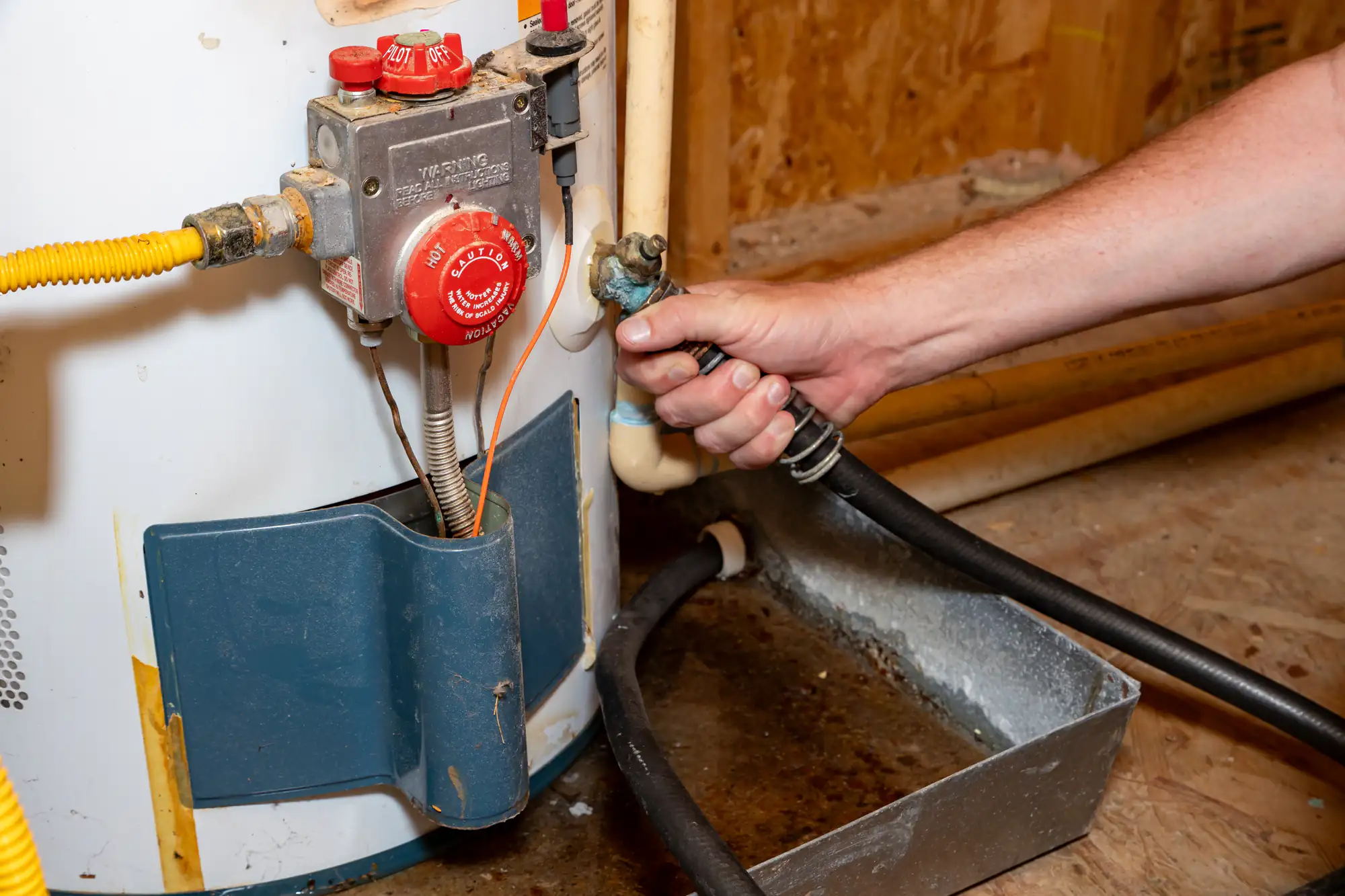
The process starts with a full visual inspection the boiler itself, the piping, the connections, and the exhaust pathway up through the flue. For a lot of Nesconset homes, this is where the story begins. Older ranch and Colonial homes built in the 1960s and 1970s often have chimney liners and flue systems that haven’t been professionally inspected in years, sometimes longer. Before any cleaning starts, you need to know what you’re working with.
From there, we clean the heat exchanger, burners, and ignition system removing the soot and combustion deposits that quietly reduce efficiency with every heating cycle. A combustion analysis follows, measuring the air-to-fuel ratio and adjusting it for optimal performance. Then the flue itself gets cleaned from top to bottom, including a check for any obstructions. Given Nesconset’s wooded lot character and proximity to the area’s original pine barrens terrain, nest and debris removal is a real part of this process, not a formality.
We test safety controls pressure valves, thermostats, seals, and electrical connections. Gas or oil pressure gets checked and verified. Once everything is cleaned, adjusted, and confirmed safe, you get a clear explanation of what was found and what, if anything, needs attention. Most residential boiler cleanings take around one to two hours. The goal is to hand your system back to you running cleaner, safer, and more efficiently than when the job started and to leave your home exactly as we found it.
Ready to get started?
A lot of companies that offer boiler cleaning are HVAC generalists. They service the mechanical unit the burner, the pressure, the ignition and that’s where it ends. The chimney flue, the liner, and the exhaust pathway don’t get touched. For Nesconset homeowners with oil-fired boiler systems connected to aging chimney infrastructure, that’s a significant gap. We cover the full system, which is what separates a real boiler cleaning from a basic tune-up.
What’s included: heat exchanger and burner cleaning, combustion analysis and adjustment, flue inspection and cleaning, obstruction and nest removal where needed, safety control testing, pressure verification, and a written summary of findings. All materials we use on any repair or installation work are UL listed and up to code not just industry-standard, but independently verified for safety compliance. We’re licensed for Suffolk County, which is the governing jurisdiction for all chimney and boiler flue work in Nesconset.
Boiler warranties are also worth keeping in mind. Most manufacturers require annual professional maintenance to keep warranty coverage valid. Skipping a year doesn’t just mean deferred maintenance it can mean voided coverage on a system that costs anywhere from $5,500 to $15,000 to replace on Long Island. Annual boiler cleaning is one of the most straightforward ways to protect that investment, and it’s a service we deliver for homes throughout Nesconset and the broader Smithtown area.

Once a year is the standard, and for good reason. Boilers accumulate soot, scale, and combustion byproducts with every heating cycle. In Nesconset, where a large portion of homes run on oil heat, that buildup happens faster than it does in gas-fired systems. Oil combustion produces more residue, and that residue settles on heat transfer surfaces, inside the flue, and along the exhaust pathway throughout the heating season.
The best time to schedule is late summer or early fall before the heating season starts. Your boiler is idle, so the work can be done without disrupting your household, and any issues that turn up can be addressed before the first cold snap hits. Nesconset’s inland location can produce sharper overnight temperature drops than coastal communities along the South Shore, so you don’t want to find out your boiler has a problem in the middle of January. Getting it cleaned and inspected before October is the move.
A thorough boiler cleaning covers more than most people expect. It starts with a full inspection of the boiler, its piping, and its connections looking for corrosion, leaks, and anything that’s worn or out of spec. Then comes the cleaning itself: heat exchanger, burners, and ignition components are cleared of soot and debris that reduce how efficiently heat transfers to your home.
After the cleaning, a combustion analysis measures and adjusts the air-to-fuel ratio this is what actually optimizes efficiency and minimizes the combustion gases your system produces. The flue gets inspected and cleaned top to bottom, including a check for any obstructions. In Nesconset specifically, that obstruction check matters more than in some other areas the hamlet’s wooded suburban character means nesting activity in chimney flues is a real and recurring issue, not a rare edge case. Safety controls are tested, pressure is verified, and you get a clear explanation of what was found before we leave your property.
Yes, and this is one of the most common misconceptions among oil-heat homeowners on Long Island. When your oil delivery company sends a technician for an annual tune-up, they’re servicing the burner unit the mechanical side of the system. They adjust the burner, check ignition, and verify fuel delivery. That’s their scope, and they do it well.
What they don’t do is clean the chimney flue, inspect the liner, or clear the exhaust pathway above the boiler. Those are entirely separate systems that require chimney-specific expertise and equipment. For homes in Nesconset many of which were built in the 1960s and 1970s with flue systems that are now 40 to 60 years old the condition of the exhaust pathway is just as important as the condition of the burner. A clean burner pushing combustion gases through a blocked or deteriorating flue is still a safety problem. Both sides of the system need professional attention, and they require different specialists.
It can, and this is worth understanding clearly. Carbon monoxide is produced during combustion it’s a normal byproduct of burning oil or gas. Under normal operating conditions, your boiler’s flue system carries those gases safely out of your home. The problem arises when that exhaust pathway is compromised: a blocked flue, a cracked liner, or a boiler running with a poorly adjusted air-to-fuel ratio can all cause combustion gases to back up or leak into living spaces.
In Nesconset, the risk is compounded by two factors. First, the hamlet’s wooded character means flue obstructions from nesting and debris are genuinely common a blocked flue cap or a bird’s nest inside the chimney can restrict exhaust flow significantly. Second, many Nesconset homes have older chimney liners that may have deteriorated over decades of use. A cracked or failing liner doesn’t always show obvious symptoms until combustion gases are already migrating somewhere they shouldn’t be. Annual professional boiler flue cleaning and inspection is the most reliable way to catch these issues before they become a health risk.
Skipping one year might not produce an obvious problem right away, but the effects are cumulative and they work against you quietly. Soot and scale buildup doesn’t reset between seasons it compounds. A system that went one year without cleaning starts the next heating season with more buildup than it ended the last one with. Efficiency drops incrementally, fuel costs rise incrementally, and the wear on components accelerates incrementally.
There’s also the warranty issue. Most boiler manufacturers require documented annual professional maintenance to keep warranty coverage valid. If your boiler needs a significant repair and you can’t show a maintenance history, you may find that coverage doesn’t apply. On Long Island, where a full boiler replacement runs anywhere from $5,500 to $15,000 installed, that’s not a small exposure. In Nesconset’s competitive real estate market where homes sell quickly and buyers scrutinize home inspection reports carefully a well-documented maintenance history on your heating system is a genuine asset when it comes time to sell.
There are a few specific things worth verifying before you hire anyone for boiler flue cleaning in Nesconset. First, Suffolk County licensing contractors performing chimney and boiler flue work in Nesconset need county-specific credentials, not just a general contractor’s license. Ask for it directly, and verify it. Second, liability insurance and workers’ compensation coverage both are required for legitimate contractors working in Suffolk County, and both protect you if something goes wrong on your property. Request a certificate of insurance, not just a verbal assurance.
Beyond licensing, look for CSIA certification the Chimney Safety Institute of America credential that requires passing a rigorous written exam and ongoing continuing education. It’s the industry’s recognized standard for chimney and flue professionals, and you can verify a technician’s certification through the CSIA’s public lookup tool. Finally, check for sustained review recognition not just a handful of recent five-star ratings, but a consistent track record across multiple platforms over multiple years. That’s the kind of record that reflects how a company actually operates, not just how they perform when they know they’re being watched.
Other Services we provide in Nesconset