

When a boiler runs dirty, you feel it in your fuel bills before you ever notice anything else. Research shows that just 1mm of soot on a boiler’s heat transfer surfaces reduces efficiency by 3 to 4 percent and raises flue gas temperatures by 20 to 25 degrees Celsius.
For a large North Hills home running on oil heat through a Long Island winter, that kind of efficiency loss adds up fast month after month, heating season after heating season.
The homes throughout North Hills many of them built during the village’s primary development period in the mid-20th century were constructed with oil-fired boilers and masonry chimneys that, in a lot of cases, are still in service today. Those systems accumulate soot, scale, and combustion byproduct at rates that newer systems simply don’t. A standard HVAC tune-up won’t tell you what’s happening inside the flue liner or at the chimney crown. That requires a different kind of expertise.
After a full professional boiler cleaning, your system runs closer to its designed efficiency, your flue is clear, and you’re not left guessing whether combustion gases are venting the way they should. For a North Hills home valued well above two million dollars, that’s the baseline standard your heating system should already be meeting.
We’ve been an Angie’s List award winner and BBB “A”-rated company for six consecutive years. That kind of sustained recognition isn’t the result of a single good season it reflects how we operate on every job, including in Nassau County communities like North Hills where homeowners hold service providers to a high standard.
Based out of Bethpage, we’re roughly 12 to 15 miles from North Hills via the Long Island Expressway and Northern State Parkway well within our Nassau County service area. We hold Nassau County licensing, carry full liability insurance and workers’ compensation, and use only UL-listed materials on every installation. If your property sits within one of North Hills’s gated communities whether that’s Hamlet Estates, Acorn Ponds, or another secured development we can provide the documentation your HOA or security desk will ask for before authorizing a service call.
What also sets us apart is the honesty. Our technicians have been documented telling customers they did not need a service they called about. In a field where upselling is common, that kind of straightforwardness is worth something.

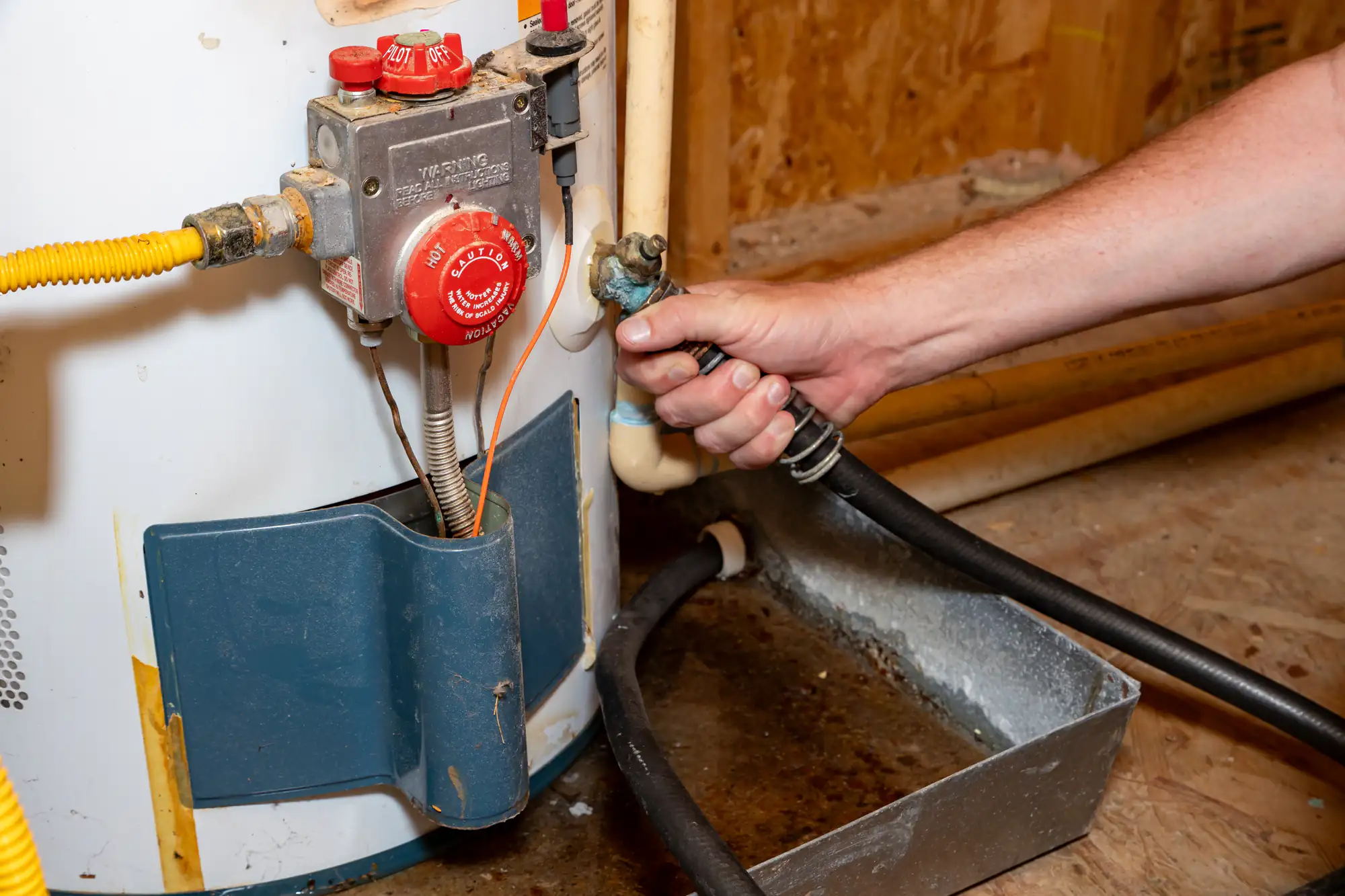
When one of our technicians arrives at your North Hills home, the first thing we do is a full visual inspection the boiler itself, the piping, the connections, and any visible signs of corrosion, leaks, or damage. This matters especially in older North Hills homes where aging cast iron systems and original masonry chimneys may have issues that haven’t surfaced yet but will.
From there, the cleaning begins. We clean the heat exchanger, burners, and ignition system to remove soot and debris that restrict heat transfer. A combustion analysis follows measuring and adjusting the air-to-fuel ratio so the system is running at optimal efficiency with minimal waste.
We inspect the flue for blockages, cracks, and proper venting, and if there’s soot or debris in the chimney itself, we clear that too. Safety controls are tested, pressure levels are verified, and burner settings are adjusted if needed. Most residential boiler cleanings take one to two hours from start to finish.
We leave your home exactly as we found it no soot tracked across flooring, no mess left behind. For North Hills homeowners with high-end interiors, that’s not a small thing. If the inspection turns up anything that needs attention beyond the cleaning, you’ll get a clear explanation and a written recommendation not a pressure pitch.
Ready to get started?
Our boiler cleaning service covers the complete exhaust pathway from the burner through the heat exchanger, up through the flue liner, and out through the chimney. This is the piece that separates a chimney specialist from a standard HVAC company.
The HVAC companies that show up in North Hills boiler searches will clean the mechanical unit. What they typically won’t do is inspect and clean the chimney flue connected to it. In a North Hills home with an older oil boiler and a masonry chimney, that flue is part of the system and it needs to be treated that way.
The service includes a full visual inspection, heat exchanger and burner cleaning, combustion analysis, flue inspection, safety control testing, pressure verification, and burner adjustment. If there are nests, blockages, or debris in the chimney, we address those as well. All work is performed by technicians who hold Nassau County licensing, and all materials used meet UL listing requirements.
We also offer 24/7 emergency boiler cleaning and service for situations that can’t wait. If it’s January, the temperature outside is dropping, and your heat is out, that’s not a next-week problem. Same-day emergency response is available, and it’s been documented in real customer accounts not just listed as a feature on a website.
Annual boiler cleaning is the standard recommendation for residential systems, and it applies whether you have a newer high-efficiency boiler or an older cast iron unit that’s been running for decades. For North Hills homes particularly those built in the mid-20th century with oil-fired boilers annual cleaning is especially important because oil combustion produces more soot and byproduct than gas, and that accumulation builds up in both the boiler itself and the connected chimney flue.
The best time to schedule is late summer or early fall, before the heating season begins. Your boiler is idle, so there’s no disruption to your heat, and any issues found during the inspection can be addressed before the first cold snap arrives. If you missed the fall window, scheduling in early spring before the system sits idle for summer is the next best option. Either way, once a year is the baseline not once every few years.
This is one of the most common situations that leads North Hills homeowners to call us. Oil delivery technicians service the burner unit they check the mechanical components of the boiler itself. What they don’t do is inspect or clean the chimney flue, the liner, or the exhaust pathway above the boiler. Those are separate systems that require chimney expertise, not HVAC training.
When your oil company flags a chimney-related issue soot buildup, a blocked flue, signs of deterioration in the liner the right next call is a chimney specialist, not another HVAC company. We handle both sides of the system: the boiler cleaning and the chimney inspection and cleaning. One company, one visit, the full picture. For North Hills homeowners who want a straight answer about what’s actually going on, that’s a cleaner process than coordinating two separate contractors.
For most boiler manufacturers, yes annual professional maintenance is a condition of keeping the warranty valid. This applies to both newer high-efficiency systems and older units. If a boiler fails and the manufacturer finds no record of annual service, the warranty claim can be denied. That’s not a technicality buried in fine print; it’s a standard clause in most residential boiler warranties.
For North Hills homeowners who have invested in newer boilers as part of a renovation or new construction including those in the Ritz-Carlton Residences or other newer luxury developments in the village this is a direct financial stake. A boiler replacement on Long Island can run anywhere from $5,500 to $15,000 installed. Annual professional cleaning costs a fraction of that. Keeping up with the maintenance schedule protects both the equipment and the warranty coverage that came with it.
The terms get used interchangeably, but there is a meaningful difference in scope depending on who’s doing the work. A boiler tune-up typically focuses on the mechanical performance of the unit adjusting burner settings, testing safety controls, checking pressure levels, and verifying that the system is operating within manufacturer specifications. It’s primarily about calibration and performance.
Boiler cleaning goes further. It involves physically removing soot, scale, and combustion deposits from the heat exchanger, burners, and flue surfaces the buildup that directly reduces efficiency and, in the case of a blocked or deteriorating flue, creates a safety concern. A full professional boiler cleaning also includes a combustion analysis and a flue inspection, which means you’re getting a complete picture of how the system is performing, not just a mechanical adjustment. When we service a boiler, the cleaning and the tune-up happen together there’s no reason to separate them.
Yes, and it’s one of the more serious reasons not to defer annual service. Carbon monoxide is produced during combustion, and under normal operating conditions, it’s vented safely out of your home through the flue. When the flue is blocked or restricted by soot accumulation, debris, or a deteriorating liner that venting process is compromised. Combustion gases can back-draft into the living space instead of exhausting properly.
In North Hills, where many homes have older masonry chimneys that have been through decades of freeze-thaw cycles and seasonal stress, flue deterioration is a real possibility not a theoretical one. Cracks in the liner, mortar joint failure, and soot accumulation don’t announce themselves. They’re found during a proper inspection. Annual boiler cleaning with a chimney specialist not just an HVAC technician is the only way to confirm that the full exhaust pathway is clear and intact. Carbon monoxide detectors are important, but they’re a last line of defense. Keeping the flue clean is the first one.
We hold Nassau County licensing, which is the specific credential required for chimney and boiler work in North Hills. New York doesn’t issue a single statewide license that covers all jurisdictions Nassau County has its own licensing requirements, and a contractor working in the village without the correct county license is operating outside their authorization. It’s a reasonable question to ask before any service provider enters your home, and it’s one we can answer directly.
Beyond county licensing, you should ask for a certificate of insurance confirming both liability coverage and workers’ compensation. This matters for any homeowner, but it matters especially in North Hills where many properties sit within gated communities or HOA-governed developments that may require proof of insurance before authorizing access. We carry both. We’ve also maintained a BBB “A” rating and Angie’s List recognition for six consecutive years credentials that are independently verifiable, not self-reported. If your HOA or security desk asks for documentation before clearing a service call, we have what you need to provide it.
Other Services we provide in North Hills