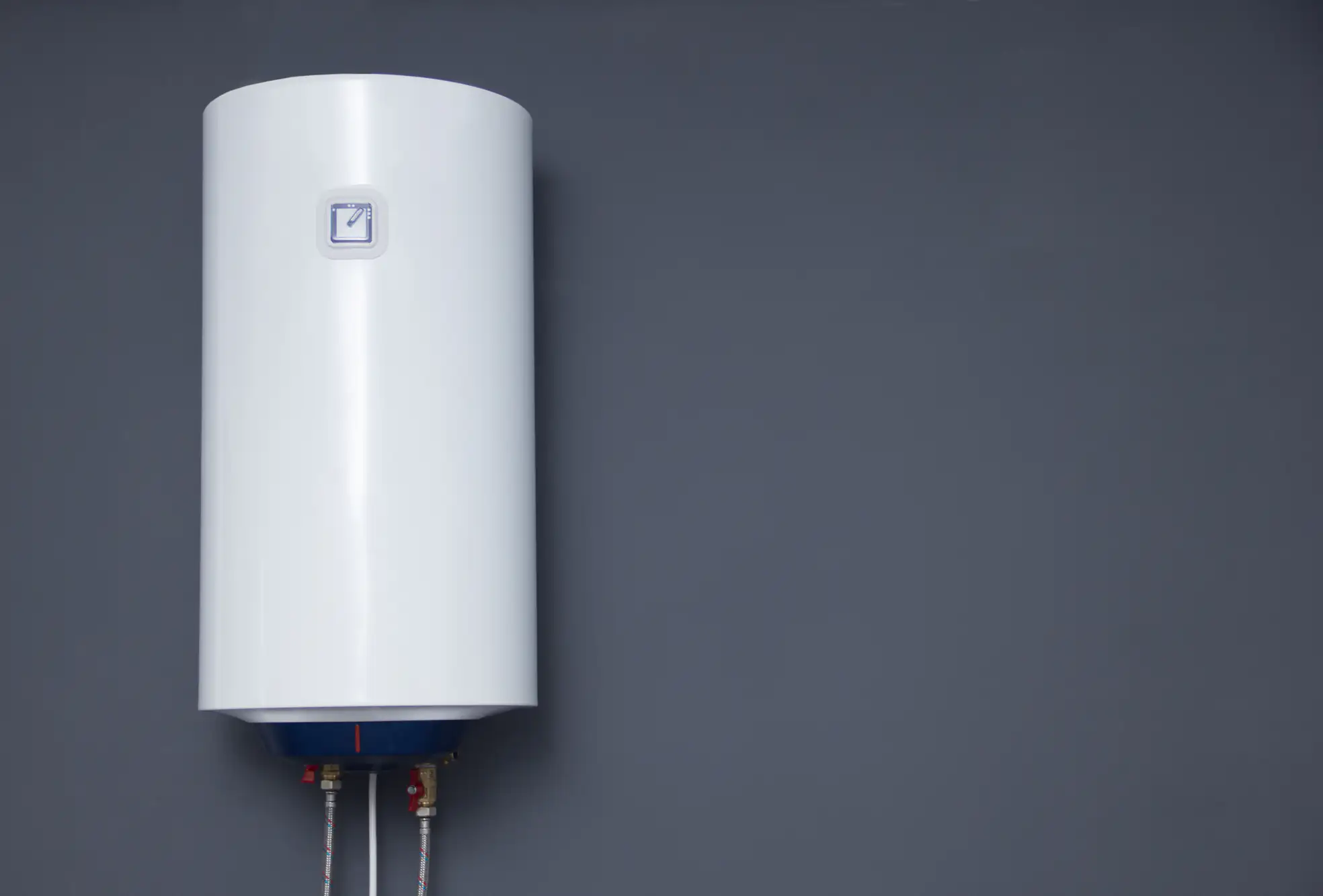

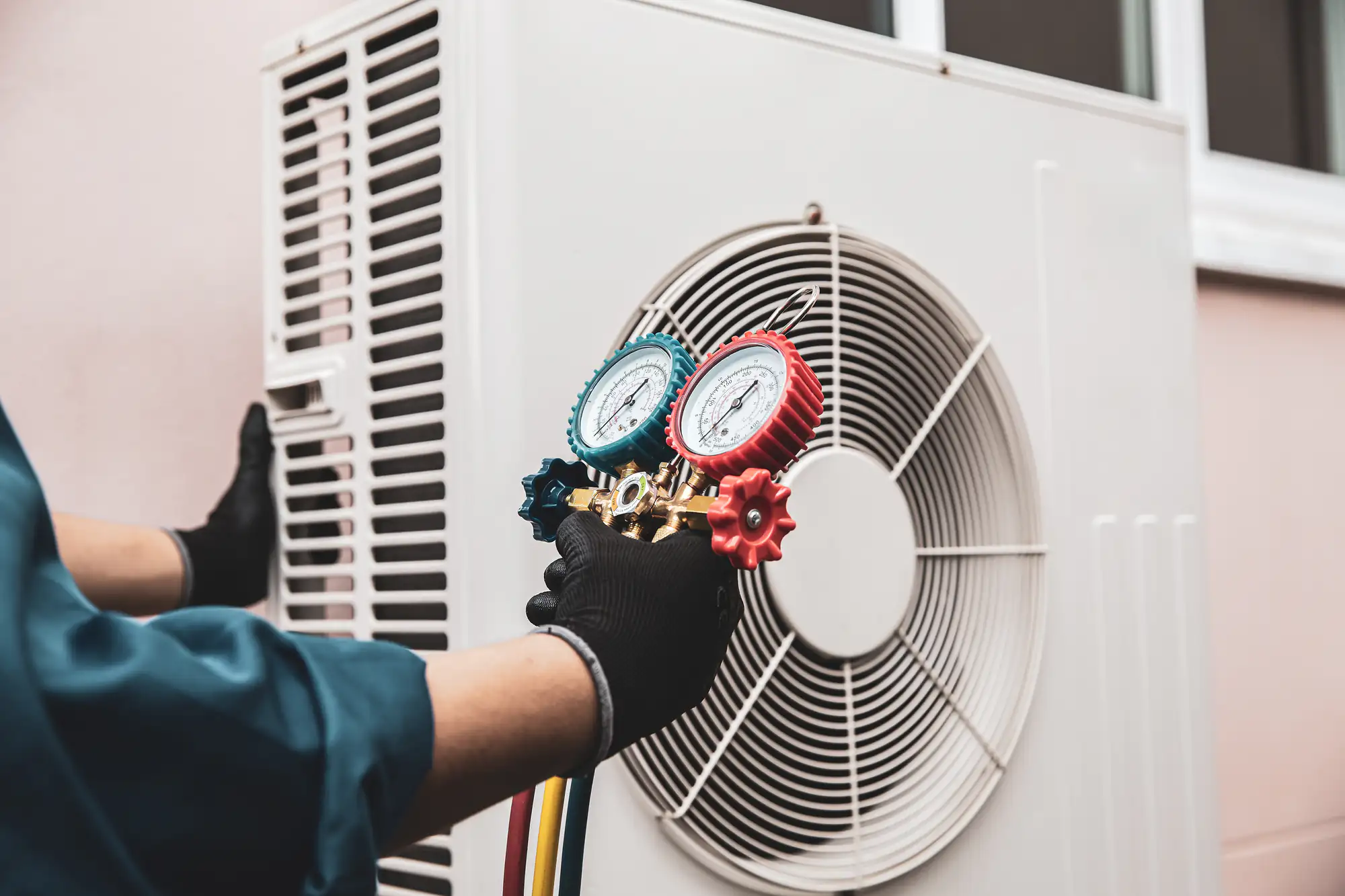
When your boiler and its connected flue are clean, your system runs the way it was built to run. Heat transfers properly, combustion happens efficiently, and you’re not burning extra oil just to compensate for a clogged, soot-covered heat exchanger. For North Sea homeowners paying South Fork heating oil prices, that difference shows up in your tank level and eventually, your wallet.
Salt air accelerates corrosion in ways that inland homeowners simply don’t deal with. Metal chimney liner components, flashing, and boiler parts all deteriorate faster when exposed to the marine air coming off Little Peconic Bay. Annual cleaning and inspection gives you the chance to catch that corrosion early before it becomes a liner replacement or a safety issue rather than discovering it mid-January when the heat stops working.
For the significant share of North Sea properties that sit vacant through the warmer months, there’s another layer to this. A boiler that ran fine last March, sat dormant through a humid coastal summer, and gets fired up again in October hasn’t been checked for moisture damage, nest activity in the flue, or the kind of internal buildup that accumulates quietly when no one’s looking. Cleaning it before the heating season starts isn’t just maintenance it’s the only way to know what you’re actually working with before you need it most.
We’ve earned Angie’s List and BBB awards for six consecutive years. That’s not a one-time rating it’s a sustained track record across hundreds of service calls, verified by two independent platforms. No local Southampton-area chimney company found in any search comparison comes close to matching that streak.
What sets us apart isn’t just the credentials it’s how the work gets done. Our technicians have been documented telling homeowners they didn’t need a service they called about. In a market where contractor upsells are common, that kind of honesty is rare. We show up on time, do the work thoroughly, and leave the property exactly as we found it. For North Sea homeowners where properties are well-maintained and expectations are high, that matters.
We’re licensed for Suffolk County and carry both liability insurance and workers’ compensation. All materials we use on installations are UL listed and up to code. If you’re near Southampton Shores or anywhere along North Sea Road, you’re well within our service area.

The process starts with a full visual inspection the boiler itself, the connected piping, and the chimney flue that carries combustion gases out of your home. In North Sea, that flue inspection matters more than most homeowners realize. Oil-fired boilers produce significantly more soot and carbon deposits than gas systems, and those deposits accumulate in the flue just as much as they do inside the boiler. We address both sides of the system, not just the mechanical unit.
From there, the heat exchanger and burners get cleaned removing the soot buildup that reduces how efficiently heat transfers to your water or steam. A combustion analysis follows, which checks the air-to-fuel ratio and ensures the burner is operating at its best. We test safety controls, verify pressure levels, and if there’s any blockage or nest activity in the chimney flue which is a real and common issue in coastal properties that sit empty through summer we clear that as well.
The whole service typically takes one to two hours for a standard residential system. Before any work begins, you’ll know exactly what’s being done and why. If something unexpected comes up during the inspection a cracked liner, corroded flashing, or a component that needs attention you’ll hear about it plainly, with no pressure attached to the conversation.
Ready to get started?
One thing that separates us from standard HVAC companies is scope. Most heating companies service the boiler unit itself the burners, the heat exchanger, the ignition system. That’s important work, but it’s only half the picture. The chimney flue connected to your boiler is part of the same exhaust system, and if it’s blocked, cracked, or coated in soot, the boiler can’t do its job safely or efficiently regardless of how clean the burner is. We clean and inspect the full pathway.
This matters especially in North Sea, where the housing stock includes a large number of homes built between the 1940s and 1960s. These properties were built with oil boiler systems and masonry chimneys that are now decades old. Older chimney liners are more susceptible to cracking, and coastal salt air accelerates that deterioration. A chimney that looks fine from the outside can have liner damage that’s only visible on inspection the kind of issue that creates real carbon monoxide risk if it goes unaddressed.
We serve both residential and commercial properties throughout Suffolk County, including North Sea and the broader Town of Southampton. Whether you’re a year-round resident, a property owner preparing a seasonal home for winter, or a property manager coordinating maintenance for multiple homes in the area, the service is the same: thorough, honest, and done right the first time. All work meets New York State code requirements, and all installed materials are UL listed.

For most North Sea homes, once a year is the right interval and the timing matters. The ideal window is late summer or early fall, before the heating season begins. This gives you the chance to catch any issues that developed over the warmer months before you actually need the system to run.
For homes in North Sea specifically, the annual schedule is more than just a best practice it’s a practical necessity. Oil-fired boilers, which are the dominant heating system in the Southampton area, produce more combustion byproducts than gas systems. Soot and carbon deposits accumulate faster, and the coastal environment adds another layer of wear through salt air corrosion. Skipping a year doesn’t just mean double the buildup next time. It means corrosion that compounds, efficiency losses that add up on every oil delivery, and safety risks that grow quietly until something fails. Most boiler manufacturers also require annual professional maintenance to keep the warranty valid so a skipped cleaning can void your coverage on top of everything else.
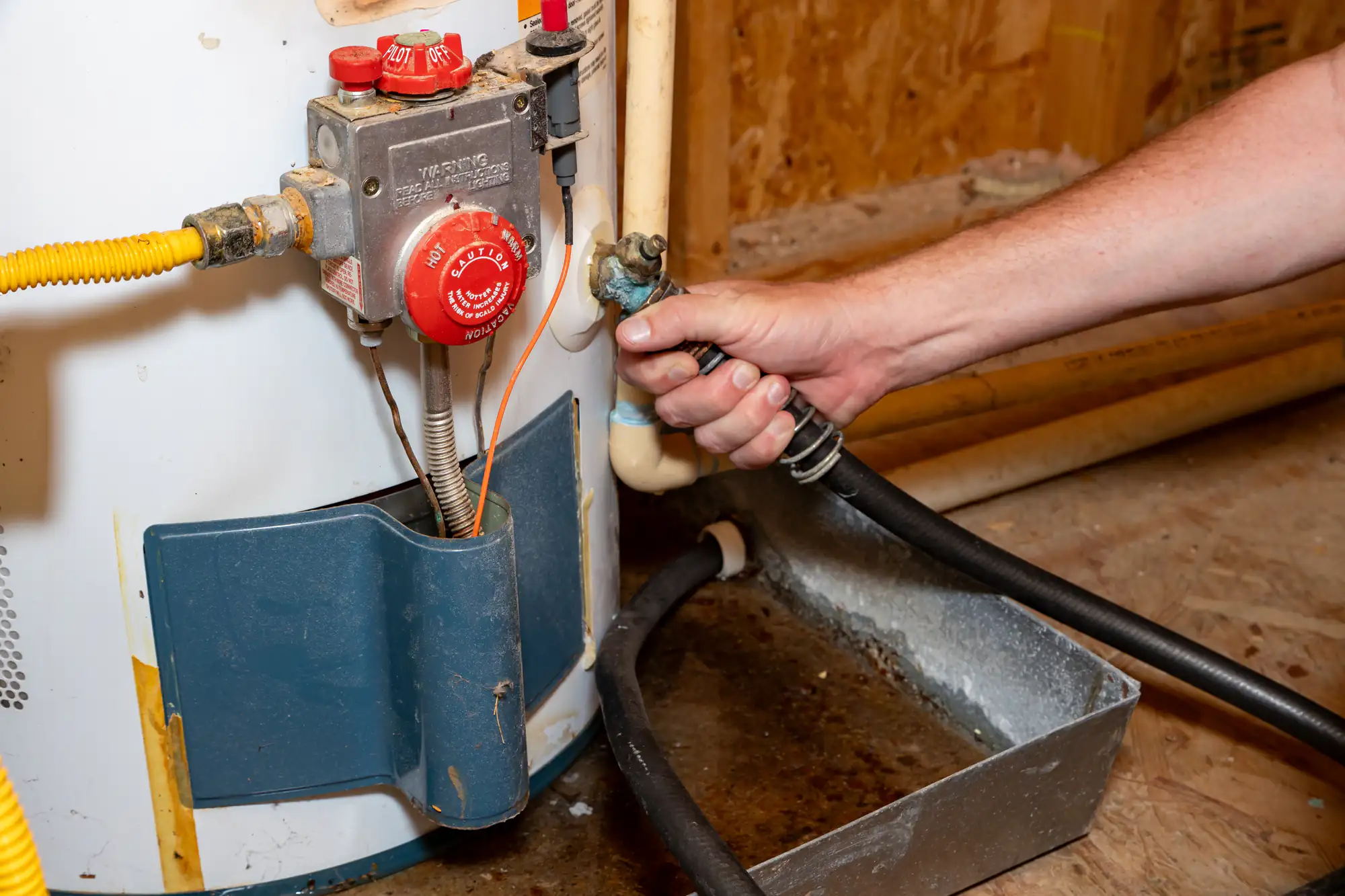
No and this is one of the most common misunderstandings among oil heat customers on the South Fork. When your heating oil company sends a technician for an annual tune-up, they’re servicing the burner unit: the nozzle, the filter, the ignition system, and the mechanical components of the boiler itself. That’s valuable work, but it stops at the boiler.
The chimney flue that carries combustion gases out of your home is a separate system entirely, and it requires different expertise specifically, someone trained in chimney inspection and cleaning, not just HVAC mechanics. Oil combustion produces soot and carbon deposits that accumulate in the flue over time. If that flue is partially blocked, cracked, or degraded, it affects how well combustion gases vent out of the house. In a worst-case scenario, it’s a carbon monoxide risk. Many North Sea homeowners first learn there’s a chimney issue when their oil delivery driver notices something during a routine visit and at that point, they need a chimney professional, not the HVAC tech who was already there. We handle the side of the system that your oil company doesn’t.
Yes, and it’s a more significant factor than most homeowners expect. The marine air along North Sea’s waterfront carries salt particles that settle on and inside metal surfaces chimney liner components, flashing, boiler exhaust connections, and any exposed metal in the system. Over time, that salt exposure accelerates corrosion at a rate that inland homeowners simply don’t experience.
A stainless steel chimney liner that might last 20 years in a Nassau County home can show meaningful deterioration in 12 to 15 years in a coastal property. Flashing around the chimney base is particularly vulnerable it’s exposed to both the salt air and the temperature cycling of a working chimney, which creates the conditions for early failure. Annual inspection is the only reliable way to catch this kind of corrosion before it becomes a structural issue or a safety concern. Properties closer to North Sea Harbor or along the waterfront areas of Southampton Shores tend to see this wear more aggressively than homes set further back from the water. If your home is in that zone, the case for annual professional inspection is even stronger.
Skipping one year feels low-risk in the moment, but the effects compound in ways that aren’t obvious until something goes wrong. The most direct consequence is efficiency loss. Research confirms that just one millimeter of soot on boiler heat transfer surfaces reduces efficiency by three to four percent and raises flue gas temperatures measurably. For a North Sea homeowner paying South Fork heating oil prices, that inefficiency costs real money on every delivery and it adds up across a full heating season.
Beyond the fuel cost, there’s the warranty issue. Most boiler manufacturers require documented annual professional maintenance to keep the warranty valid. A skipped year can void that coverage, which matters significantly if a component fails and you’re looking at a repair or replacement bill. And then there’s the safety dimension: soot and carbon deposits in the flue are cumulative. A blocked or partially obstructed flue doesn’t just reduce efficiency it creates the conditions for carbon monoxide to back up into the living space rather than vent properly. None of these risks announce themselves in advance. They develop quietly, which is exactly why annual cleaning exists.
A boiler that’s been sitting in a vacant coastal property since spring needs a professional inspection before you rely on it for the heating season not a quick visual check, a real service call. Several things can happen to a dormant system over a humid South Fork summer that aren’t visible from the outside.
Chimney flues in unoccupied homes are prime nesting sites for birds and small animals during the warmer months. A nest in the flue creates a blockage that prevents combustion gases from venting properly and the homeowner often has no idea it’s there until the boiler runs. Moisture infiltration is another concern: coastal humidity can introduce condensation into the boiler and flue system during the off-season, which accelerates internal corrosion. And any soot that settled during the last heating season has had months to harden and become more difficult to remove. Scheduling a professional boiler cleaning and inspection before the first cold night in October is the straightforward way to address all of this at once. For seasonal homeowners in North Sea, it’s worth building into the fall property preparation routine alongside the other systems you check when you return.
The most important credentials to verify are Suffolk County licensing and proof of insurance. Suffolk County requires its own consumer affairs licensing for home improvement contractors it’s not covered by a general New York State business license. You want to see a valid Suffolk County Consumer Affairs license number, and you want to confirm the company carries both liability insurance and workers’ compensation. Ask for a certificate of insurance before work begins, not just verbal confirmation.
Beyond the county licensing, look for CSIA certification the Chimney Safety Institute of America credential is the industry’s recognized standard for chimney and boiler flue professionals. It requires passing a rigorous written exam and ongoing continuing education, and you can verify it directly through the CSIA’s online lookup tool. Membership in the National Chimney Sweep Guild is another signal that a company takes the trade seriously. What you want to avoid is a company that can speak confidently about the boiler unit but has no real expertise in the chimney flue side of the system because in an older North Sea home with a masonry chimney and an oil boiler, both sides of that system need qualified attention. We carry Suffolk County licensing, liability insurance, and workers’ compensation, and use only UL-listed materials on all installations.
Other Services we provide in North Sea