

When your boiler and its exhaust pathway are both clean, your system runs the way it was designed to. Heat transfers more efficiently, combustion gases vent the way they’re supposed to, and the boiler isn’t working harder than it needs to just to keep up with a cold January night on the South Shore.
For North Wantagh homeowners, that matters more than it might in a newer suburb. The median home here was built in 1956, and the oil boilers in these houses along with the chimney flues they connect to have been accumulating soot, scale, and debris for decades. A single millimeter of soot on a boiler’s heat exchange surfaces reduces efficiency by 3 to 4 percent. When you’re already paying Northeast heating oil prices, that lost efficiency shows up directly on your fuel bill every delivery.
The other thing that changes is peace of mind. A dirty boiler with a partially blocked flue isn’t just inefficient it’s a carbon monoxide risk. Once the system is clean and the exhaust pathway is clear, you’re not just saving money on fuel. You’re removing a genuine safety concern from your home, which matters a lot when your family is inside on a cold weekend.
We’re headquartered in Bethpage, about three miles northeast of North Wantagh. When you call for service, you’re not getting a regional company dispatching someone from across the island. You’re getting a team that works in this part of Nassau County every day and knows exactly what aging South Shore homes look like on the inside.
Ageless Chimney holds Nassau County licensure, carries both liability insurance and workers’ compensation, and has maintained an “A” rating with the BBB along with Angie’s List award recognition for six consecutive years. That kind of sustained track record isn’t built on one good season it’s built on showing up on time, doing the job completely, and leaving the property exactly as clean as we found it.
Every material we install is UL listed and up to code. And if a technician looks at your system and determines you don’t need something you called about, we’ll tell you that too.

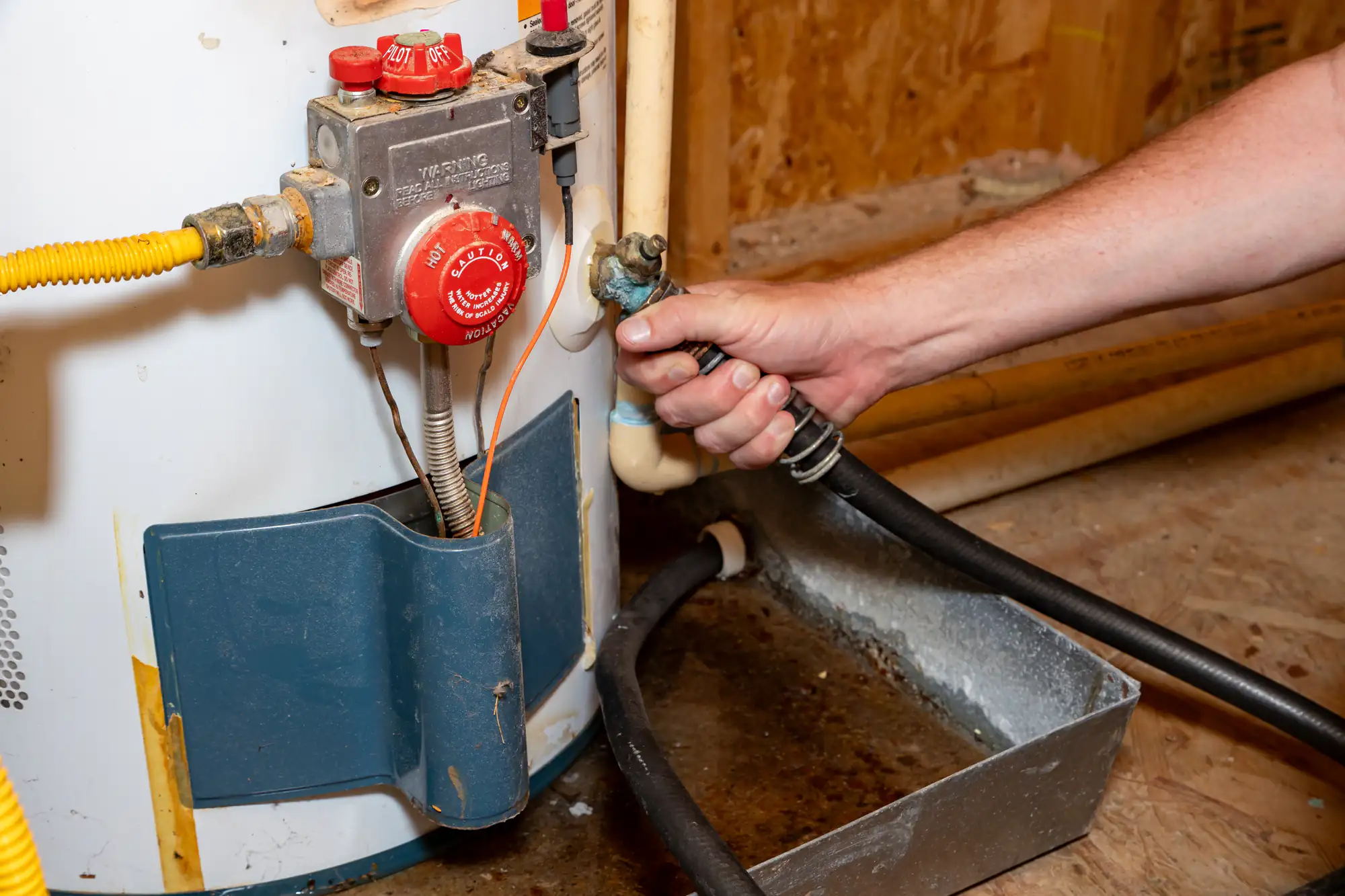
Most North Wantagh homes are mid-century single-family builds heated with oil, and our boiler service process reflects that. The visit starts with a full visual inspection of the boiler, its piping, and its connections looking for corrosion, leaks, or anything that signals a problem before the cleaning even begins.
From there, we clean the heat exchanger and burners to remove the soot and debris that build up over a heating season and reduce how efficiently the system transfers heat. After the mechanical side is addressed, we inspect and clean the flue the exhaust pathway that runs from the boiler up through the chimney. This is the step that most HVAC and plumbing companies in the area skip entirely, because they’re not chimney specialists. In a home built in the 1950s with an older liner system, this is also the step that matters most for safety. Blocked or partially restricted flues are one of the primary causes of combustion gas backdrafting.
The visit wraps with safety control testing, a check of combustion performance, and a clear explanation of anything that needs attention. Most residential boiler cleanings take one to two hours. If you’re scheduling before the heating season which is the best time to do it you’ll have everything sorted before the first real cold snap comes through off the water.
Ready to get started?
What sets Ageless Chimney apart from the HVAC and oil burner companies competing for North Wantagh homeowners’ business is scope. Every local competitor found when you search for boiler cleaning near North Wantagh is a plumbing or HVAC company. They service the mechanical boiler unit. They don’t inspect or clean the chimney flue, the liner, or the exhaust pathway that carries combustion gases out of your home. We do both, because we’re chimney specialists first not an HVAC company that added boiler service to a menu.
For a home on Wantagh Avenue’s surrounding streets or anywhere in the North Wantagh CDP, that distinction is real. The chimney systems in these homes are as old as the houses themselves, and many of them haven’t been inspected in years. A boiler cleaning that doesn’t include a flue inspection is an incomplete job, and in an older home with an oil boiler, it’s also a safety gap.
Ageless Chimney is licensed for Nassau County, which is the specific county-level credential required to do this work legally in North Wantagh. All materials we use in any repair or component replacement are UL listed. And because we also offer 24/7 emergency service, you have a direct line to a local, credentialed team if something goes wrong mid-winter not a call center, not a next-available appointment three days out.
For most North Wantagh homes, annual boiler cleaning is the right baseline and that’s not just a general recommendation. Most boiler manufacturers require annual professional maintenance to keep the warranty valid. If you skip a year, you may be voiding coverage without realizing it.
Beyond the warranty question, North Wantagh’s housing stock makes annual service especially important. Homes built in the 1950s and 1960s with oil-fired boilers accumulate soot faster than newer, tighter-tolerance systems. Oil combustion produces more particulate than gas, which means the heat exchanger and flue both need regular attention to stay clean. A year of buildup in one of these older systems isn’t trivial it’s measurable efficiency loss and a growing safety risk. Annual cleaning keeps both in check before they become a real problem.
Your oil delivery company whether that’s General Utilities, Meenan out of their Wantagh depot, or another provider typically services the burner unit itself. They’re checking and adjusting the mechanical components that control combustion: the nozzle, the filter, the ignition system. That’s valuable, but it’s not the same as a full boiler cleaning.
A professional boiler cleaning covers the heat exchanger, the fireside surfaces where soot accumulates, the combustion chamber, and critically, the flue the exhaust pathway that runs from the boiler up through the chimney. Your oil company doesn’t clean the flue. They’re not chimney specialists, and that part of the system isn’t in their scope. In a mid-century North Wantagh home where the chimney liner may be original or an early replacement, the flue is the part of the system most likely to have buildup, restriction, or damage that affects both efficiency and safety.
Yes, and the math is straightforward. A single millimeter of soot on a boiler’s heat exchange surfaces reduces efficiency by 3 to 4 percent. That means the boiler burns more oil to produce the same amount of heat and every delivery costs more than it should.
For North Wantagh homeowners, this is particularly relevant. The Northeast consistently has some of the highest heating oil prices in the country. If your boiler is running at reduced efficiency because it hasn’t been cleaned, you’re paying a premium price for fuel and then losing a portion of what you paid for to soot buildup. Annual boiler cleaning restores that efficiency. Over the course of a full heating season, the fuel savings alone can offset a significant portion of the cleaning cost and that’s before you factor in the avoided repair costs that come from catching problems early.
Soot and scale buildup is cumulative. Skipping one year doesn’t just mean you’ll have double the buildup to deal with next year it means that buildup has been sitting on heat transfer surfaces, restricting airflow in the flue, and potentially accelerating corrosion in components that are already dealing with the moisture and humidity that comes with living on Long Island’s South Shore.
The practical consequences range from a measurable drop in heating efficiency and higher fuel bills to more serious issues: restricted draft in the flue, increased carbon monoxide risk, and the kind of component wear that turns a $200 to $500 annual cleaning into a much more expensive repair. On Long Island, boiler pump replacements run $400 to $900, zone valves run $350 to $700, and full boiler replacements cost $5,500 to $15,000 installed. Annual cleaning is the most cost-effective thing you can do to push those expenses further into the future.
They’re related but not the same and the distinction matters for North Wantagh homeowners with oil boilers. Boiler cleaning focuses on the mechanical unit: the heat exchanger, burners, combustion chamber, and ignition system. Chimney cleaning focuses on the exhaust pathway: the flue, the liner, and the chimney structure itself.
The problem is that most boiler service companies only do the first part. They clean the boiler unit and leave the flue untouched. Most chimney companies, on the other hand, may not be set up to service the boiler side of the system. We handle both, because a boiler and its chimney flue are one connected system not two independent services. In an older home where both the boiler and the chimney have decades of use behind them, having one qualified company inspect and clean the complete system is the only way to know the whole thing is actually safe and working properly.
Yes. We offer 24/7 emergency service, and that’s not a formality it’s something North Wantagh homeowners have actually relied on. When your heat goes out on a Saturday morning in January and the temperature is in the 20s, you can’t wait until Monday for an appointment slot. The commuter lifestyle in this community means most people are home on weekends, which is exactly when a boiler failure goes from inconvenient to urgent.
Ageless Chimney is based in Bethpage, directly next to North Wantagh, which means response times for emergency calls in this area are short. A technician who knows Nassau County’s roads and the housing stock in this part of the South Shore can be at your door quickly not dispatched from across the island. If you’re already past the point of preventive maintenance and you need someone now, that’s a call we’re equipped to take any time of day or night.
Other Services we provide in North Wantagh