

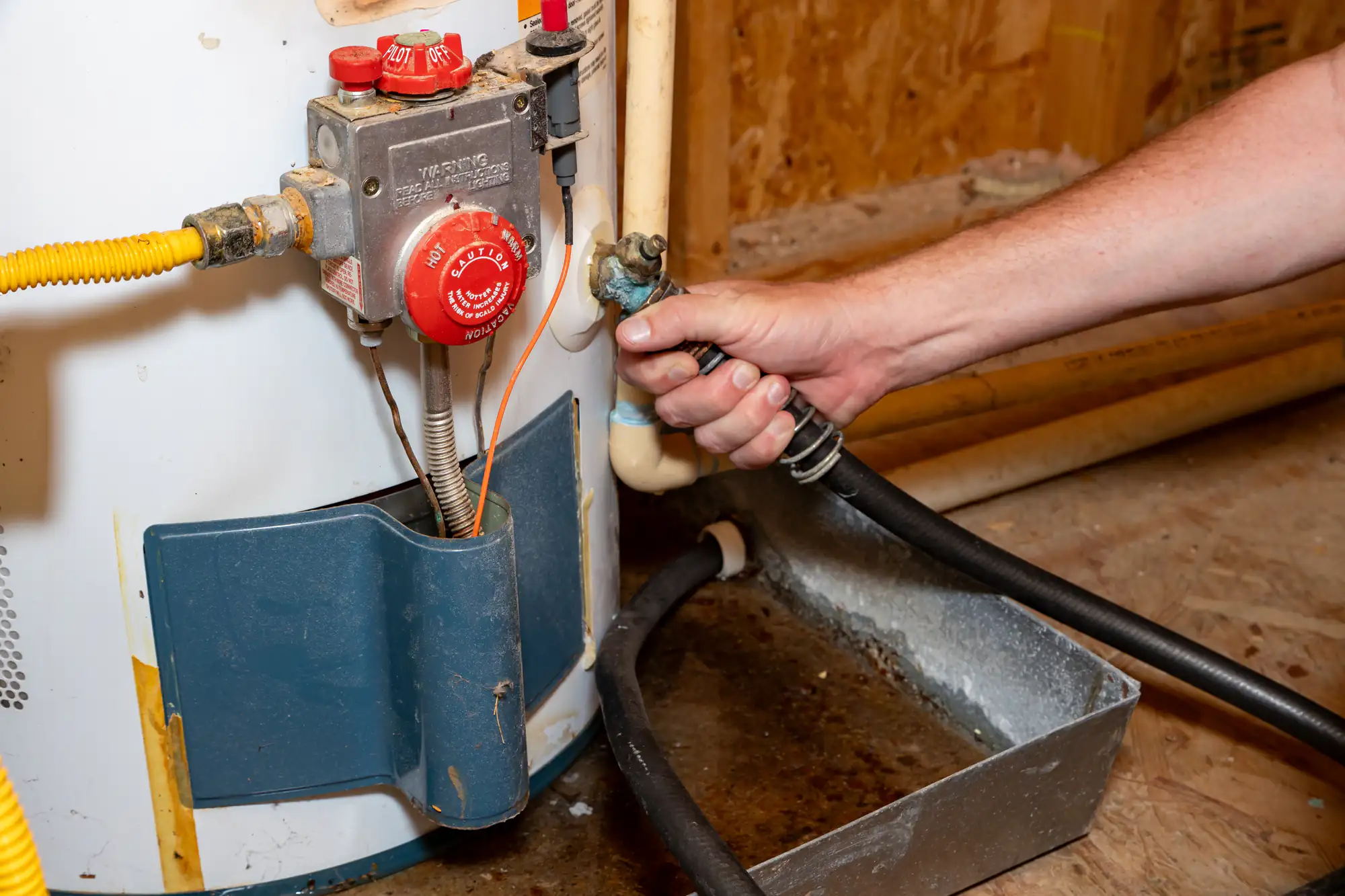
Just one millimeter of soot buildup on your boiler’s heat transfer surfaces can drop its efficiency by three to four percent. For a Panamoka household running an oil-fired system through a six-month heating season, that’s not an abstract number it shows up on your oil bill every single month. A professionally cleaned boiler burns less fuel to produce the same heat, and that difference compounds over a full winter.
Panamoka’s inland position, sitting away from the moderating influence of Long Island Sound, means your boiler works harder and longer than systems in coastal communities to the north. When overnight temperatures drop and stay down, you need that system running at full efficiency not fighting through a season’s worth of accumulated soot and combustion residue.
There’s also the flue to think about. Homes near the Long Island Central Pine Barrens deal with something coastal towns don’t: woodland wildlife looking for a warm place to nest. Squirrels, raccoons, and birds are well-documented visitors to chimney flue openings in Panamoka, and a blocked boiler flue isn’t just an efficiency problem. It’s a carbon monoxide risk. Our complete boiler cleaning service addresses the full system burner, heat exchanger, and flue so you’re not just clean on paper.
We’re based in Bethpage and serve all of Suffolk County, including the Rocky Point and Panamoka area. We’ve earned an “A” rating with the BBB and won awards from both the BBB and Angie’s List for six consecutive years not a one-time recognition, but a sustained track record that homeowners across Long Island can verify independently.
What actually sets us apart isn’t a slogan. Our technicians have been documented telling customers they didn’t need a service they called about. In an industry where upselling older systems is common, that kind of honesty is the reason people in communities like Panamoka call back year after year instead of shopping around.
We carry Suffolk County-specific licensing, liability insurance, and workers’ compensation coverage. Every material we install is UL listed. For a Panamoka homeowner inviting someone into an older home with an aging boiler system, those aren’t small details.
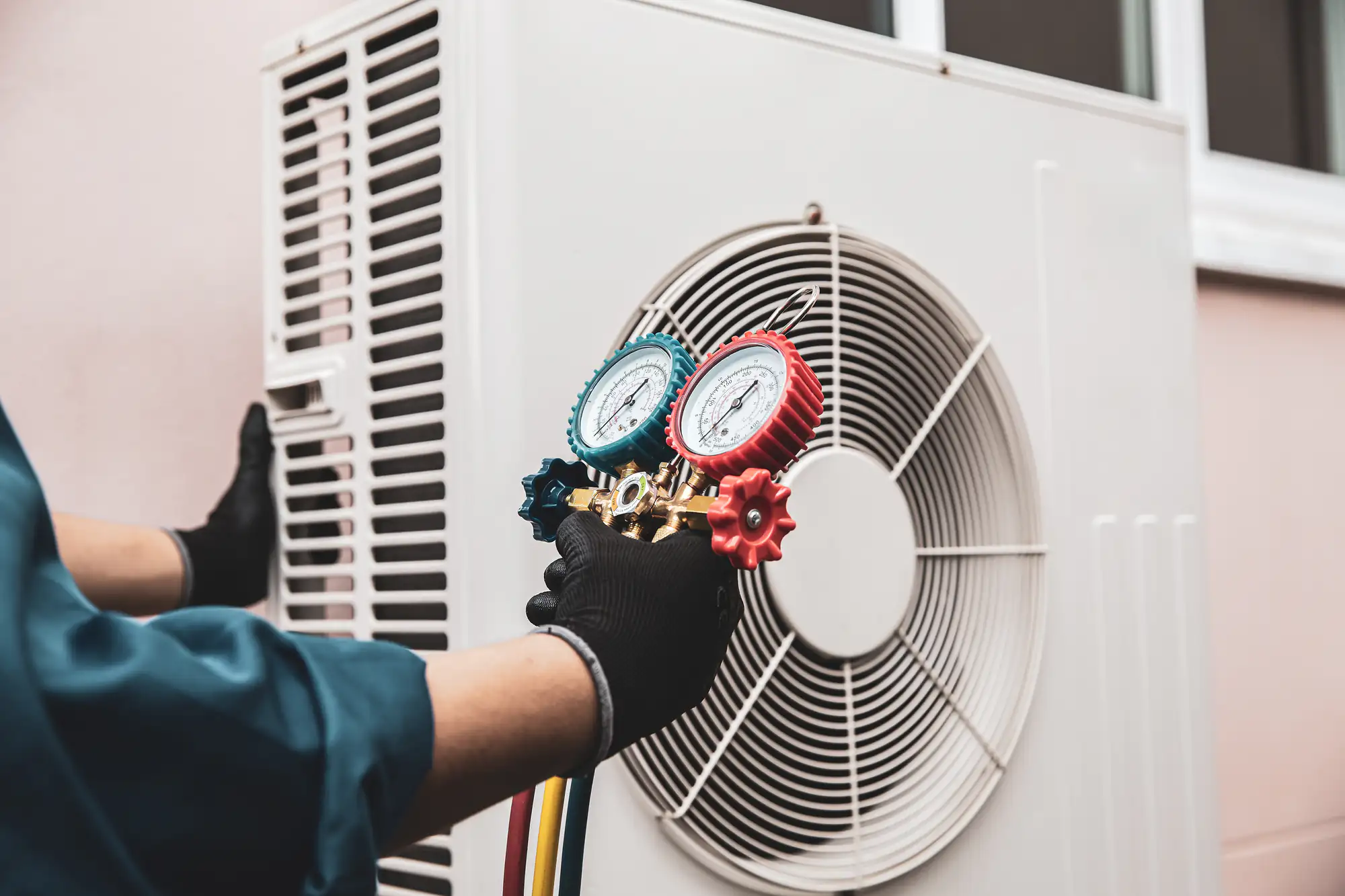
The visit starts with a full visual inspection the boiler unit itself, the piping, connections, and any visible signs of corrosion, leaks, or wear. For homes in Panamoka, where a lot of the housing stock dates back to the 1950s through 1980s, this initial walkthrough often turns up things you didn’t know were there. That’s not a sales setup it’s just the reality of older systems that haven’t been looked at in a while.
From there, we clean the heat exchanger, burners, and ignition components, removing the soot and combustion residue that builds up over a heating season of burning oil. A combustion analysis follows this is where the air-to-fuel ratio gets measured and adjusted, which is what actually improves efficiency and reduces the carbon monoxide risk that comes with incomplete combustion. The flue gets inspected and cleaned as well, including a check for obstructions. In wooded areas like Panamoka, that step matters more than most homeowners realize until they see what comes out.
The visit wraps with safety control testing pressure valves, thermostats, electrical connections, and safety shutoffs and a straightforward report on anything that needs attention. Most residential boiler cleanings take around one to two hours. You’ll know exactly what was found and what, if anything, needs follow-up before you write a check.
Ready to get started?
Most HVAC companies that offer boiler cleaning stop at the mechanical unit. They clean the burner, check the pressure, and call it done. What they don’t touch is the chimney flue the exhaust pathway that connects your boiler to the outside. For a Panamoka home with a masonry chimney that’s been in place since the house was built, that flue is part of the system too, and it needs the same attention.
We cover the full picture: burner and heat exchanger cleaning, combustion analysis, flue inspection and cleaning, obstruction removal, safety control testing, and a written assessment of the system’s condition. For older oil boilers connected to aging chimney liner systems which describes a significant portion of the housing stock in the Rocky Point and Panamoka area that full-system approach is the only way to know everything is actually working safely and efficiently.
This matters for another reason too. Most boiler manufacturers require documented annual professional maintenance to keep the warranty valid. Skipping a year doesn’t just mean a dirtier boiler it can mean a voided warranty on a system that might cost anywhere from $5,500 to $15,000 to replace if something goes wrong. Routine boiler cleaning and inspection in the New York area typically runs between $200 and $500. The math isn’t complicated.

Once a year is the standard recommendation, and it’s not arbitrary. Oil-fired boilers which are the dominant heating system in older Panamoka homes produce more soot and combustion byproduct per cycle than gas systems. That residue accumulates on the heat exchanger and inside the flue throughout the heating season, and by the time spring arrives, you’ve got a full season’s worth of buildup sitting in the system.
The best time to schedule is late summer or early fall, before the heating season begins. In Panamoka, where the boiler may run from October through April with few breaks, getting the cleaning done in August or September means any issues that turn up a worn seal, a partially blocked flue, a deteriorating liner can be addressed before the first cold night, not during it. Waiting until November when everyone else is calling means longer lead times and less flexibility if something needs repair work alongside the cleaning.
Your oil delivery company typically sends a technician to service the burner unit they’ll clean the nozzle, check the filter, adjust the flame, and make sure the mechanical side of the burner is running properly. That’s valuable work, but it stops at the boiler itself.
What it doesn’t include is the chimney flue. The exhaust pathway that carries combustion gases out of your home through the flue pipe, into the chimney, and out the top is a separate system that requires different tools, credentials, and expertise. Soot and debris accumulate in that flue independently of what the burner technician does. In a Panamoka home with a masonry chimney that’s been in place for decades, that flue may not have been professionally cleaned in years, regardless of how faithfully you’ve kept up with oil burner service. The two services complement each other they don’t replace each other.
Yes, and it’s one of the more serious risks associated with deferred boiler maintenance. When the flue is partially or fully obstructed by soot buildup, a collapsed liner section, or a wildlife nest combustion gases can’t exit the system properly. The result is backdrafting, where those gases, including carbon monoxide, are pushed back into the living space instead of venting outside.
New York State requires carbon monoxide detectors in all one- and two-family homes within 15 feet of a CO source, which includes your boiler. That requirement exists because CO is odorless and colorless you won’t know it’s there until it’s already a problem. For homes in Panamoka surrounded by woodland, the wildlife obstruction risk is real and documented. Squirrels, raccoons, and birds routinely find their way into chimney flue openings, particularly in fall when they’re looking for shelter. A blocked flue from a nest isn’t just a nuisance it’s a direct CO pathway into your home. Annual boiler flue cleaning catches these obstructions before they become emergencies.
It matters more than most people expect, and the effects are cumulative. Soot and scale don’t reset between seasons they build on what was already there. A boiler that missed one annual cleaning doesn’t just have one year’s worth of buildup; it has whatever was left from before plus everything added during the skipped season. That compounding effect accelerates corrosion, reduces heat transfer efficiency, and increases the load on components that were already working harder than they should.
There’s also the warranty issue. Most boiler manufacturers require documented annual professional maintenance as a condition of the warranty. If your boiler develops a problem and you can’t show a service history, the manufacturer has grounds to deny the claim. For a system that costs between $5,500 and $15,000 to replace on Long Island, that’s a significant financial exposure for the price of skipping a cleaning that typically runs between $200 and $500 in the New York area. One skipped year rarely causes a catastrophic failure, but it rarely leaves the system better off either.
Professional boiler cleaning and inspection in the New York area typically runs between $200 and $500, depending on the scope of work, the size and type of the system, and whether any additional services like flue cleaning, obstruction removal, or minor repairs are needed alongside the standard cleaning. Gas and oil boiler cleaning as part of an overall service generally falls in the $150 to $350 range based on national data, with the New York market running toward the higher end of that spectrum given local labor and travel costs.
For older homes in Panamoka and Rocky Point, where the boiler may be connected to an aging masonry chimney with a liner that hasn’t been inspected in years, the initial visit sometimes turns up additional work that’s worth addressing while we’re already on site. That’s not a bait-and-switch it’s just the reality of older systems. We’ll tell you what we found, explain what it means, and let you decide what to do next before any additional work begins.
Yes. Our service area covers all of Suffolk County, and the Rocky Point and Panamoka area falls within our documented service geography. The distance from our Bethpage base is real roughly 40 to 50 miles depending on the route but it’s a route we make regularly for Suffolk County customers, and our track record on punctuality is consistent across the reviews. Multiple customers specifically note that work started and ended on time, which matters when you’re taking time out of your day for a service call.
For Panamoka homeowners specifically, the more relevant question is whether we understand the type of system you’re likely dealing with. The Rocky Point corridor has a high concentration of older oil-fired boiler systems in homes built between the 1950s and 1980s exactly the kind of work we’re built around. We hold Suffolk County-specific licensing, which is the credential that actually applies to your property, and we carry both liability insurance and workers’ compensation. If you’ve been hesitant to call a company based further west, the licensing, the reviews, and the six-year award streak are the things worth looking at before you decide.
Other Services we provide in Panamoka