

Most boiler cleaning calls in Patchogue Highlands start the same way the oil delivery company flags something, or the heat bill creeps up, or the system starts making a noise it didn’t make last winter. By the time you’re searching for help, you’ve already been losing efficiency for longer than you realize. A single millimeter of soot on your boiler’s heat transfer surfaces can drop efficiency by three to four percent. That doesn’t sound like much until you’re burning two, three, or four thousand dollars of heating oil every winter on Long Island.
What you get after a proper boiler cleaning isn’t just a cleaner unit. Your system runs closer to its designed efficiency, your fuel goes further, and you’re not sitting on a buildup that’s quietly working against you every time the thermostat kicks on. For homes in Patchogue Highlands that were built between the 1940s and 1990s many of which still have the original or early-replacement chimney flue liner that buildup isn’t just an efficiency problem. It’s a safety concern.
The south shore location makes this more urgent than it might be for homeowners further inland. The humidity off Great South Bay accelerates corrosion inside older flue liners and exhaust connectors. A system that looks fine from the outside can have real deterioration happening in the exhaust pathway that only a thorough inspection will catch. That’s the difference between a company that cleans the burner box and one that looks at the whole system from the boiler to the chimney top.
We’re based in Bethpage and have been serving Patchogue Highlands and surrounding Suffolk County homeowners for years. We’ve earned Angie’s List and BBB recognition six years running. That’s not a one-time rating. That’s a pattern, and patterns are harder to fake than a single good review.
What sets us apart in a market where plenty of companies will show up and tell you everything needs replacing is the opposite approach. There are documented cases where our technicians told homeowners they did not need the service they called about. In a neighborhood like Patchogue Highlands where residents have lived in the same homes for decades and have a healthy skepticism of contractors who always find something wrong that kind of honesty travels.
We carry liability insurance, workers’ compensation, and the county-specific licensing required for chimney and boiler work in Suffolk County. All materials we install are UL listed. When you’re inviting someone into a home you’ve owned for twenty or thirty years, that baseline matters more than any sales pitch.

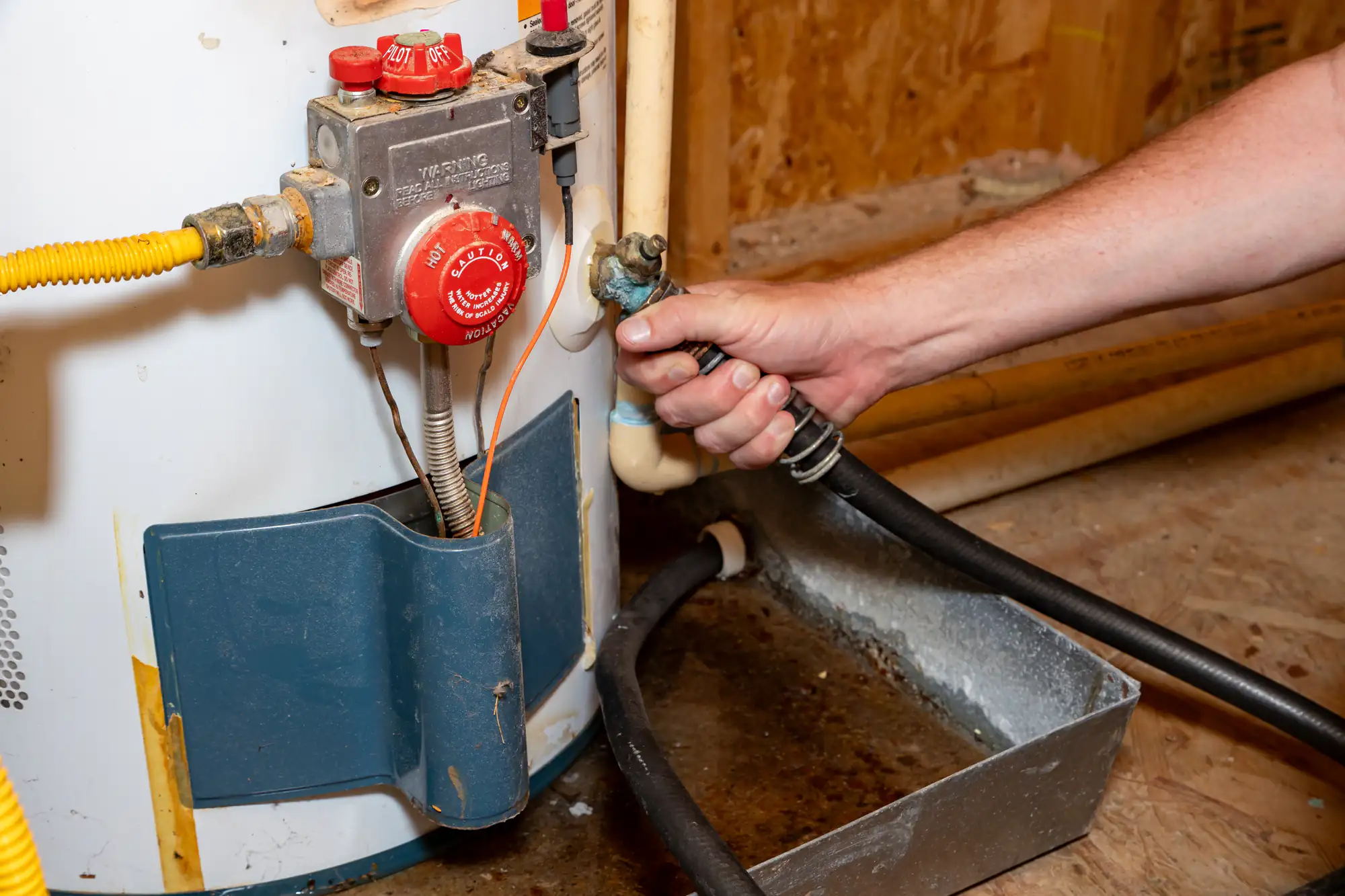
When one of our technicians arrives at your Patchogue Highlands home, we’re not just looking at the boiler in isolation. The visit starts with a full visual inspection of the boiler, the piping, and the connections checking for corrosion, leaks, and anything that’s worn or out of place. From there, we clean the heat exchanger, burners, and ignition system, removing the soot and debris that reduce how efficiently your system transfers heat to your home.
After the mechanical components are addressed, we move to the flue. For homes along the south shore, this step is especially important. Older clay tile flue liners common in the mid-century and post-war homes throughout Patchogue Highlands crack and deteriorate over time, and coastal humidity speeds that process up. We check the entire exhaust pathway for blockages, liner damage, and proper venting. If there’s a nest, a buildup of debris, or a section of liner that needs attention, you’ll know before we leave.
The visit wraps up with a combustion analysis, safety control testing, and a clear explanation of anything we found. Most residential boiler cleanings take one to two hours. We clean up after ourselves that’s not a small thing when you’ve spent years keeping your home the way you like it. If there’s work that needs to happen beyond the cleaning, you’ll get an honest assessment of what it is and what it would cost. No pressure, no manufactured urgency.
Ready to get started?
Our boiler cleaning service covers what most HVAC and oil burner companies in the Patchogue area don’t the chimney side of the equation. Companies like Domino Oil Burner Service handle the mechanical burner unit. What they don’t touch is the flue liner, the chimney exhaust pathway, or any blockages between the boiler and the chimney cap. We handle both sides, which matters a lot when you’re dealing with a home that’s been standing for forty or fifty years and may have a clay tile liner that’s never been professionally inspected.
For Patchogue Highlands specifically, the combination of oil heat and coastal humidity creates conditions that demand more than a surface-level cleaning. Our service includes heat exchanger and burner cleaning, combustion analysis, flue inspection and cleaning, safety control testing, gas or oil pressure verification, and nest or obstruction removal if needed. Everything we install or replace uses UL-listed materials and meets current code requirements for Suffolk County and the Village of Patchogue.
If your boiler is still under manufacturer warranty, annual professional cleaning is typically required to keep that coverage valid. Skipping a year doesn’t just mean a dirtier system it can mean a voided warranty and a much larger bill if something fails. For homeowners in Patchogue Highlands who’ve invested in a property worth close to or above the neighborhood’s median home value, that’s a straightforward risk to manage. One annual cleaning is a fraction of what a boiler replacement costs on Long Island.

Once a year is the standard recommendation, and for homes in Patchogue Highlands, there are a few reasons why sticking to that schedule matters more than it might in other areas. Oil-fired boilers which are common throughout this part of Suffolk County’s south shore produce more soot and combustion deposits than gas systems. That buildup accumulates in the heat exchanger, the burners, and the flue, and it compounds over time. A single skipped year doesn’t just mean double the buildup it means corrosion and efficiency loss that’s harder to reverse.
The timing also matters. Summer is actually the best window to schedule your boiler cleaning in Patchogue Highlands. The system isn’t running, so there’s no disruption to your heat, and any issues a cracked flue liner, a corroded connector, a blocked exhaust can be addressed before the first cold snap hits. If you wait until October or November, you’re competing with every other homeowner in the area who had the same idea, and appointment availability gets tight fast.
This is one of the most common points of confusion for Long Island homeowners, and it’s worth being direct about. When your oil delivery company sends a technician for a burner tune-up, they’re servicing the mechanical burner unit the ignition system, the nozzle, the pump, the electrodes. That’s their job, and they do it. What they don’t do is clean the chimney flue, inspect the liner, or address anything in the exhaust pathway between the boiler and the chimney top.
For a Patchogue Highlands home with an oil boiler, that exhaust pathway is a separate system that needs its own attention. If there’s soot buildup in the flue, a cracked clay tile liner, a bird or squirrel nest in the chimney, or a blocked exhaust vent, your oil company isn’t going to find it or fix it that’s chimney work, not burner work. We cover both sides of the system, which is why a lot of homeowners in this area call us after their oil company flags something they can’t handle themselves.
It’s not overstated. A blocked or deteriorated flue can prevent combustion gases including carbon monoxide from venting properly out of your home. Carbon monoxide is colorless and odorless, and it doesn’t announce itself. For homes in Patchogue Highlands with older clay tile flue liners, which are prone to cracking and spalling over time, this is a real and specific concern. A liner that’s been in place since the 1960s or 1970s may have visible damage that’s allowing combustion gases to leak into the exhaust pathway in ways that aren’t safe.
Beyond carbon monoxide risk, a heavily sooted heat exchanger runs hotter than it should, which stresses the unit and shortens its lifespan. A blocked flue forces the boiler to work harder to push exhaust gases out, which reduces efficiency and increases wear. Neither of these is a dramatic failure they’re slow, quiet problems that get worse every season they go unaddressed. An annual inspection catches them while they’re still manageable.
Yes, and it’s one of the more underappreciated factors for homeowners on Long Island’s south shore. The proximity to Great South Bay and Patchogue Bay means year-round elevated humidity compared to inland Suffolk County communities. When that moisture combines with the acidic byproducts of oil combustion inside a chimney flue, it creates conditions that accelerate corrosion in metal components and deterioration in clay tile liners. Homeowners in Medford or Holbrook deal with a drier environment; homeowners in Patchogue Highlands are dealing with coastal air every day of the year.
In practical terms, this means flue liners, exhaust connectors, and metal chimney caps in Patchogue Highlands tend to show wear faster than the same components in inland homes. It also means that a flue that looks intact from the outside may have interior spalling or cracking that only a proper inspection will reveal. This is part of why our inspection process includes a full look at the exhaust pathway, not just the burner the chimney side of the system is where coastal conditions do their damage.
The honest answer is that the longer the gap, the more you’re likely to find when a professional finally looks at the system. Soot and debris accumulate in layers, and each layer makes the next one worse the buildup traps moisture, accelerates corrosion, and reduces how effectively the heat exchanger transfers heat. By the time you’ve gone three or four years without a cleaning, you may be looking at measurable efficiency losses that have been quietly inflating your heating oil bills every winter.
In some cases, extended neglect also affects warranty coverage. Most boiler manufacturers require annual professional maintenance as a condition of the warranty. If something fails in a system that hasn’t been serviced in years, that coverage may not apply. For a Patchogue Highlands homeowner whose boiler is still within its warranty period, that’s worth knowing before a problem develops. The good news is that our technicians will give you an honest read on what they find including whether the system is in better shape than you feared. We’ve been known to tell customers they don’t need everything they thought they did.
The two things to verify before anyone touches your system are licensing and insurance. In New York, chimney and boiler work requires county-specific licensing a contractor licensed in Nassau County isn’t automatically licensed to work in Suffolk County, where Patchogue Highlands sits. Ask for proof of Suffolk County licensing specifically, not just a general business license. You also want to confirm they carry both liability insurance and workers’ compensation coverage. Liability protects your property if something goes wrong; workers’ comp protects you if a technician is injured on your property. Request a Certificate of Insurance, not just a verbal confirmation.
Beyond the legal baseline, look for industry credentials like CSIA certification, which is the Chimney Safety Institute of America’s professional designation for chimney and flue specialists. It requires passing a rigorous exam and ongoing continuing education it’s not something a company can claim casually. We operate in Suffolk County with the appropriate licensing and insurance, and our six-year track record with the BBB and Angie’s List gives you a documented, verifiable history of how we’ve treated customers in this area not just a marketing claim on a website.
Other Services we provide in Patchogue Highlands