
A clean boiler doesn’t just run it runs right. Heat transfers the way it’s supposed to, fuel burns more completely, and your system isn’t working twice as hard to make up for what soot has quietly taken away. Just one millimeter of soot on a boiler’s heat transfer surfaces is enough to drop efficiency by three to four percent and push flue gas temperatures up by as much as 25 degrees Celsius. In a Point Lookout home on oil heat, that inefficiency shows up on every delivery bill.
Point Lookout is different from most Long Island communities. More than half the homes here were built before 1940, with a median construction year of 1938. That means older boilers, older flue liners often original clay tile and chimney systems that have been absorbing decades of salt air off the Atlantic, Reynolds Channel, and Jones Inlet simultaneously. Salt air doesn’t just affect what’s on the outside of your home. It works its way into chimney caps, flashing joints, and metal components throughout your exhaust pathway, accelerating corrosion in ways that don’t show up until something fails.
Annual boiler cleaning catches those problems before they become emergencies. You get a heating system that’s efficient, a flue that’s clear, and the kind of confidence that matters when a nor’easter rolls in and Lido Boulevard isn’t somewhere you want to be making emergency calls from.
We are a Nassau County-based chimney and boiler cleaning company serving Point Lookout and the surrounding South Shore communities. We hold county-specific licensing for Nassau County the exact licensing required for work in Point Lookout, which falls under Nassau County jurisdiction and carry both liability insurance and workers’ compensation coverage.
For six consecutive years, we have earned an “A” rating with the BBB and award recognition through Angi. That’s not a one-time snapshot. It’s a track record built across hundreds of jobs in Point Lookout and neighboring communities, and in a place as tightly connected as this barrier island where under a thousand people live that kind of consistency is what gets a company recommended from one neighbor to the next.
What sets us apart from a standard HVAC company is the scope of what we actually clean. Most heating contractors stop at the mechanical unit. We work the full system from the burner and heat exchanger through the flue liner and up to the chimney crown. For the pre-war homes that make up the majority of Point Lookout’s housing stock, that full-system approach isn’t a bonus. It’s the whole point.

When we come out to your Point Lookout home, the job starts with a full visual inspection not just the boiler itself, but the connected flue system, the liner condition, and the chimney structure. In homes built before 1940, which describes the majority of properties here, that inspection often reveals details that a burner-only service would completely miss: cracked clay tile liners, corroded metal components from years of salt air exposure, or partial blockages from nesting that formed during the off-season.
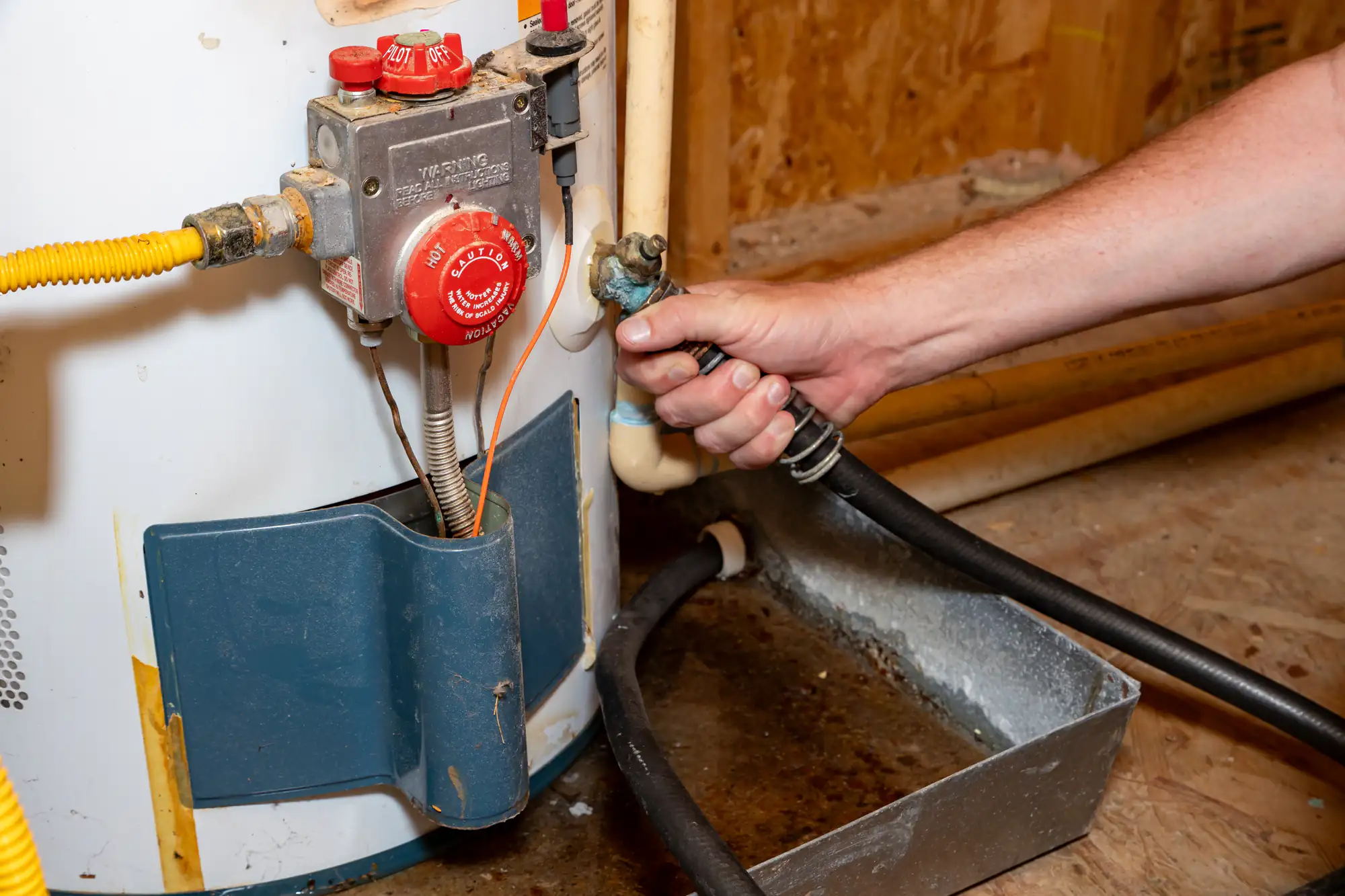
From there, we clean the heat exchanger and burner removing the soot and scale buildup that quietly reduces how much heat your boiler actually transfers to your home. A combustion analysis follows, checking the air-to-fuel ratio and adjusting it for optimal efficiency and minimal emissions. We inspect and clear the flue, test safety controls, and if there’s any evidence of nesting or debris in the chimney pathway common in Point Lookout homes that sit dormant through winter we address that as part of the same visit.
The whole process typically takes one to two hours for a residential system. We hold Nassau County licensing, so there’s no question about whether the work is being done by someone legally authorized to do it in this county. When the job is done, you’ll know exactly what was found, what was cleaned, and whether anything else needs attention no pressure, just a straight answer.

Ready to get started?
Point Lookout isn’t a typical Long Island service call. The homes here are older, the environment is harsher, and the access is different from anywhere else in Nassau County. Our boiler cleaning service is built around what these homes actually need not a standard HVAC checklist designed for a newer construction development in a mainland suburb.
The service covers the complete boiler and chimney system: burner cleaning, heat exchanger cleaning, flue inspection and clearing, chimney cap and crown assessment, safety control testing, and combustion analysis. For Point Lookout’s pre-war oil-heated homes, the flue liner condition is a particular focus older clay tile liners are prone to cracking under the freeze-thaw stress that a barrier island winter delivers, and a compromised liner is a carbon monoxide risk, not just an efficiency problem. Salt air corrosion on chimney caps and metal flashing is also assessed, because in this environment, what looks fine from the street may be failing at the joints.
For seasonal property owners and Point Lookout has a meaningful number of homes that sit closed from fall through spring we also handle pre-season inspections to ensure a boiler that’s been dormant through a coastal winter is safe to operate before it’s asked to work again. All materials used in any repairs or installations are UL listed and up to Nassau County code. The work is done by a licensed, insured team that knows the difference between a clean boiler and one that’s actually ready for a Point Lookout winter.

Once a year is the standard recommendation, and for Point Lookout homes, that schedule is worth taking seriously. The combination of older housing stock most homes here predate 1950, with a median construction year of 1938 and a salt air coastal environment means your boiler and chimney system are working under conditions that accelerate wear and buildup faster than they would in an inland Nassau County community.
Annual cleaning keeps soot from accumulating to the point where it measurably reduces efficiency and raises flue gas temperatures. It also gives a professional the chance to catch corrosion, liner deterioration, or blockages before they become safety issues. For seasonal property owners who close up their Point Lookout home for the winter, scheduling a cleaning in the fall before departure or in the spring before the heating system is reactivated is the practical approach you want to know the system is clean and clear before you rely on it.
Yes, and this is one of the most common misunderstandings among Long Island homeowners on oil heat. Your oil delivery company services the burner unit they check ignition, clean the nozzle, adjust the fuel delivery system. That’s the mechanical side of the boiler. What they don’t do is inspect or clean the chimney flue, assess the condition of the liner, clear blockages in the exhaust pathway, or evaluate the chimney cap and crown.
Those are separate systems, and they require chimney expertise, not HVAC expertise. In a Point Lookout home with a pre-war chimney and a clay tile liner that’s been exposed to decades of salt air and freeze-thaw cycles, the flue side of the system is often where the real problems live. A blocked or deteriorated flue doesn’t just reduce efficiency it can allow combustion gases, including carbon monoxide, to back up into your living space. Getting both sides of the system serviced by the right professionals is how you close that gap.
More than most homeowners expect. When a boiler sits dormant for several months especially in a coastal environment where humidity is consistently high condensation can form inside the heat exchanger and flue system. Over time, that moisture promotes rust on metal components and can cause clay tile liners to absorb water that then freezes and expands during cold snaps, accelerating cracking.
There’s also the nesting issue. Chimney openings that aren’t properly capped are attractive to birds and small animals during the months a home is unoccupied. A nest in the flue is a blockage, and a blockage in the flue means combustion gases have nowhere to go when the boiler fires up again. For Point Lookout seasonal property owners, a pre-season inspection and cleaning before the heating system is reactivated isn’t just good practice it’s how you avoid finding out about these problems when it’s 30 degrees outside and the heat isn’t coming on.
It does, and it’s more significant than most homeowners realize. Point Lookout sits at the eastern tip of Long Beach Barrier Island, with the Atlantic Ocean to the south, Reynolds Channel to the north, and Jones Inlet to the east. That’s a salt air environment on three sides, year-round not a seasonal coastal influence but a constant one. Salt-laden air is corrosive to metal components, and your boiler’s chimney system has several of them: the cap, the flashing, the liner joints, and any metal components in the exhaust pathway.
Corrosion in these areas doesn’t always show up as obvious rust or visible damage from the ground. It works at joints and seams first, creating gaps where combustion gases can escape or where water can enter. A chimney cap that looks intact from the street may have corroded fasteners that no longer hold it securely against a winter storm. Annual inspection by a chimney specialist not just an HVAC technician is the right way to catch this kind of deterioration before it becomes a structural or safety problem.
At minimum, you want to confirm Nassau County licensing, liability insurance, and workers’ compensation coverage. Nassau County has its own licensing requirements for chimney and heating contractors a statewide license alone doesn’t cover it, and working with an unlicensed contractor in Nassau County creates real liability exposure for you as a homeowner, especially in a property worth what Point Lookout homes are worth.
Beyond licensing, CSIA certification from the Chimney Safety Institute of America is the industry credential that separates chimney specialists from general HVAC companies. It requires passing a rigorous written exam and ongoing continuing education, and you can verify a technician’s certification directly through the CSIA’s online lookup tool. Ask for a Certificate of Insurance before work begins, not just a verbal assurance. A legitimate contractor won’t hesitate to provide it, and one who does hesitate is telling you something important.
We offer 24/7 emergency service, and that availability matters in Point Lookout in a way it doesn’t in most Long Island communities. There’s one road into and out of this community Lido Boulevard, connecting via Loop Parkway to the Meadowbrook State Parkway. In a serious winter storm, that corridor gets difficult fast. A boiler failure on a January night in Point Lookout isn’t a minor inconvenience it’s a genuine emergency in a community where you can’t easily relocate to a hotel down the block.
We have documented same-day emergency response in freezing conditions, including complex jobs completed after hours when homeowners had no heat. The distance from our Nassau County base to Point Lookout via the Meadowbrook State Parkway and Loop Parkway is manageable, and we know the South Shore. That said, the better answer to the emergency question is to not need one annual boiler cleaning done before heating season is how you make sure your system is reliable before the first nor’easter, not scrambling to find someone who can get to the end of a barrier island in the middle of one.
Other Services we provide in Point Lookout