

When your boiler is running clean, you feel it immediately the heat comes up faster, the system runs quieter, and you’re not burning extra fuel to compensate for soot buildup that’s been quietly strangling your efficiency all season. For a home in Robbins Rest, that efficiency matters more than most people realize. Heating oil isn’t cheap, and a boiler that’s working harder than it needs to because of accumulated debris is costing you money every single time it fires.
But in Robbins Rest specifically, there’s something more urgent than efficiency. Your home sits on a barrier island surrounded by the Atlantic and the Great South Bay, and that salt air doesn’t stop working just because your boiler does. Between seasons, when the system is sitting idle along Sextant Walk or Compass Walk, salt residue and moisture are combining with whatever soot was left in the flue from last winter. That mixture is more corrosive than soot alone, and it doesn’t announce itself it just shortens the life of your heat exchanger, your liner, and your chimney components quietly and steadily.
Getting a professional boiler cleaning done before the heating season means you’re not finding out about any of that the hard way. You’re walking into a home that’s ready to heat, with a system that’s been inspected, cleaned, and confirmed safe not one you’re crossing your fingers on after months of vacancy.
We’ve been recognized by both Angie’s List and the BBB every year for six consecutive years. That kind of track record doesn’t happen by accident it happens because the work is done right, the crew cleans up after themselves, and customers aren’t being sold services they don’t need. More than one homeowner in Robbins Rest has called us expecting to need a boiler sweep, only to be told honestly that they didn’t. That’s the kind of company worth calling.
We’re licensed for Suffolk County, which means we’re already operating in the same jurisdiction that covers Robbins Rest and the Town of Islip. We’ve been serving Fire Island communities for years this isn’t a company that treats the island as a difficult edge case. We understand what it takes to get to Robbins Rest, bring the right equipment, and complete the job in a single visit without needing to come back.
All materials we install are UL listed and up to code. We carry both liability insurance and workers’ compensation. When you’re booking a contractor remotely for a Fire Island property, those aren’t small details they’re the difference between a company you can trust and one you’re taking a chance on.
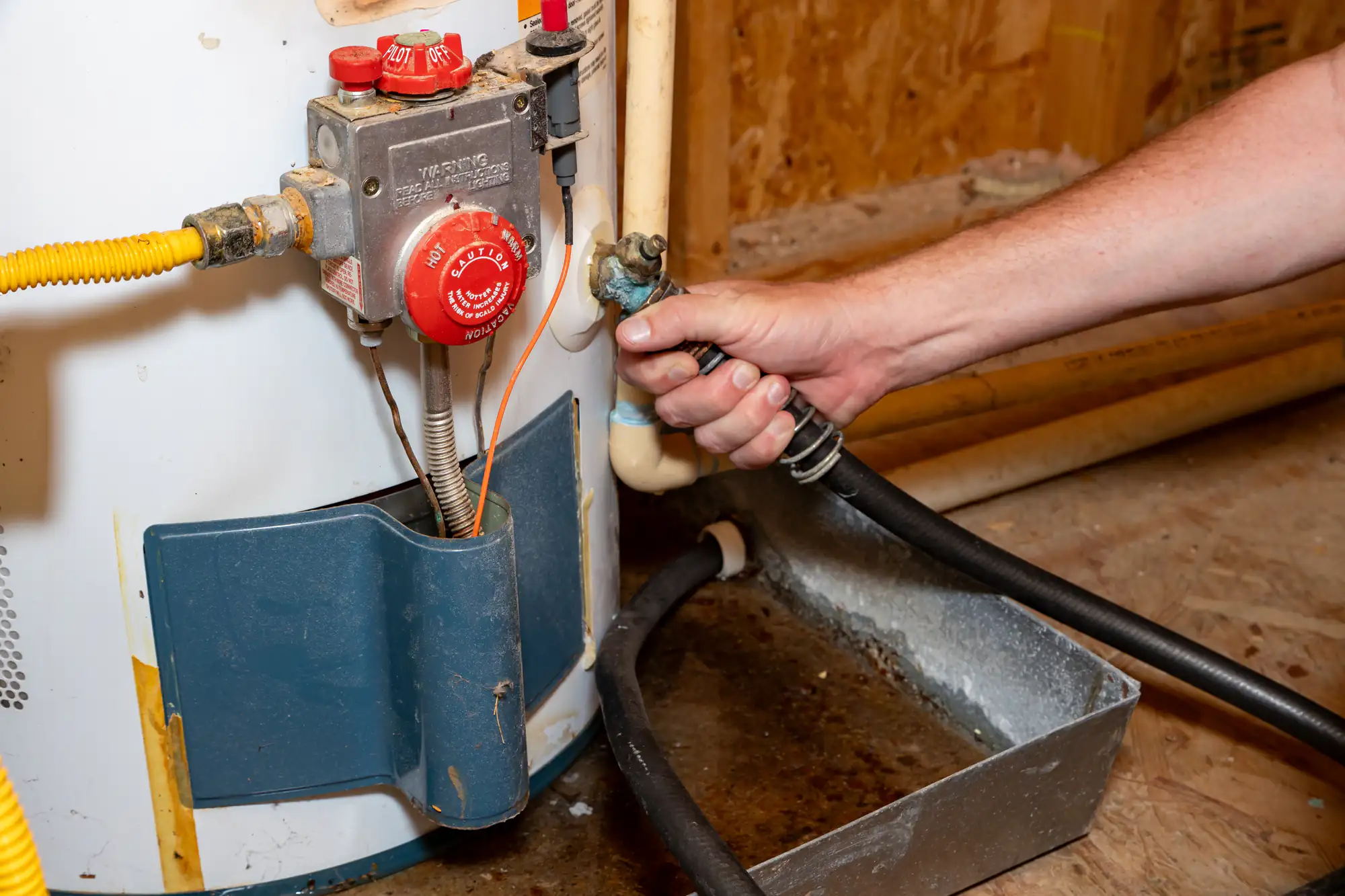
The process starts with a full visual inspection of the boiler, the piping, and all connections. We’re looking for corrosion, leaks, and anything that’s deteriorated since the last service and in a salt-air environment like Robbins Rest, that inspection carries more weight than it does for a mainland home. Salt air accelerates corrosion on metal components, so catching early-stage damage before it becomes a real problem is part of what makes annual service worth doing here.
From there, the heat exchanger and burner assembly are cleaned removing the soot and debris that reduce heat transfer efficiency. Oil boilers, which are the dominant fuel type on Fire Island, produce more combustion byproduct per cycle than gas, so this step isn’t optional if you want the system running at full efficiency. After the burner work is done, the flue is inspected and cleaned from the firebox up through the chimney, checking for blockages, cracks, liner condition, and proper venting of combustion gases. Nests and debris from the off-season are removed if present.
The visit wraps with safety control testing pressure valves, seals, thermostats, and safety shutoffs and a combustion analysis to confirm the air-to-fuel ratio is dialed in correctly. Because scheduling a contractor visit to Robbins Rest requires coordinating around the Ocean Beach ferry from Bay Shore, we come prepared to complete everything in one trip. You’ll know what was found, what was done, and whether anything needs attention before winter arrives.

Ready to get started?
Boiler cleaning in Robbins Rest isn’t the same job it is on the mainland, and the service we deliver reflects that. The older housing stock in this community homes that date back to the early 1900s, sitting along sand-surfaced walks with no road access presents a specific set of conditions that require experienced technicians who’ve worked with aging systems in demanding environments. We bring that experience to every visit.
Our full-system approach is what sets this service apart from what most HVAC companies offer. We cover the complete system not just the mechanical unit, but the flue, the liner, and the chimney from bottom to top. That’s the only way to know with confidence that combustion gases are venting safely and completely.
For seasonal properties in Robbins Rest, timing matters. The best window for boiler cleaning is either spring when the home is being reopened after winter vacancy or early fall, before the heating season begins. Scheduling in advance is especially important here because getting any contractor to the island requires ferry coordination from the Bay Shore terminal. We work within that reality, arrive prepared, and don’t leave you waiting on a return visit. All work is performed by licensed, insured technicians operating under Suffolk County requirements.
The standard industry recommendation is annual boiler cleaning, and that applies everywhere but for a home in Robbins Rest, the case for sticking to that schedule every year without exception is stronger than it is for a mainland property. The salt air on Fire Island is a documented corrosive agent. It attacks metal components year-round, including during the months when your heating system isn’t running at all. When salt residue combines with soot inside the flue, it creates a more aggressive corrosive environment than soot alone, and that accelerates deterioration of your heat exchanger, flue liner, and chimney hardware.
Most Robbins Rest homes sit vacant for extended periods often from Labor Day through late spring. During that time, condensation builds up inside the system, compounding the corrosion risk. A boiler that’s been idle for six or seven months and hasn’t been professionally cleaned and inspected before restart is a system you’re taking a real chance on. Annual cleaning removes the buildup, catches early-stage damage before it becomes a costly repair, and confirms that the flue is clear and venting properly before you fire the system up for the first time each season.
A thorough boiler cleaning covers the full system, not just the burner unit. We start with a visual inspection of the boiler, piping, and connections checking for corrosion, leaks, and deterioration. Then the heat exchanger and burner assembly are cleaned to remove soot and combustion deposits that reduce heat transfer efficiency. For oil boilers, which are common throughout Fire Island, this step is especially important because oil combustion produces more soot per cycle than gas.
After the burner work, the flue is inspected and cleaned checking for blockages, liner condition, cracks, and anything that could compromise safe venting of combustion gases. Safety controls are tested, including pressure valves, thermostats, and safety shutoffs. A combustion analysis is performed to verify the air-to-fuel ratio is set correctly. The visit ends with a clear summary of what was found and any recommendations for follow-up work. You leave knowing the full picture not just that someone showed up and ran through a checklist.
It’s a fair assumption, but the two services aren’t the same thing. When your oil delivery company looks at your boiler, they’re focused on the burner unit making sure it fires correctly and that the mechanical side of the system is functioning. That’s useful, but it doesn’t cover the chimney side of the equation. The flue, the liner, and the exhaust pathway from the boiler to the chimney top are separate from what an oil company typically inspects or cleans.
For a home in Robbins Rest, that distinction matters. The chimney flue on a Fire Island home is exposed to salt air, moisture, and the kind of seasonal temperature swings that accelerate wear on older liner systems. Soot and debris accumulate in the flue regardless of how well the burner is running, and a blocked or deteriorating flue is a carbon monoxide risk not just an efficiency issue. Professional boiler cleaning covers the full system, from the burner through the flue to the chimney top. That’s the part your oil company isn’t doing.
Scheduling for a Fire Island property works a little differently than it does for a mainland home, and any contractor worth calling already knows that. Because Robbins Rest has no road access, getting to the community requires coordinating around the Ocean Beach ferry from the Bay Shore terminal on Maple Avenue, or arranging water taxi access. That means same-day emergency calls are logistically harder to execute than they would be for a home in Bay Shore or anywhere else on the South Shore.
The practical takeaway is that advance scheduling matters more here than almost anywhere else. The best approach is to book your annual boiler cleaning well before the heating season ideally in late spring when you’re reopening the property, or in early fall before you need the heat. We’re already familiar with the Fire Island service environment and come prepared to complete the full job in a single visit, without needing to return for missed steps or forgotten equipment. When you call to schedule, have a sense of your preferred timing and any access notes for the property the more information upfront, the smoother the visit goes.
Yes, and it’s one of the more serious risks that comes with skipping annual maintenance. Carbon monoxide is produced during combustion, and under normal conditions it exits the home safely through the flue. When the flue is partially blocked by soot buildup, a debris nest from the off-season, or a deteriorating liner that’s collapsed inward those gases can’t vent properly and can back up into the living space. A blocked or compromised flue doesn’t always announce itself with obvious symptoms. The boiler may still fire, the heat may still come on, and nothing seems wrong until it is.
For a Robbins Rest home that’s been vacant for months, this is a real concern. Nesting activity in unoccupied chimneys is common, and the combination of soot accumulation and a potential obstruction from the off-season is exactly what a pre-season professional cleaning is designed to catch. We inspect the full flue pathway as part of the cleaning service not just the burner unit which means any obstruction or venting issue gets identified and addressed before you’re running the system with family in the house.
For most homes, skipping a year creates compounding problems soot and residue that weren’t removed harden and compact, making the next cleaning more involved and leaving the system running less efficiently in the meantime. Research on boiler combustion shows that just one millimeter of soot on heat transfer surfaces can reduce boiler efficiency by 3 to 4 percent and raise flue gas temperatures noticeably. That inefficiency doesn’t disappear on its own it costs you in fuel every time the boiler runs.
For a Robbins Rest home specifically, a skipped year carries additional weight. The salt air environment means corrosion is actively working on your system during any period it isn’t being professionally maintained. A year of deferred cleaning in a marine environment isn’t equivalent to a year deferred in an inland town the baseline rate of deterioration is higher here. Because getting a contractor to Fire Island requires planning around the ferry from Bay Shore, the window to address problems before they become emergencies is narrower than it is on the mainland. Staying on an annual schedule is the simplest way to stay ahead of all of it.
Other Services we provide in Robbins Rest