

Ronkonkoma is a community of post-war single-family homes, and a lot of them are still running on oil heat. That’s not a problem—but it does mean your boiler and the chimney flue connected to it are doing real work every winter, and that work leaves behind soot, scale, and combustion residue that builds up quietly over time.
Even a thin layer of soot on the heat transfer surfaces can drag down your boiler’s efficiency by three to four percent. That loss shows up directly on your fuel bills, especially when you’re paying Long Island oil prices. After a proper boiler cleaning, your system runs more efficiently, your fuel costs stabilize, and you’re not sitting on a problem that’s been developing inside the flue for years without anyone looking.
A local HVAC company that has done over 6,000 heating installations in this area has confirmed that the older homes near downtown Ronkonkoma mostly still have oil heat. Those systems need more than just a burner tune-up from the oil delivery company. They need the full exhaust pathway cleaned, from the heat exchanger through the flue to the chimney.
The other thing that changes is your peace of mind during the heating season. Ronkonkoma winters hit hard, and when you’re commuting into the city five days a week, you need to know the heat is running at home without anyone watching it. Annual boiler cleaning and inspection is how that confidence gets built—not from hoping, but from having a professional actually look at the whole system and tell you what’s there.
We’re based on Long Island and licensed for Suffolk County, which means when we come to Ronkonkoma, we’re not figuring out the area as we go. We already have customers here. Our existing Ronkonkoma and Lake Ronkonkoma service pages carry real reviews from real people in this community, including customers who name specific technicians by name and describe repeat visits over multiple years. That kind of track record doesn’t come from marketing—it comes from showing up on time, doing the job right, and leaving the property exactly as we found it.
What sets us apart in a market where upsell complaints are documented locally is that our technicians have been known to tell customers they don’t need a service they called about. That’s a rare thing in this industry, and it’s the reason our Angie’s List and BBB recognition has held for six consecutive years.
When you call Ageless Chimney for boiler cleaning in Ronkonkoma, you’re calling a company that already knows this neighborhood, already works in it, and has the credentials and the track record to back up every visit.
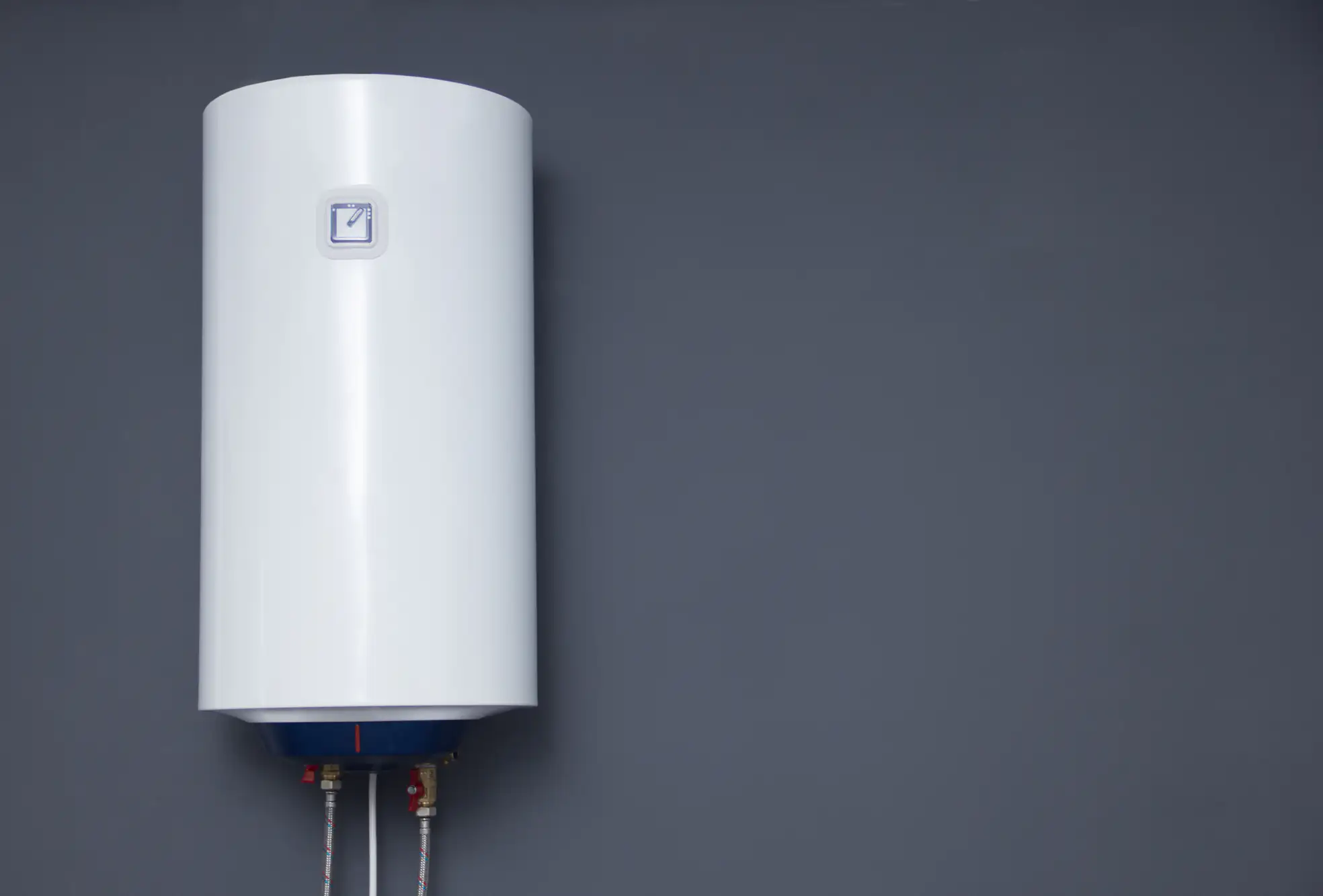
When our crew arrives at your Ronkonkoma home, the first thing we do is a full visual inspection of the boiler unit, piping, connections, and the condition of the flue system. For homes in Ronkonkoma’s older residential core, this inspection step matters more than most people realize. The original chimney liners in post-war homes can deteriorate over decades of use, and a liner that has crumbled or partially collapsed can restrict the boiler’s exhaust pathway to a dangerous degree. An inspection that skips the flue is not a complete inspection.
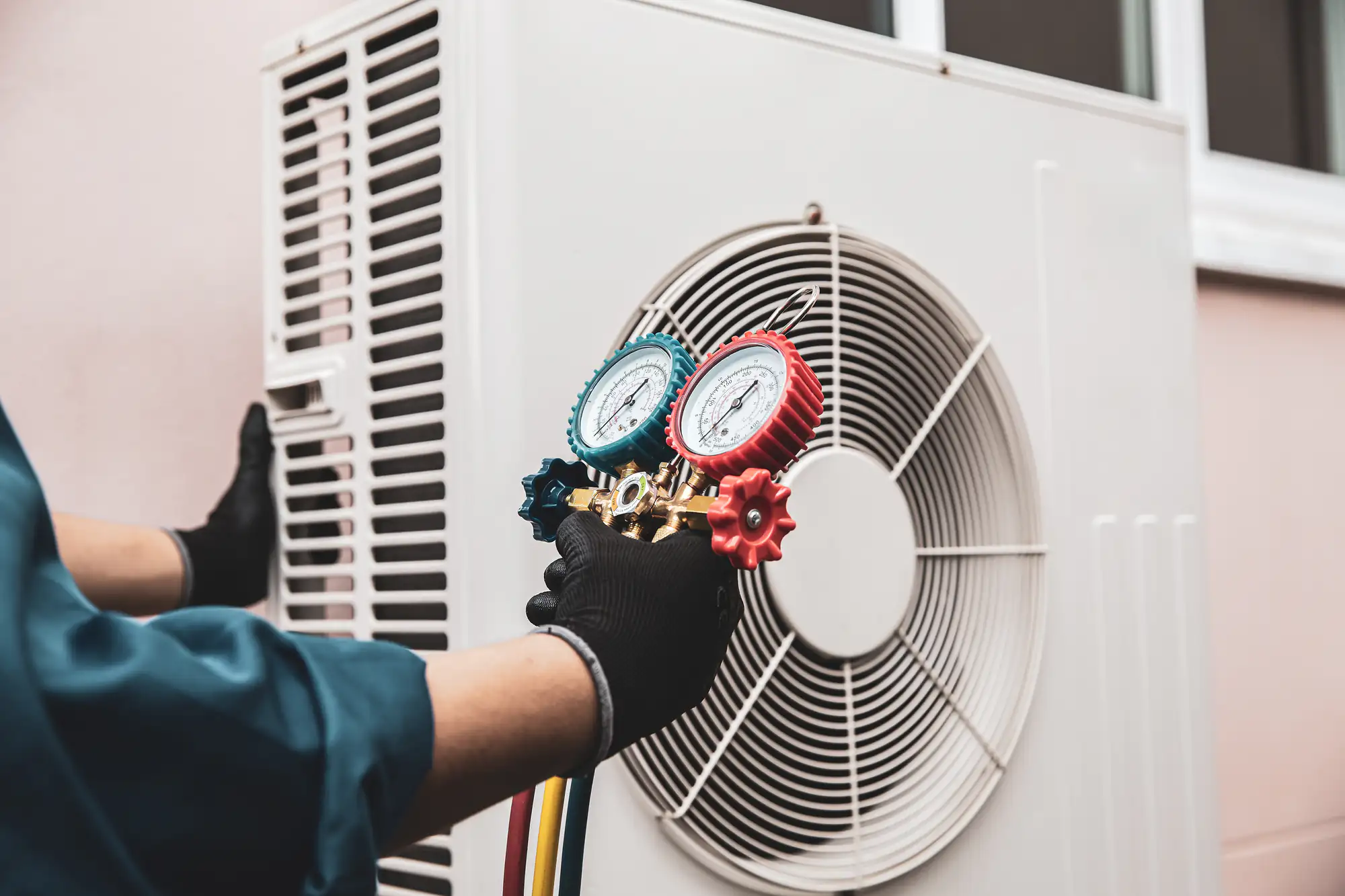
From there, we clean the heat exchanger, burners, and ignition system—removing the soot and combustion debris that reduces heat transfer efficiency. A combustion analysis follows, which measures how well your boiler is burning fuel and whether the air-to-fuel ratio needs adjustment. This is where efficiency gains actually come from: not from scrubbing alone, but from making sure the system is calibrated to burn cleanly.
We test safety controls, check gas or oil pressure, and clear the flue of any blockages, nesting material, or debris. Because Ronkonkoma straddles the Islip and Brookhaven town line, any follow-on work—liner replacement, chimney cap installation, or structural repair—may require a permit from either the Town of Islip or the Town of Brookhaven depending on your address. We hold Suffolk County licensing and are familiar with both municipalities, so if the inspection turns up something that needs a permit, that process doesn’t fall on you to navigate alone.
Most standard boiler cleaning appointments take approximately one to two hours for a residential system.

Ready to get started?
Most HVAC companies and oil delivery services focus on the mechanical unit—the burner, the ignition, the pressure settings. That’s a legitimate service, but it’s half the job. An oil boiler is connected to a chimney flue that carries combustion gases out of your home, and that flue accumulates soot, creosote, and debris just like a fireplace chimney does. If that exhaust pathway is partially blocked or the liner has deteriorated, cleaning the burner alone doesn’t solve the problem.
We clean the full system—burner side and chimney side—which is the only way to fully restore efficiency and address the safety risks that build up in the exhaust pathway. For Ronkonkoma homeowners, this matters because the housing stock here skews older. These are homes built in the 1950s, 60s, and 70s with chimney systems that may not have been inspected in years.
Our technicians are equipped to handle what we find—whether that’s a straightforward cleaning, a nest or debris removal, or a liner that needs replacement. All materials used in any repair work are UL listed and up to code, which satisfies the requirements of both the Town of Islip and Town of Brookhaven building codes that apply across Ronkonkoma’s split jurisdiction.
If you’re a newer resident—whether you bought an existing home in the area or relocated here because of the Station Yards development near the LIRR hub—a boiler cleaning and inspection is one of the most useful things you can do in your first year. You find out exactly what the previous owner left you, and you start the heating season with a system you actually understand.
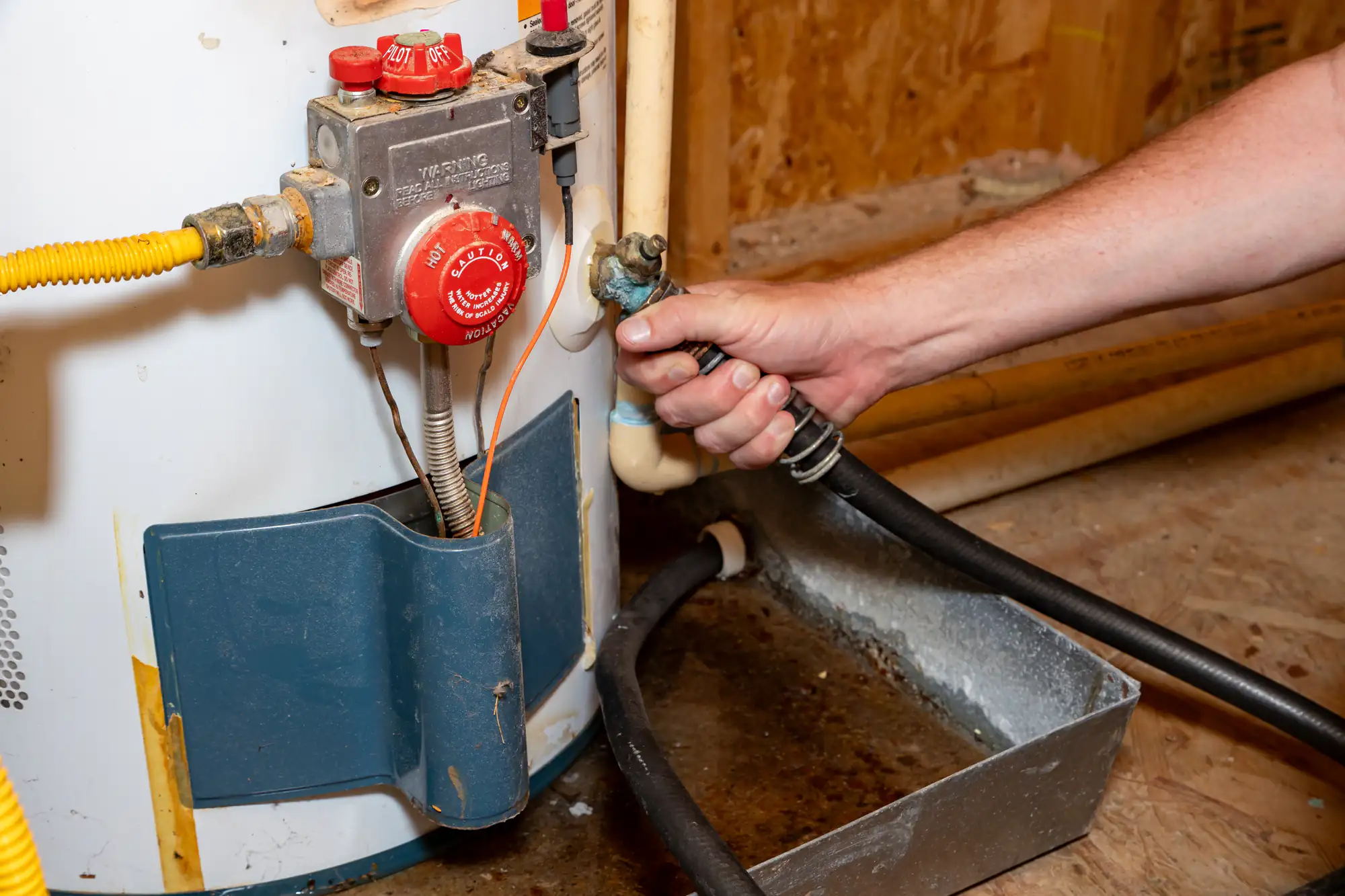
The honest answer is that most oil-heated homes in Ronkonkoma benefit from annual boiler cleaning regardless of whether anything seems wrong. Soot and combustion residue build up gradually and silently—your boiler won’t tell you it’s running at reduced efficiency, and a partially blocked flue won’t announce itself until there’s a real problem.
The signs that suggest you’re overdue include higher-than-usual fuel bills without a corresponding change in usage, the boiler cycling on and off more frequently than normal, or any unusual smell during operation. If you’re not sure when the system was last cleaned—which is common for anyone who recently bought a home in Ronkonkoma—that uncertainty itself is a good enough reason to schedule an inspection.
A professional boiler cleaning and inspection will give you a clear picture of what’s in the system and what, if anything, needs attention. You’re not committing to a repair bill by calling—you’re getting information, and a technician who tells you the system is in good shape is giving you just as much value as one who finds something that needs work.
Yes, and this is one of the most common misconceptions among Long Island homeowners who heat with oil. Your oil delivery company services the burner unit—the mechanical components that ignite and burn the fuel. That’s a legitimate and important service. But the chimney flue connected to your boiler is a separate system that your oil company typically does not clean.
That flue carries combustion gases out of your home, and it accumulates soot and deposits just like a fireplace chimney does. In Ronkonkoma’s older housing stock, this distinction matters even more because many of these homes have original chimney liners that have never been inspected or replaced. A liner that has crumbled or deteriorated can restrict the exhaust pathway to a point where it becomes a carbon monoxide risk—and that condition develops completely independently of how well your burner is running.
Boiler chimney cleaning is a chimney-specialist service, not an HVAC service, and it requires different equipment, different training, and a different scope of work than what your oil delivery company provides.
A complete boiler cleaning covers both the mechanical unit and the exhaust pathway. On the burner side, that means cleaning the heat exchanger, burners, and ignition system to remove soot and combustion debris that reduces heat transfer efficiency. A combustion analysis is performed to measure how cleanly the system is burning fuel and whether the air-to-fuel ratio needs adjustment—this is where real efficiency gains come from.
We test safety controls, check pressure levels, and inspect electrical connections. On the chimney side, we inspect the flue for blockages, cracks, liner condition, and proper venting. Any debris, nesting material, or soot buildup in the exhaust pathway is removed. If the inspection reveals a liner that needs replacement or a structural issue that requires a permit—which can happen in Ronkonkoma given the age of the housing stock—you’ll receive a clear explanation of what was found and what the options are.
The whole process for a standard residential system typically takes one to two hours, and our crew will leave your home in the same condition we found it.
It can, and the compounding effect is the part most people don’t think about. Soot and scale buildup is cumulative—a skipped year doesn’t just mean double the buildup, it means the deposits that were already there have had more time to harden, to insulate the heat transfer surfaces, and to potentially begin corroding the components underneath.
A thin layer of soot just one millimeter thick on the heat transfer surfaces can reduce boiler efficiency by three to four percent and raise flue gas temperature by 20 to 25 degrees Celsius. That’s not a theoretical loss—it shows up in your fuel consumption every month the system runs. There’s also a warranty consideration that most homeowners aren’t aware of. Most boiler manufacturers require annual professional maintenance to keep the warranty valid. Skipping a cleaning doesn’t just affect performance—it can void the coverage you’d rely on if something goes wrong.
On Long Island, where boiler replacement costs run from $5,500 to $15,000 installed, that warranty coverage is worth protecting. Annual boiler cleaning is the maintenance investment that keeps the expensive repair scenarios off your calendar for as long as possible.
This is exactly the right question to ask, and you should ask it before anyone sets foot in your home. In New York, chimney and boiler cleaning contractors should carry county-specific licensing—not just a general state business registration. For work in Ronkonkoma, that means Suffolk County licensing, which is the relevant jurisdiction for this community. Ask the company directly whether they hold Suffolk County licensing and request a Certificate of Insurance that shows both liability coverage and workers’ compensation. A verbal assurance is not a substitute for a document.
Beyond licensing and insurance, look for CSIA (Chimney Safety Institute of America) certification, which is the industry’s most recognized professional credential for chimney and boiler flue work. You can verify CSIA certification through the organization’s online lookup tool. Sustained recognition from the BBB and Angie’s List over multiple consecutive years is also a meaningful signal—it reflects a track record that has been independently verified over time, not just a one-time rating.
Ageless Chimney holds Suffolk County licensing, carries liability insurance and workers’ compensation, and has maintained both Angie’s List and BBB recognition for six consecutive years.
The best time is summer—June through August—when your boiler is not in active use and any issues found during the cleaning can be addressed before the heating season begins. Scheduling in the off-season also means you have flexibility on timing and aren’t competing for appointment slots with the fall rush. September and October are the busiest months for boiler service on Long Island, and if you wait until then, you may be looking at a longer wait or limited availability.
For Ronkonkoma homeowners who commute into the city, summer scheduling makes even more practical sense. You’re not relying on the system daily, so a two-hour service appointment is a minor inconvenience rather than a disruption to your heating. If you missed the summer window and you’re heading into the heating season without a recent cleaning, it’s still worth scheduling—a pre-season cleaning in September or October is far better than an emergency call in January when the temperature drops and the heat goes out.
We offer 24/7 emergency service for exactly those situations, but the goal is to make sure you never need it.
Other Services we provide in Ronkonkoma