


When your boiler and flue are genuinely clean, your heating system runs the way it was designed to. Fuel burns more efficiently, heat transfers the way it should, and you stop paying more than you need to every time the oil truck pulls up. For Seaford homeowners running oil heat in houses that are six or seven decades old, that difference shows up on your bill.
There’s also the safety side, and it matters more in Seaford than people realize. Post-war Cape Cods and ranches here were built with clay tile chimney liners that crack over time from thermal cycling and the moisture that comes with living close to South Oyster Bay. A cracked liner doesn’t always announce itself the boiler still fires, the house still heats but combustion gases can start moving through the home structure instead of venting safely out. A thorough boiler chimney cleaning includes a flue inspection that catches that kind of deterioration before it becomes a real problem.
For homes in the Seaford Harbor section, salt air from the bay accelerates corrosion on metal chimney components faster than most homeowners expect. Annual cleaning and inspection is how you stay ahead of that, not react to it.
We’re based in Bethpage the same South Shore Nassau County community type as Seaford, built in the same era, with the same housing stock. This isn’t a company coming in from across the county line without context. Our team has worked on the same style of post-war homes, the same aging chimney systems, and the same oil boiler setups that Seaford residents deal with every day.
Six consecutive years of Angi’s List awards and a sustained BBB “A” rating aren’t things that happen by accident. They’re the result of showing up on time, doing the work honestly, and not padding the bill. Multiple customers have noted in reviews that our technicians told them they didn’t need a service they called about that kind of honesty is rare in this industry, and it’s exactly why people come back.
We hold Nassau County licensing, carry both liability insurance and workers’ compensation, and install only UL-listed materials. When something goes in your home, it’s done right and it’s done to code.

Before anything starts, you get a clear estimate. No work begins until you know what’s being done and why. That’s not a policy statement it’s just how we operate, and it’s one of the things customers consistently mention in reviews.
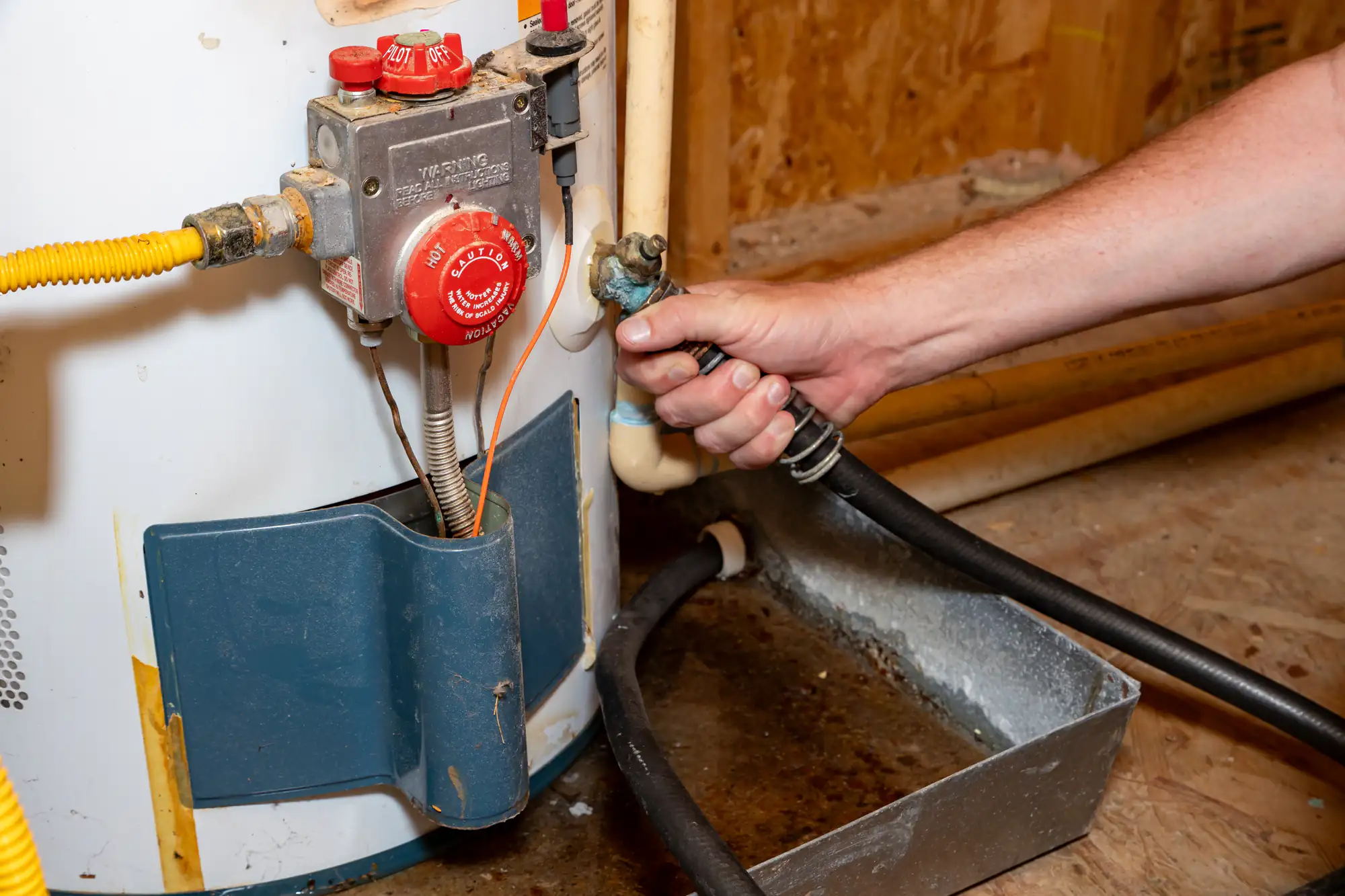
The cleaning itself covers the full system, not just the mechanical unit. Our technician cleans the heat exchanger, burners, and ignition components the parts that directly affect how efficiently your boiler burns fuel. Then the flue is inspected and cleaned from the firebox up through the chimney, removing soot, debris, and any blockages that restrict proper venting. For Seaford homes with original clay tile liners, the flue inspection is where a lot gets caught that would otherwise go unnoticed. If there’s a nest, a cracked section, or moisture damage from bay-side humidity, you’ll know about it before it turns into a bigger problem.
Safety controls are tested, connections are checked, and when the job is done, the space is left clean.
Most residential boiler cleanings take around one to two hours. If you’re a commuter catching the Babylon Branch out of the Sunrise Highway station, scheduling in the morning before your train or on a weekend works fine the job doesn’t require you to rearrange your week. And if something urgent comes up, we offer 24/7 emergency service, which matters in a household where the primary decision-maker might be 50 minutes away in the city when the heat goes out.
Ready to get started?
Most HVAC companies and oil burner services in Seaford stop at the boiler unit itself. They clean the burner, check the pressure, and call it done. What they don’t do is touch the chimney flue the exhaust pathway that carries combustion gases out of your home. That’s a chimney specialist’s job, and it’s a meaningful gap in what most local providers actually cover.
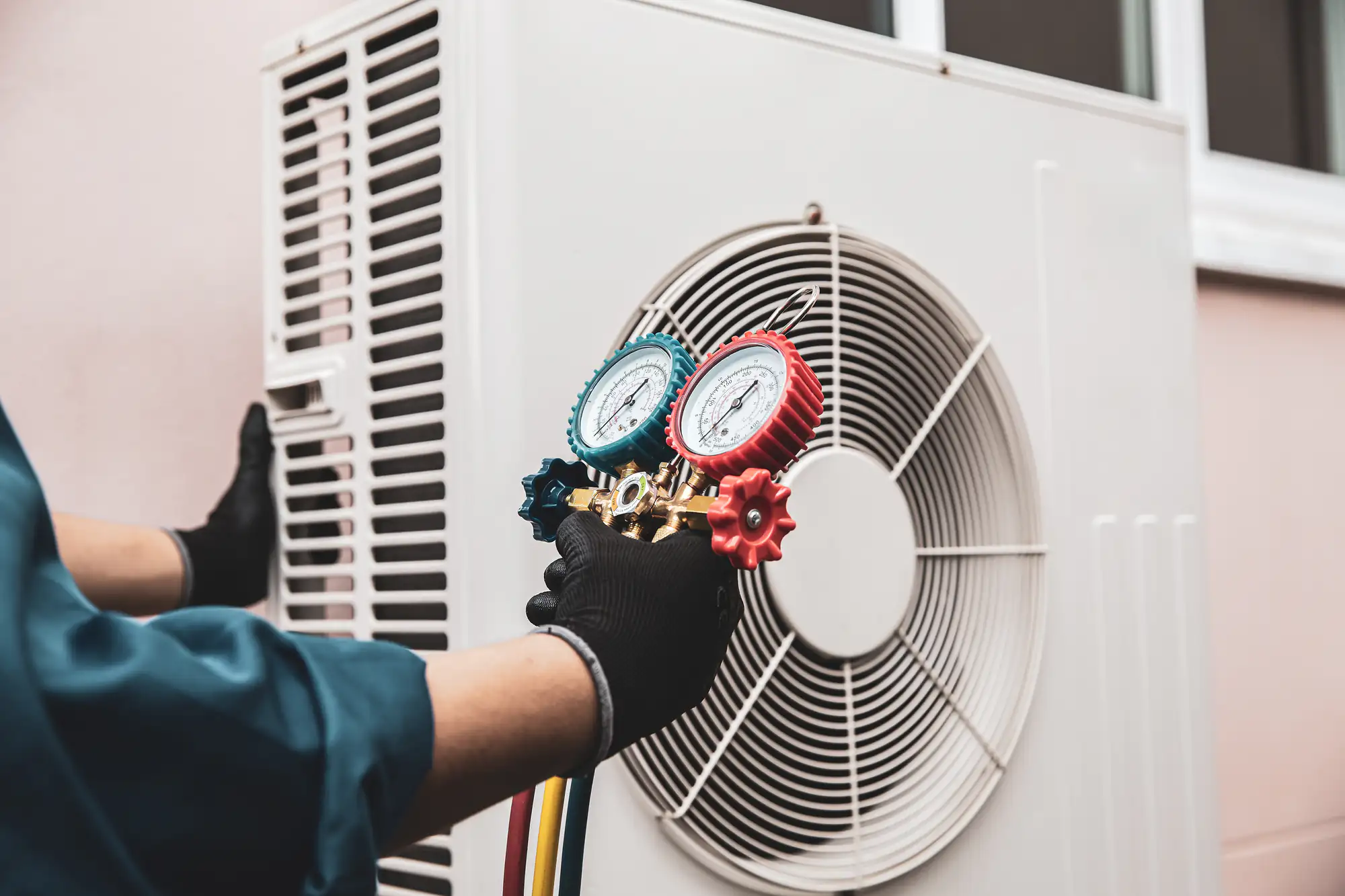
We handle both sides. Our boiler cleaning service covers heat exchanger and burner cleaning, combustion analysis, flue inspection and cleaning, safety control testing, gas or oil pressure verification, and cap and flashing inspection where applicable. For Seaford homes in the Harbor section near South Oyster Bay, that cap and flashing check is particularly important salt air and bay moisture break down metal components faster than they do in inland Nassau County communities.
If your home experienced basement flooding during Hurricane Sandy or a more recent nor’easter, and your boiler flue has never been professionally inspected since, that inspection is part of what this service covers. Flood events can displace soot, damage flue connections, and accelerate liner corrosion in ways that aren’t visible from the outside. Nassau County licensing and Town of Hempstead code compliance apply to all work we perform, and every material we install is UL listed.
No named service tiers are currently published reach out directly for a straightforward estimate on what your home’s system needs.
For most Seaford homes, once a year is the right interval and the timing matters. The ideal window is late summer or early fall, before the heating season starts. Scheduling in September or October means any issues get caught and resolved before you actually need the system running. Waiting until November when demand peaks means longer wait times and less flexibility.
For homes in Seaford’s older housing stock the post-war Cape Cods and ranches built in the 1950s and ’60s annual cleaning is especially important because these systems have been accumulating wear for decades. Clay tile chimney liners crack over time, heat exchangers develop scale buildup, and soot accumulates in ways that compound year over year if skipped. One missed year doesn’t just mean double the buildup next time it means corrosion and efficiency losses that stack up and are harder to reverse. Annual cleaning is the most cost-effective way to stay ahead of that cycle.
This is one of the most common points of confusion for Long Island homeowners, and it’s worth being direct about. When your oil delivery company sends a technician to service your burner, they’re focused on the mechanical unit the burner head, nozzle, filter, and ignition components. That’s their job, and they do it well. What they don’t do is clean or inspect the chimney flue that carries combustion gases out of your home.
The flue is a separate system, and it requires chimney expertise, not HVAC expertise. Soot and debris accumulate in the flue regardless of how well the burner is maintained. A blocked or deteriorating flue restricts proper venting, reduces efficiency, and in serious cases creates a carbon monoxide risk. For Seaford homes with original clay tile liners that are 60 or 70 years old, the flue is often the most neglected part of the entire heating system precisely because oil company visits don’t cover it. A professional boiler chimney cleaning from us covers both sides of the system.
Yes, and the numbers are concrete enough to be worth knowing. Just one millimeter of soot buildup on a boiler’s heat transfer surfaces can reduce efficiency by three to four percent and raise flue gas temperatures by 20 to 25 degrees Celsius. That means more fuel is being burned to produce the same amount of heat and on Long Island, where oil prices are consistently higher than the national average, that inefficiency adds up fast.
For Seaford homeowners on oil heat, the cost of an annual boiler cleaning is a fraction of what you’d spend on the extra fuel burned by a dirty system over a full heating season. The math gets even clearer when you factor in the cost of repairs that result from neglect a pump replacement on Long Island runs $400 to $900, a zone valve runs $350 to $700, and a full boiler replacement runs $5,500 to $15,000 installed. Annual cleaning is the least expensive option by a wide margin, and it’s the one that keeps the other costs from showing up.
If your home experienced basement flooding and your boiler flue has never been professionally inspected since, the honest answer is yes and sooner rather than later. Seaford’s southernmost properties carry FEMA Zone AE and Zone VE flood designations, and the community has documented flood damage going back to Hurricane Sandy in 2012, with more recent nor’easters causing widespread basement flooding across the South Shore corridor as recently as January 2024.
Flood water in a boiler room doesn’t just damage the mechanical unit it can displace soot deposits in the flue, corrode liner connections, and accelerate deterioration in clay tile liners that were already aging. A boiler that fires normally after a flood event can still have a compromised flue system that’s venting poorly or not at all. A professional boiler chimney cleaning and inspection will identify any damage to the flue, liner, and connections, and give you a clear picture of what the system’s condition actually is. For properties with Prior Damage Assessments on file from Sandy, any permit-requiring repair work should be verified against Nassau County and Town of Hempstead requirements before proceeding.
Nassau County has its own contractor licensing requirements that are separate from a general New York State license or a Suffolk County license. When you’re hiring someone to clean your boiler and chimney flue in Seaford, you want to confirm they hold Nassau County-specific licensing not just assume that any licensed contractor qualifies. It’s a straightforward question to ask before booking, and a legitimate company will answer it directly.
Beyond county licensing, look for CSIA certification the Chimney Safety Institute of America credential that specifically qualifies technicians to inspect and clean chimney flue systems. You can verify CSIA certification through the CSIA’s own lookup tool. You should also confirm that the company carries both liability insurance and workers’ compensation coverage, and ask for a certificate of insurance rather than just a verbal assurance. We hold Nassau County licensing, carry the required insurance coverages, and install only UL-listed materials the specific credentials that matter for work performed in Seaford and throughout Nassau County.
Technically yes but the timing of when something goes wrong is the problem. Boiler systems don’t usually fail during a mild October afternoon. They fail during the coldest stretch of January, when demand is highest and the system has been running hard. For Seaford households where one or more adults commute into the city via the Babylon Branch, a mid-winter boiler failure means the person who handles these calls is 50 minutes away by train while the rest of the household has no heat.
The reactive approach also costs significantly more. Emergency service calls carry premium pricing, and the repairs that result from years of deferred maintenance corroded heat exchangers, cracked liners, failed safety controls are far more expensive than the annual cleaning that would have prevented them. Most boiler manufacturers also require annual professional maintenance to keep the warranty valid, so skipping a cleaning can void coverage you’re counting on. We offer 24/7 emergency service for situations that can’t wait, but the goal of annual boiler cleaning is to make sure you never need to make that call in the first place.
Other Services we provide in Seaford