


When your boiler is clean truly clean, not just wiped down it runs the way it was designed to. Heat transfer improves, the system doesn’t have to work as hard, and you stop losing efficiency to soot buildup that’s been accumulating quietly for years. That translates directly to lower fuel consumption every month your boiler runs.
For Setauket homeowners, that matters more than it might elsewhere. The majority of homes in this area were built between 1940 and 1969, and a significant number predate World War II entirely. Many of those homes are running oil-fired boiler systems that have been through decades of heating seasons and oil heat produces substantially more soot than gas. A 1mm layer of soot on your boiler’s heat transfer surfaces can reduce efficiency by 3 to 4 percent and drive up flue gas temperatures at the same time. If your system hasn’t been professionally cleaned in the last year or two, you’re almost certainly paying more per gallon of oil than you should be.
Beyond efficiency, there’s the safety side. Older chimney liners particularly in the Levitt-built homes south of Route 347 and in the pre-war colonials near the historic district are at the age where deterioration happens from the inside out. A crumbling liner blocking a boiler vent doesn’t announce itself. Annual boiler cleaning and flue inspection is how we find those problems before they become emergencies, not after.
We’ve been earning Angie’s List and BBB recognition for six consecutive years not because of a single good season, but because the work has been consistent enough to hold up to independent review year after year. That kind of track record doesn’t happen by accident.
We’re licensed for Suffolk County, which means every service call in Setauket, East Setauket, and South Setauket is backed by the specific county-level credentials New York requires for chimney and boiler flue work. We carry both liability insurance and workers’ compensation, and all materials we use are UL listed. When you call, you’re not trusting a stranger on a hunch you’re working with a company that has verifiable credentials and a documented service history right here in this community.
One thing that stands out in the reviews: our technicians have been known to tell customers they don’t actually need a service they called about. In a trade where upselling is common, that kind of honesty is worth noting.
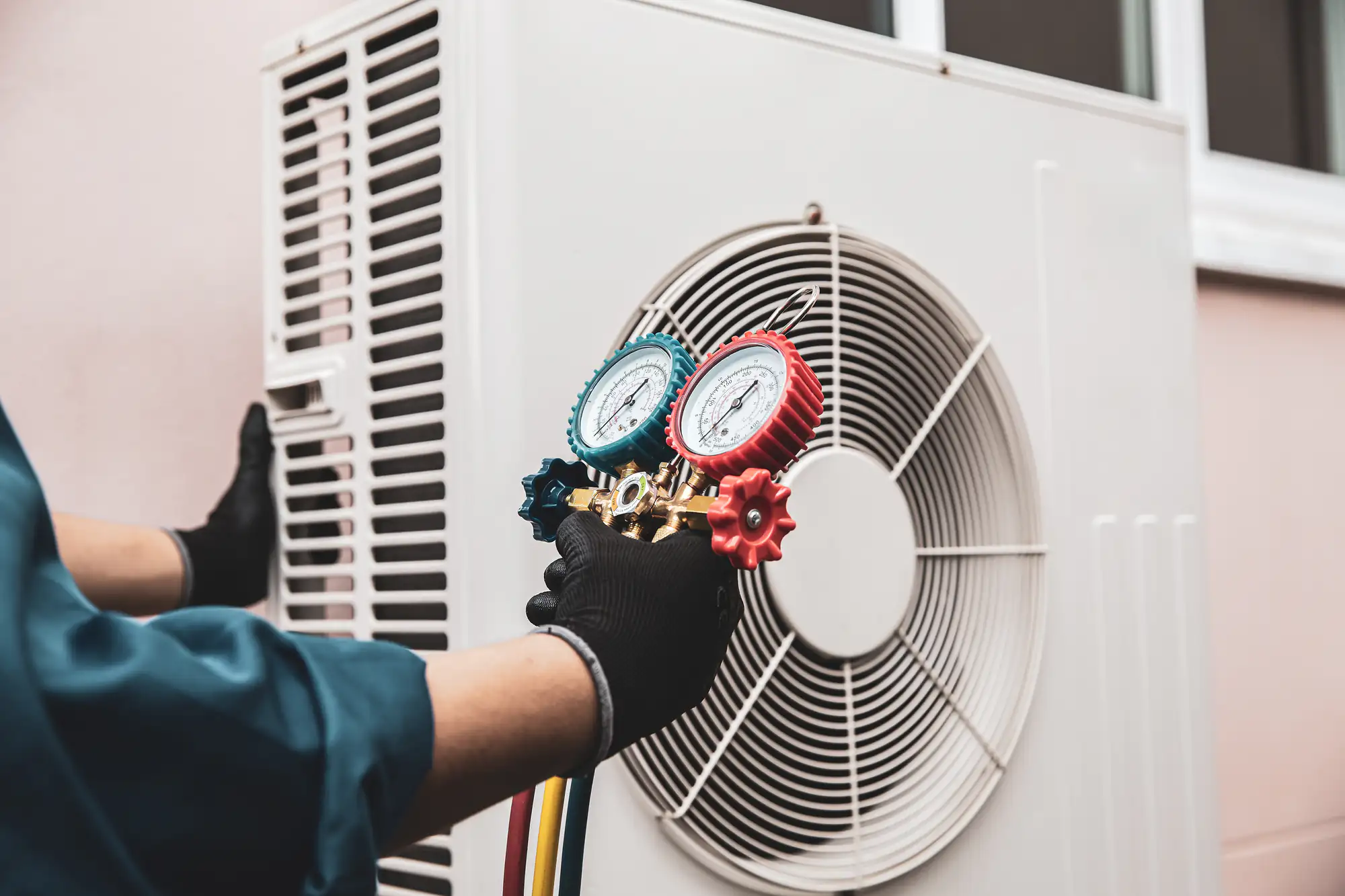
When our crew arrives at your Setauket home, the first thing we do is a full visual inspection not just of the boiler unit itself, but of the entire exhaust pathway. That means checking the heat exchanger, the burner assembly, the connections, the flue, and the liner from bottom to top. In a community where so much of the housing stock is 60 to 85 years old, that full-system view matters. The boiler might look fine; it’s often the liner or the flue that’s the real issue.
From there, the cleaning covers the heat exchanger and burner assembly removing the soot and debris that reduce heat transfer and make your system burn more fuel than it needs to. We run a combustion analysis to check whether the air-to-fuel ratio is where it should be. Safety controls get tested: pressure valves, seals, thermostats, electrical connections, and shutoffs. The flue gets inspected for blockages, cracks, and proper venting. If there’s a nest or obstruction in the chimney something that happens more often than homeowners expect we address that too.
Most residential boiler cleanings take roughly one to two hours. We bring the equipment we need, do the work, and leave your home exactly as we found it. That last part shows up repeatedly in our reviews, and it’s not a small thing when you’re letting someone work in your basement and on your roof. Scheduling in late summer or early fall before the heating season ramps up is the smartest window, especially for homes along Route 25A and the surrounding Three Village area where older systems tend to need the most attention.

Ready to get started?
Most HVAC and plumbing companies that offer boiler service including several operating in the Setauket area focus on the mechanical unit in your basement. They clean the burner, check the pressure, test the controls, and call it done. What they don’t do is clean and inspect the chimney flue, the liner, and the exhaust pathway that connects your boiler to the outside world. That’s the part of the system we specialize in, and for homes in Setauket’s historic district or the older neighborhoods along Route 25A, it’s often the part that needs the most attention.
Our boiler cleaning service covers the full system: burner and heat exchanger cleaning, combustion analysis, safety control testing, flue inspection, liner assessment, cap inspection, and obstruction or nest removal if needed. Everything we install is UL listed and up to code. If something needs repair a cracked liner, deteriorating flashing, a cap that’s no longer doing its job you’ll get a straight answer about what’s needed and what it will cost before any additional work begins.
We also handle emergency boiler cleaning and service calls, available around the clock. For Setauket homeowners in older homes without reliable supplemental heating, that availability isn’t just convenient it’s the difference between a manageable situation and a serious one when temperatures drop in January. Whether you’re scheduling an annual cleaning before the heating season or calling because something’s already wrong, the process is the same: honest assessment, real work, and no pressure to buy something you don’t need.
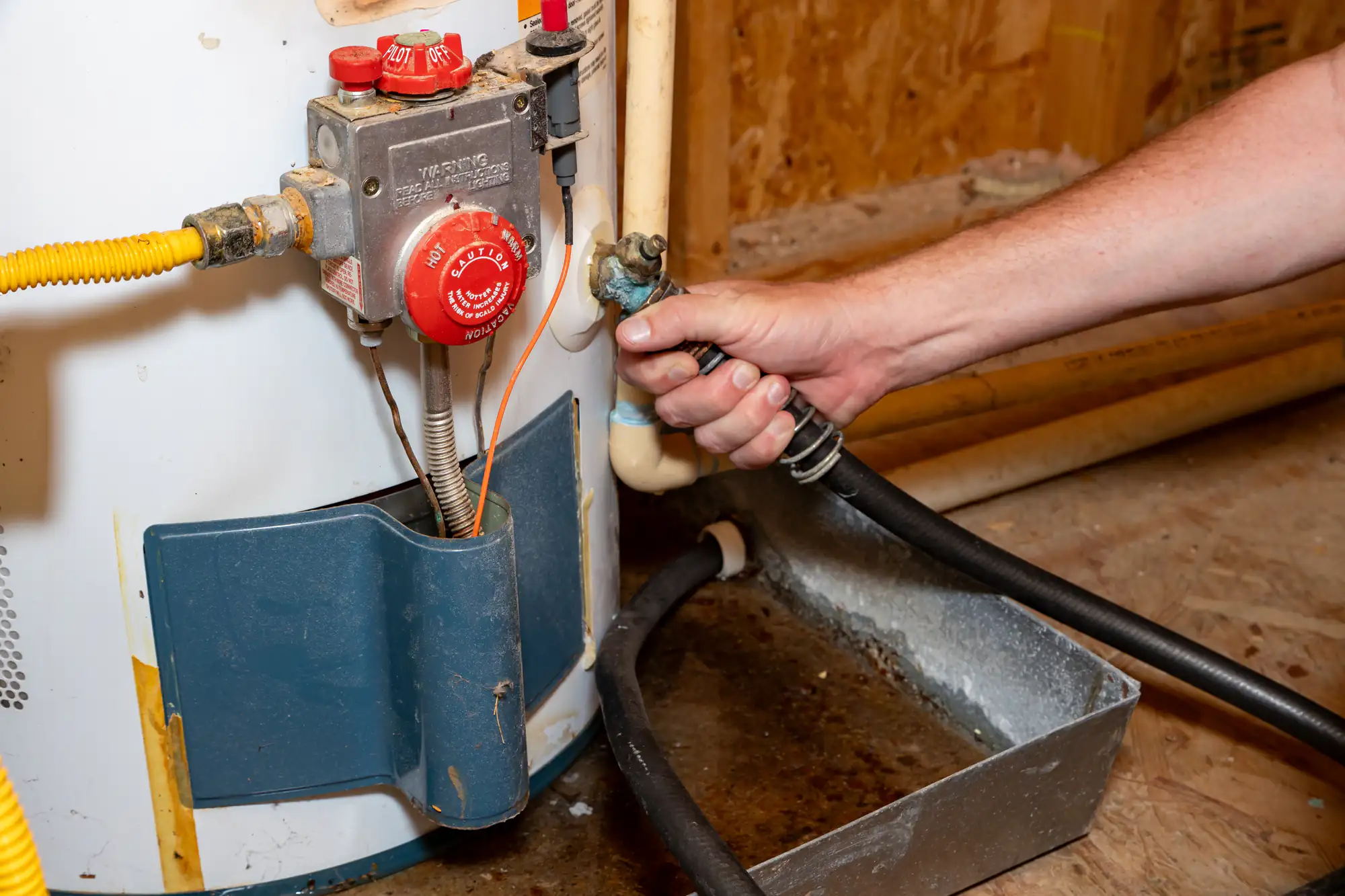
Once a year is the standard recommendation, and for most Setauket homes it’s not just a guideline it’s a practical necessity. The majority of the housing stock here runs on oil heat, and oil-fired boilers accumulate soot at a faster rate than gas systems. That soot builds up on heat transfer surfaces, in the burner assembly, and throughout the flue, and it compounds over time. A skipped year doesn’t just mean slightly more buildup; it means accelerated corrosion, reduced efficiency, and a higher likelihood of finding a real problem when you finally do get someone in.
The best time to schedule is late summer or early fall, before the heating season begins. Your boiler isn’t running, so the work can be done without disrupting your heat, and any issues that turn up a deteriorating liner, a blocked flue, a failing component can be addressed before the first cold night in October or November. For homes near the Old Setauket Historic District or along Route 25A where pre-war construction is common, that annual window is especially important.
Yes, and this is one of the most common misunderstandings homeowners run into. When your oil delivery company sends a technician to service your boiler, they’re focused on the mechanical unit the burner, the igniter, the fuel delivery system, and the controls. That’s their area of expertise, and it’s genuinely useful work. But it stops at the boiler itself.
What they’re not doing is inspecting or cleaning the chimney flue, the liner, or the exhaust pathway that vents combustion gases out of your home. Those components are a separate system, and they require a chimney specialist, not an HVAC technician. For Setauket homes particularly the older colonials and Levitt-built houses that make up most of the housing stock here the liner and flue are often where the real deterioration is happening. A boiler that passes an oil company inspection can still be venting into a compromised flue. The two services address different parts of the system and both matter.
A few things tend to show up before a boiler gets to the point of failing entirely. If your heating bills have gone up without a corresponding increase in oil prices or usage, reduced efficiency from soot buildup is a likely contributor. If the boiler is running longer cycles than it used to working harder to maintain the same temperature that’s another indicator. Unusual smells, visible soot around the boiler or flue connections, or a pilot light that’s behaving differently than normal are all worth paying attention to.
In older Setauket homes, there’s an additional layer to watch for: signs that combustion gases may not be venting properly. That can include a persistent musty or smoky smell near the boiler area, excessive condensation on windows during heating season, or a carbon monoxide detector going off intermittently. Any of those warrants an immediate call, not a wait-and-see approach. A crumbling liner the kind found in aging mid-century construction near Route 347 can restrict or redirect exhaust gases without producing obvious symptoms until the situation becomes serious.
For most boiler manufacturers, yes. Annual professional maintenance is a standard condition of warranty coverage, and skipping a cleaning gives manufacturers grounds to deny claims for repairs or replacement that occur during the warranty period. This applies whether your boiler is relatively new or has been in place for several years.
It’s worth reading through your specific warranty documentation to understand what’s required, but the general industry standard is clear: annual professional service is expected. For Setauket homeowners who invested in a boiler replacement which on Long Island runs from roughly $5,500 to $15,000 installed letting that warranty lapse over a skipped annual cleaning is a costly oversight. The cleaning itself is a fraction of what a warranty claim or an out-of-pocket repair would cost. Keeping that documentation current also matters if you’re planning to sell your home, since buyers and their inspectors will ask about maintenance history.
Yes. We serve Setauket and the broader Three Village area throughout the year, including emergency calls during the heating season. While late summer and early fall are the ideal scheduling windows when the boiler is off and any issues can be addressed before cold weather arrives the reality is that problems don’t follow a calendar.
If your boiler stops working in the middle of January or your oil company flags a flue issue during a delivery, we offer 24/7 emergency service. That availability matters in a community like Setauket, where many of the older homes don’t have the kind of supplemental heating backup that newer construction typically provides. When the heat goes out on a cold night and you have an older home without a secondary heat source, waiting until the next available appointment isn’t an option. We have a documented history of same-day emergency response in exactly those situations.
Setauket falls within Suffolk County, and Suffolk County has its own licensing requirements for chimney contractors separate from a general New York State business license. When you’re vetting a company, ask specifically whether they hold a Suffolk County license for chimney work, and ask to see proof of both liability insurance and workers’ compensation coverage. A legitimate company will provide that without hesitation.
We’re licensed for Suffolk County and carry both forms of insurance coverage. We also align with CSIA and NCSG standards the Chimney Safety Institute of America and the National Chimney Sweep Guild which are the industry credentials that distinguish trained chimney specialists from general HVAC contractors. In a community where educated homeowners are accustomed to doing their homework before hiring, those credentials are verifiable. The CSIA maintains a public lookup tool where you can confirm certification status independently. For a service that involves someone working in your home and on your roof, that level of accountability is exactly what you should expect before anyone shows up.
Other Services we provide in Setauket